


Daily Wear Dress Material Wholesale in Surat – Latest Cotton Collections 2026
Daily Wear Dress Material Wholesale in Surat – Latest Cotton Collections 2026
Everyday ethnic wear remains one of the most dependable categories for retailers because customers continuously look for comfortable, practical and attractive outfits that fit regular routines. For boutiques, resellers and clothing stores, maintaining a balanced stock of cotton suits, printed materials and easy-to-stitch sets can create consistent repeat sales throughout the year. Surat gives wholesale buyers access to an extensive variety of designs, fabrics and price ranges suitable for different customer segments.
Introduction
The demand for Daily Wear Dress Material is driven by a simple customer requirement: clothing should feel comfortable enough for regular use while still looking presentable. Women purchase these products for home, office, shopping, travel, casual gatherings and everyday social activities. Unlike highly seasonal festive products, everyday suits can remain relevant across multiple months and selling cycles.
For Home-Based Sellers, Shop Owners, Boutique Owners, Showroom Owners, Resellers and Wholesale Buyers, this makes daily wear an important inventory category. A retailer can stock affordable printed designs for volume sales, better-quality cotton combinations for regular customers and premium everyday sets for buyers who prefer sophisticated styling.
Wholesaleexport.in helps buyers source different ethnic wear collections from Surat while allowing businesses to compare designs and price ranges before building their stock. Buyers sourcing for India, Nepal and Australia can plan collections according to their local customer preferences instead of depending on one fixed product style.
Why Daily Wear Dress Materials Remain a Strong Selling Category
Fashion trends may change quickly, but customers continue to need practical ethnic clothing. This gives daily wear dress material wholesale a wider selling window compared with products that depend entirely on weddings or festivals.
Repeat Purchase Potential
Customers usually need more than one everyday outfit. A woman may purchase separate suits for work, home, travel and casual outings. When a retailer provides comfortable fabrics and fresh prints at the right price, the same customer can return regularly for additional designs.
This repeat-buying behaviour is particularly valuable for resellers. Instead of constantly finding completely new customers, sellers can show regular new arrivals to their existing customer base through WhatsApp, Instagram, Facebook or physical store displays.
Broad Customer Age Range
Everyday dress materials are not limited to one age group. Young professionals may prefer contemporary prints and subtle shades, while mature customers may choose traditional motifs, floral patterns or comfortable cotton combinations. Retailers can therefore create a mixed assortment without changing the core category.
Flexible Stitching Options
Unstitched dress materials give the end customer freedom to select her preferred neckline, sleeve style, fitting and salwar pattern. This flexibility continues to make unstitched suits wholesale relevant even as ready-made clothing expands.
Best Fabrics for Daily Wear Dress Material in 2026
Fabric selection directly affects comfort, selling price and customer satisfaction. Wholesale buyers should therefore evaluate material according to the climate and usage pattern of their target market rather than purchasing only by appearance.
Cotton Dress Materials
Cotton dress material wholesale remains a key choice for everyday ethnic wear because cotton is breathable, familiar and suitable for extended use. Printed cotton suits can work particularly well for warm-weather markets and customers who prioritise comfort.
Retailers can create a practical assortment using floral cotton prints, geometric patterns, ethnic motifs, abstract designs, block-inspired prints and subtle office-friendly combinations. Having several design directions within the cotton category helps a seller serve more customers without moving away from a fast-selling fabric.
Pure Cotton and Cotton Blend Options
Pure cotton can appeal to customers who specifically ask for natural-feel fabrics, while carefully selected cotton blends can provide different fall, finish and maintenance characteristics. Buyers should check fabric quality rather than assuming every cotton-labelled product will perform identically.
For bulk buying, compare fabric feel, colour clarity, printing quality, dupatta combination and overall presentation. A slightly better product can often generate stronger repeat business than the cheapest available option.
Lightweight Printed Materials
Lightweight materials are useful for everyday wear because they can be comfortable for long working hours and regular movement. These products can also be easier for online resellers to demonstrate through catalog images and short videos.
Popular Daily Wear Designs for Wholesale Buyers
A successful assortment should combine proven designs with enough newness to keep customers interested. Buying too many pieces of one pattern can create slow inventory, while buying a controlled mix provides more options for customer testing.
Floral Printed Dress Materials
Floral prints remain versatile because they can be produced in soft, bright, traditional or modern colour combinations. Small florals can work for understated daily wear, while larger motifs create stronger visual impact for casual outings.
Geometric and Abstract Prints
Geometric designs provide an alternative for customers who do not want conventional floral patterns. Clean lines, repeated motifs and abstract layouts can work especially well in office wear dress material and contemporary everyday collections.
Traditional Printed Suits
Ethnic motifs, paisley-inspired patterns and regional print influences can add variety to a daily wear collection. Such products can be useful for stores serving customers who prefer traditional styling without heavy embroidery or festive detailing.
Matching Dupatta Sets
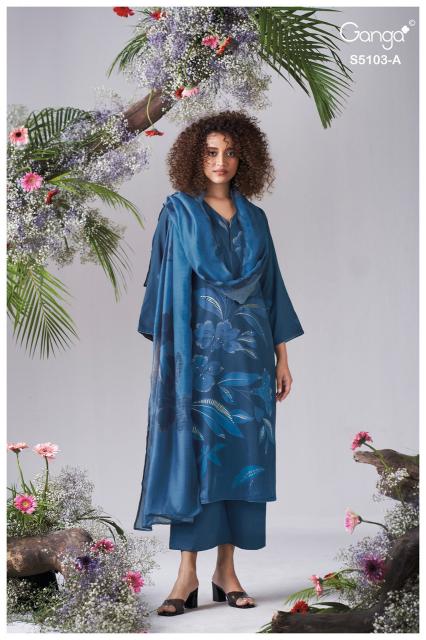
A coordinated dupatta can significantly improve the visual value of a suit set. Wholesale buyers should check whether the dupatta complements the main fabric rather than appearing like an unrelated addition. Coordinated sets are easier to display and can justify a stronger retail presentation.
Daily Wear Dress Material Wholesale Price Planning
Wholesale price is important, but successful buying requires understanding the complete retail margin rather than simply selecting the lowest quotation. Product quality, design freshness, shipping, quantity and customer selling price should all be considered before placing a bulk order.
Entry-Level Price Segment
Affordable dress materials are useful for price-sensitive customers and high-volume sellers. Home-Based Sellers can use this segment to build a larger product selection without committing excessive working capital to individual designs.
Lower-priced products should still be checked for usable fabric quality, proper printing and acceptable colour combinations. A low buying price provides little benefit if customer complaints reduce repeat orders.
Mid-Range Daily Wear Collection
Mid-range products can provide an attractive balance between presentation, quality and margin. These designs may include better fabric combinations, coordinated dupattas, refined printing and improved finishing.
For many boutiques and established resellers, this segment can become the core of their dress material wholesale inventory because customers receive noticeable value without moving into expensive occasion wear.
Premium Everyday Dress Materials
Premium everyday products target customers who want comfortable ethnic wear with more refined presentation. Better-quality cotton, sophisticated patterns, subtle detailing and elegant colour palettes can support higher retail billing while still remaining suitable for regular use.
Buying from Surat Textile Market
Surat has developed a large textile ecosystem involving fabric sourcing, processing, printing, trading, manufacturing and distribution. Buyers searching the surat textile market can access extensive ethnic wear categories and continuously changing collections.
Ring Road Wholesale Sourcing
The ring road textile area is widely associated with Surat's wholesale trade. Buyers visiting the market can compare multiple categories, but online sourcing has also become important for retailers who cannot travel frequently.
Digital catalogues allow businesses to review designs remotely, shortlist products and reorder collections without spending time on repeated market visits. This is particularly useful for sellers operating outside Surat.
Sahara Darwaza Textile Buying
sahara darwaza and surrounding textile trading areas are also familiar sourcing references for buyers looking for wholesale ethnic wear. However, the number of available products can make selection challenging for a new reseller. Instead of purchasing randomly, buyers should enter the market with a clear budget, customer profile and desired product mix.
How Home-Based Sellers Can Start with Daily Wear Suits
A Home-Based Seller does not necessarily need hundreds of pieces to test demand. The better approach is to select several designs in controlled quantities, identify customer responses and reorder the patterns or price points that generate faster enquiries.
Start with a Mixed Collection
Rather than investing the entire budget in one design, divide the first order between cotton prints, elegant everyday suits, darker colours, lighter shades and different pattern styles. This provides useful sales data and gives customers more choices.
Use Catalog Selling to Reduce Inventory Pressure
WhatsApp and social media catalogues allow resellers to display a broader selection than the stock physically available at home. Buyers can use Wholesaleexport.in to explore current product options and build a more organised sourcing process.
Track Repeat Enquiries
If customers repeatedly request cotton fabrics, specific colours or a particular price band, that information should guide the next purchase. Successful reselling becomes easier when buying decisions are based on actual customer demand instead of personal taste alone.
Stock Planning for Boutique and Shop Owners
Boutiques and physical stores need enough visual variety to keep displays fresh while protecting working capital. The objective is not simply to fill shelves; it is to maintain products that can move consistently.
Create Multiple Retail Price Points
Customers entering the same store may have very different budgets. Maintaining entry, mid-range and premium daily wear products gives sales staff more flexibility when presenting options.
A customer who rejects one product because of price can immediately be shown an alternative instead of leaving the store without purchasing.
Refresh Designs Regularly
Frequent small additions can create stronger customer interest than waiting months for a complete inventory replacement. Regular new arrivals also provide useful content for social media, WhatsApp status and customer broadcasts.
Plan Colour Variety
Include a practical balance of pastel shades, earthy colours, blues, greens, maroons, pinks, beige combinations and darker tones. Colour preference varies by region and customer age, so previous sales records should influence future purchasing.
Wholesale Opportunities in India, Nepal and Australia
The same category can require different merchandising approaches across markets. Buyers should consider climate, customer lifestyle, ethnic wear usage and local retail price expectations when selecting stock.
Daily Wear Dress Materials for India
India provides a broad customer base for everyday ethnic clothing. Cotton suits, printed dress materials, office-friendly sets and casual salwar suit materials can serve retailers across numerous cities and customer segments.
For domestic resellers, frequent product rotation can be especially important because customers regularly encounter new collections online. Sellers who maintain fresh catalogues have more opportunities to generate repeat enquiries.
Wholesale Dress Materials for Nepal
Buyers serving Nepal can select practical ethnic designs along with attractive colour combinations that work for regular retail requirements. A controlled assortment gives boutiques and resellers flexibility to test customer response before expanding quantities.
Dress Material Export to Australia
For Australia, ethnic wear retailers can target South Asian customers looking for comfortable traditional clothing for everyday use, community gatherings and casual occasions. Export buyers should consider product presentation, packing, shipping economics and retail positioning when calculating final margins.
Vastralife brings wholesale and export experience since 2017, supported by textile industry expertise and an emphasis on premium product quality. This experience helps Wholesale Buyers evaluate collections from a business perspective rather than purchasing purely on visual appeal.
Manufacturing and Quality Factors Buyers Should Check
Understanding basic manufacturing and quality factors can help retailers avoid preventable problems. Fabric appearance in a catalogue photograph is only one part of the buying decision.
Check Fabric Feel and Practicality
Daily wear clothing needs to remain comfortable for extended periods. Fabrics that look attractive but feel unsuitable for regular use may struggle to generate repeat sales.
Review Printing and Colour Combination
Print alignment, clarity and overall colour balance affect the perceived value of a dress material. Buyers should select products that can look attractive both in person and in digital catalogues.
Evaluate the Complete Set
When purchasing suit sets, assess the top material, bottom fabric and dupatta together. The combination should make sense as a complete outfit because customers usually judge the overall set rather than each component separately.
Wholesaleexport.in provides a convenient route for buyers looking to compare ethnic wear collections without limiting sourcing to physical market visits. The next stage of purchasing should focus on combining everyday products with complementary categories that can increase customer choice and average billing.
Internal Linking Section – Expand Your Daily Wear Product Range
Retailers who already receive regular enquiries for everyday suits can increase order value by building a broader ethnic wear assortment around the same customer profile. Buyers looking for more variety can explore wholesale dress materials in Surat to compare additional fabrics, prints and price segments suitable for regular retail demand. A wider but carefully selected assortment helps customers find multiple options without forcing the seller to move into completely unrelated categories.
Businesses serving families or operating larger stores can also add selected mens wear products as a complementary category. The objective should be to increase customer choice while keeping purchasing focused on products that match the store's existing audience and selling model.
How to Build a Profitable Daily Wear Dress Material Inventory
A profitable inventory is not necessarily the largest inventory. For Home-Based Sellers, Shop Owners, Boutique Owners and Resellers, the better strategy is to maintain enough variety to generate enquiries while keeping sufficient working capital available for fresh purchases and fast reorders.
Buy More Designs Before Buying Deep Quantity
When testing a new supplier or collection, purchasing several designs in smaller quantities can provide better market feedback than committing heavily to one pattern. Once customers begin ordering a particular style, colour combination or fabric repeatedly, the seller can increase quantity with greater confidence.
This approach is especially useful for daily wear dress material wholesale because customers expect regular changes in prints. A retailer may discover that one floral pattern sells quickly while another region responds better to geometric or traditional motifs. Actual sales data should determine the next bulk order.
Separate Fast Sellers from Display Products
Every product does not need to perform the same role. Some affordable cotton suits can be stocked specifically for faster turnover, while better-looking premium designs can improve store presentation and increase average billing.
Maintain a simple record of purchase price, retail price, quantity sold and reorder frequency. This helps identify which products are genuinely profitable instead of judging performance only by customer enquiries.
Keep a Reorder Budget Ready
One common mistake is spending the entire buying budget during a single purchase. When a fast-moving design appears a week later, there may be insufficient working capital to reorder it. Keeping part of the budget available for replenishment allows the business to respond quickly to customer demand.
Daily Wear Cotton Suit Wholesale for Different Customer Needs
A strong everyday collection should reflect how customers actually use their clothes. A working professional, homemaker and regular ethnic wear buyer may all purchase cotton suits, but their preferences can differ significantly.
Comfort-Focused Everyday Customers
These customers usually prioritise fabric feel, easy maintenance and practical designs. Cotton suit wholesale collections with breathable materials, wearable colours and uncomplicated patterns can work well for this segment.
Office and Professional Customers
Office customers often prefer cleaner prints, elegant shades and designs that look polished without becoming excessively festive. Retailers can stock understated floral prints, geometric patterns, subtle embroidery and coordinated dupattas for this segment.
Customers Looking for Better Everyday Fashion
Not every daily wear buyer wants basic clothing. Some customers are willing to pay a higher price for refined fabric, fashionable prints and more sophisticated combinations. A premium everyday segment allows boutiques to serve these buyers while maintaining healthy margins.
Online Selling Strategy for Dress Material Resellers
Digital selling allows a reseller to reach customers beyond a physical store, but simply forwarding hundreds of catalogue images rarely creates the best results. Collections should be presented in a way that makes purchasing easier.
Organise Products by Price and Fabric
Create separate customer selections such as cotton daily wear, premium cotton suits, office wear, printed suits and new arrivals. This makes it easier for customers to find products according to their requirements.
Show Clear Product Information
Whenever possible, mention fabric type, available design, set details, selling price and ordering conditions. Clear information reduces repeated questions and allows serious buyers to make decisions faster.
Use New Arrivals to Generate Repeat Enquiries
Instead of showing the same inventory repeatedly, share selected new products regularly. WhatsApp Status, Instagram posts, short videos and customer groups can be used to keep the collection visible without overwhelming buyers.
Wholesaleexport.in can support this sourcing cycle by giving retailers access to regularly changing wholesale ethnic wear collections. Sellers can shortlist products according to their customer segment and place orders based on actual demand rather than accumulating unnecessary stock.
Bulk Buying Strategy for Shop and Showroom Owners
Established retailers generally need greater quantity, but larger purchasing should still follow a structured approach. Bulk quantity is most useful when the seller understands which fabrics, colours and price bands already perform well.
Build a Core Everyday Range
The core range should contain dependable products that customers can purchase throughout the year. Cotton printed suits, comfortable salwar suit materials, coordinated dupatta sets and practical colours can form this base.
Add Fresh Designs Around the Core Range
New designs should complement rather than completely replace proven sellers. This allows the shop to maintain reliable turnover while continuously giving repeat customers something new to explore.
Calculate Margin After All Costs
Wholesale Buyers should calculate profitability after considering product cost, transportation, payment expenses, packaging and other applicable operating costs. For export orders, freight and destination-related expenses also influence the final landed cost.
A product purchased at the lowest apparent price is not automatically the most profitable. Quality consistency, customer acceptance and reorder potential can have a greater long-term impact on business performance.
Daily Wear Dress Material Export Opportunities
Everyday ethnic clothing can also serve retailers supplying South Asian communities outside their immediate local market. Product selection should be adapted according to customer lifestyle, climate and retail expectations.
India Wholesale Buyers
For India, retailers can maintain a broad selection because everyday ethnic wear is purchased across different regions and customer groups. Cotton dress materials, printed suits and office-friendly combinations can support year-round selling.
Nepal Wholesale Buyers
Retailers in Nepal can test mixed assortments containing practical daily designs and selected premium options. Controlled buying allows sellers to identify preferred colours and price segments before increasing quantity.
Australia Export Buyers
Businesses serving customers in Australia can focus on comfortable ethnic clothing for regular wear, social gatherings and community occasions. Because international freight affects landed cost, buyers should consider product value, quantity and shipping efficiency when planning orders.
Vastralife's wholesale and export experience since 2017 brings practical textile industry understanding to the sourcing process. Experience with different product categories, suppliers and customer requirements helps support a stronger focus on premium product quality, practical pricing and collections suitable for retail businesses.
Common Mistakes to Avoid When Buying Daily Wear Dress Materials
Buying Only According to Personal Taste
The retailer is not necessarily the final customer. A design that the seller personally likes may not match local demand. Purchase decisions should combine market experience, customer enquiries and actual sales history.
Choosing Only the Cheapest Price
Price matters in wholesale purchasing, but extremely aggressive buying without considering fabric and finishing can create complaints. Customers purchasing everyday clothing may wash and use garments frequently, making quality particularly important.
Overstocking One Design
Fashion customers generally want choice. Unless a product has already demonstrated strong demand, avoid placing excessive quantity into a single design. Multiple controlled options can provide better flexibility.
Ignoring Seasonal Colour Changes
Daily wear is a year-round category, but colour preferences can still shift with weather and seasonal buying. Light shades and fresh prints may perform differently from deeper colours depending on the market and time of year.
Waiting Too Long to Reorder Fast Sellers
Wholesale collections can change quickly. When a product receives repeated orders, retailers should evaluate replenishment early instead of waiting until the complete stock has sold. Fast-moving designs may not remain available indefinitely.
Daily Wear Dress Material Buying Checklist for 2026
Before confirming a wholesale purchase, buyers can use a simple checklist to keep sourcing decisions practical. Review the fabric, print clarity, colour combinations, bottom material, dupatta, wholesale price, expected retail price, available quantity and reorder potential. For online orders, also confirm product details and dispatch requirements before payment.
Retailers sourcing through the surat textile market, ring road or sahara darwaza ecosystem should compare products according to their target customers instead of purchasing simply because a collection is newly launched. Surat's large textile and manufacturing network creates extensive choice, which makes disciplined selection even more important.
For 2026, the strongest buying approach is to combine comfortable fabrics, commercially wearable colours, multiple price points and regular product rotation. This creates an inventory that can serve everyday customers while giving the retailer opportunities for repeat sales.
Customer FAQs
1. Where can I buy Daily Wear Dress Material wholesale from Surat?
Wholesale buyers, boutiques, shop owners and resellers can source Daily Wear Dress Material through Wholesaleexport.in and explore collections suitable for different retail price ranges. Buyers can shortlist products according to fabric, designs and customer demand before placing their orders.
2. Which fabric is best for daily wear dress materials?
Cotton is one of the most popular choices because of its comfortable and breathable feel. Depending on the target customer, retailers can also select cotton blends and other lightweight fabrics that provide practical everyday use.
3. Can Home-Based Sellers start with a small wholesale collection?
Yes. A Home-Based Seller can begin by testing several designs in controlled quantities rather than investing heavily in one pattern. This approach helps identify customer preferences while protecting working capital.
4. Are daily wear dress materials suitable for year-round selling?
Yes. Everyday suits have demand beyond specific wedding or festival periods because customers use them for home, work, shopping, travel and casual activities. Retailers should still refresh prints and colours regularly to maintain customer interest.
5. Can wholesale dress materials be supplied for export orders?
Export requirements can be planned according to destination, quantity and available collections. Buyers supplying India, Nepal and Australia should consider customer preferences, shipping costs and final retail positioning when selecting their assortment.
6. How should a boutique decide the right wholesale price range?
Start with the boutique's existing customer spending pattern. Maintain a combination of affordable, mid-range and selected premium products so customers can choose according to budget while the retailer maintains different margin opportunities.
7. What designs should resellers stock for regular customers?
A practical mix can include floral prints, geometric patterns, traditional motifs, subtle office designs, cotton suits and coordinated dupatta sets. Reorder the styles that generate the strongest actual sales rather than relying only on catalogue popularity.
Order Latest Daily Wear Collections at Wholesale Prices
If you are building or expanding an ethnic wear business in 2026, a carefully selected daily wear range can give you products suitable for regular customer demand. Whether you are a Home-Based Seller, Boutique Owner, Shop Owner, Showroom Owner, Reseller or Wholesale Buyer, choose collections according to your market, budget and expected retail price.
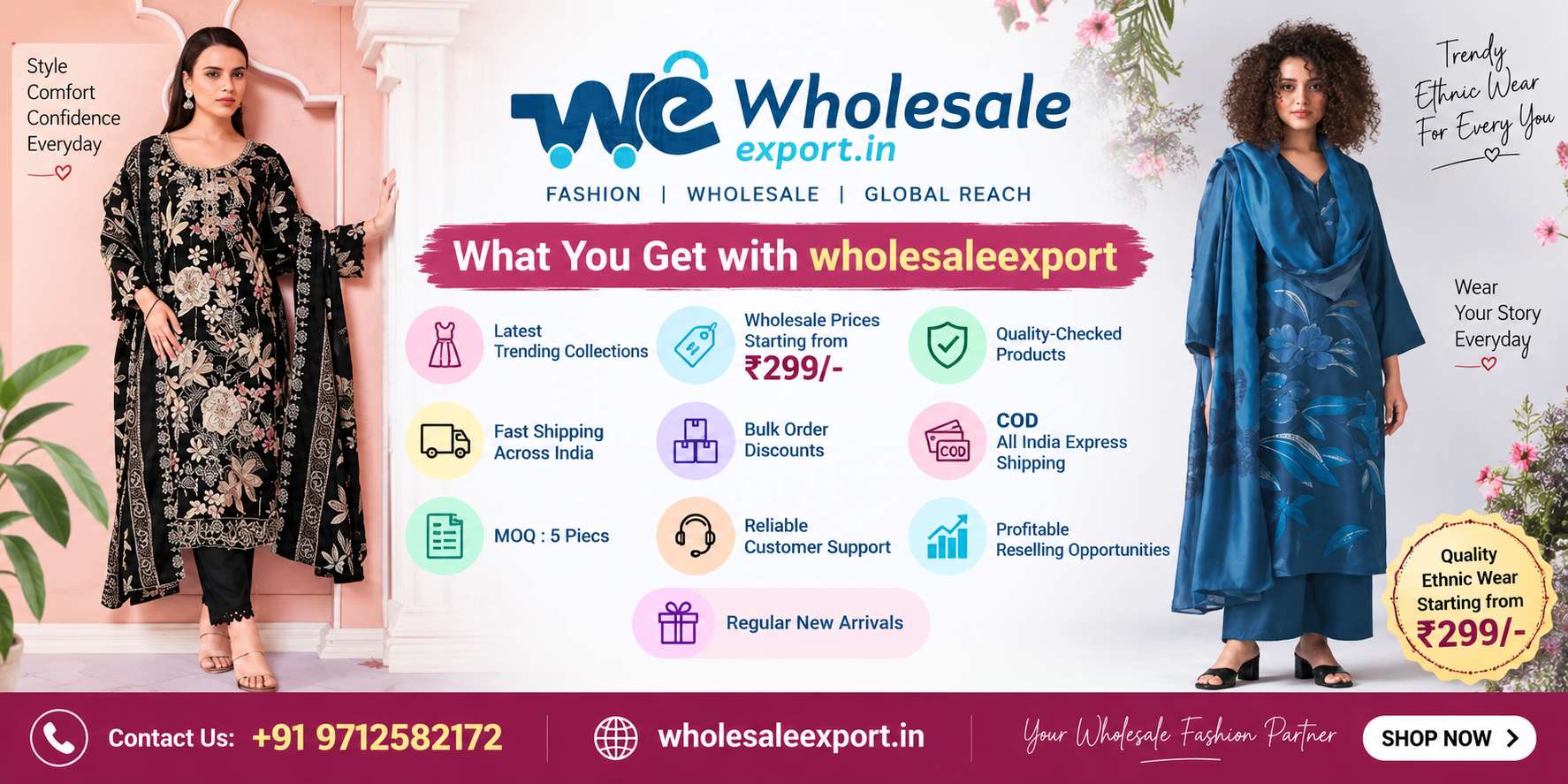
What You Get with Wholesaleexport:
- Latest Collections with regular new arrivals
- Wholesale Pricing for business buyers
- Trendy Ethnic Wear for different customer segments
- Fast Shipping for convenient order fulfilment
- COD Support on eligible orders
- Bulk Order Deals for larger purchasing requirements
- Quality Products Starting From ₹299
Build your inventory with fresh designs, practical fabrics and wholesale collections selected for today's ethnic wear market. Explore Wholesaleexport.in for new arrivals and sourcing options, and connect with the team for current collection availability, wholesale price details and bulk order requirements.
Contact Number: +91 9712582172
Website: wholesaleexport.in