


Dabu Print Kurti Wholesale: Traditional Printed Kurtis for Retailers & Resellers in 2026
Dabu Print Kurti Wholesale: Traditional Printed Kurtis for Retailers & Resellers in 2026
Traditional Indian prints continue to find a strong place in modern ethnic fashion, especially when buyers want something distinctive without moving away from comfortable everyday clothing. Dabu-inspired kurtis combine an artisanal visual character with practical silhouettes that work well for boutiques, retail stores, online sellers and wholesale businesses. For buyers planning their 2026 inventory, understanding designs, fabrics, sizes, sourcing and customer preferences can make the difference between simply stocking printed kurtis and building a collection that sells consistently.
Introduction
The Indian kurti market is extremely diverse. Customers can choose from digital prints, embroidery, floral designs, geometric patterns, hand-block-inspired styles, solids, festive pieces and contemporary co-ord sets. Yet traditional textile aesthetics continue to attract buyers because they offer an identity that mass-market fashion cannot always reproduce.
Dabu Print Kurti Wholesale is particularly relevant for businesses that want to combine traditional Indian styling with commercially wearable designs. Dabu is associated with Rajasthan's resist-printing tradition, where distinctive patterns and earthy visual effects create a handcrafted appearance. In today's wholesale fashion market, buyers may encounter both traditionally produced Dabu textiles and commercially manufactured Dabu-style or Dabu-inspired prints. Wholesale buyers should therefore confirm the actual printing technique and fabric specification with the supplier rather than assuming every similar-looking design is handmade.
This distinction is useful for shop owners and boutique owners because customers increasingly ask questions about fabric, printing technique, washing instructions and product origin. Accurate product descriptions help retailers build trust while positioning different collections at suitable price points.
Wholesaleexport.in focuses on helping buyers discover ethnic-wear collections suitable for different selling models, including physical retail stores, boutiques, showrooms, home-based businesses and online reselling. The objective is not simply to offer variety, but to help wholesale buyers source styles that can fit their target market and budget.
Why Dabu Print Kurtis Remain Relevant in 2026
Fashion trends move quickly, but traditional prints have an advantage: they can be refreshed through new silhouettes, colour combinations and styling without losing their core identity. A classic printed fabric can appear completely different when used in a straight kurti, A-line kurta, kurti-pant set, flared silhouette or contemporary co-ord set.
This flexibility gives Dabu printed kurtis potential across multiple customer segments. A working professional may choose a subtle printed kurti for office wear, while another buyer may prefer a coordinated set for casual outings. Boutique customers may look for more detailed patterns and distinctive cuts, whereas value-conscious retail customers may prioritize comfortable fabrics and practical pricing.
Traditional Appeal with Modern Styling
One reason traditional printed kurtis continue to work commercially is that they are easy to style. Customers can pair them with straight pants, palazzos, leggings, denim, skirts or dupattas depending on the design. Retailers can therefore merchandise the same broad category for everyday wear, office wear, college wear and casual occasions.
For 2026 collections, buyers can look beyond only one silhouette. Straight kurtis remain commercially important, but coordinated bottoms, relaxed fits, three-piece sets, short kurtis and contemporary ethnic combinations can help create a more complete assortment.
Colour Palettes That Complement Dabu-Inspired Designs
Indigo, navy, black, rust, maroon, beige, off-white and earthy tones are commonly associated with traditional block-print aesthetics. However, modern fashion collections can introduce brighter shades, contrasting borders and contemporary colour combinations.
A wholesale assortment usually benefits from variety rather than depending entirely on one colour family. Retail buyers can consider a balanced mix of darker shades, neutral combinations and selected brighter options according to their local customer preferences.
Who Can Buy Dabu Print Kurtis in Wholesale?
The wholesale market is no longer limited to large distributors. Digital catalogues, online ordering and improved logistics have made wholesale sourcing accessible to businesses operating at very different scales.
Boutique Owners
Boutiques generally benefit from products that have a recognisable visual identity. Dabu print kurtis can be presented as part of a traditional-print, Rajasthan-inspired, handcrafted-look or everyday ethnic collection, depending on the actual product characteristics.
Boutique buyers should pay attention to fabric feel, finishing, stitching, neckline treatment and print placement. Customers shopping in boutiques often notice these details more closely than customers buying primarily on price.
Retail Shop and Showroom Owners
Retailers normally need a broader inventory strategy. Instead of selecting only statement pieces, they may require multiple designs at different price levels. A combination of basic printed kurtis and more detailed kurti sets can help cover a wider customer base.
Retailers sourcing from the surat textile market can access a large ecosystem of garment manufacturers, suppliers and wholesalers. Surat's Ring Road textile belt and commercial areas around Sahara Darwaza are widely connected with the city's textile trade, making the city an important sourcing centre for Indian ethnic wear.
Home-Based Sellers and Resellers
Home-based sellers often work differently from traditional retailers. Many sell through WhatsApp, Instagram, Facebook or their personal customer network. For this model, attractive product photographs, clearly mentioned sizes, transparent price information and frequent new arrivals can be particularly useful.
A manageable MOQ can also help newer resellers test customer response without committing too much capital to one design. Once a style starts generating repeat enquiries, the seller can increase quantity according to stock availability.
Wholesale Buyers and Distributors
Larger wholesale buyers usually focus more heavily on consistency, quantity availability, size ratios, repeat supply, packing and dispatch planning. They may also require collections suitable for supplying multiple retail locations.
For these buyers, comparing only the per-piece price is not enough. Product quality, replacement policies, dispatch reliability, packaging and the supplier's ability to handle larger quantities can materially affect the overall buying experience.
Popular Styles in Dabu Print Kurti Wholesale
A commercially useful assortment should give customers choices while still maintaining a clear collection identity. The following formats can be considered when sourcing Dabu Print Kurti Wholesale stock.
Straight Printed Kurtis
Straight kurtis are among the most versatile ethnic-wear formats. They can be worn for office, college, casual meetings, everyday shopping and relaxed social occasions. Their familiar silhouette also makes them easier for retailers to explain and sell.
A-Line and Flared Kurtis
A-line and lightly flared shapes can give traditional prints a more fashionable appearance. They can work particularly well for customers who want comfortable ethnic clothing without choosing a completely straight silhouette.
Kurti Pant Sets
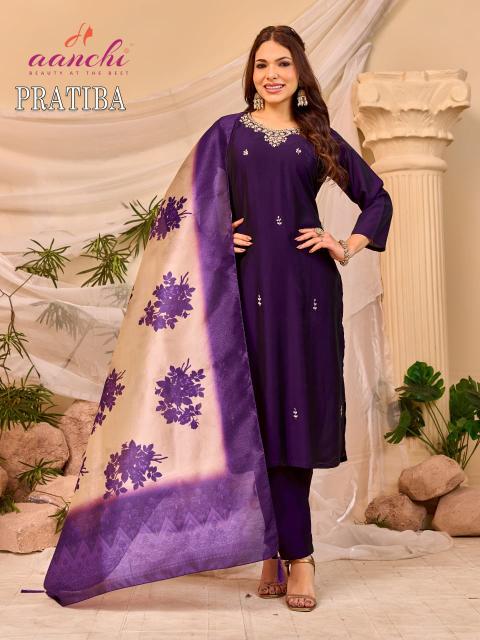
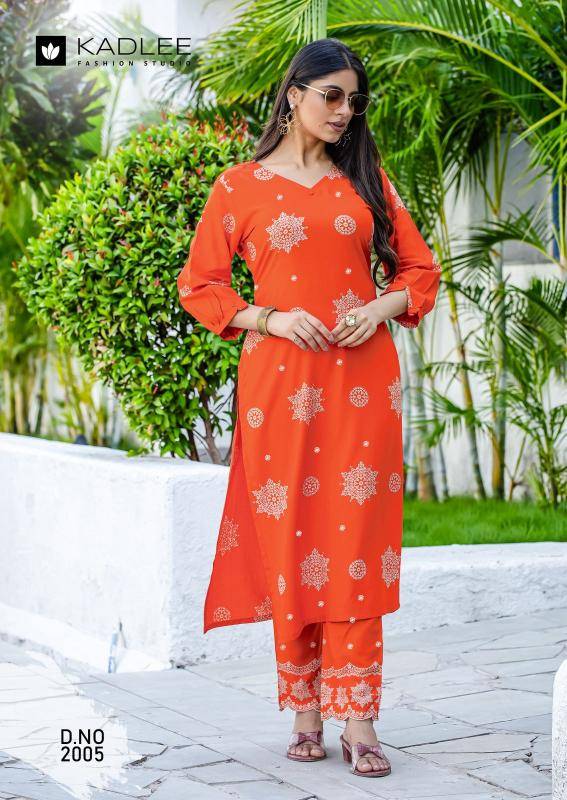
Ready combinations simplify the customer's buying decision. A coordinated kurti and pant set provides a complete look and can also give retailers an opportunity to sell at a different ticket size than a single kurti.
Three-Piece Ethnic Sets
Kurti, bottom and dupatta combinations are useful for buyers who want a more complete ethnic presentation. Printed dupattas, contrast borders and coordinated colour combinations can increase the visual appeal of such sets.
Contemporary Co-ord Styles
Traditional-print-inspired fabrics are also being adapted into more contemporary coordinates. For retailers targeting younger customers, a selective mix of ethnic co-ords alongside classic kurtis can help the collection appeal to multiple age groups.
Fabric Selection Matters in Wholesale Kurti Buying
Print is what customers notice first, but fabric is what they experience after buying. That makes fabric selection particularly important for repeat retail business.
Cotton and cotton-based fabrics are popular choices for printed everyday ethnic wear because customers often associate them with breathability and comfort. Depending on the collection, manufacturers may also use rayon, viscose, blends and other commercially suitable fabrics.
A wholesale buyer should verify the actual fabric composition instead of relying only on appearance. Two visually similar products may differ considerably in hand feel, thickness, fall, colour performance and care requirements.
Check Fabric Before Placing Large Orders
When possible, wholesale buyers should understand fabric GSM or thickness, shrinkage expectations, colour-care instructions and garment measurements. This becomes even more important when supplying customers in different climates or when purchasing large quantities.
For online resellers, accurate fabric descriptions can reduce confusion because the end customer cannot physically touch the product before ordering.
Dabu Print Kurti Wholesale Price and Buying Strategy
There is no single universal Dabu print kurti wholesale price. Pricing can change according to fabric, printing process, garment construction, work, size range, brand, quantity, season and whether the product is a single kurti or a complete set.
Buyers should therefore compare products on overall value instead of automatically selecting the lowest quotation. A slightly higher-priced garment with better fabric, stitching and presentation may generate better customer satisfaction and stronger repeat business.
Wholesaleexport.in carries Quality Products Starting From ₹299 across eligible collections, while the actual price of individual styles can vary. Buyers should check current catalogue pricing and availability before confirming orders because fashion inventory changes regularly.
Calculate Your Real Landed Cost
A reseller should consider more than the purchase price. Packaging, GST where applicable, transportation, payment costs and local delivery can affect the final landed cost. Export buyers may additionally need to consider international freight, documentation and destination-specific duties or taxes.
Calculating these expenses before deciding the selling price gives the business a clearer view of its potential margin.
Start with Variety and Scale What Sells
For smaller businesses, purchasing a reasonable variety of proven silhouettes can be more practical than putting the entire budget into one design. Customer response can then guide the next purchase.
This approach is particularly useful for home-based sellers and online resellers who can quickly share new catalogue images with customers and identify which colours or patterns generate the most enquiries.
Surat as a Sourcing Hub for Wholesale Kurtis
Surat has developed a large textile and garment ecosystem that connects fabric trading, processing, manufacturing, wholesale distribution and logistics. For businesses searching for ladies kurti wholesale suppliers, the city's scale provides access to numerous categories and price segments.
Commercial areas connected with the surat textile market, including Ring Road and the broader Sahara Darwaza textile zone, are familiar sourcing points for traders visiting the city. Buyers can find everything from everyday ethnic wear to premium collections depending on the supplier and market segment.
The advantage for remote buyers is that sourcing no longer necessarily requires repeated physical visits. Product catalogues, digital communication and shipping networks allow many wholesale orders to be managed remotely.
Wholesale Opportunities Beyond India
Indian ethnic wear also serves overseas communities and fashion businesses. For this collection, three markets worth considering from an export perspective are Nepal, Australia and Canada. The customer profile and preferred product mix can differ considerably between these markets, so exporters should avoid treating every destination identically.
Nepal
Nepal is geographically close to India and has an established customer base for Indian ethnic clothing. Retailers and boutiques can evaluate printed kurtis, kurti sets and seasonal ethnic styles according to their local clientele.
Australia
Australian buyers serving South Asian communities may require ethnic wear for everyday use, gatherings and seasonal celebrations. Lightweight printed styles can be considered alongside occasion-focused products to create a balanced catalogue.
Canada
Canada has a substantial South Asian consumer market, creating opportunities for boutiques and resellers dealing in Indian fashion. Export buyers should pay close attention to sizing, seasonality, shipping costs and inventory planning when building collections for Canadian customers.
For any international shipment, buyers should confirm current shipping arrangements, import requirements, taxes and documentation applicable to their destination before placing the final order.
Wholesale Experience Backed by Industry Knowledge
Wholesale clothing is a relationship-driven business. Buyers need regular new collections, transparent communication and dependable fulfilment in addition to attractive products. Vastralife brings wholesale and export experience since 2017, with practical exposure to the requirements of retailers, resellers, boutiques and wholesale buyers.
This industry experience supports the broader sourcing approach available through Wholesaleexport.in, where buyers can explore ethnic fashion categories according to their business requirements. Product selection focuses on commercially relevant designs, premium product quality across appropriate ranges and regular fashion updates.
As the market evolves in 2026, the ability to refresh stock quickly can become just as important as finding the right initial collection. Fashion sellers need suppliers who understand that customers continuously ask for something new.
What Buyers Should Check Before Ordering
Before purchasing Dabu Print Kurti Wholesale stock, buyers should review the product information carefully. Important points include fabric, size availability, garment measurements, set contents, colour options, minimum order quantity, wholesale price, dispatch schedule and current stock.
Buyers should also ask whether a design is produced using an authentic traditional Dabu process or is a commercially manufactured Dabu-inspired print when that distinction matters to their customers. This allows retailers to advertise the garment accurately.
Size Range
Size availability directly affects sales potential. Depending on the catalogue, buyers may prefer regular sizes, extended sizes or a combination. Shops serving a broad customer base should study previous sales before deciding their ideal size ratio.
Stitching and Finishing
Check neck finishing, seams, sleeve construction, bottom finishing, buttons, embellishments and overall garment consistency. These details influence how customers perceive quality once the garment is physically handled.
Current Stock Availability
Fast-moving fashion designs can sell out. Wholesale buyers should confirm availability close to the time of payment rather than assuming an older catalogue remains fully available.
Internal Links for More Wholesale Ethnic Wear
Buyers who want to compare additional everyday and fashion-forward styles can explore branded kurtis and build a broader assortment around printed, embroidered and contemporary ethnic designs.
Businesses serving family-focused stores can also explore kids wear wholesale collections to expand beyond women's ethnic fashion and create additional selling opportunities.
How to Sell Dabu Print Kurtis More Effectively
Good sourcing is only half the process. Presentation influences how quickly customers understand the product. Retailers should use clear full-length photographs and, where available, close-up images showing the print, neckline, sleeves and fabric texture.
Online sellers can mention key information such as fabric, available sizes, set contents, approximate measurements and care guidance in the same message as the product image. This reduces repetitive customer questions and makes the buying process easier.
Create Collections Instead of Random Posts
Rather than posting unrelated garments one after another, group products into themes such as everyday printed kurtis, office wear, traditional prints, kurti-pant sets or festive ethnic styles. Customers can then understand what your store specialises in.
Use Short Videos for Better Product Understanding
Videos can demonstrate fabric movement, overall length and garment fall more effectively than a single photograph. Boutique owners and online sellers can use short-form video content to present new arrivals and encourage catalogue enquiries.
Keep Pricing Clear
Whether the business displays retail prices publicly or provides them through enquiry, consistency matters. Calculate the required margin after considering the complete landed cost rather than simply applying the same markup to every product.
Customer FAQs
1. What is a Dabu print kurti?
A Dabu print kurti generally refers to a kurti featuring patterns associated with the traditional Dabu resist-printing aesthetic of Rajasthan. However, wholesale markets can include both traditionally produced textiles and commercially manufactured Dabu-inspired designs, so buyers should verify the production method if authenticity is important.
2. Where can I buy Dabu print kurtis wholesale?
Wholesale buyers can source printed kurtis through textile and garment suppliers in major manufacturing and trading centres such as Surat, as well as through online wholesale platforms such as Wholesaleexport.in. Always check current product specifications, MOQ and availability before ordering.
3. What is the minimum order quantity?
MOQ depends on the individual catalogue and product. Wholesaleexport.in offers selected wholesale opportunities with an MOQ starting from 5 pieces. Buyers should confirm the exact MOQ for the collection they want because some catalogues or bulk deals can have different quantity requirements.
4. Are Dabu print kurtis suitable for reselling online?
Yes. Their distinctive patterns can make them visually attractive for WhatsApp, Instagram, Facebook and ecommerce selling. Resellers should provide accurate fabric, size and product details and use clear images to help customers make informed purchases.
5. Can wholesale kurtis be shipped outside India?
Export options can be available depending on the destination, quantity and shipping arrangement. International buyers should confirm freight, documentation, applicable duties and destination-specific requirements before finalising an order.
Order Latest Wholesale Collections from Wholesaleexport.in
If you are a boutique owner, retailer, showroom owner, reseller, home-based seller or wholesale buyer looking to refresh your ethnic-wear inventory, Wholesaleexport.in gives you access to changing fashion collections designed for wholesale business requirements.
Explore Latest Collections, competitive Wholesale Pricing, Trendy Ethnic Wear and Quality Products Starting From ₹299. Buyers can also enquire about Fast Shipping, eligible COD Support, Bulk Order Deals and current MOQ options according to the selected catalogue.
For current stock, latest price, catalogue details and wholesale order assistance, contact our team before placing your order.
Contact Number: +91 9712582172
Website: wholesaleexport.in
Build your 2026 inventory with a thoughtful combination of traditional prints, wearable silhouettes and commercially relevant ethnic fashion. With Vastralife's wholesale and export experience since 2017 and access to regularly updated collections, buyers can source according to their own market, customer profile and business scale.
Building a Profitable Dabu Print Kurti Inventory
A successful wholesale purchase is not simply about finding attractive designs. Retailers need an inventory mix that matches their customer's spending capacity, preferred colours, size requirements and shopping occasions. When purchasing Dabu Print Kurti Wholesale collections, it is useful to divide the buying budget across different product levels instead of investing heavily in only one design.
Everyday printed kurtis can form the base of the collection because they are suitable for frequent use. Kurti-pant sets can create a slightly higher-value segment, while coordinated ethnic sets can serve customers looking for a complete outfit. This type of assortment gives shop owners and resellers more opportunities to convert enquiries across different budgets.
Balance Designs, Colours and Sizes
A wholesale catalogue may look attractive because it contains many prints, but actual retail performance often depends on how effectively the buyer selects the assortment. Neutral and traditional colours can be combined with a smaller number of brighter shades to provide variety without making the inventory difficult to manage.
Size planning is equally important. Retailers should study their previous sales and customer enquiries before deciding quantities. If customers regularly request larger sizes, maintaining an appropriate plus-size selection can prevent lost sales. Similarly, businesses serving younger customers may want more contemporary cuts alongside classic straight kurtis.
Plan Repeat Orders Around Actual Sales
Instead of assuming which designs will become bestsellers, sellers can track actual enquiries and sales. Record the designs, sizes, colours and price ranges that move fastest. This information makes subsequent wholesale buying more accurate and reduces unnecessary inventory.
For online sellers, WhatsApp responses, saved Instagram posts, direct messages and catalogue enquiries can also provide useful signals about customer interest even before all stock is sold.
Dabu Print Kurti Wholesale for Different Selling Channels
The same garment can perform differently depending on where it is sold. A boutique, marketplace seller, home-based reseller and traditional retail store may all need different presentation and pricing strategies.
For Physical Retail Stores
Physical stores have the advantage of allowing customers to see fabric and print details directly. Retailers can create a dedicated traditional-print section and display coordinated colours together. Pairing kurtis with matching bottoms, dupattas, jewellery or accessories can also help customers visualize a complete look.
Store owners should keep new arrivals visible rather than mixing every collection together. A clearly marked new-arrival section gives regular customers a reason to check the store frequently.
For Boutiques
Boutiques can focus more strongly on storytelling and styling. If the product is genuinely produced using a particular traditional process, the verified details can be explained to customers. Where a garment is Dabu-inspired rather than traditionally hand-produced, it should be described accurately as a Dabu-style or traditional-print-inspired design.
This transparent approach protects customer trust while allowing boutiques to highlight the visual character of the collection.
For WhatsApp and Social Media Resellers
Digital resellers need concise product information. Each catalogue post can include product name, fabric, available sizes, set contents, wholesale or retail price as applicable and ordering instructions. Avoid sending customers an image without enough information to make a decision.
Short videos can complement catalogue images by showing garment length, fabric movement and the overall appearance of the product. Regular posting also helps resellers maintain customer attention as new collections arrive.
Wholesale Buying for Seasonal and Festive Demand
Traditional printed fashion is not restricted to one season, but demand can change during festivals, holiday periods and regional shopping seasons. Retailers should therefore plan stock ahead of important selling periods rather than waiting until demand has already peaked.
Lightweight printed kurtis can work well as everyday inventory, while coordinated sets and more detailed styles can be introduced for festive shopping. A mixed assortment allows retailers to continue selling after the festival period instead of being left with products that are useful only for one occasion.
Buy Early for Major Sales Periods
Popular designs can move quickly during peak seasons. Wholesale buyers planning larger quantities should communicate with suppliers early enough to understand stock position, dispatch schedules and possible replenishment.
For businesses outside Surat, shipping time should also be included in inventory planning. International buyers need an additional buffer for freight, customs processing and local delivery.
Quality Checks Before Dispatch
Quality is especially important when the buyer is ordering remotely. Before purchasing larger quantities, understand what the catalogue contains and confirm important specifications with the supplier.
Printed garments should be evaluated for print appearance, fabric quality, stitching, garment measurements and finishing. Buyers should also understand that colours can appear slightly different across mobile phones and computer screens because of display settings and photography conditions.
Check Product Specifications Carefully
Wholesale buyers should confirm whether the listed price is for a single kurti, a kurti-bottom combination or a complete set. Fabric information should also be reviewed for each component because a kurti, bottom and dupatta may use different materials.
When ordering for resale, retain the supplier's product specifications so that the same information can be communicated accurately to customers.
Understand Care Requirements
Printed textiles may have specific washing and care requirements depending on the fabric and printing process. Retailers should pass verified care instructions to the end customer whenever they are available. This can improve the post-purchase experience and reduce avoidable complaints.
Why Regular New Arrivals Matter in the Kurti Business
Fashion customers often return to the same seller when they know new products are added regularly. This is particularly relevant for WhatsApp sellers, boutiques and ethnic-wear retailers whose customers frequently ask for fresh designs.
Wholesaleexport.in helps buyers explore changing ethnic-wear selections so businesses can refresh their inventory instead of depending entirely on old stock. Regular purchasing does not necessarily mean placing very large orders every time. For many smaller sellers, frequent carefully selected purchases can be more practical.
Vastralife's wholesale and export experience since 2017 also provides an understanding of how differently a reseller, boutique owner and larger wholesale buyer may approach stock selection. The goal is to match purchasing decisions with the buyer's actual business model.
Customer FAQs
1. Is Dabu print suitable for everyday kurti collections?
Yes. Dabu-inspired patterns can work particularly well for everyday and casual ethnic wear when combined with comfortable fabrics and practical silhouettes. The suitability of an individual garment will depend on its fabric, construction and styling.
2. What should I check before buying Dabu Print Kurti Wholesale stock?
Check fabric, sizes, measurements, colour options, set contents, MOQ, current price, stock availability and dispatch details. If the traditional printing technique is important to your customers, also verify whether the garment uses authentic Dabu processing or a commercially produced Dabu-inspired print.
3. Can home-based sellers start with a smaller wholesale quantity?
MOQ varies by catalogue. Selected collections may allow buyers to begin with manageable quantities, while other catalogues and bulk deals can require larger purchases. Confirm the current MOQ before ordering.
4. Can I order printed kurtis for my boutique outside India?
International wholesale and export enquiries can be handled according to destination, order quantity and available shipping arrangements. Buyers in markets such as Nepal, Australia and Canada should confirm freight, documentation and destination charges before finalizing their purchase.
5. How can I know the latest wholesale price?
Fashion inventory and catalogue availability can change, so the most reliable approach is to check the current catalogue or contact the wholesale team. This ensures you receive the applicable price and stock information for the designs you want to purchase.
6. Are Dabu print kurtis suitable for boutiques as well as mass retail?
They can be suitable for both, but the product selection may differ. Boutiques may prefer distinctive prints, premium fabrics and detailed styling, while high-volume retailers may prioritize wearable designs, broader size availability and competitive pricing.
7. What fabrics are available in printed kurti collections?
Fabric depends on the individual catalogue. Cotton, rayon, viscose and blended fabrics may be used across different printed collections. Buyers should rely on the specification of the particular product rather than assuming the fabric from its photograph.
8. Can wholesale buyers request bulk order deals?
Bulk buying opportunities can depend on the product, available quantity and catalogue. Buyers planning larger orders can contact the team with their required styles and quantities to check current bulk-order options.
Internal Linking Section
Retailers who want to expand beyond traditional prints can browse branded kurtis to compare additional styles, fabrics and contemporary ethnic-wear options suitable for different customer segments.
Businesses developing a broader family-fashion inventory can also explore kids wear wholesale options and add another category to their retail or reselling business.
Grow Your Ethnic Wear Business with Wholesaleexport.in
For home-based sellers, shop owners, boutique owners, showroom owners, resellers and wholesale buyers, the right inventory should combine fashion appeal, practical pricing and dependable sourcing. Wholesaleexport.in provides access to changing ethnic-wear collections for businesses looking to purchase according to their market and customer requirements.
Explore Latest Collections, Wholesale Pricing, Trendy Ethnic Wear, Fast Shipping, eligible COD Support, Bulk Order Deals and Quality Products Starting From ₹299. Product prices, MOQ, COD eligibility and stock can vary by catalogue, so current details should be confirmed while ordering.
Whether you are purchasing from India or developing an export business, a carefully selected Dabu Print Kurti Wholesale assortment can add traditional visual appeal to a modern ethnic-wear inventory. Combine wearable designs with suitable sizes, reliable product information and regular new arrivals to build a collection that fits the expectations of your own customers.
Contact Number: +91 9712582172
Website: wholesaleexport.in
Contact the team for current catalogues, latest wholesale prices, available designs and bulk order assistance. With Vastralife's wholesale and export experience since 2017, buyers can explore collections backed by industry knowledge and a continuing focus on quality, variety and wholesale business requirements.