


Dabu Print Dress Material Wholesale: Traditional Hand-Block Styles for 2026
Dabu Print Dress Material Wholesale: Traditional Hand-Block Styles for 2026
Indian textile traditions continue to influence modern ethnic fashion, and resist-printed fabrics are finding a fresh audience among customers who value handcrafted character, earthy colours and wearable designs. From everyday cotton suits to boutique-ready coordinated sets, these textiles give retailers an opportunity to offer something that feels traditional without looking outdated.
Introduction
Dabu Print Dress Material has a distinctive identity in the Indian ethnic wear market. Recognised for resist-printing effects, handcrafted-looking motifs and naturally inspired colour combinations, Dabu-style fabrics work beautifully for salwar suits, kurtis, straight-cut suits, palazzo sets and customised boutique outfits. In 2026, buyers are increasingly looking beyond heavily embellished garments and showing interest in comfortable textiles that combine craft-inspired aesthetics with practical everyday styling.
For home-based sellers, shop owners, boutique owners, showroom owners, resellers and wholesale buyers, this creates an interesting commercial category. The same collection can appeal to customers searching for traditional Indian clothing, cotton dress material, ethnic printed suits, summer wear and understated festive fashion. A well-selected assortment can therefore serve several customer segments instead of depending on a single occasion.
The wholesale side is equally important. Retailers need designs that look attractive on social media and catalogue images but are also easy to sell at practical price points. Fabric quality, colour combinations, print clarity, dupatta coordination and repeat availability can all influence whether a collection becomes a dependable seller.
What Makes Dabu Print Different?
Dabu is associated with a traditional resist-printing process in which selected areas of fabric are protected before dyeing, creating contrasting patterns after processing. Contemporary commercial collections may interpret this visual language in different ways, but the appeal remains connected to irregular handcrafted character, traditional motifs and rich surface depth.
Traditional Character with Modern Wearability
The biggest strength of Dabu printed dress material is its ability to feel rooted in Indian textile culture while remaining suitable for modern wardrobes. Geometric forms, floral motifs, butis, border patterns and repeated traditional elements can be combined with straight silhouettes, relaxed kurtas and contemporary bottoms.
This makes the category useful for boutiques that want an artisanal appearance without limiting themselves to highly ceremonial clothing. Customers can wear these designs for work, casual outings, family gatherings, small functions, travel and everyday use.
Colour Stories That Stand Out
Indigo, black, rust, maroon, beige, brown and off-white are commonly associated with craft-inspired printed textiles. However, the 2026 market also leaves room for softer pastels, muted greens, dusty pinks and contemporary colour combinations. Retailers can build a balanced range by keeping classic shades alongside a smaller selection of trend-led colours.
For online resellers, colour variety is particularly useful because multiple shades create more catalogue content from a single product category. Instead of competing only on design, sellers can present the collection according to customer preference, season and occasion.
Dabu Print Dress Material Trends for 2026
The ethnic wear market in 2026 is increasingly influenced by comfort, visual individuality and versatile styling. Buyers want outfits that can move between casual and semi-formal occasions. This benefits Dabu Print Dress Material because its visual appeal comes primarily from the textile itself rather than excessive ornamentation.
Indigo and Earth-Tone Collections
Indigo-inspired palettes remain important because they instantly communicate a handcrafted Indian aesthetic. Rust, mustard, earthy brown and natural beige provide complementary options. Wholesale buyers can combine these colours into coordinated catalogues that look consistent while still offering enough variety to encourage multiple purchases.
Minimal Prints for Everyday Wear
Not every customer wants a bold all-over pattern. Small motifs, restrained borders and cleaner layouts are practical for office wear and everyday clothing. These designs can be particularly useful for retailers serving working women and customers who prefer subtle ethnic fashion.
Statement Dupattas
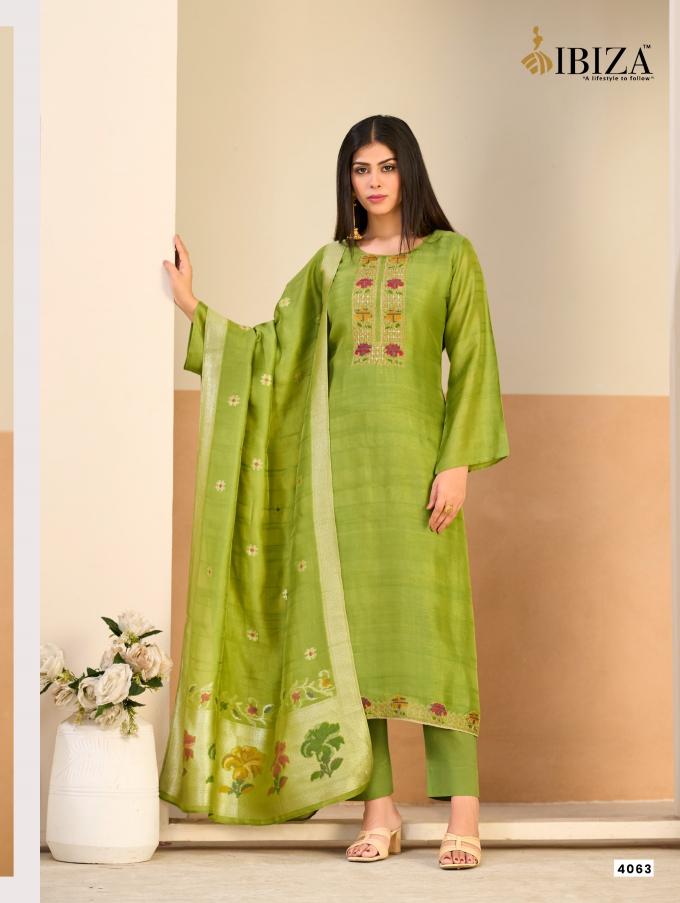
A comparatively simple kurta fabric paired with a more detailed dupatta can create a stronger perceived value. For retailers, this combination makes product photography more attractive and gives sales staff an easy styling point to explain to customers. Printed dupattas, coordinated borders and complementary colour contrasts can turn basic cotton dress material into a more complete-looking outfit.
Best Fabrics for Dabu Style Dress Materials
Print alone does not determine customer satisfaction. Fabric selection influences comfort, drape, durability and the final stitched appearance. Wholesale buyers should therefore consider how a fabric will actually be used rather than choosing only from catalogue photographs.
Cotton Dress Material
Cotton remains one of the most practical choices for Indian weather. Breathability, ease of stitching and everyday comfort make cotton dress material wholesale collections suitable for retailers targeting regular-use customers. Cotton-based printed suits can work well across warm regions and remain commercially relevant for much of the year.
Retailers should pay attention to fabric feel, transparency, colour finish and expected shrinkage. A slightly higher-quality base fabric may justify a better retail price and can improve repeat purchases when customers are satisfied after washing and wearing the garment.
Chanderi and Blended Fabrics
For customers seeking a dressier finish, Chanderi-style and blended fabrics can introduce a subtle sheen and lighter drape. These are useful when traditional prints are being positioned for festive occasions, gifting or boutique collections. Blended fabrics can also help wholesalers offer different price levels within the same visual trend.
Handloom-Inspired Textures
Textured surfaces can complement the irregular beauty associated with handcrafted prints. Handloom-inspired dress materials appeal to buyers who want clothing with visible textile character rather than a perfectly uniform mill-finished appearance. Such collections can be positioned as premium casual ethnic wear when the overall fabric and finishing support that presentation.
Why Dabu Print Can Be a Useful Wholesale Category
A successful wholesale category needs more than attractive designs. It should offer clear customer positioning, reasonable stock rotation potential and enough variation for sellers to refresh their displays. Dabu Print Dress Material wholesale can meet these needs because the look is recognisable while individual motifs, fabrics and colours can change from catalogue to catalogue.
Home-based sellers can market these designs through WhatsApp, Instagram and customer groups without maintaining a large physical showroom. Boutique owners can use unstitched materials for customised silhouettes, while shop and showroom owners can display coordinated colour stories together. Wholesale buyers can also mix traditional printed materials with more contemporary ethnic products to create a broader assortment.
Good Potential for Resellers
Resellers often need products that customers can understand quickly from images. Printed dress materials have an advantage because colour, pattern and dupatta coordination are immediately visible. Clear product photographs, fabric information and accurate descriptions can help reduce uncertainty during online selling.
A reseller can also target different search intents such as printed salwar suit material, ethnic dress material, cotton suit material, traditional print fabric, unstitched suits wholesale and boutique dress material. This expands the commercial reach of a single product category without forcing unnatural keyword repetition.
Useful for Boutique Customisation
Boutiques can transform the same fabric into different looks through necklines, sleeve styles, pant shapes, kurta lengths and finishing details. Straight pants create a contemporary appearance, while palazzos can make the outfit more relaxed. Traditional salwar styling can preserve a classic identity.
This flexibility is valuable because boutiques do not have to compete only on the original fabric price. Tailoring, styling and personalised finishing allow them to add value and create a more distinctive final product.
Understanding Wholesale Price and Buying Decisions
The Dabu print dress material price can vary according to fabric construction, printing method, finishing, dupatta type, design complexity, brand positioning and order quantity. Buyers should therefore avoid comparing two products solely on the lowest quoted rate. A cheaper fabric that produces complaints or weak repeat sales may ultimately be less profitable than a better-finished product at a slightly higher wholesale cost.
When sourcing for 2026, retailers should evaluate the complete commercial equation: purchase price, transportation, GST where applicable, packaging, expected selling price and likely stock movement. The right product is usually the one that creates a workable margin while remaining attractive to the target customer.
Surat as a Major Sourcing Hub
The surat textile market remains an important sourcing ecosystem for Indian ethnic wear because buyers can access a broad mix of manufacturers, wholesalers, suppliers and distributors. Areas around Ring Road and Sahara Darwaza are widely associated with Surat's textile trade, making the city relevant for buyers searching for dress materials, sarees, kurtis, suits and other women's clothing categories.
Surat's strength also comes from its large manufacturing and trading network. Wholesale buyers can compare different fabric qualities, catalogue styles and price segments while building a broader inventory instead of depending on a single product type.
Building a Profitable Dabu Print Assortment
For buyers ordering online, Wholesaleexport.in provides access to ethnic wear categories suitable for different retail models. A retailer exploring wholesale dress materials can compare designs intended for everyday, boutique and occasion-led selling. Sellers who want to expand beyond unstitched products can also explore the kurti wholesale market category to create a more varied inventory.
A practical assortment does not require dozens of similar designs. Buyers can begin with a combination of classic indigo or earthy patterns, lighter everyday colours, a few premium-looking designs and selected statement pieces. This creates variety without concentrating too much capital in one style.
Stock for Different Customer Budgets
A healthy product mix can include entry-level, mid-range and premium selections. Entry-level products attract price-conscious customers and resellers, while better fabrics and more detailed sets can serve boutique and showroom buyers. Keeping several price points also allows sales teams to offer alternatives instead of losing a customer whose initial selection is outside budget.
Wholesaleexport.in can be used by buyers looking for online wholesale sourcing without restricting the assortment to one fashion segment. This is useful for businesses that want to combine traditional printed suits with seasonal and trending ethnic wear.
Order According to Your Selling Channel
A physical shop can benefit from touch-and-feel fabrics and broader colour depth, whereas online sellers should prioritise visually clear designs that photograph well. Boutique owners may prefer more distinctive fabrics that support customised stitching. Showroom owners can build coordinated displays using multiple styles at different price points.
The buying strategy should therefore match the final sales channel. A design that performs strongly in a boutique may not necessarily be the highest-volume item for a home-based WhatsApp reseller, and vice versa.
Export Opportunity for Indian Printed Dress Materials
Indian ethnic wear also has an international customer base. Retailers and importers serving communities in USA, Australia and Nepal can include traditional printed dress materials in broader South Asian fashion assortments. Demand can vary by region, season and customer profile, so export buyers should choose fabrics and styles according to their own market rather than assuming one collection will perform identically everywhere.
For export orders, product specifications become especially important. Buyers should confirm fabric details, catalogue quantity, packaging, shipping arrangements and other order terms before finalising bulk purchases. Accurate product communication reduces misunderstandings when buyer and supplier are operating in different countries.
Vastralife brings wholesale and export experience since 2017, along with industry knowledge developed through serving buyers across different ethnic wear categories. That experience supports a practical understanding of what wholesale buyers usually require: consistent communication, current collections, dependable product quality and commercially workable choices.
How Retailers Can Market Dabu Print in 2026
Having good stock is only half of the process. Retailers also need to communicate why the product is worth buying. Instead of posting only a catalogue number and price, explain the fabric, print character, styling possibilities and suitable occasions.
Use Educational Product Content
Customers are more likely to engage when sellers explain what makes a textile different. Short videos can show fabric movement, print details, dupatta patterns and possible stitching styles. Captions can include useful phrases such as traditional Indian print, breathable ethnic wear, boutique suit material and everyday cotton suit rather than relying only on generic promotional language.
Create Complete Styling Ideas
Show customers how the unstitched material could look after tailoring. Suggest straight pants, palazzos, cigarette trousers or traditional salwars according to the design. Jewellery, footwear and bag suggestions can also help customers imagine the complete outfit.
Use Seasonal Merchandising
Lightweight cotton-oriented collections can be promoted for warmer months, while deeper colours and richer dupattas can be highlighted around festive periods. Retailers should refresh product presentation even when the underlying category remains available throughout the year.
This approach makes Dabu Print Dress Material a continuing category rather than a one-time trend. New colours, motifs and fabric combinations can keep the assortment fresh throughout 2026.
Choosing the Right Dabu Print Dress Material for Your Customers
Wholesale purchasing becomes more profitable when selection is based on the actual customer profile rather than simply choosing every new design. A home-based seller may need affordable and visually attractive designs that can be promoted easily through WhatsApp or social media. A boutique owner may prefer distinctive patterns and better fabrics that can be converted into customised outfits, while a large showroom may require greater colour and price variety.
For everyday customers, breathable fabrics, manageable prints and versatile colours usually make the product easier to wear repeatedly. For customers purchasing for festive gatherings or gifting, richer dupattas, detailed borders and more elaborate colour combinations can create stronger visual value. Understanding these differences helps buyers create an assortment where each design has a clear purpose.
Check Fabric Quality Before Focusing Only on Price
Wholesale price matters, but fabric quality influences the customer's experience after purchase. Buyers should consider texture, fabric weight, print clarity, finishing, colour appearance and the overall coordination between the top, bottom and dupatta. When purchasing larger quantities, knowing these details becomes even more important because a small quality issue can affect multiple pieces.
Premium product quality does not necessarily mean stocking only expensive collections. It means selecting products whose quality is appropriate for their selling price. A value-oriented dress material can still be commercially strong when its fabric, print and finishing meet customer expectations.
Build Colour Variety Without Overloading Inventory
Instead of buying too many similar designs, retailers can build depth through carefully selected colour stories. Indigo and black can represent classic Dabu-inspired aesthetics, earthy shades can appeal to traditional buyers, and contemporary colours can attract younger customers. This strategy creates visual variety while keeping inventory manageable.
For resellers, mixed collections can also make catalogue sharing more effective. Customers scrolling through a WhatsApp catalogue or social media post are more likely to notice a collection when consecutive products do not look identical.
Who Can Sell Dabu Print Dress Materials?
The versatility of Dabu Print Dress Material makes it suitable for several business models. It can be sold as unstitched fabric, transformed into boutique garments or promoted as part of a larger ethnic wear collection. The ideal merchandising approach depends on how the seller interacts with customers.
Home-Based Sellers and Resellers
Home-based businesses can start with a controlled quantity and share new arrivals digitally. Product images, fabric details, available colours and transparent pricing help customers make decisions remotely. Sellers can also create short styling videos explaining how a particular material can be stitched.
For resellers, regular new arrivals are useful because they create reasons to reconnect with existing customers. Rather than sending the same products repeatedly, sellers can rotate cotton suits, printed dress materials, festive collections and other trending ethnic wear.
Boutique Owners
Boutiques have the advantage of customisation. A traditional printed fabric can be converted into an A-line kurta, straight suit, asymmetric design, kurta-palazzo combination or another contemporary silhouette. Adding thoughtful piping, handmade buttons or coordinated borders can further differentiate the finished garment.
This creates an opportunity to sell design expertise rather than competing solely on the raw material price. Customers who appreciate personalised clothing may be willing to pay more for a finished outfit that feels unique.
Shop and Showroom Owners
Physical retailers can organise Dabu-inspired collections by colour, fabric or price range. Displaying one stitched sample alongside unstitched sets can help customers understand the finished appearance. Staff can then explain alternative stitching possibilities and recommend coordinating accessories.
Wholesale buyers supplying multiple retailers can take a broader approach by maintaining different catalogue ranges. This allows them to serve both budget-focused shops and boutiques seeking more premium products.
Internal Linking and Related Wholesale Categories
A dress material buyer does not have to build the entire business around a single print style. Customers often purchase across multiple ethnic wear categories depending on season, occasion and budget. Traditional printed fabrics can therefore work alongside sarees, kurtis, Pakistani suits, co-ord sets and festive collections.
Wholesaleexport.in is designed around this broader wholesale requirement, allowing businesses to discover different women's ethnic wear options from one sourcing ecosystem. For retailers, combining evergreen categories with trend-led designs can help reduce dependence on a single fashion cycle.
When planning inventory, it is useful to separate products into everyday, festive, premium and seasonal groups. Such segmentation makes purchasing decisions easier and also improves customer communication because every collection can be promoted to the audience most likely to buy it.
Why Surat Matters for Wholesale Ethnic Wear Sourcing
Surat has developed a broad textile ecosystem covering fabric production, processing, trading, cataloguing and garment distribution. The surat textile market, particularly commercial areas connected with Ring Road and Sahara Darwaza, attracts buyers looking for a wide range of women's clothing and textile products.
This ecosystem gives wholesale buyers access to different price segments and fashion categories. A buyer may source everyday dress materials, designer suits, sarees, kurtis and festive products while working within the same larger textile market network. Such variety is valuable for retailers who want to refresh stock frequently.
The city's connection with textile manufacturing also supports faster movement of new designs into the wholesale market. Fashion preferences can change quickly, so retailers benefit from suppliers who regularly introduce new catalogues instead of depending entirely on old stock.
What Wholesale Buyers Should Confirm Before Ordering
Before placing a larger order, buyers should understand the product specifications and commercial terms. Fabric type, number of designs, colour assortment, catalogue quantity, wholesale price, availability and dispatch details should be clear. International buyers should additionally discuss shipping and export requirements relevant to their destination.
Product photographs should also be viewed as part of the buying process rather than the only factor. When available, fabric videos and close-up images can provide additional information about texture, print details and finishing.
Dabu Print Dress Material for International Ethnic Wear Markets
Traditional Indian textile aesthetics can also be marketed beyond India. Customers interested in South Asian fashion often appreciate products that communicate regional craft influence while remaining practical for modern use. This gives printed dress materials potential within specialised ethnic stores, boutiques and reseller networks abroad.
For buyers supplying the USA, lightweight printed suit materials can be included alongside other Indian ethnic products for everyday and cultural-event shopping. In Australia, versatile fabrics that can be styled for both casual and occasion wear can help retailers maintain a broader customer proposition. For Nepal, Indian ethnic fashion already forms part of a closely connected regional apparel market, allowing wholesalers to build assortments across suits, dress materials and other women's wear.
Export buyers should nevertheless choose inventory according to their own customer data. Climate, local fashion preferences, community demographics, retail price expectations and seasonal events can influence which colours and fabrics sell more effectively.
How to Improve Profitability with Dress Material Wholesale
Profitability is not simply the difference between purchase price and selling price. Unsold inventory, shipping, marketing, packaging and discounting all affect the final margin. A better purchasing strategy therefore focuses on stock rotation as much as initial cost.
Start with Controlled Quantities
When testing a new design direction, a controlled initial order can provide useful customer feedback. Sellers can identify which colours receive more enquiries, which price range converts better and whether customers prefer simple or detailed prints. Successful patterns can then influence future purchasing decisions.
Use New Arrivals to Generate Repeat Business
Regular customers need a reason to return. Fresh catalogues create that reason. Retailers can announce weekly or periodic arrivals through WhatsApp groups, social media reels, broadcast lists and direct customer follow-ups.
Instead of sending only product photographs, include concise information about fabric, price segment, suitable occasions and availability. Useful communication is more likely to generate serious enquiries than repetitive promotional messages.
Create Bundled Buying Opportunities
Wholesale buyers purchasing for a store can combine different product categories rather than relying entirely on one type of dress material. Everyday printed suits can be balanced with premium products and seasonal designs. This creates more opportunities for customers to find something within their preferred budget.
Wholesaleexport.in supports this type of multi-category sourcing approach, making it useful for businesses that want both regular-selling ethnic products and newer fashion collections.
Customer FAQs
1. What is Dabu Print Dress Material?
Dabu Print Dress Material refers to suit material inspired by the traditional resist-printing aesthetic associated with Dabu textiles. These designs commonly feature floral, geometric, buti and traditional motifs in earthy, indigo-inspired or contrasting colour combinations. The exact fabric and printing process can vary by product, so buyers should check individual product specifications before ordering.
2. Is Dabu printed dress material suitable for everyday wear?
Yes, especially when the collection uses comfortable cotton or other breathable fabrics. Simple printed designs can be stitched into office wear, casual suits, everyday kurtas and relaxed ethnic outfits. Fabric suitability should always be confirmed for the specific product being purchased.
3. Can boutique owners buy Dabu Print Dress Material wholesale?
Yes. Boutique owners can use unstitched printed materials to create customised kurtas, salwar suits, palazzo sets and other silhouettes. Custom stitching can also help boutiques differentiate their finished products from standard ready-made garments.
4. What affects the wholesale price of printed dress material?
The price can depend on fabric quality, printing, design complexity, dupatta fabric, finishing, catalogue quantity, brand and order volume. Buyers should compare overall product value rather than judging collections only by the lowest rate.
5. Can wholesale dress materials be supplied for export?
Export availability depends on the specific order, destination and shipping arrangements. International wholesale buyers should confirm product quantity, payment terms, packaging, dispatch method and applicable shipping details before finalising an order.
6. Is this category suitable for home-based resellers?
Yes. Dress materials can work well for home-based sellers because they can be promoted through product images, videos, WhatsApp catalogues and social media. Sellers should provide accurate fabric and product information so customers know what they are purchasing.
7. Which colours should retailers stock for 2026?
Classic indigo, black, rust, maroon, beige and earthy shades can provide a traditional base, while selected greens, pinks and softer contemporary colours can broaden the range. The ideal mix should ultimately reflect the retailer's own customer preferences.
Why Source Ethnic Wear Through Wholesaleexport.in?
Wholesale buyers increasingly want convenience alongside product variety. Instead of spending time coordinating with many disconnected sources, online wholesale discovery can help retailers compare current collections and plan inventory more efficiently.
Wholesaleexport.in serves businesses looking for women's ethnic wear across different categories and price segments. Combined with Vastralife's wholesale and export experience since 2017, the focus is on industry expertise, current collections and premium product quality suitable for professional buyers.
The platform is relevant for home-based sellers beginning with smaller inventories as well as established shop owners, boutique owners, showroom operators, resellers and wholesale buyers looking to expand their existing assortment.
Order Latest Wholesale Collections
If you are building or expanding your ethnic wear business in 2026, explore collections that balance fashion appeal, practical pricing and customer demand. Along with Dabu Print Dress Material, buyers can discover a wider range of products for different seasons, occasions and customer budgets.
What You Get with Wholesaleexport.in:
- Latest Collections for changing ethnic wear trends
- Wholesale Pricing for retailers, resellers and bulk buyers
- Trendy Ethnic Wear across multiple product categories
- Fast Shipping for convenient order fulfilment
- COD Support on eligible orders and locations, subject to applicable order terms
- Bulk Order Deals for wholesale purchasing requirements
- Quality Products Starting From ₹299 across eligible collections
Whether you sell through a physical shop, boutique, showroom, WhatsApp, social media or your own online store, the right wholesale assortment can help you offer customers more choice while keeping your inventory commercially focused.
Contact: +91 9712582172
Website: wholesaleexport.in
Explore the latest collections, compare wholesale options and choose products according to your target market, budget and customer demand. With thoughtful buying, consistent product presentation and regular new arrivals, traditional printed textiles can remain a valuable part of a profitable ethnic wear business throughout 2026 and beyond.