


Cotton vs Lawn Dress Material Comparison: Best Wholesale Fabric Guide 2026
Cotton vs Lawn Dress Material Comparison: Best Wholesale Fabric Guide 2026
Choosing between cotton and lawn can directly influence customer satisfaction, inventory movement, and retail positioning in an ethnic wear business. Although both fabrics are strongly associated with comfortable clothing, they differ in texture, weight, appearance, styling possibilities, seasonal suitability, and customer expectations. Understanding these differences allows retailers and resellers to build collections that match their market instead of purchasing stock only because a fabric is currently popular.
Introduction
The cotton vs lawn dress material comparison has become increasingly relevant for Home-Based Sellers, Shop Owners, Boutique Owners, Showroom Owners, Resellers, and Wholesale Buyers looking for comfortable yet commercially attractive ethnic wear. Both categories can perform well, but they do not necessarily serve exactly the same customer.
Cotton is one of the most familiar textile choices in India. It is widely associated with breathable clothing, daily wear, office wear, traditional prints, summer outfits, and practical ethnic fashion. The term covers a broad family of fabrics, which means cotton dress materials can range from simple everyday products to sophisticated premium collections.
Lawn, meanwhile, is generally known for its fine, lightweight, smooth construction. It has become particularly popular in stylish summer suits and Pakistani-inspired ethnic fashion. Attractive digital prints, coordinated dupattas, delicate embroidery, and elegant colour palettes have helped lawn dress materials gain attention among customers who want comfort without sacrificing presentation.
For wholesale buyers, the important question is therefore not simply whether cotton or lawn is better. The more useful question is which fabric is better for a specific customer group, climate, occasion, retail price range, and business strategy.
Wholesaleexport.in helps professional buyers explore ethnic wear collections across different fabrics and designs. Supported by Vastralife’s wholesale and export experience since 2017, the business combines textile industry expertise with a focus on commercially relevant collections and premium product quality.
What Is Cotton Dress Material?
Cotton dress material refers broadly to unstitched or semi-stitched suit material where cotton or a cotton-based fabric forms an important part of the product. Depending on the collection, a set may include kurta fabric, bottom fabric, and a coordinated dupatta.
One reason cotton remains commercially important is its versatility. Different weaving, printing, finishing, and blending techniques can create products suitable for daily wear, office fashion, casual outings, traditional occasions, and even premium ethnic styling.
Printed cotton suits can target budget-conscious customers, while higher-quality fabrics combined with distinctive prints, embroidery, woven dupattas, or premium finishing can be positioned at higher retail price points.
Common Characteristics of Cotton Dress Materials
Cotton is generally valued for comfort, breathability, familiarity, and suitability for warm conditions. The exact texture, transparency, weight, shrinkage, and softness can vary considerably depending on fabric construction and processing.
From a retail perspective, this variety is useful. A seller can maintain several cotton-based collections without making the assortment look repetitive. Floral prints, Ikkat-inspired designs, block-print looks, geometric patterns, traditional motifs, stripes, checks, embroidery, and coordinated dupattas can all create distinct merchandise.
What Is Lawn Dress Material?
Lawn dress material is generally associated with a fine, lightweight, closely woven fabric that offers a smooth and comfortable feel. Cotton lawn is especially popular for warm-weather clothing because it combines the natural appeal of cotton with a comparatively refined and lightweight construction.
Lawn has developed a strong fashion identity through printed and embroidered suit collections. Pakistani-style lawn suits in particular have increased awareness of the fabric among ethnic wear customers in India and other markets.
Modern lawn collections may feature digital prints, floral compositions, neckline detailing, embroidery, borders, coordinated trousers, chiffon or printed dupattas, and sophisticated colour combinations. This makes the category relevant not only for everyday summer wear but also for semi-formal fashion.
Why Lawn Has Become Popular with Fashion Buyers
Customers increasingly want ethnic wear that looks polished while remaining comfortable. Lawn can address this requirement because it is generally lightweight and can support detailed prints particularly well.
For Boutique Owners and online Resellers, another advantage is visual presentation. Elaborate floral layouts and coordinated suit combinations can photograph attractively for catalogues, websites, WhatsApp sharing, and social media marketing.
Cotton vs Lawn Dress Material Comparison at a Glance
When making a cotton vs lawn dress material comparison, buyers should evaluate fabric construction rather than relying only on the category name. Cotton represents a broad fibre and fabric family, while lawn describes a particular lightweight, fine fabric construction that is often made using cotton.
In practical retail terms, regular cotton collections often provide greater variety in weight, texture, weaving style, and traditional appearance. Lawn generally focuses more strongly on lightweight comfort, smoothness, refined prints, and summer-friendly fashion.
Neither category is automatically superior. A customer looking for traditional everyday cotton may prefer a textured cotton suit, while someone seeking a lightweight premium printed summer outfit may choose lawn.
Fabric Feel
Regular cotton can feel crisp, soft, textured, or slightly structured depending on the weave and finishing. Lawn generally has a finer and smoother feel. Customers who prioritize a lightweight outfit may therefore find lawn particularly attractive.
Breathability
Both categories can work well for warm weather when the product is genuinely made from breathable cotton-based fabric. However, fabric density, finishing, lining, embroidery, and blends can affect actual comfort. Retailers should therefore evaluate the individual product rather than make absolute claims based only on its name.
Appearance
Cotton can provide everything from rustic handloom-inspired aesthetics to polished contemporary prints. Lawn usually has a cleaner and more refined appearance, making it particularly suitable for detailed printed designs and elegant summer suits.
Seasonal Suitability
Both can be excellent summer categories. Cotton, however, has such broad variety that many cotton products can be sold throughout the year. Lawn demand is often more strongly associated with warm-weather and lightweight fashion, although attractive premium lawn collections can continue selling beyond peak summer months.
Cotton Dress Material Benefits for Retailers
Cotton dress material wholesale provides retailers with a broad commercial category that can address several customer segments. This makes it particularly useful for sellers who prefer dependable products rather than relying entirely on fast-changing trends.
Large Customer Base
Cotton suits can be relevant to college students, working professionals, homemakers, senior customers, teachers, office workers, and shoppers seeking comfortable everyday ethnic wear. This broad audience can create steady selling opportunities.
Multiple Price Segments
Cotton merchandise is available across various price points. Sellers can create economical everyday collections, better-quality mid-range ranges, and premium cotton collections with designer prints or distinctive dupattas.
Easy to Build Variety
A retailer can stock printed cotton, Ikkat-inspired designs, traditional prints, embroidery, office wear, floral collections, festive cotton, and premium combinations. This variety can make cotton a dependable foundation for an ethnic wear store.
Lawn Dress Material Benefits for Retailers
Lawn dress material wholesale can help sellers target customers looking for a more refined lightweight aesthetic. The category can be particularly effective for boutiques, online fashion sellers, and businesses serving customers interested in Pakistani-inspired suits.
Premium Visual Presentation
Detailed prints and coordinated designs can make lawn suits visually attractive. This is valuable for online sellers because customers often make their first decision based on catalogue images or product videos.
Excellent Summer Positioning
Lightweight lawn collections can be marketed as part of summer ethnic wear campaigns. Retailers can create dedicated seasonal promotions highlighting comfortable fabrics, fresh colours, floral prints, and elegant daytime styling.
Strong Boutique Potential
Premium lawn collections can provide Boutique Owners with opportunities for customized stitching and styling. Neckline design, trouser cuts, sleeve patterns, lace additions, and dupatta styling can further enhance the final outfit.
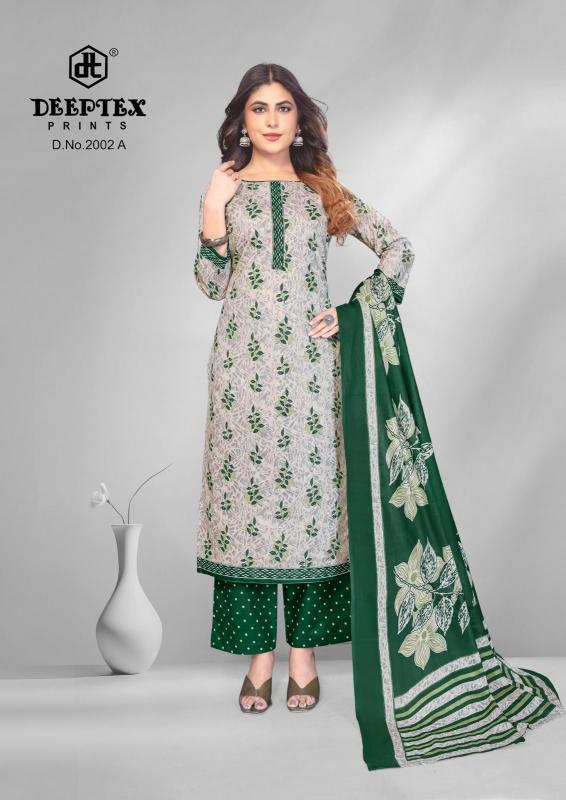
Cotton vs Lawn for Summer: Which Is Better?
Summer is one of the most important selling periods for both fabrics. In hot regions, customers often prioritize breathable, lightweight clothing that can be worn comfortably for several hours.
In the cotton vs lawn dress material comparison for summer, lawn can have an advantage when the customer specifically wants a fine, smooth, lightweight suit. Regular cotton may have an advantage when the customer wants more choice in texture, traditional prints, structure, or everyday durability.
Retailers should therefore stock both when their customer base is broad enough. Rather than presenting the fabrics as competitors, sales staff can explain their different strengths and allow customers to select according to personal preference.
Which Fabric Is Better for Daily Wear?
Daily wear customers usually consider comfort, maintenance, price, durability, and versatility. Cotton has a strong position in this segment because customers are familiar with it and retailers can source a large variety of everyday designs.
Lawn can also work for regular use, particularly for customers who prefer softer, finer, and lighter clothing. However, product quality remains important because very fine fabrics may require different handling from heavier everyday cotton.
For Home-Based Sellers, a practical strategy is to maintain affordable printed cotton as a core category while introducing selected lawn suits for customers looking for a more refined option.
Which Fabric Is Better for Office Wear?
Both cotton and lawn can work extremely well for office wear when designs are selected carefully. Subtle prints, comfortable fabrics, practical colours, and elegant dupattas are often more appropriate for professional settings than extremely heavy embellishment.
Cotton can create a crisp, traditional, and professional appearance. Lawn can provide a smoother and more polished look, particularly when paired with refined prints and clean tailoring.
Retailers can create a dedicated office wear dress material collection instead of categorizing products only by fabric. This helps customers shop according to their actual requirement.
Understanding Wholesale Price Differences
The wholesale price of cotton and lawn dress materials depends on far more than the fabric name. Yarn quality, fabric construction, printing technique, embroidery, dupatta type, brand, design complexity, finishing, packaging, and order quantity can all influence cost.
A simple printed cotton suit may be positioned at an affordable level, while premium cotton with elaborate weaving or embroidery can cost considerably more. Similarly, lawn can range from straightforward printed collections to premium designer-style sets with elaborate coordinated components.
Wholesale Buyers should therefore compare like-for-like quality instead of assuming that one fabric is always cheaper than the other.
Surat Wholesale Market and Dress Material Sourcing
Surat is one of India’s important textile hubs, with a large ecosystem connected to fabric trading, processing, design, distribution, and manufacturing. Buyers exploring the surat textile market can find numerous ethnic wear categories covering different fabrics, styles, and budgets.
Commercial textile areas around ring road and sahara darwaza are closely associated with wholesale textile activity. This ecosystem has helped make Surat an important sourcing destination for retailers across India.
However, buyers do not need to evaluate merchandise only by market location. Product specifications, supplier reliability, quality, catalogue accuracy, dispatch arrangements, and commercial terms remain important wherever the stock is sourced.
Wholesaleexport.in gives professional buyers an online route to explore wholesale ethnic wear collections while benefiting from experience connected with Surat’s textile industry.
Which Fabric Offers Better Reselling Potential?
For Resellers, the best fabric is the one that matches their audience. Cotton can provide consistent demand because of its familiarity and broad usability. Lawn can create a more fashion-focused proposition and may appeal strongly to customers seeking premium-looking lightweight suits.
Online sellers should study enquiry-to-order conversion rather than only likes or views. A visually impressive lawn collection may generate strong social engagement, while affordable cotton may produce more actual orders. Both types of data are useful, but sales should guide future inventory investment.
Wholesaleexport.in can help retailers explore different dress material categories so they can build a combination of core sellers and trend-focused merchandise rather than relying on a single fabric.
Cotton and Lawn Trends to Watch in 2026
Fashion in 2026 continues to combine comfort with strong visual presentation. Customers increasingly look for outfits that can transition between work, casual outings, family gatherings, and semi-formal occasions.
For cotton, traditional-inspired patterns, Ikkat looks, floral prints, coordinated dupattas, earthy colours, and comfortable everyday designs remain commercially relevant. Lawn collections can benefit from sophisticated florals, detailed digital prints, elegant embroidery, pastel shades, deep jewel tones, and coordinated three-piece styling.
Retailers should also pay attention to product photography and video presentation. Customers shopping digitally want to understand how the complete suit will appear after stitching, not merely see a folded fabric package.
International Demand for Cotton and Lawn Dress Materials
Indian and South Asian ethnic fashion has customers beyond India. Wholesale and export buyers serving countries such as Australia, Malaysia, and USA can consider cotton and lawn collections for customers seeking lightweight traditional fashion.
Climate should influence international product selection. Warm regions may create stronger opportunities for breathable and lightweight fabrics, while seasonal demand, festivals, weddings, and cultural events can affect buying patterns in other markets.
International Wholesale Buyers should calculate shipping, packaging, applicable customs charges, destination requirements, and final landed cost before deciding the appropriate retail positioning.
How to Build a Profitable Cotton and Lawn Inventory
Instead of choosing one fabric and ignoring the other, retailers can build complementary collections. Cotton can form the dependable everyday foundation, while lawn can provide a lightweight premium and fashion-focused layer.
Start with several colours and designs in controlled quantities. Track which products sell fastest and which customer segments respond to each fabric. Reorder proven styles where possible and introduce new designs regularly to keep the collection fresh.
This approach can be particularly effective for Boutique Owners and Resellers because it combines reliable products with visually attractive new arrivals.
Vastralife’s wholesale and export experience since 2017 adds practical textile industry expertise to the sourcing process, with emphasis on quality-focused collections for professional buyers.
For retailers building their 2026 inventory, understanding the strengths of each fabric is more valuable than simply deciding that one is universally better. Cotton offers exceptional versatility and familiarity, while lawn provides a refined lightweight character that can strengthen summer and fashion-oriented collections.
Another important consideration is how quickly each category can be refreshed. Cotton provides an enormous design base, which makes it practical for frequent catalogue updates. Lawn collections can be introduced strategically as premium seasonal launches, particularly when distinctive prints, embroidery, and coordinated dupattas create a strong visual identity.
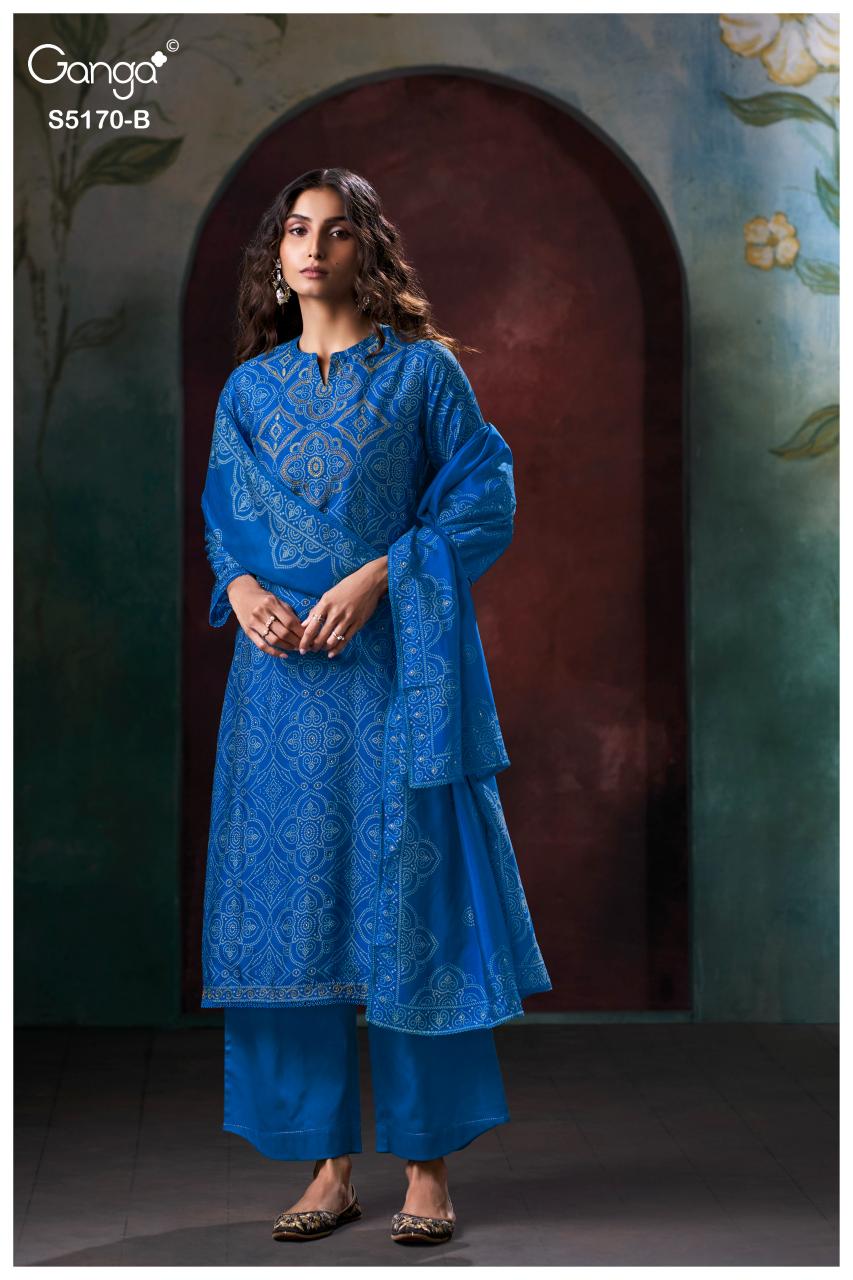
Cotton vs Lawn: Durability and Maintenance Comparison
Durability is an important consideration for customers purchasing everyday ethnic wear. However, neither cotton nor lawn should be judged only by the fabric name. Yarn quality, weave, finishing, printing process, garment construction, washing method, and frequency of use can all influence how a product performs over time.
Regular cotton dress materials are often selected for repeated use because customers are familiar with their practical nature. Depending on construction, some cotton fabrics can provide a slightly more substantial feel than fine lawn. This can make them attractive for customers who prioritize everyday usability.
Lawn is generally finer and lighter. Quality lawn can provide excellent comfort and an elegant appearance, but customers should follow the care recommendations provided for the specific product. Embroidered or highly detailed lawn suits may require more careful maintenance than straightforward everyday cotton designs.
What Should Retailers Tell Customers About Fabric Care?
Retailers should avoid making one universal washing claim for every cotton or lawn product. Different dyes, prints, embroidery techniques, embellishments, and dupatta fabrics can require different care.
Where manufacturer care information is available, it should be communicated accurately. This protects both the customer and the retailer while reducing avoidable complaints related to incorrect washing or handling.
Cotton vs Lawn for Boutique Owners
Boutique Owners can generate value from both categories because unstitched fabrics allow extensive customization. The final appearance depends not only on the dress material but also on tailoring, neckline design, sleeves, bottom style, lining, finishing, and accessories.
Cotton works particularly well for boutiques serving customers who appreciate handcrafted, traditional, minimal, office-friendly, or everyday styling. Lawn can be especially attractive for customers looking for refined printed suits, Pakistani-inspired designs, elegant summer outfits, and sophisticated semi-formal clothing.
Instead of positioning one category as superior, boutiques can develop different styling stories. A cotton collection can emphasize comfortable elegance and traditional design, while lawn can be presented through polished contemporary silhouettes.
Use Tailoring to Increase Perceived Value
A well-tailored outfit can make a commercially priced fabric appear considerably more sophisticated. Boutique businesses can therefore use stitching expertise as a differentiator rather than competing solely with online sellers on material price.
For example, a simple printed lawn suit can be transformed with an elegant neckline and structured trouser style, while cotton can be customized with pockets, contrast piping, statement sleeves, or traditional silhouettes.
Cotton vs Lawn for Home-Based Sellers and Resellers
Home-Based Sellers generally need merchandise that is easy to communicate, photograph, and sell without maintaining excessive inventory. Cotton provides a strong starting point because customers already understand the category. Lawn can then be introduced as a more fashion-focused option.
Resellers should create clear descriptions instead of using generic terms such as “premium material” for every product. Mention whether the collection is cotton, lawn, printed, embroidered, three-piece, or supplied with a specific dupatta type according to the actual product specifications.
Accurate information builds trust, especially when customers are purchasing through WhatsApp or social media without physically touching the fabric.
How Shop Owners Can Merchandise Cotton and Lawn Together
A physical retail store can organize cotton and lawn in a way that makes comparison easy. Instead of mixing all products randomly, create sections according to customer need: everyday cotton, office wear, premium cotton, lightweight lawn, embroidered lawn, and festive summer suits.
Sales staff should understand the basic differences so they can guide customers according to comfort, appearance, budget, and occasion. A shopper who asks for “something light for summer” may be interested in both categories, while a customer specifically requesting traditional cotton may have a different expectation.
Displaying stitched samples can also improve conversion. Customers sometimes find it difficult to imagine how unstitched material will look after tailoring. A finished sample can demonstrate the design potential of a collection.
How Showroom Owners Can Build a Larger Wholesale Mix
Showroom Owners usually have the space and customer volume to maintain a wider assortment. Cotton can form a major core category, while lawn can strengthen premium summer and fashion-oriented sections.
A showroom can further divide merchandise by retail price. Entry-level products can attract value-conscious buyers, mid-range collections can serve regular customers, and premium ranges can target shoppers seeking distinctive designs and better finishing.
Tracking sales separately for cotton and lawn helps identify actual demand. The showroom may discover, for example, that cotton produces higher overall volume while premium lawn delivers a stronger average transaction value. Such insights can improve future purchasing decisions.
Wholesale Buying Checklist for Cotton and Lawn
Check Fabric Specifications
Confirm the stated fabric composition and product details before purchasing. Avoid assuming that every product marketed with a similar name has identical characteristics.
Inspect Print and Colour Quality
Print clarity, alignment, colour combinations, and finishing influence perceived value. This is especially important for lawn collections where detailed prints can be a major selling feature.
Review the Complete Set
Evaluate the kurta material, bottom, dupatta, embroidery, borders, and any additional components included in the set. Customers judge the overall combination rather than one piece of fabric.
Understand Minimum Order Requirements
MOQ requirements influence working capital. Smaller sellers should calculate how much stock they can realistically sell before committing to large quantities.
Calculate the Landed Cost
The purchase rate is only one component. Include applicable taxes, shipping, packaging, payment expenses, and other relevant costs before setting the retail price.
How to Sell Cotton and Lawn Dress Materials Online
Digital selling requires stronger visual communication because customers cannot touch the product. Use clear images showing the complete suit combination and close-up views where useful. Videos can demonstrate fabric movement, embroidery, prints, and dupatta details.
Descriptions should be concise but informative. Include the fabric type, components, design details, colour information, ordering terms, and other relevant specifications.
For social media, avoid posting only product codes and prices. Create useful content around styling, occasions, fabric selection, new arrivals, and seasonal recommendations. Educational content can attract customers before they are ready to purchase and position the seller as knowledgeable rather than purely promotional.
Create Separate Summer Campaigns
Both fabrics can be marketed through summer-focused campaigns. Sellers can highlight lightweight designs, fresh prints, comfortable ethnic wear, office collections, and everyday styling. This gives customers a clear reason to explore the collection rather than seeing it as another generic catalogue update.
Internal Linking for Related Wholesale Categories
Buyers comparing fabrics often want to explore complete collections before placing an order. Retailers can browse wholesale dress materials in Surat to compare different suit materials, designs, and wholesale options suitable for multiple customer segments.
Businesses planning to diversify beyond women's ethnic wear can also explore mens wear wholesale options as part of a broader fashion inventory strategy.
Internal product discovery is valuable because Wholesale Buyers often source more than one category. Providing clear navigation between related products can make purchasing easier and encourage buyers to create a more balanced assortment.
Cotton vs Lawn for International Export Buyers
International retailers should consider climate, customer preferences, cultural events, and shipping economics when selecting products. Cotton and lawn can both be attractive for regions where lightweight South Asian fashion has consistent demand.
In Australia, seasonal timing should be considered because summer occurs at a different time from India. Sellers serving Malaysia may find year-round relevance for lightweight clothing because of the warm climate, while buyers in the USA may plan inventory around South Asian festivals, weddings, community events, and seasonal demand.
For every export order, buyers should confirm shipping charges, packaging, customs requirements, duties where applicable, and delivery timelines. These costs influence the final landed price and retail margin.
Product selection should also account for overseas retail positioning. A lightweight premium lawn suit with sophisticated presentation may work well for boutique customers, while versatile cotton collections can serve broader everyday ethnic wear demand.
Common Buying Mistakes to Avoid
Assuming All Cotton Is the Same
Cotton is a broad category. Weight, weave, softness, yarn, finishing, print quality, and blends can differ. Evaluate the actual product specifications before comparing prices.
Assuming Lawn Is Only for Premium Customers
Lawn can exist across different commercial levels. The final positioning depends on fabric quality, printing, embroidery, dupatta, brand, and complete set presentation.
Buying Only According to Catalogue Appearance
Strong photography can generate attention, but retailers should also evaluate product details and quality. A successful collection needs to satisfy customers after delivery, not only attract clicks.
Overstocking Seasonal Designs
Summer-focused merchandise should be planned according to the selling calendar. Excessive seasonal stock can become difficult to move once customer attention shifts toward festive or winter collections.
Ignoring Customer Feedback
Customer questions reveal valuable information. If buyers repeatedly request softer material, specific dupatta styles, particular prints, or certain price ranges, use that feedback to guide future wholesale purchases.
Cotton vs Lawn Dress Material Comparison: Which Should You Stock?
The best answer depends on your business. Cotton is a strong choice when you need broad customer familiarity, multiple textures, extensive design variety, daily-wear potential, and flexible pricing. Lawn is attractive when you want fine lightweight fabric, refined presentation, detailed prints, summer-focused collections, and Pakistani-inspired fashion.
For many retailers, the strongest strategy is not choosing between them at all. A combination of cotton and lawn can provide greater variety and allow customers to choose according to comfort, budget, occasion, and personal style.
In the broader cotton vs lawn dress material comparison, cotton may function as the dependable core of the inventory while lawn adds a polished, lightweight fashion segment. The exact ratio should be determined by sales data rather than assumptions.
Vastralife Wholesale and Export Experience Since 2017
Textile sourcing requires practical knowledge of products, suppliers, quality, customer preferences, and changing fashion demand. Vastralife has wholesale and export experience since 2017, bringing industry expertise developed through years of participation in the ethnic wear business.
The focus on premium product quality, commercially relevant designs, and professional wholesale sourcing supports retailers operating at different scales, from Home-Based Sellers to established Showroom Owners.
Wholesaleexport.in builds on this experience by helping buyers discover ethnic wear collections online while remaining connected to the wider Surat textile ecosystem.
Customer FAQs
1. What is the main difference between cotton and lawn dress material?
Cotton refers to a broad textile category, while lawn is a fine, lightweight fabric construction commonly made from cotton. Regular cotton dress materials can vary widely in texture and weight, whereas lawn is generally associated with a smoother, finer, lightweight feel.
2. Is lawn better than cotton for summer?
Lawn can be an excellent summer choice because of its lightweight construction, while many cotton fabrics are also highly suitable for warm weather. The better option depends on the specific fabric, construction, finishing, and the customer's preference.
3. Which is better for a wholesale dress material business?
Both can be commercially useful. Cotton can provide broad everyday demand and extensive variety, while lawn can strengthen lightweight, premium, and fashion-focused collections. Many retailers benefit from maintaining both categories.
4. Is lawn suitable for daily wear?
Yes, many lawn products can be suitable for everyday use, particularly for customers who prefer lightweight clothing. Suitability depends on the individual product's quality, construction, embroidery, and recommended care.
5. Which fabric is better for office wear?
Both cotton and lawn can work for office wear. Cotton can provide a classic and practical appearance, while lawn can create a refined lightweight look. Subtle prints and comfortable styling are generally useful for professional collections.
6. Where can retailers source wholesale cotton and lawn dress materials?
Retailers can source through established textile suppliers and wholesale platforms. Surat is an important Indian textile hub, with significant trading activity around the Surat textile market, Ring Road, and Sahara Darwaza areas.
7. Can cotton and lawn dress materials be exported?
Yes, subject to applicable shipping, trade, customs, and destination-country requirements. International buyers should calculate freight and other landed costs before setting retail prices.
8. Which fabric offers better resale margins?
Margin depends more on purchase cost, product quality, customer demand, retail positioning, and operating expenses than on the fabric name alone. Retailers should track both margin and inventory turnover to understand actual profitability.
Shop Wholesale Cotton and Lawn Collections with Wholesaleexport.in
Choosing the right fabric becomes easier when you understand your customer. Cotton offers versatility, familiarity, comfort, and extensive design options, while lawn provides a fine, lightweight feel with strong potential for elegant printed and premium summer collections.
Whether you are a Home-Based Seller building your first catalogue, a Reseller expanding online sales, a Boutique Owner searching for distinctive fabrics, a Shop Owner refreshing seasonal stock, or a Showroom Owner purchasing at scale, Wholesaleexport.in can help you explore wholesale ethnic wear collections for different customer segments.
Discover Latest Collections, competitive Wholesale Pricing, Trendy Ethnic Wear, Fast Shipping, COD Support, attractive Bulk Order Deals, and Quality Products Starting From ₹299, subject to product availability, specifications, category, and applicable ordering terms.
Build your 2026 collection with a balanced combination of commercially proven products and fresh fashion. Select quality carefully, monitor customer response, keep inventory moving, and use actual sales data to decide whether cotton, lawn, or a combination of both deserves more space in your next wholesale order.
Contact Us: +91 9712582172
Website: wholesaleexport.in