


Cotton Saree Wholesale Collection 2026 – Latest Designs at Wholesale Prices
Cotton Saree Wholesale Collection 2026 – Latest Designs at Wholesale Prices
Cotton sarees continue to hold a dependable place in the Indian ethnic wear business because they combine comfort, practical styling and strong year-round retail demand. For boutique owners, resellers, showroom owners and wholesale buyers, selecting the right cotton saree stock can create repeat sales across daily wear, office wear, festive shopping and regional markets. With fresh designs, attractive colour combinations and multiple price segments now available, buyers can build a versatile saree inventory without depending only on seasonal demand.
Introduction
The saree market in 2026 is increasingly influenced by customers who want clothing that looks elegant but remains comfortable enough for long hours of wear. This has strengthened demand for cotton sarees wholesale among retailers serving working women, homemakers, teachers, professionals and customers looking for lightweight traditional outfits.
A well-selected Cotton Saree Wholesale Collection can cover several retail requirements at the same time. Printed cotton sarees can attract everyday buyers, woven-border designs work well for traditional customers, premium cotton blends can be positioned for functions and gifting, while contemporary patterns appeal to younger shoppers.
For wholesale buyers, sourcing is not simply about finding the lowest price. Fabric consistency, colour combinations, finishing, catalogue freshness, repeat availability, packing quality and dispatch support can directly affect the profitability of the business. This is particularly important for home-based sellers and online resellers who often sell products through photographs and videos before physically handling the stock.
Wholesaleexport.in brings together ethnic wear sourcing options for buyers looking for competitive wholesale purchasing from India. Supported by Vastralife's wholesale and export experience since 2017, the business combines textile industry expertise with an emphasis on premium product quality and practical support for retailers, boutiques and resellers.
Why Cotton Sarees Remain a Strong Wholesale Category in 2026
Fashion trends may change quickly, but cotton-based sarees have an important commercial advantage: they are suitable for multiple seasons and customer groups. A retailer does not have to wait for weddings or major festivals to generate interest in these products. Everyday wear, office dressing, religious occasions, family gatherings, gifting and casual functions can all create demand.
Comfort Creates Repeat Retail Demand
Customers frequently return to cotton because the fabric is associated with breathability and easy everyday styling. In warmer regions of India, lightweight sarees are especially practical. The same comfort-driven buying behaviour can also be useful for ethnic wear retailers serving customers in international markets.
For a reseller, this creates an opportunity to maintain a rotating cotton saree wholesale collection rather than treating cotton sarees as a one-time seasonal category. New colours, borders and prints can be introduced regularly while keeping the basic product familiar to existing customers.
Multiple Price Segments Improve Selling Opportunities
A good wholesale catalogue should allow buyers to serve more than one customer budget. Entry-level sarees can support volume selling, mid-range collections can provide better design differentiation, and premium cotton styles can attract customers who prioritise finishing and presentation.
Before placing a bulk order, buyers should compare the wholesale price with their expected retail price, logistics cost and target margin. Instead of selecting an entire range only because the purchase rate is low, a balanced assortment generally provides better selling flexibility.
Suitable for Offline and Online Reselling
Home-Based Sellers increasingly market sarees through WhatsApp, Instagram, Facebook and direct customer groups. Boutique Owners may use the same products for in-store displays and online enquiries, while Shop Owners and Showroom Owners can maintain ready stock for walk-in customers.
This flexibility makes wholesale cotton sarees online particularly relevant for sellers who want to test designs before expanding their inventory. Clear catalogue images, accurate product information and dependable supplier communication become important when the buying and selling process happens digitally.
Best Cotton Saree Styles to Stock for Wholesale Business
Retailers should avoid building an inventory where every saree looks almost identical. Variety in design language allows a seller to reach different age groups, occasions and regional preferences without leaving the cotton saree category.
Printed Cotton Sarees
Printed cotton sarees wholesale are a practical choice for resellers targeting everyday buyers. Floral prints, geometric patterns, traditional motifs, abstract designs and contemporary combinations can create frequent catalogue updates. These styles are especially useful when customers want an affordable saree that can be worn regularly.
For online selling, prints also provide visual variety. A reseller can present several different looks without requiring major changes in the basic product category. This helps keep WhatsApp catalogues and social media feeds active with fresh designs.
Woven Border Cotton Sarees
Woven borders can give cotton sarees a richer traditional appearance. Depending on the design and fabric composition, these sarees can be marketed for office events, religious functions, gifting and family occasions.
Wholesale Buyers should examine border finishing, pallu detailing, blouse-piece coordination and overall colour balance before selecting bulk quantities. A visually strong border often becomes one of the first details customers notice in catalogue photographs.
Fancy Cotton and Cotton Blend Sarees
Customers who want comfort with a slightly dressier appearance often look toward fancy cotton or blended fabrics. These ranges can help boutiques bridge the gap between simple daily-wear sarees and heavier festive products.
A cotton saree supplier in Surat may offer different combinations of woven textures, zari-inspired detailing, printed pallus and designer borders. Buyers should confirm the exact fabric and product specifications rather than assuming that all cotton-labelled collections have the same texture or composition.
Office Wear Cotton Sarees
Professional customers commonly prefer subtle colours, manageable drapes and patterns that are elegant without looking excessively festive. Pastels, earthy tones, muted prints, stripes and minimal borders can therefore be useful additions for boutiques targeting working women.
These collections can also support repeat business because office-wear customers often purchase more than one design when they find a comfortable fabric and suitable price range.
.jpeg)
Buying Cotton Sarees from Surat Textile Market
Surat has developed into one of India's major textile sourcing centres, giving retailers access to a broad ecosystem of traders, suppliers, processors, wholesalers and manufacturing networks. Buyers searching for a Surat cotton saree wholesaler often consider the city because multiple ethnic wear categories can be sourced within the same commercial ecosystem.
The surat textile market stretches across important trading areas around ring road and sahara darwaza. For an outstation buyer, however, physically visiting numerous markets for every new catalogue may not always be practical. Online wholesale sourcing can reduce this gap by allowing buyers to review collections remotely and coordinate ordering and dispatch digitally.
Wholesaleexport.in is designed for buyers who want access to wholesale ethnic wear without making repeated sourcing trips. Retailers can evaluate available designs, compare suitable ranges and plan stock according to their customer profile.
How to Select a Profitable Cotton Saree Wholesale Collection
The most attractive catalogue is not automatically the most profitable catalogue. Wholesale purchasing should be based on how quickly the designs are likely to move within a particular customer base.
Start with Your Customer's Actual Budget
A boutique serving premium customers will require a different assortment from a home reseller targeting value-conscious buyers. Before ordering, divide customers into practical price segments and allocate inventory accordingly.
For example, a seller can keep fast-moving affordable options for regular orders while adding a smaller number of premium designs to increase average billing value. This approach reduces the risk of putting the entire investment into a single price bracket.
Choose a Balanced Colour Mix
Buying too many sarees in similar shades can make a catalogue look repetitive. A stronger assortment can combine dependable colours such as maroon, green, navy and black with pastels, bright festive shades and seasonally trending combinations.
Colour demand can also vary by region. Wholesale Buyers supplying multiple cities should therefore review their own previous sales rather than selecting stock solely on general fashion trends.
Check Fabric, Finish and Presentation
When sourcing cotton sarees in bulk, buyers should evaluate more than the front catalogue image. Fabric feel, border alignment, print clarity, pallu design, blouse piece, finishing and packing can influence customer satisfaction.
This becomes even more important when supplying boutiques or overseas buyers who expect consistent product presentation. Premium quality does not necessarily mean buying only expensive sarees; it means ensuring that the quality delivered matches the price segment and product description.
Plan Quantity According to Sales Speed
New resellers do not always need to purchase large quantities of every design. A mixed assortment can help identify which patterns, colours and price points receive the strongest customer response. Successful designs can then be reordered or replaced with similar new arrivals.
Established Showroom Owners may follow a different strategy and purchase deeper quantities of proven categories. The correct approach depends on sales volume, available working capital and inventory turnover.
Wholesale Cotton Sarees for Resellers and Boutique Owners
Resellers need products that are visually appealing, competitively priced and easy to explain to customers. Boutique Owners need those same advantages along with differentiation. This is why the ideal Cotton Saree Wholesale Collection should combine commercial designs with enough variety to prevent the assortment from appearing generic.
Home-Based Sellers can begin with curated pieces across several styles instead of concentrating all their capital in one design. Shop Owners can maintain a broader daily-wear range, while larger Showroom Owners can segment stock into regular cotton, premium cotton, printed sarees and occasion-oriented styles.
For buyers building a wider ethnic wear business, sarees can also be sold alongside kurtis, dress materials, lehengas and suit collections. This cross-category approach gives existing customers more reasons to return and can increase the average value of each order.
Wholesale Price, Margin and Stock Planning
Wholesale purchasing becomes profitable when the complete cost structure is understood before the product is offered to customers. Buyers should calculate the product purchase rate, applicable taxes, transportation, packing expenses and any selling or advertising costs.
The retail selling price should then leave enough room for a sustainable margin. Excessively low margins may generate orders but leave little room for returns, marketing expenses or operational costs. On the other hand, an unrealistic markup can make the collection difficult to sell in a competitive market.
In 2026, customers can compare products quickly through online platforms, making value perception increasingly important. Retailers therefore need to balance design exclusivity, product quality and final selling price rather than competing only on discounts.
Wholesaleexport.in supports sourcing for retailers looking to build commercially practical inventories while accessing new ethnic wear collections from the Indian textile supply network.
Cotton Saree Export Opportunities for International Buyers
Indian sarees have customers well beyond the domestic market. Boutiques serving South Asian communities can build specialised ethnic wear selections for festivals, cultural functions, weddings and regular traditional dressing.
Wholesale Supply for USA
Retailers in the USA can position lightweight cotton sarees for customers seeking Indian clothing that is easier to wear for community events, religious gatherings and everyday traditional occasions. A mixed catalogue covering modern prints and traditional patterns can help reach different age groups.
Cotton Sarees for Australia
Indian boutiques and resellers in Australia may use cotton sarees as part of broader seasonal ethnic collections. Since international logistics influence the final landed cost, buyers should plan quantities carefully and combine commercially relevant designs wherever practical.
Wholesale Orders for Nepal
Nepal remains a natural regional market for Indian ethnic wear. Retailers can select cotton sarees alongside other women's categories to create broader inventory mixes. For export orders, buyers should confirm packing, shipping arrangements, product availability and applicable commercial requirements before finalising quantities.
Experience in textile sourcing and international order coordination can be valuable in this process. Vastralife has worked in wholesale and export since 2017, providing industry experience that supports the wider sourcing ecosystem associated with Wholesaleexport.in.
Ready-to-Wear and Contemporary Cotton Sarees for Modern Retail
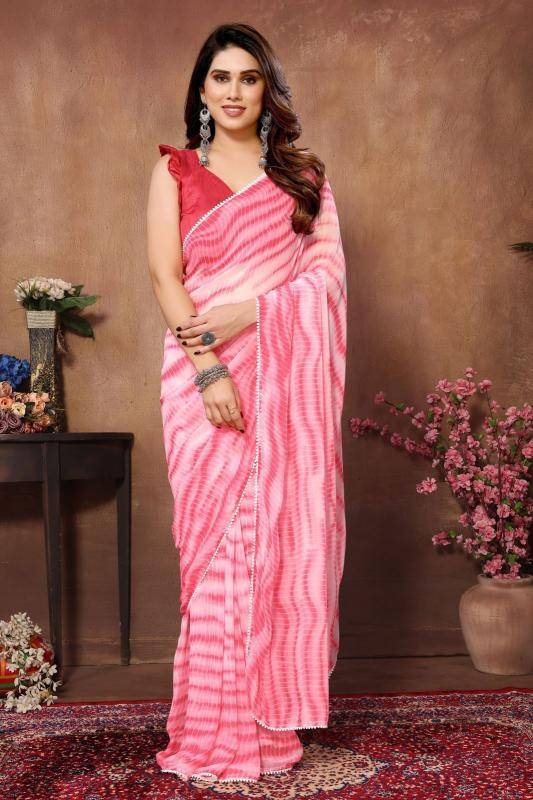
The saree business is no longer limited to customers who are comfortable with traditional draping. Ready-to-wear styles and easier draping formats are helping retailers reach younger customers, working women and first-time saree buyers. For boutiques building their 2026 inventory, combining traditional cotton designs with contemporary presentations can broaden the potential customer base.
A cotton saree wholesale collection can therefore include classic woven styles alongside modern printed sarees, lightweight festive cotton, soft cotton blends and ready-to-wear options. Retailers should select these products according to their local demand rather than purchasing every trend in large quantities.
Why Ready-to-Wear Sarees Can Expand Your Customer Base
Ease of wearing is an important selling point for customers who like the appearance of a saree but do not wear one regularly. Ready-to-wear products can be promoted for office functions, festivals, family celebrations, college events and casual occasions. Boutique Owners can merchandise these designs as convenient ethnic fashion rather than positioning them only as traditional clothing.
Home-Based Sellers can also demonstrate these products through short videos and social media content. Showing the drape, fall and complete appearance of the saree can make online customers more confident about purchasing.
How to Build a Cotton Saree Inventory That Sells Faster
A successful wholesale purchase is not measured by how many pieces are bought; it is measured by how efficiently those pieces move from inventory to paying customers. This makes assortment planning especially important for new resellers and boutique owners.
Keep Everyday Bestsellers as the Core
A practical inventory can begin with dependable daily and office-wear designs. These products give retailers a regular selling category rather than depending entirely on weddings and festivals. Printed cotton sarees, lightweight woven designs, subtle border sarees and comfortable cotton blends can form this core.
Add Premium Designs in Controlled Quantities
Premium designs can increase the average selling value of the catalogue, but new sellers should avoid overstocking expensive pieces until they understand their customer response. Start with selected designs, monitor enquiries and increase quantities in categories that convert consistently.
Refresh Designs Instead of Repeating the Same Catalogue
Customers following a boutique on WhatsApp or Instagram expect to see something new. Regular New Arrivals can create repeat engagement even when customers do not purchase immediately. Rotating prints, colour combinations and borders makes the collection appear fresh without requiring the seller to change the entire category.
Online Wholesale Sourcing for Cotton Saree Buyers
Digital sourcing has made it possible for retailers outside Surat to access products without travelling to the textile market for every purchase. Buyers can review catalogues, shortlist designs and coordinate orders remotely, saving considerable sourcing time.
For businesses expanding their ethnic inventory, browsing georgette sarees alongside cotton collections can help create a wider saree assortment. Retailers who want to add another strong ethnic category can also explore wholesale Pakistani suits for customers seeking coordinated suit collections.
These complementary categories allow retailers to serve different occasions and customer preferences while purchasing through a broader wholesale sourcing channel.
Wholesale Cotton Saree Opportunities for Different Business Types
For Home-Based Sellers
Home-Based Sellers can start with a controlled inventory and concentrate on visually attractive, easy-to-sell designs. Sharing clear images and product details through WhatsApp and social media can help generate enquiries without the expense of operating a physical showroom.
A useful strategy is to test several styles rather than buying excessive quantities of one catalogue. Once the seller identifies the designs customers prefer, purchasing decisions can become more data-driven.
For Boutique Owners
Boutique Owners usually need differentiation. Instead of competing only on price, they can curate combinations based on colour, styling, fabric appearance and occasion. Premium cotton sarees, statement borders and elegant printed collections can be displayed alongside jewellery, blouses or other ethnic products to create a complete styling proposition.
For Shop and Showroom Owners
Physical retailers often need a wider inventory because customers expect immediate choice. Maintaining multiple price bands can help sales staff serve customers with different budgets without losing an enquiry.
A showroom can divide cotton stock into daily wear, office wear, premium cotton, festive cotton and designer styles. This organised approach also makes replenishment easier because the retailer can identify which segment is selling fastest.
For Wholesale Buyers
Wholesale Buyers supplying other retailers should prioritise repeatability, reliable dispatch and commercially proven designs. They may require larger quantities, making quality consistency particularly important. Before placing a major bulk order, buyers should confirm available colours, catalogue quantity and expected dispatch schedule.
Manufacturing and Sourcing Advantage of Surat
Surat's textile ecosystem includes extensive fabric processing, trading, designing and manufacturing activity. This creates access to frequent product development and a wide selection of ethnic wear at different price levels.
Commercial zones around Ring Road and Sahara Darwaza have historically been important for buyers exploring the Surat textile market. Today, online sourcing extends that market access to retailers who may be located hundreds or thousands of kilometres away.
Wholesaleexport.in helps connect this sourcing opportunity with businesses looking for convenient online wholesale purchasing. Its wider ecosystem benefits from Vastralife's experience in textile wholesale and export since 2017, combining industry understanding with product sourcing for modern retailers.
How to Sell Cotton Sarees More Effectively
Buying good products is only one part of a profitable saree business. Presentation determines how quickly customers understand the value of the collection.
Use Clear Product Images
Customers should be able to see the saree's colour, border, pallu and overall appearance. Whenever available, combine model photographs with detailed product images. Avoid excessive image editing that makes the actual colour difficult to judge.
Mention Important Product Details
Instead of sending only a photograph and price, provide useful information such as fabric type, blouse-piece availability, catalogue details and relevant ordering information. Clear communication reduces repetitive questions and makes a reseller look more professional.
Create Occasion-Based Marketing
A single saree can appeal differently depending on how it is presented. A subtle cotton saree can be promoted as office wear, teacher wear or everyday elegance, while a richer border design can be marketed for festive gatherings, gifting and family functions.
This gives resellers more opportunities to promote existing stock without constantly reducing prices.
Use WhatsApp and Social Media Consistently
Regular catalogue sharing can keep a business visible. However, sending every available product at once can overwhelm customers. Curated posts such as “New Cotton Arrivals,” “Office Wear Picks,” “Under Your Budget” or “Weekend Saree Collection” can make product discovery easier.
Wholesale Cotton Saree Buying Checklist for 2026
Before confirming a wholesale order, buyers should review the product from both a sourcing and resale perspective. Check the fabric specification, available colours, design variety, blouse-piece details, wholesale rate, minimum quantity, stock availability, dispatch schedule and expected shipping cost.
Retailers should also calculate their realistic selling price before purchasing. A design may appear inexpensive at wholesale level but become less attractive after logistics and other business costs are included. Conversely, a slightly higher-priced product with superior presentation can sometimes generate a better margin.
For export purchases, additional planning may be needed for shipment consolidation, packaging and destination requirements. International boutiques should choose collections according to the buying behaviour of their local Indian and South Asian communities rather than assuming that domestic trends will perform identically overseas.
Internal Linking and Related Wholesale Categories
Building a successful ethnic wear business usually requires more than one product segment. Cotton sarees can act as a dependable everyday category while complementary sarees, suits, kurtis, dress materials and festive products provide additional revenue opportunities.
Retailers using Wholesaleexport.in can plan their inventory around customer demand instead of purchasing disconnected products. A home reseller may begin with lightweight sarees and gradually add suits, while an established boutique may maintain several coordinated ethnic wear categories throughout the year.
The objective is to create a product mix where everyday merchandise generates regular orders and premium or festive products increase average order value during stronger buying periods.
Customer FAQs
1. Where can I buy cotton sarees at wholesale prices online?
Wholesale buyers, boutique owners, retailers and resellers can explore available cotton saree and ethnic wear collections through Wholesaleexport.in. Buyers should check current catalogue availability, wholesale price, quantity requirements and dispatch details before placing an order.
2. Are cotton sarees suitable for starting a home-based reselling business?
Yes. Cotton sarees can be a practical category for Home-Based Sellers because they appeal to customers looking for everyday, office and traditional wear. New resellers can begin with a mixed selection and increase stock after identifying their fastest-moving designs.
3. What types of cotton sarees should a boutique stock?
A balanced boutique collection can include printed cotton sarees, woven-border styles, soft cotton, cotton blends, office-wear designs, premium cotton and contemporary options. The exact assortment should reflect the boutique's customer budget and regional demand.
4. Can cotton sarees be supplied for export orders?
Export requirements can be discussed for international wholesale buyers. Product availability, order quantity, packaging, shipping charges and destination requirements should be confirmed before finalising the purchase. Markets such as the USA, Australia and Nepal can offer opportunities for Indian ethnic wear retailers and resellers.
5. How should I decide my retail margin on wholesale sarees?
Calculate the complete landed cost, including product rate, applicable taxes, transportation, packaging and selling expenses. Your final selling price should remain competitive while leaving enough margin to cover business costs and profit. Avoid selecting a margin based only on what another reseller is charging.
6. Is Surat a good place to source cotton sarees in bulk?
Surat is one of India's major textile sourcing centres, with a large network of suppliers, wholesalers and textile businesses around important commercial areas including Ring Road and Sahara Darwaza. Online wholesale platforms make access easier for buyers who cannot visit Surat regularly.
7. Can shop owners order multiple ethnic wear categories together?
Depending on current availability, buyers can build broader inventories covering sarees and other women's ethnic wear categories. This can be useful for boutiques and showrooms that want to serve customers across daily wear, festive wear and occasion-based shopping.
Why Source Through Wholesaleexport.in?
Wholesale sourcing requires more than attractive catalogue photographs. Retailers need access to commercially relevant designs, competitive rates and dependable communication. Wholesaleexport.in focuses on serving Home-Based Sellers, Shop Owners, Boutique Owners, Showroom Owners, Resellers and Wholesale Buyers seeking ethnic wear sourcing from India.
The business ecosystem is backed by Vastralife's wholesale and export experience since 2017 and years of textile industry expertise. This experience helps in understanding what professional buyers value: product quality, selection, practical pricing and dependable order support.
For retailers entering the market in 2026, working with an experienced sourcing channel can also reduce the time spent searching across unrelated suppliers and make it easier to build a coordinated product range.
Order the Latest Cotton Saree and Ethnic Wear Collections
If you are building a new boutique, expanding an existing showroom, starting a home-based reselling business or purchasing stock for wholesale distribution, now is the right time to explore fresh ethnic wear inventory.
Discover Latest Collections with competitive Wholesale Pricing, Trendy Ethnic Wear, convenient Fast Shipping, available COD Support for eligible orders and attractive Bulk Order Deals. Buyers can explore Quality Products Starting From ₹299 across available collections and price segments.
Build your inventory around products your customers actually want, refresh your catalogue regularly and use the advantage of India's established textile sourcing network to grow your retail or reselling business.
Contact: +91 9712582172
Website: wholesaleexport.in
Explore the latest wholesale collections today and choose products that match your customers, budget and business model. Whether you sell from home, through social media, from a boutique or through a full-scale showroom, a carefully selected wholesale inventory can help turn customer enquiries into repeat business.