


Cotton Pakistani Dress Material Wholesale 2026 – Latest Designs, Surat Prices & Bulk Supplier
Cotton Pakistani Dress Material Wholesale 2026 – Latest Designs, Surat Prices & Bulk Supplier
Pakistani-inspired ethnic fashion continues to attract buyers who appreciate elegant silhouettes, detailed prints, sophisticated embroidery and beautifully coordinated dupattas. When these design elements are combined with comfortable cotton fabrics, retailers get a versatile category that can serve everyday fashion, boutique collections, festive requirements and premium seasonal demand. For businesses planning fresh inventory in 2026, choosing the right designs, fabric quality and wholesale source can make this category an important part of a profitable ethnic wear assortment.
Introduction
The women’s ethnic wear market has become increasingly design-conscious. Customers are no longer choosing a dress material only because of fabric or price; they also consider colour combinations, neckline patterns, embroidery, prints, dupatta styling and how the final stitched outfit will look. Pakistani-inspired suits have gained attention because they bring many of these elements together in a distinctive fashion language.
Cotton Pakistani Dress Material is particularly relevant for retailers because cotton-oriented fabrics can offer a practical balance between style and wearability. Depending on the individual catalog, collections may feature printed cotton, embroidered cotton, lawn-inspired fabrics, cotton blends, coordinated bottoms and beautifully designed dupattas.
This makes the category useful for Home-Based Sellers, Shop Owners, Boutique Owners, Showroom Owners, Resellers and Wholesale Buyers who want to expand beyond basic dress materials. Customers can select designs according to office wear, casual occasions, family gatherings, festive events and semi-formal functions.
For retailers, however, successful sourcing requires more than selecting attractive catalog photographs. Fabric specification, design quality, wholesale price, MOQ, set contents, current stock and expected retail margin should all be checked before placing bulk orders.
Why Cotton Pakistani Dress Materials Are Popular in 2026
Fashion preferences in 2026 are increasingly moving toward outfits that combine comfort with a premium visual identity. Many customers want clothing that looks distinctive enough for social occasions while remaining comfortable enough for extended wear. Pakistani-inspired designs can meet this requirement through longer silhouettes, detailed necklines, coordinated prints and statement dupattas.
The popularity of Pakistani dress material wholesale collections also benefits from digital fashion discovery. Instagram, WhatsApp, online catalogs and short-form videos allow customers to discover new designs quickly. Retailers who regularly introduce fresh collections can therefore respond to trends without depending only on traditional seasonal buying.
Comfortable Fabric for Indian Weather
Cotton-based dress materials remain commercially important because customers already understand their everyday usability. Breathable and comfortable fabric options can be particularly useful during warmer months and for buyers who wear ethnic outfits for several hours.
Actual composition can differ between catalogs, so wholesalers and retailers should always verify the supplied fabric specification. A product described as cotton, cotton blend or another related fabric should be marketed according to the information provided for that particular collection.
Elegant Pakistani-Inspired Styling
The appeal of Pakistani suit designs often comes from their sophisticated balance. Instead of relying entirely on heavy embellishment, many designs use thoughtfully placed embroidery, prints, borders and coordinated dupattas.
This styling can appeal to customers who want something more distinctive than a basic salwar suit without moving into extremely heavy occasion wear.
Strong Demand Across Different Age Groups
One advantage of this category is its ability to serve multiple age groups. Younger shoppers may prefer contemporary prints and softer colour palettes, while mature customers may choose elegant embroidery, classic colours and traditional patterns.
Retailers can therefore create a diversified Pakistani suits wholesale assortment rather than depending on one narrow fashion segment.
Popular Cotton Pakistani Dress Material Designs
A commercially strong collection should offer meaningful variety. Retailers can combine printed designs, embroidered styles, premium dupattas and different colour stories to give customers genuine choice.
Printed Cotton Pakistani Suits
Printed products can be particularly useful for regular and semi-formal wear. Floral patterns, geometric designs, traditional motifs and contemporary layouts allow retailers to address different customer preferences.
Printed cotton Pakistani suits wholesale can also help stores maintain an accessible segment alongside more expensive embroidered collections.
Embroidered Pakistani Dress Materials
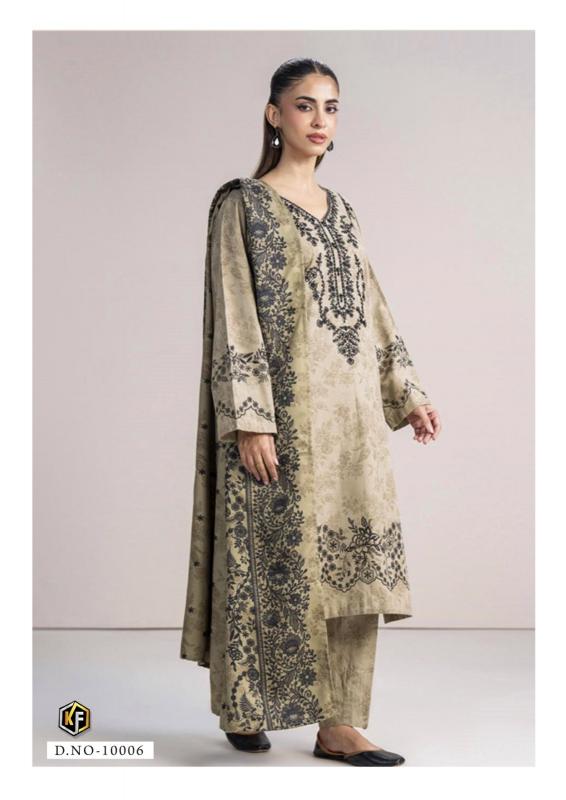
Embroidery can add a more premium appearance to cotton fabrics. Neckline embroidery, front-panel detailing, sleeve work, borders and strategically placed motifs can create visual interest without making the garment unnecessarily heavy.
Boutique Owners should pay attention to embroidery neatness and design placement. The quality of execution often contributes more to perceived value than simply increasing the quantity of decorative work.
Pakistani Dress Materials with Statement Dupattas
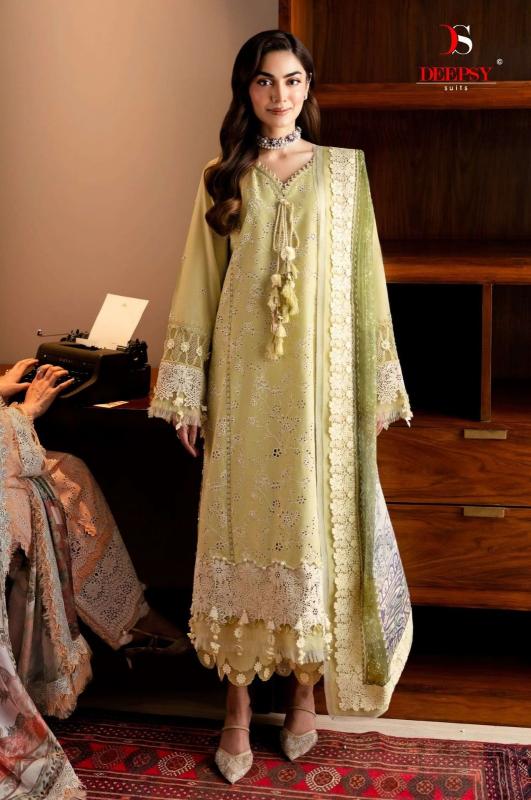
The dupatta can become a major selling feature in Pakistani-inspired fashion. A relatively simple kurta fabric may appear substantially more premium when coordinated with a printed, embroidered or decorative dupatta.
Wholesale Buyers should evaluate the entire three-piece combination rather than judging the kurta fabric separately. Colour coordination between the top, bottom and dupatta can strongly influence retail appeal.
Premium Pakistani Suit Collections
Retailers targeting wedding guests, festive shoppers and boutique customers can maintain a selected premium segment. These collections may include richer embroidery, more elaborate dupattas and refined colour combinations.
Premium inventory should still be purchased according to customer demand. A higher wholesale price can be commercially sensible when the product has sufficient design value and the retailer has the right customer segment.
Cotton Pakistani Dress Material Wholesale Price in 2026
There is no single standard Cotton Pakistani Dress Material price because multiple factors determine the wholesale rate. Fabric specification, printing method, embroidery, dupatta type, decorative work, brand, catalog quantity and manufacturing complexity can all influence cost.
For this reason, buyers should compare products on specifications and overall value instead of comparing only the lowest quotation. Two catalogs that look similar in photographs may have different fabrics, work or set components.
Fabric Specification
Cotton fabrics are available in different qualities, constructions and blends. Buyers should confirm individual product details because the word “cotton” alone does not establish that every catalog uses exactly the same material.
Better understanding of fabric specifications also allows sales teams to communicate more accurately with customers.
Printing and Embroidery
Detailed prints, embroidery and decorative finishing can influence production cost. A simpler printed catalog will normally have a different cost structure from a heavily embroidered premium collection.
Retailers should consider whether additional work provides enough visual value to justify the expected retail selling price.
Dupatta and Complete Set Composition
When comparing wholesale rates, confirm exactly what the dress material contains. Kurta fabric, bottom fabric and dupatta specifications can differ substantially between products.
A premium dupatta can contribute significantly to the total cost and perceived value of a Pakistani-style suit.
Manufacturing and Processing
Raw material, printing, embroidery, dyeing, finishing, packaging and other manufacturing inputs affect the final wholesale price. Market conditions can change these costs over time, so 2026 buyers should verify current rates before confirming orders.
How Retailers Should Calculate Their Selling Price
Retail price should not be calculated by looking only at the purchase amount. A sustainable business needs to understand its complete landed cost and operating expenses.
Domestic buyers may need to account for product cost, applicable GST, freight, packaging, payment expenses and other business costs. International buyers may additionally need to consider shipping, documentation, applicable customs duties, taxes and destination delivery.
Different Products Need Different Margins
An everyday printed cotton dress material and a premium embroidered Pakistani suit may serve different customers. Applying an identical markup to every product may therefore be less effective than evaluating each category according to demand, competition and perceived value.
Inventory Rotation Matters
A smaller margin on a fast-moving product can sometimes generate a better overall business result than a high margin on stock that remains unsold for months. Retailers should monitor both profitability and inventory turnover.
Regular analysis of sales can reveal which colours, price ranges and design styles deserve repeat investment.
Surat Textile Market for Pakistani Dress Materials
Surat has developed a major textile ecosystem connecting fabric production, processing, printing, embroidery, trading and garment-related businesses. This makes the city an important sourcing destination for retailers looking for women’s ethnic fashion.
The surat textile market includes extensive wholesale activity around commercial textile zones associated with ring road and sahara darwaza. Buyers can find dress materials, kurtis, sarees, suits and numerous other ethnic wear categories across different commercial price segments.
For retailers outside Surat, digital sourcing has made access to these markets significantly easier. Catalog images, product videos and online communication allow businesses to evaluate collections without travelling for every purchase.
Why Surat Is Important for Wholesale Buyers
One of Surat’s strongest advantages is the depth of its textile supply chain. Different stages of production and trading operate within a highly active commercial ecosystem, helping new catalogs reach the wholesale market regularly.
This can benefit retailers who need fresh designs throughout the year rather than relying entirely on one or two seasonal purchases.
Online Access to Surat Wholesale Collections
Wholesaleexport.in provides a digital route for businesses looking to explore women’s ethnic wear collections connected with the wholesale market. Home-Based Sellers and retailers can review available catalogs and select products according to their customer requirements.
Online sourcing can also help buyers compare styles before committing working capital to inventory. Product specifications, applicable ordering terms and current availability should still be confirmed before purchase.
How to Select a Reliable Pakistani Dress Material Supplier
The supplier behind the product can be as important as the catalog itself. Consistent communication, clear product information, current stock updates and dependable dispatch processes can make wholesale purchasing easier for retailers.
A reliable Pakistani dress material supplier should provide enough information for the buyer to understand what is being ordered. Retailers should avoid making significant purchases based only on a product name or one promotional image.
Verify Product Specifications
Confirm the available details for kurta fabric, bottom fabric, dupatta, embroidery and other components. When a collection includes different fabrics across its three pieces, each should be understood separately.
Clear specifications also help Resellers create more accurate descriptions for their own customers.
Check Current Availability
Fashion catalogs can move quickly, particularly when a design becomes popular. Resellers should confirm stock before accepting large customer orders or heavily promoting a collection.
This can reduce situations where customers select a product only to discover that it is no longer available.
Understand MOQ and Catalog Conditions
Some collections may have catalog-based ordering, while others may have different MOQ requirements. Wholesale Buyers should understand the applicable terms before calculating their investment.
The cheapest per-piece rate is not necessarily the best business decision if it requires purchasing substantially more inventory than the retailer can realistically sell.
Best Cotton Pakistani Dress Materials for Boutique Owners
Boutique Owners can use Pakistani-inspired collections to create a more distinctive ethnic wear offering. Their advantage is often curation rather than sheer inventory volume.
Instead of carrying every available catalog, boutiques can select designs that fit their existing customer profile and retail positioning.
Contemporary Pakistani Styles
Younger shoppers may respond well to straight silhouettes, refined prints, subtle embroidery and modern colour combinations. Soft tones and coordinated dupattas can provide a sophisticated appearance suitable for several occasions.
Traditional and Festive Designs
Rich colours, elaborate necklines and decorative dupattas can appeal to customers shopping for festivals, weddings and family functions. Maintaining a limited premium selection can help boutiques serve these higher-value requirements.
Use Styling Advice as a Sales Advantage
Because dress materials are unstitched, customers may need help visualising the finished garment. Boutique staff can suggest suitable kurta lengths, sleeve designs, neck patterns and trouser styles according to the product.
This service can add value without relying on constant discounting.
Opportunities for Home-Based Sellers and Resellers
Digital selling has lowered some of the traditional barriers to entering ethnic wear retail. A Home-Based Seller can share catalogs through WhatsApp and social platforms without operating a large physical showroom.
Cotton Pakistani Dress Material can be particularly suitable for this model because sellers can create multiple curated collections for different occasions and budgets.
Start with a Focused Customer Group
Instead of attempting to sell to everyone immediately, new Resellers can identify a clear target audience. This might include working women, festive shoppers, college-age customers, boutique buyers or customers looking for premium unstitched suits.
Understanding the target group makes catalog selection and marketing more focused.
Share Complete Product Information
Whenever possible, include available fabric details, set contents, design information and selling price with the product images. Customers are more likely to make confident decisions when they understand what they are purchasing.
Track Customer Enquiries
Even enquiries that do not immediately convert into sales provide useful information. If customers repeatedly ask for certain colours, fabrics or price ranges, sellers can use this feedback when selecting future inventory.
Wholesale Experience and Product Sourcing
Successful textile sourcing requires practical understanding of changing fashion trends, product quality, wholesale markets, logistics and the requirements of different retail businesses. These factors become particularly important when buyers source products online or purchase for customers outside their local market.
The business ecosystem associated with Wholesaleexport.in benefits from Vastralife’s wholesale and export experience since 2017. This background brings industry expertise in women’s ethnic wear sourcing, wholesale customer requirements and market-oriented product selection.
Attention to premium product quality is important because long-term wholesale relationships depend on more than attractive catalog launches. Retailers ultimately need products that they can confidently present to their own customers.
Inventory Planning for Pakistani Dress Materials
One of the most important skills in wholesale buying is deciding how much inventory to purchase. A beautiful collection can still create a cash-flow problem if the retailer purchases far more than customer demand can absorb.
Create a Balanced Product Mix
Retailers can combine accessible printed cotton designs with selected embroidered and premium collections. This provides different selling ranges without concentrating the entire budget in one category.
A balanced inventory can also help sales staff offer alternatives when a customer likes a design style but wants a different budget.
Use Sales Data for Repeat Buying
Record which colours, patterns, catalog types and price ranges generate actual purchases. This information becomes increasingly valuable as the business grows.
Repeat orders should ideally be based on proven demand rather than assumptions about what customers might like.
Keep Capital Available for New Collections
Women’s fashion changes frequently, and new designs are introduced throughout the year. Retailers who invest all available working capital into one catalog may find it difficult to purchase a stronger new arrival later.
Healthy inventory rotation can therefore be more important than maintaining excessive quantities of every product.
Preparing for International Demand
Pakistani-inspired ethnic wear also creates opportunities beyond the Indian domestic market. Retailers serving South Asian communities overseas can select products according to local occasions, customer preferences and price expectations.
For 2026, three markets that businesses can consider according to their customer network are Australia, Nepal and Singapore. Each market should be approached with its own product and pricing strategy rather than assuming identical demand everywhere.
Australia
South Asian communities in Australia create demand for ethnic clothing around weddings, festivals, cultural events and family occasions. Retailers can combine comfortable cotton designs with a smaller premium selection to serve multiple requirements.
Nepal
Nepal can offer opportunities for Indian wholesale ethnic wear suppliers depending on buyer requirements and logistics. Pakistani-inspired dress materials can add variety for boutiques and retailers looking beyond basic traditional collections.
Singapore
Retailers serving South Asian customers in Singapore can curate products for festive occasions, family gatherings and contemporary ethnic fashion. Lightweight and elegant products may be useful depending on the individual customer segment.
International Wholesale Buyers should calculate freight, applicable documentation, customs requirements, duties, taxes and local delivery costs before finalising the retail price of imported merchandise.
How to Market Cotton Pakistani Dress Materials in 2026
Good sourcing creates the foundation of a retail business, but presentation determines whether customers notice the product. Pakistani-inspired suits often contain several visual selling points, including detailed necklines, coordinated prints, embroidered panels, elegant borders and attractive dupattas. Retailers should highlight these elements rather than uploading only a single catalog photograph.
For Home-Based Sellers and Resellers, WhatsApp, Instagram and other digital channels can become effective ways to introduce new collections. Shop Owners and Boutique Owners can combine physical displays with digital catalog sharing so existing customers continue seeing fresh arrivals even when they are not visiting the store.
Show Fabric and Design Details Clearly
Customers buying an unstitched suit need enough information to imagine the finished outfit. Full-product photographs should therefore be supported by close-up images or videos whenever available. Neckline work, sleeve detailing, prints, embroidery and dupatta patterns are especially useful to show.
Product descriptions should also mention available fabric specifications and set contents accurately. Clear information improves customer confidence and reduces confusion after an order is placed.
Create Occasion-Based Collections
Instead of promoting every product simply as a new arrival, sellers can organise catalogs around customer needs. Examples include “Elegant Pakistani Cotton Collection,” “Office & Casual Edit,” “Festive Pakistani Suits,” “Wedding Guest Collection” and “Premium Embroidered Suits.”
This makes digital catalogs easier to browse and gives customers an immediate reason to consider a particular design.
Use New Arrivals to Build Repeat Engagement
Customers who have purchased ethnic wear previously can become an important audience for future launches. Sellers can share selected new arrivals according to previous interests rather than sending every available catalog.
A customer who usually purchases premium embroidered suits, for example, may respond better to carefully selected premium arrivals than a large collection of unrelated budget products.
Growing Demand for Pakistani Suits Across Different Markets
The appeal of Pakistani-inspired ethnic wear is not limited to one region. Elegant straight silhouettes, intricate prints, embroidery and coordinated dupattas have created interest among customers who want something different from conventional Indian suit styling.
For retailers, this means Pakistani suits wholesale can be positioned as a separate fashion category rather than being mixed without explanation into general dress materials. Creating a clearly identified section can help customers discover these designs more easily.
Demand in Indian Retail Markets
Across India, Pakistani-inspired fashion can appeal to customers shopping for casual wear, office clothing, festive outfits and wedding-related occasions. The right assortment depends heavily on local customer preferences.
Retailers in warmer regions may see particular interest in comfortable cotton-oriented collections, while premium embroidered products can gain attention during wedding and festive periods.
Opportunity for Online Boutiques
Online boutiques are not restricted to customers living near a physical store. This allows them to create niche collections and reach buyers specifically searching for Pakistani-inspired ethnic fashion.
Strong photographs, clear product descriptions and reliable customer service become especially important because the buyer cannot physically inspect the product before ordering.
Internal Linking and Related Wholesale Categories
Retailers rarely depend on only one product category throughout the year. A diversified ethnic wear assortment can include Pakistani suits alongside kurtis, dress materials, lehengas, sarees and other products according to customer demand.
Buyers looking specifically for this fashion segment can explore wholesale Pakistani suits and compare available styles according to fabric, design, occasion and price segment.
Businesses preparing broader festive or wedding inventory can also explore the wholesale lehenga market Surat with price category to complement their suit collection with another important ethnic wear segment.
Cross-category sourcing should still be planned carefully. The objective is to give customers useful variety without investing unnecessarily in products that fall outside the retailer’s established market.
Quality Checklist Before Placing a Bulk Order
Wholesale purchasing involves greater quantities than normal retail shopping, so a systematic product evaluation can help reduce avoidable problems. Buyers should understand the catalog and commercial terms before confirming a substantial order.
Check Fabric Information
Verify the available specifications for the top, bottom and dupatta. Do not assume every component uses the same fabric simply because the collection is marketed around cotton.
Understanding the material also helps retailers communicate washing, stitching and usage expectations more accurately to customers where such information is available.
Evaluate Printing and Embroidery
Look closely at print placement, colour combinations, neckline details, embroidery and borders. Premium products should create value through design execution rather than merely through a higher selling price.
Check the Complete Set
The commercial appeal of a Pakistani dress material often comes from the complete combination. The top, bottom and dupatta should work together visually. A strong dupatta can become an important selling feature, particularly in premium collections.
Confirm Current Stock and MOQ
Stock can change quickly when popular catalogs are launched. Confirm availability and MOQ immediately before placing an order rather than relying on an older catalog message.
This is particularly useful for Resellers who may be collecting customer requirements before making their own wholesale purchase.
Seasonal Buying Strategy for Pakistani Dress Materials
Demand for ethnic fashion changes throughout the year. Retailers who understand seasonal buying patterns can allocate inventory more effectively and avoid purchasing excessive quantities after peak demand has already passed.
Summer and Everyday Cotton Demand
Cotton-oriented products can be useful when customers prioritise comfortable fabrics. Printed and lighter-looking Pakistani styles can be positioned for regular wear, office use and casual social occasions according to the individual design.
Festive Season
During festive periods, customers may prefer richer colours, embroidery and more decorative dupattas. Retailers can increase the proportion of premium-looking products while still maintaining accessible price ranges.
Wedding Season
Wedding demand extends beyond bridal clothing. Family members and guests need outfits for engagements, pre-wedding celebrations, dinners and other events. Premium Pakistani-inspired suits can provide another option for customers who want elegant ethnic clothing without choosing lehengas or heavily embellished garments.
Year-Round Inventory
Retailers do not necessarily need to remove Pakistani suits outside peak seasons. A controlled selection of versatile designs can generate sales throughout the year for birthdays, family gatherings, religious events, office occasions and general ethnic fashion requirements.
Export Opportunities for Cotton Pakistani Dress Materials
The global South Asian community creates opportunities for Indian textile businesses involved in export. Unstitched dress materials can be particularly relevant because customers have the flexibility to stitch outfits according to their preferred measurements and styling.
For retailers serving Australia, Nepal and Singapore, product selection should reflect local customer demand rather than simply duplicating an Indian inventory plan.
Australia Wholesale Opportunity
Retailers serving South Asian communities in Australia can plan inventory around weddings, Diwali, Eid and cultural events. Cotton-oriented Pakistani styles can provide a comfortable category, while embroidered collections can support occasion-based sales.
Nepal Wholesale Opportunity
Retailers in Nepal looking for fresh Indian wholesale collections can use Pakistani-inspired suits to diversify their women’s ethnic wear range. Design, pricing and shipping calculations should be matched to the retailer’s local customer segment.
Singapore Wholesale Opportunity
Singapore-based boutiques serving South Asian customers can consider elegant, wearable collections suitable for festivals, celebrations and social occasions. Compact, carefully selected assortments can be useful where retailers want variety without holding excessive inventory.
Calculate Export Cost Before Ordering
International buyers should calculate more than the catalog price. Depending on destination and shipment type, the landed cost may involve packing, freight, documentation, applicable customs duties, taxes and local delivery.
Current import requirements should be verified for the destination country before ordering. Accurate landed-cost calculation makes it easier to set a sustainable retail price.
Why Wholesale Experience Matters
Wholesale textile sourcing involves changing fashion cycles, fabric knowledge, supplier coordination, stock availability and logistics. Businesses that understand these factors can make more informed buying decisions instead of selecting inventory purely from visual trends.
Wholesaleexport.in benefits from Vastralife’s wholesale and export experience since 2017, bringing practical industry expertise to women’s ethnic wear sourcing and wholesale customer requirements. This experience supports businesses looking for frequently updated collections and commercially relevant fashion options.
Product selection also places importance on premium product quality, because long-term wholesale relationships depend on customer satisfaction and repeat purchasing rather than one-time catalog sales.
Common Mistakes Wholesale Buyers Should Avoid
Buying Only Because a Design Is Trending
Online popularity does not guarantee that a product will sell equally well in every market. Retailers should compare trends with their own customer profile and previous sales.
Comparing Only the Lowest Price
A lower wholesale rate may involve different fabric specifications, work or set composition. Compare the complete product before deciding which supplier or catalog offers better commercial value.
Purchasing Too Much of One Design
Overstocking can lock working capital into a product after customer interest has moved toward newer designs. A diversified assortment can help reduce this risk.
Ignoring the Dupatta
In Pakistani-inspired fashion, the dupatta can substantially influence the final appearance. Buyers should evaluate it as an important part of the set rather than treating it as a secondary component.
Not Calculating the Complete Cost
Freight, taxes, packaging and operating expenses can reduce margins if they are ignored while setting retail prices. Businesses should calculate realistic landed costs before advertising a product.
Customer FAQs
1. What is Cotton Pakistani Dress Material?
It generally refers to unstitched or dress-material collections featuring Pakistani-inspired designs with cotton or cotton-oriented fabrics, depending on the individual catalog specification. Sets may include top fabric, bottom fabric and a coordinated dupatta.
2. Where can I buy Pakistani dress materials wholesale in Surat?
Surat has an extensive textile wholesale ecosystem around areas such as Ring Road and Sahara Darwaza. Business buyers can also explore available collections through Wholesaleexport.in for convenient online sourcing.
3. What is the Cotton Pakistani Dress Material wholesale price in 2026?
Wholesale rates vary according to fabric, embroidery, printing, dupatta, brand, catalog size, decorative work and order quantity. Buyers should confirm the current price of the specific collection before ordering.
4. Are Pakistani cotton suits suitable for boutique businesses?
Yes. Boutique Owners can use printed, embroidered and premium Pakistani-inspired collections to create a distinctive ethnic wear section for different customer budgets and occasions.
5. Can Home-Based Sellers buy Pakistani dress materials wholesale?
Yes, subject to the applicable MOQ and ordering conditions. Home-Based Sellers can share digital catalogs with customers and select products according to their business model.
6. What should I check before purchasing a Pakistani suit catalog?
Check fabric specifications, set contents, embroidery, print details, dupatta, catalog quantity, current availability, MOQ, wholesale price and applicable dispatch terms.
7. Are cotton Pakistani suits suitable for summer?
Many cotton-oriented products can be useful for warmer weather, but comfort and fabric behaviour depend on the actual material specification. Buyers should verify the individual catalog details.
8. Can Pakistani dress materials be exported internationally?
Yes, subject to supplier coverage, shipping availability and destination-country regulations. International buyers should verify current freight, customs, duties and tax requirements before ordering.
9. Why is Surat popular for Pakistani suit wholesale sourcing?
Surat has a broad textile ecosystem covering fabrics, processing, printing, embroidery, manufacturing, wholesale trading and logistics. This supports frequent introduction of new women’s ethnic wear collections.
10. How can Resellers improve margins on Pakistani suits?
Resellers can focus on customer-specific sourcing, controlled inventory, accurate costing, professional product presentation and fast-moving designs. Better stock rotation can be just as important as achieving a high margin on one product.
Order Cotton Pakistani Dress Materials Wholesale
For Shop Owners, Boutique Owners, Showroom Owners, Home-Based Sellers, Resellers and Wholesale Buyers, Pakistani-inspired cotton dress materials can provide a useful combination of comfort, design variety and commercial appeal. The key is selecting products according to actual customer demand while maintaining healthy inventory rotation.
At Wholesaleexport.in, business buyers can explore Latest Collections, competitive Wholesale Pricing and Trendy Ethnic Wear for retail and reselling requirements. Buyers can also enquire about Fast Shipping, available COD Support, Bulk Order Deals and selected Quality Products Starting From ₹299, subject to current products, stock and applicable terms.
Whether you operate a local boutique, showroom, online store or home-based reselling business, building your assortment around customer demand and regularly refreshed designs can help create stronger repeat-sales opportunities.
Contact Number: +91 9712582172
Website: wholesaleexport.in
Explore current collections, compare designs and plan your next wholesale purchase with a focus on quality, price, customer preference and sustainable margins. A carefully selected Cotton Pakistani Dress Material range can become a valuable part of your 2026 ethnic wear business in India as well as selected international markets.