



Cotton Kurti Wholesale Supplier in India: Best Buying Guide 2026
Cotton Kurti Wholesale Supplier in India: Best Buying Guide 2026
Cotton kurtis remain one of the most practical inventory choices for women's fashion retailers because they combine comfort, versatility and everyday demand. From simple printed styles for regular wear to fashionable designs suitable for offices, boutiques and casual occasions, retailers can build multiple selling ranges around cotton kurtis while keeping their collections commercially relevant throughout the year.
Introduction
The women's ethnic wear market continues to evolve in 2026, but comfortable clothing remains central to everyday fashion. Customers increasingly want outfits that look stylish without becoming difficult to wear for long hours. This combination of appearance and practicality keeps cotton kurtis relevant for retailers serving women across different age groups and locations.
For Home-Based Sellers, Shop Owners, Boutique Owners, Showroom Owners, Resellers and Wholesale Buyers, selecting a reliable cotton kurti wholesale supplier can directly influence inventory quality, customer satisfaction and profit margins. A dependable supplier should offer more than low rates. Buyers need variety, consistent quality, commercially attractive designs, manageable purchasing options and reliable dispatch support.
Surat has developed a powerful textile sourcing ecosystem where wholesale trading and manufacturing businesses connect retailers with new collections throughout the year. The wider surat textile market, including commercial areas around Ring Road and Sahara Darwaza, remains important for buyers looking for women's ethnic wear at different price levels.
Digital wholesale sourcing has made these collections more accessible. Retailers no longer need to visit physical textile markets for every purchase. Platforms such as Wholesaleexport.in allow businesses to discover new products remotely and plan inventory according to their customers, budget and selling strategy.
Why Cotton Kurtis Remain a Strong Wholesale Category in 2026
Fashion trends change frequently, but products that solve everyday customer needs tend to maintain demand. Cotton kurtis offer an attractive combination of comfort, breathability, styling flexibility and familiar ethnic appeal. They can be worn at home, in offices, at colleges, while travelling or for casual social occasions depending on the design.
This broad usage makes cotton kurtis wholesale an interesting category for retailers who want merchandise that is not restricted to a single festival or wedding season. While demand can increase during warmer months, well-designed cotton and cotton-inspired ethnic styles can remain relevant across much of the year.
Comfort Is a Major Buying Factor
Customers increasingly consider comfort alongside appearance when purchasing everyday clothing. Cotton fabrics are widely appreciated for their wearable feel, especially in warm conditions. This gives retailers an opportunity to position cotton kurtis as practical fashion rather than purely traditional clothing.
Comfort also supports repeat purchases. A customer who likes the fabric, fit and styling of one kurti may return for additional colours or designs. For retailers, this creates the possibility of building recurring sales around a familiar product category.
Suitable for Different Age Groups
Cotton kurtis can serve college students, working professionals, homemakers and mature customers depending on the cut, print and styling. Short kurtis and contemporary silhouettes can appeal to younger buyers, while straight-cut and traditional printed designs may suit customers looking for versatile everyday ethnic wear.
A good ladies cotton kurti wholesaler should therefore offer enough variety for retailers to create collections around multiple customer profiles rather than depending on one narrow style.
Easy to Combine With Other Products
Retailers can merchandise kurtis with leggings, pants, palazzos, dupattas and other coordinated pieces. This creates opportunities to increase average order value and gives boutiques more ways to display the same core category.
Kurti sets can also provide an alternative for customers who prefer a complete ready-to-wear combination. Maintaining both standalone kurtis and coordinated sets allows retailers to address different budgets and buying preferences.
What to Look for in a Cotton Kurti Wholesale Supplier
Choosing the right wholesale source should involve more than comparing catalogue photographs. Retailers need to understand whether the supplier can provide consistent product quality and dependable service over repeated orders.
Fabric and Product Quality
Quality affects customer satisfaction directly. Buyers should consider fabric feel, stitching, finishing, colour presentation and overall construction. A low price can attract attention, but poor-quality merchandise can become expensive when it leads to complaints, unsold inventory or damaged customer trust.
For Boutique Owners who position themselves around carefully selected merchandise, premium product quality becomes especially important. Customers often associate the quality of the garment with the retailer who sold it rather than the original wholesaler.
Variety of Prints, Colours and Styles
A strong cotton kurti wholesale supplier should provide enough product diversity to help retailers keep their displays fresh. Floral prints, traditional motifs, geometric patterns, subtle office-wear designs and contemporary styles can serve different audiences.
Colour selection is equally important. Some customers prefer bright seasonal shades, while others consistently purchase earthy tones, pastels or classic colours. A varied wholesale collection gives retailers greater flexibility when building stock.
Practical MOQ for Different Business Sizes
Not every wholesale buyer operates a large showroom. Many successful sellers begin from home, through WhatsApp groups, Instagram pages or smaller retail stores. Large minimum quantities can make it difficult for these businesses to test new designs.
Low MOQ cotton kurtis can help smaller retailers spread their purchasing budget across more products. Instead of investing heavily in one catalogue, buyers can test different designs and reorder those that generate stronger demand.
Regular New Arrivals
Customers who follow boutiques online often expect to see something new regularly. Fresh inventory also gives sellers more content for social media, WhatsApp broadcasts and customer groups.
A supplier with regular new arrivals can help retailers refresh their collection without constantly searching for completely new sourcing partners. This continuity is valuable when the retailer is trying to build a scalable business rather than make occasional purchases.
Understanding Cotton Kurti Wholesale Price and Profit Potential
The wholesale price of a kurti can vary according to fabric, design complexity, printing, embroidery, finishing, size range, brand positioning and order quantity. Retailers should avoid judging a product only by its buying rate.
A commercially useful calculation considers the wholesale cost, applicable shipping and operating expenses, expected selling price and realistic customer demand. The objective is to identify products that provide enough margin while still offering attractive value to the final customer.
Lowest Price Does Not Always Mean Highest Profit
Suppose one design is extremely inexpensive but looks ordinary and moves slowly. Another kurti costs slightly more but has stronger visual appeal, better finishing and can command a better retail price. The second option may generate more profit despite having a higher buying cost.
This is why experienced Wholesale Buyers often evaluate wholesale cotton kurti price in relation to saleability rather than focusing exclusively on the lowest available number.
Choose Multiple Price Segments
A boutique does not necessarily need to serve only one budget. Retailers can create entry-level, mid-range and premium selections according to their customer base. Affordable products can generate regular turnover, while better-finished designs can increase average transaction value.
Home-Based Sellers can follow a similar strategy by presenting several options to customers rather than competing solely on discounts. Good product photography, clear information and responsive service can add value even when several sellers have access to similar wholesale merchandise.
Why Surat Is Important for Cotton Kurti Wholesale Buying
Surat is widely recognised as one of India's major textile and apparel trading centres. Its network includes fabric businesses, processors, garment suppliers, wholesalers and manufacturers serving customers throughout India and international markets.
The surat textile market ecosystem gives buyers access to a broad range of women's fashion products. Ring Road is surrounded by major textile trading complexes, while Sahara Darwaza is another familiar reference point for buyers navigating Surat's wholesale textile areas.
Access to a Large Manufacturing and Trading Network
Being connected to a large manufacturing ecosystem can help wholesale suppliers access frequent product developments and varied collections. For retailers, this can translate into more sourcing choices across prints, designs, fabrics and price ranges.
It also means buyers do not necessarily need separate suppliers for every category. A broader sourcing network can make it easier to expand from kurtis into kurti sets, dress materials, sarees and other ethnic wear as customer demand develops.
Online Sourcing Reduces Dependence on Physical Market Visits
Traditional wholesale buying often involved travelling to Surat, spending time visiting different markets and physically comparing products. That model remains useful for some buyers, but digital sourcing provides another option.
Wholesaleexport.in helps retailers explore fashion collections remotely, making Surat-linked wholesale sourcing more accessible to businesses located elsewhere in India and overseas. This can be particularly useful for smaller businesses that cannot frequently travel to Ring Road or Sahara Darwaza.
Best Cotton Kurti Styles for Boutique and Reseller Inventory
Building a profitable inventory requires variety without unnecessary duplication. Retailers can combine dependable everyday designs with a smaller proportion of trend-led products. The ideal mix depends on customer age, local climate, lifestyle and average spending range.
Printed Cotton Kurtis
Printed cotton kurtis wholesale collections can work particularly well for everyday customers. Floral motifs, traditional-inspired patterns, geometric prints and contemporary designs allow retailers to offer substantial visual variety within one product category.
Printed styles are also easy to promote digitally because customers can quickly notice differences between designs. Retailers selling through WhatsApp or social media can use new print launches to create regular product updates.
Straight-Cut Cotton Kurtis
Straight-cut silhouettes have broad styling potential and can work for office, casual and everyday wardrobes. Their familiar shape makes them suitable for retailers who want commercially accessible products rather than highly experimental fashion.
These kurtis can be paired with straight pants, leggings or palazzos, giving customers flexibility to style the garment using pieces they may already own.
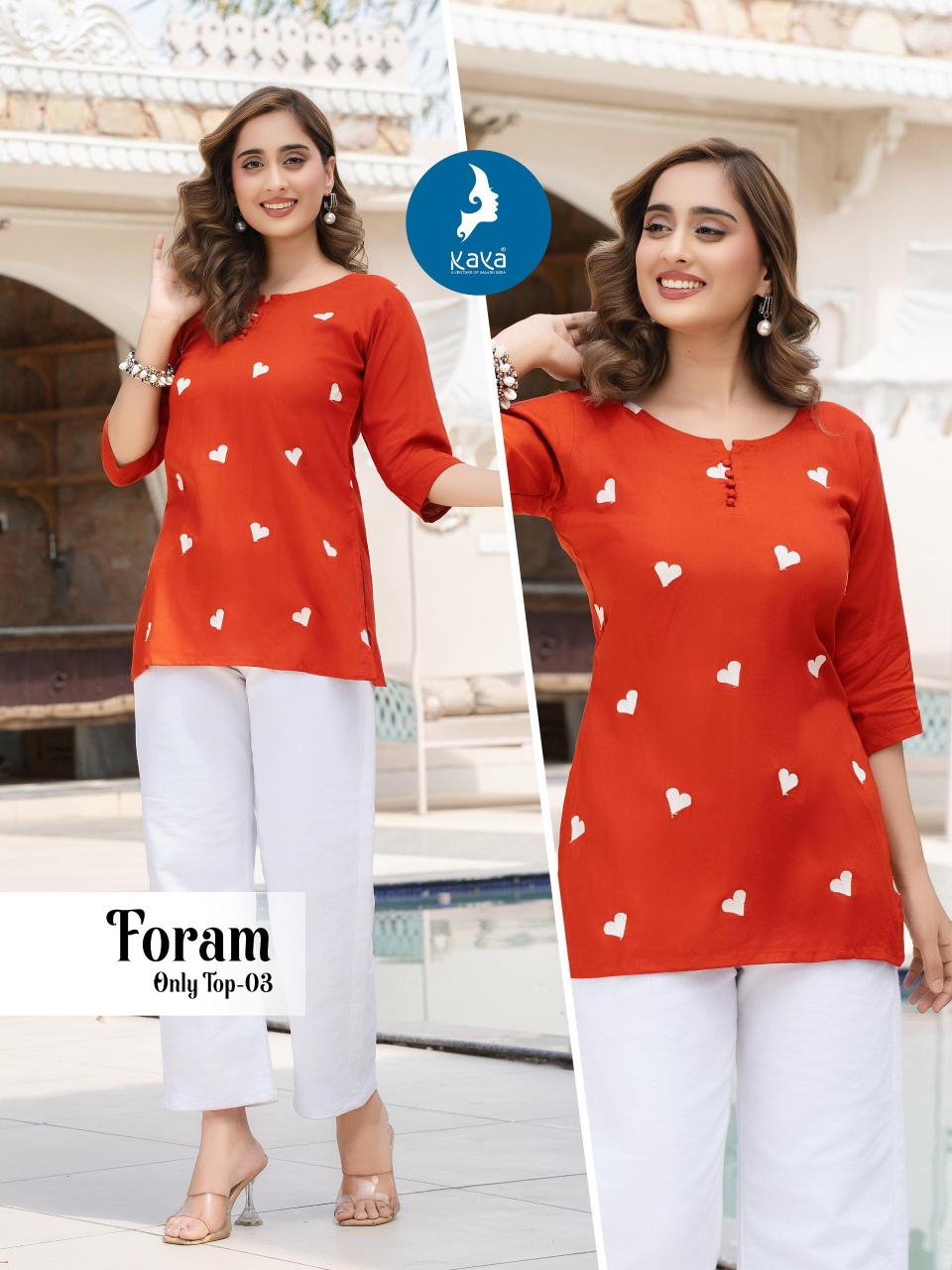
Short Cotton Kurtis and Tops
Short kurtis can appeal to younger shoppers and customers interested in Indo-western styling. They can be paired with jeans, trousers or ethnic bottoms, helping retailers reach beyond conventional kurti buyers.
For boutiques targeting students and younger working professionals, keeping a selected range of short kurtis wholesale products can add a contemporary dimension to the collection.
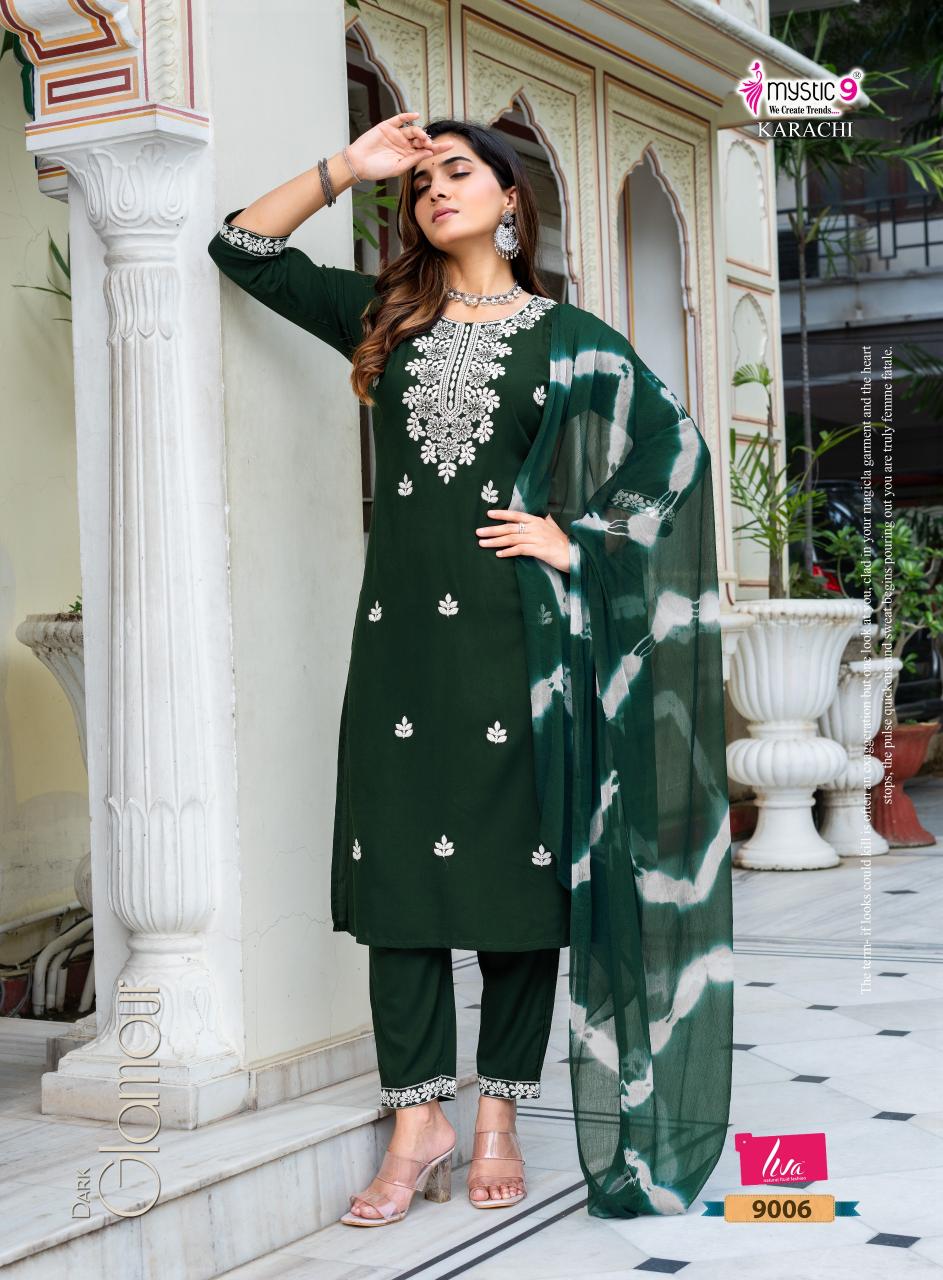
Designer Cotton Kurtis
Customers who appreciate cotton comfort may still want elevated detailing. Designer-inspired necklines, coordinated prints, decorative elements and distinctive silhouettes can help retailers create a premium cotton range.
Such products can also help boutiques avoid competing entirely on price. When a design feels distinctive and well finished, customers may be willing to pay more for the overall appearance and perceived quality.
Cotton Kurti Wholesale Opportunities for Different Retailers
One reason cotton kurtis remain commercially useful is that they can fit different retail models. A home seller and a large showroom may purchase different quantities, but both can build profitable ranges when the products match their customer audience.
Home-Based Sellers
Home-Based Sellers can begin with controlled inventory and test demand through existing social networks. Instead of purchasing large quantities of one style, they can offer a varied selection and track which designs receive the most inquiries.
Once repeat demand develops, sellers can increase inventory strategically. This gradual approach can reduce risk and make working capital easier to manage.
Boutique Owners and Shop Owners
Boutiques benefit from curating products rather than simply displaying a large quantity of similar merchandise. A thoughtful combination of everyday cotton kurtis, premium designs and coordinated sets can help create a more interesting shopping experience.
Working with a dependable cotton kurti wholesale supplier also simplifies replenishment when a particular design or category performs well.
Showroom Owners and Wholesale Buyers
Larger retailers may require deeper inventory and broader size or colour options. Their sourcing strategy should consider historical sales, seasonal demand and inventory turnover.
For these businesses, consistency and regular supply become especially important. Wholesaleexport.in can support buyers exploring different ethnic wear collections through an online wholesale sourcing model backed by industry experience.
Vastralife Wholesale and Export Experience Since 2017
Experience matters in the textile industry because trends, customer expectations and buying behaviour continue to change. Vastralife brings wholesale and export experience since 2017, along with practical industry expertise in serving fashion businesses and understanding the needs of retailers sourcing Indian ethnic wear.
This experience supports a sourcing approach focused on product variety, premium product quality and commercially relevant collections. It is useful for new resellers as well as established Shop Owners and Wholesale Buyers looking to expand their existing inventory.
Serving Domestic and International Fashion Businesses
Indian ethnic fashion has a customer base far beyond India. Boutique businesses in Nepal, Australia and Singapore may source Indian clothing for local customers and South Asian communities.
For international buyers, working with a business that understands wholesale and export sourcing can make communication and purchasing more organised. Buyers should always confirm current product availability, order conditions, shipping arrangements and destination-specific requirements before finalising purchases.
The ability to explore products digitally also makes it easier for international retailers to follow new Indian fashion collections without visiting Surat for every sourcing cycle.
How to Build a Profitable Cotton Kurti Inventory
Buying attractive products is important, but profitable inventory requires planning. Retailers should understand which styles their customers actually purchase, how quickly products move and how much working capital can comfortably remain invested in stock. These factors become especially important when a business starts increasing its order volume.
A practical approach is to divide inventory between proven everyday products and newer experimental designs. Basic cotton kurtis can provide regular turnover, while trend-led prints, premium patterns and contemporary silhouettes can keep the collection visually fresh.
Start With Customer Demand
Before placing a wholesale order, review the customers you already serve. Consider their preferred sizes, colours, prints, price range and occasions. A boutique serving working professionals may require different merchandise from a store catering primarily to college students or homemakers.
Historical sales can provide valuable information. If straight kurtis consistently sell faster than other silhouettes, they may deserve a larger portion of the next buying budget. If a particular colour repeatedly remains unsold, ordering more simply because it appears in a new catalogue may not be commercially sensible.
Maintain a Balanced Price Range
Retailers can create several price levels rather than keeping the entire collection within one narrow range. Entry-level kurtis can attract value-conscious customers, mid-range designs can provide everyday variety and premium products can appeal to customers willing to spend more for fabric, finishing or distinctive styling.
This strategy can also protect profitability. When customers have several options, the conversation shifts from simply asking for the cheapest product to selecting the product that best matches their preferences and budget.
Test First and Scale Successful Designs
Testing is particularly useful for Home-Based Sellers and smaller Boutique Owners. Instead of purchasing excessive quantities of an unfamiliar design, begin with manageable stock where available. Track inquiries and actual sales before increasing the quantity.
This method allows businesses to discover winning products using real customer behaviour. It can also reduce dead stock and keep more working capital available for upcoming collections.
Online Cotton Kurti Wholesale Buying for Modern Retailers
Wholesale purchasing has changed significantly with the growth of digital catalogues and online sourcing. Retailers can now evaluate new collections from their store, office or home instead of travelling to a wholesale market for every buying cycle.
Online sourcing is particularly useful for businesses located far from Surat. A retailer can explore products, shortlist relevant designs and communicate purchasing requirements while continuing to manage day-to-day sales operations.
Advantages for Home-Based and Social Media Sellers
Digital sellers often operate without a traditional storefront. They may showcase products through Instagram, Facebook, WhatsApp groups or direct customer networks. Online wholesale sourcing fits naturally into this model because purchasing and selling can both be managed digitally.
Access to cotton kurti wholesale online collections also makes it easier to introduce fresh products regularly. Sellers can identify designs relevant to their audience and plan inventory according to actual customer engagement.
Advantages for Established Retail Stores
Shop Owners and Showroom Owners can use online wholesale channels to complement their traditional purchasing methods. Instead of travelling whenever inventory becomes low, they can explore new products remotely and use physical sourcing trips more selectively.
A dependable cotton kurti wholesale supplier can therefore become part of an ongoing procurement system rather than being used only for occasional purchases.
Retailers interested in expanding their cotton inventory can explore wholesale rayon kurtis as an additional everyday ethnic wear category. Businesses that want to diversify beyond kurtis can also research wholesale sarees in India for a broader women's fashion assortment.
How to Evaluate Cotton Kurti Quality Before Buying Wholesale
Product quality should be evaluated from a customer's perspective. Retailers need to consider whether the garment provides appropriate value for its intended selling price rather than expecting every product to have identical specifications.
Check Fabric and Overall Feel
Fabric is one of the first things customers notice when they handle a kurti. The material should feel suitable for the product's intended usage and price segment. Everyday garments should provide practical comfort, while premium collections should offer finishing that supports their higher positioning.
Review Stitching and Finishing
Good stitching contributes to both appearance and durability. Retailers should pay attention to seams, necklines, sleeves, hems and decorative elements. Consistent finishing can make even a relatively simple design look more valuable.
Consider Colour and Print Appeal
A design that looks good in a catalogue should also make sense for the retailer's customer base. Prints should be visually balanced, while colours should match the type of customers and season the retailer intends to target.
Fashion buyers should remember that popularity can differ by region. A print performing strongly in one market may receive a different response elsewhere. Local customer knowledge remains an important advantage for Boutique Owners.
Understand Sizes Before Building Deep Inventory
Size demand can vary considerably between stores. Retailers should track which sizes sell most frequently and use that information when possible while planning repeat orders. This is more effective than assuming every size will move at the same rate.
Cotton Kurtis for Seasonal and Everyday Retail Demand
Cotton kurtis are strongly associated with comfortable daily wear, but retailers can merchandise the category for different occasions throughout the year. The design, print, colour and styling determine how customers perceive the product.
Summer Cotton Kurti Demand
Warm weather naturally increases interest in breathable, comfortable clothing. Light colours, floral prints and easy silhouettes can become particularly relevant during summer months.
Retailers can prepare their summer inventory before peak temperatures arrive rather than waiting until customers have already started asking for lightweight clothing.
Office and Everyday Wear
Subtle prints and clean silhouettes can work well for office wear. Customers purchasing clothing for regular professional use often value designs that are presentable, comfortable and easy to style.
This segment can generate repeat demand because working customers may need several outfits rather than one occasional purchase.
Festive Cotton Collections
Cotton does not need to be restricted to simple daily wear. Decorative prints, enhanced necklines, embroidery and coordinated styling can give cotton-based garments a festive appearance while maintaining comfort.
Boutiques can use such products to create an affordable festive range alongside more elaborate ethnic outfits.
Wholesale Cotton Kurti Sourcing for Export Buyers
Indian ethnic fashion has an established audience outside India. Retailers in countries such as Nepal, Australia and Singapore may cater to Indian communities, broader South Asian audiences or customers interested in Indian-inspired fashion.
International buyers should select merchandise according to the destination market rather than simply purchasing whatever is popular domestically. Climate, customer sizing, local fashion preferences and expected retail price can all influence which products are commercially suitable.
Calculate Landed Cost Carefully
An international buyer should consider the complete landed cost rather than looking only at the wholesale product price. Shipping and other applicable destination-related costs can influence the final retail margin.
Calculating these costs before placing a larger order makes it easier to determine whether the final selling price will remain competitive in the destination market.
Choose an Experienced Export Sourcing Partner
Working with a supplier that understands wholesale and export requirements can simplify communication and order coordination. Vastralife's experience in wholesale and export since 2017 provides industry knowledge relevant to businesses sourcing Indian fashion for domestic and international customers.
Wholesaleexport.in offers a digital route for buyers exploring products from India's textile sourcing ecosystem while helping make collections accessible beyond traditional physical wholesale markets.
Internal Linking and Related Wholesale Categories
Retailers should regularly explore related categories because customer demand rarely remains limited to one product type. A customer who buys a cotton kurti may also be interested in a kurti set, saree, dress material or another coordinated ethnic wear product.
Building complementary categories can increase cross-selling opportunities while reducing dependence on a single fashion segment. However, diversification should be gradual and based on customer response rather than adding random products simply to increase catalogue size.
Wholesale Buyers can also use Wholesaleexport.in to follow new fashion collections and compare potential inventory opportunities across women's ethnic wear categories. Combining this product discovery with actual store sales data can lead to more disciplined purchasing decisions.
Common Wholesale Buying Mistakes Retailers Should Avoid
Buying Only Because a Product Is Cheap
A low buying price does not automatically create a profitable product. If the design has limited customer appeal or the quality does not meet expectations, inventory may remain unsold. Always evaluate value and saleability together.
Purchasing Too Much of One Design
Fashion demand can change quickly. Unless a design has already demonstrated strong sales, concentrating too much inventory in one product can increase risk.
Ignoring Existing Sales Data
Retailers often have useful information available through previous invoices, customer inquiries and stock records. Use this data to identify popular sizes, colours and price ranges before making the next purchase.
Following Every Trend
Not every social media trend is suitable for every boutique. A product may receive significant online attention but still perform poorly with your actual customers. Select trends that match your store identity and audience.
Not Refreshing the Collection Regularly
Customers enjoy discovering new merchandise. Regular arrivals give existing customers a reason to return and provide online sellers with fresh products to promote. Maintain proven basics while introducing new designs in controlled quantities.
Customer FAQs
1. Where can I find a cotton kurti wholesale supplier in India?
Retailers can source through established textile markets and online wholesale platforms. Surat is a major textile sourcing centre, and online platforms such as Wholesaleexport.in help buyers explore fashion collections remotely without requiring a physical market visit for every order.
2. Are cotton kurtis profitable for boutique owners?
They can be a commercially attractive category when the design, quality, buying price and customer demand are properly matched. Everyday usability can support repeat purchases, while different styles allow boutiques to serve multiple customer segments.
3. What cotton kurti styles are popular for wholesale buying?
Printed kurtis, straight-cut designs, short kurtis, office-wear styles and designer-inspired cotton kurtis can all be relevant depending on the target market. Retailers should select styles based on their own customers rather than relying only on general trends.
4. Can Home-Based Sellers buy cotton kurtis wholesale?
Yes. Home-Based Sellers can source wholesale collections and sell through WhatsApp, Instagram, Facebook or personal customer networks. Starting with controlled quantities can help them understand demand before scaling inventory.
5. Is Surat good for wholesale kurti sourcing?
Yes. Surat has a substantial textile manufacturing and trading ecosystem. The Surat textile market, Ring Road and Sahara Darwaza areas are familiar sourcing references for retailers and textile buyers across India.
6. What should I check before ordering cotton kurtis in bulk?
Review product specifications, fabric, design, available sizes, quantity, current wholesale price and applicable shipping details. Larger buyers should also consider historical sales and expected inventory turnover before committing to deeper stock.
7. Can cotton kurtis be exported from India?
Indian fashion products can be sourced for international markets subject to applicable supplier serviceability, logistics and destination requirements. International buyers should confirm shipping arrangements and relevant import conditions before finalising an order.
8. How much inventory should a new boutique purchase?
There is no single quantity suitable for every business. New retailers can begin with manageable stock across several designs, identify the products that sell consistently and increase their purchasing volume gradually.
9. How can I improve profit margins when selling kurtis?
Focus on the relationship between buying cost, customer appeal, retail price and inventory turnover. Better merchandising, good customer service, smart product selection and repeat purchasing of proven designs can be more effective than simply searching for the cheapest wholesale rate.
10. Why should retailers work with a regular wholesale supplier?
A dependable supplier can reduce the time spent repeatedly searching for products and provide continuity in sourcing. Regular communication and access to new arrivals can help retailers focus more attention on marketing, customers and business growth.
Choose the Right Cotton Kurti Wholesale Partner for Your Business
The best wholesale sourcing strategy combines product quality, competitive pricing, fresh designs and disciplined inventory management. Cotton kurtis can provide strong everyday retail potential because they appeal to customers looking for comfort, practicality and ethnic styling.
A dependable cotton kurti wholesale supplier should help retailers access varied collections rather than forcing them to choose between quality and commercially sensible pricing. Buyers should compare products carefully, understand their customers and increase quantities only when demand supports expansion.
With Vastralife's wholesale and export experience since 2017, industry expertise and focus on premium product quality, Wholesaleexport.in serves Home-Based Sellers, Shop Owners, Boutique Owners, Showroom Owners, Resellers and Wholesale Buyers looking for fashion sourcing opportunities in 2026.
Explore Latest Wholesale Collections Today
Ready to add fresh cotton kurtis and women's ethnic fashion to your inventory? Explore Latest Collections, competitive Wholesale Pricing and Trendy Ethnic Wear suitable for boutiques, shops, showrooms and reselling businesses.
Wholesaleexport.in offers access to Fast Shipping, COD Support where applicable, attractive Bulk Order Deals and Quality Products Starting From ₹299. Current rates, product availability, MOQ and applicable order conditions can vary by collection, so buyers should confirm details while ordering.
Contact Number: +91 9712582172
Website: wholesaleexport.in
Build your next inventory with fresh designs, smarter purchasing and a wholesale sourcing approach focused on quality, customer demand and long-term retail growth.