



Cotton Kurti vs Rayon Kurti Wholesale Comparison 2026: Which Is Better for Your Business?
Cotton Kurti vs Rayon Kurti Wholesale Comparison 2026: Which Is Better for Your Business?
Choosing between cotton and rayon kurtis is an important inventory decision for retailers because both fabrics serve strong but slightly different customer needs. Instead of asking which fabric is universally better, wholesale buyers should compare comfort, drape, season, design possibilities, customer profile, buying cost and expected retail margin before deciding how much stock to purchase.
Introduction
Kurtis remain an important part of women's ethnic and everyday fashion in 2026. Customers wear them for office use, college, daily routines, casual outings, travel, festivals and small occasions. This broad demand creates opportunities for Home-Based Sellers, Shop Owners, Boutique Owners, Showroom Owners, Resellers and professional Wholesale Buyers.
Among the many fabrics available in the market, cotton and rayon continue to attract significant attention. Both can be used for comfortable and stylish kurtis, but their feel, appearance, drape and customer positioning are different.
A practical cotton kurti vs rayon kurti wholesale comparison therefore needs to go beyond fabric names. Retailers should consider who will buy the garment, when it will be worn, what retail price the market accepts and whether the design can generate enough demand to justify the inventory investment.
Wholesaleexport.in gives clothing businesses access to different ethnic wear collections while Vastralife brings wholesale and export experience since 2017. This industry experience helps in understanding the practical requirements of retailers who need a combination of product variety, competitive sourcing and premium product quality.
Understanding Cotton Kurtis for Wholesale Buying
Cotton is closely associated with comfort and breathability. In warm climates, these characteristics can make cotton-based clothing especially attractive for daily wear. However, the term cotton covers many qualities, constructions and blends, so retailers should evaluate the actual garment rather than relying only on the fabric name.
Why Customers Choose Cotton Kurtis
Comfort is one of the strongest reasons customers look for cotton kurtis. Breathable fabrics can feel practical for long working hours, everyday activities and warmer seasons. Cotton also fits naturally into casual and office-oriented wardrobes.
Printed cotton kurtis, straight-cut styles, A-line kurtis, ethnic prints and simple embroidered designs can serve customers looking for wearable fashion rather than heavily embellished occasion wear.
For Shop Owners and Home-Based Sellers, cotton can therefore provide an important everyday category that supports regular rather than purely seasonal sales.
Wholesale Potential of Cotton Kurtis
Cotton kurtis wholesale can work particularly well when a retailer serves customers who prioritise comfort and easy styling. Their commercial potential depends on fabric quality, design, colour, size availability and wholesale price.
Retailers should not assume every cotton product belongs to the same price segment. Printing technique, fabric quality, embroidery, garment construction and finishing can all influence the final wholesale cost.
Who Should Stock Cotton Kurtis?
Cotton kurtis can be relevant for boutiques, everyday clothing stores, office-wear sellers, online Resellers and shops located in warmer regions. They can also complement other categories such as cotton kurti sets, dress materials and lightweight ethnic wear.
Buyers should analyse their own sales rather than purchasing cotton only because it is considered a popular fabric. If customers regularly ask for breathable daily wear, increasing cotton inventory may be commercially sensible.
Understanding Rayon Kurtis for Wholesale Buying
Rayon has a softer and more fluid character than many traditional cotton fabrics. Its drape allows manufacturers to create flowing silhouettes, flared kurtis, contemporary cuts and comfortable everyday designs.
For retailers, rayon kurtis wholesale can offer a combination of fashion appeal and wearable comfort. The fabric has been used across multiple kurti categories and can work for customers looking for garments that feel soft and visually fluid.
Why Customers Choose Rayon Kurtis
Rayon's drape is one of its most noticeable characteristics. Depending on fabric construction and garment design, it can fall smoothly around the body and create an attractive silhouette.
This makes rayon useful for straight kurtis, A-line styles, flared designs, printed kurtis and coordinated ethnic outfits. The fabric can also carry colours and prints effectively, making it suitable for visually attractive retail collections.
Wholesale Potential of Rayon Kurtis
Rayon kurti wholesale collections can serve budget, mid-range and fashion-focused segments depending on the garment. Buyers should evaluate fabric quality because different rayon products can vary in weight, feel and finishing.
A low wholesale price should not be the only reason to buy. Retailers need to consider whether the garment retains its intended appearance, feels comfortable and provides enough quality for the expected selling rate.
Who Should Stock Rayon Kurtis?
Rayon can be useful for retailers targeting customers interested in soft fabrics, fashionable prints and easy-flowing silhouettes. Online sellers may also find visually attractive rayon designs useful because prints and flowing garment shapes can photograph well.
Boutique Owners can combine rayon with cotton, viscose blends and other materials to create more fabric variety rather than depending entirely on one category.
Cotton Kurti vs Rayon Kurti Wholesale Comparison at a Glance
Both fabrics can generate profitable sales when they are matched with the correct customer. The following comparison provides a practical overview for wholesale buyers.
| Buying Factor | Cotton Kurti | Rayon Kurti |
|---|---|---|
| Primary Appeal | Breathability and everyday comfort | Soft feel and fluid drape |
| Common Use | Daily wear, office wear, summer clothing | Daily wear, casual fashion, flowing styles |
| Visual Character | Natural, structured or relaxed depending on weave | Softer and more fluid |
| Print Potential | Strong for traditional and contemporary prints | Strong for colourful and fashionable prints |
| Seasonal Positioning | Especially useful for warm-weather demand | Can work across multiple everyday seasons depending on construction |
| Retail Audience | Comfort-focused and everyday buyers | Comfort plus fashion-focused buyers |
| Wholesale Strategy | Useful as dependable core inventory | Useful for core and trend-driven inventory |
This cotton kurti vs rayon kurti wholesale comparison should be used as a starting point rather than an absolute rule. Fabric quality, garment construction and design can significantly change how an individual product performs.
Which Fabric Is Better for Summer?
Summer demand is particularly important in many parts of India, where customers may prioritise lightweight and comfortable clothing for several months of the year.
Cotton for Hot Weather
Cotton is commonly associated with breathability, which makes it a natural category for summer merchandising. Lightweight cotton kurtis can appeal to working women, homemakers and customers looking for comfortable everyday clothing.
Retailers preparing summer inventory can consider cotton prints, straight kurtis, relaxed fits and cotton-based kurti sets. Colour also matters; customers may respond differently to pastel, bright and earthy shades depending on local preferences.
Rayon for Soft Everyday Dressing
Rayon can also be used for comfortable daily wear, although the experience depends on fabric construction and garment design. Its softer drape makes it attractive to customers who want an easy-flowing appearance.
Instead of deciding that one fabric must completely replace the other, many retailers can benefit from carrying both and allowing customer preference to determine the final sale.
Cotton vs Rayon: Which Gives Better Design Variety?
Fashion retailers need visual variety because customers often compare several products before making a purchase. Both cotton and rayon can support printed and styled garments, but each fabric creates a different overall look.
Cotton Design Possibilities
Cotton works naturally with traditional prints, floral patterns, geometric motifs, block-inspired designs and understated embroidery. Depending on construction, it can create a slightly more structured appearance that many customers associate with office and everyday ethnic wear.
Printed cotton kurtis wholesale can therefore become useful core inventory for stores that want wearable designs with broad appeal.
Rayon Design Possibilities
Rayon's fluid character supports flared silhouettes, layered styles and fashion-oriented cuts. Prints can appear vibrant, helping retailers create visually varied displays.
For social-media sellers, fashionable rayon kurtis can add movement and colour to reels, product videos and catalogue photography. However, presentation should always accurately represent the actual garment.
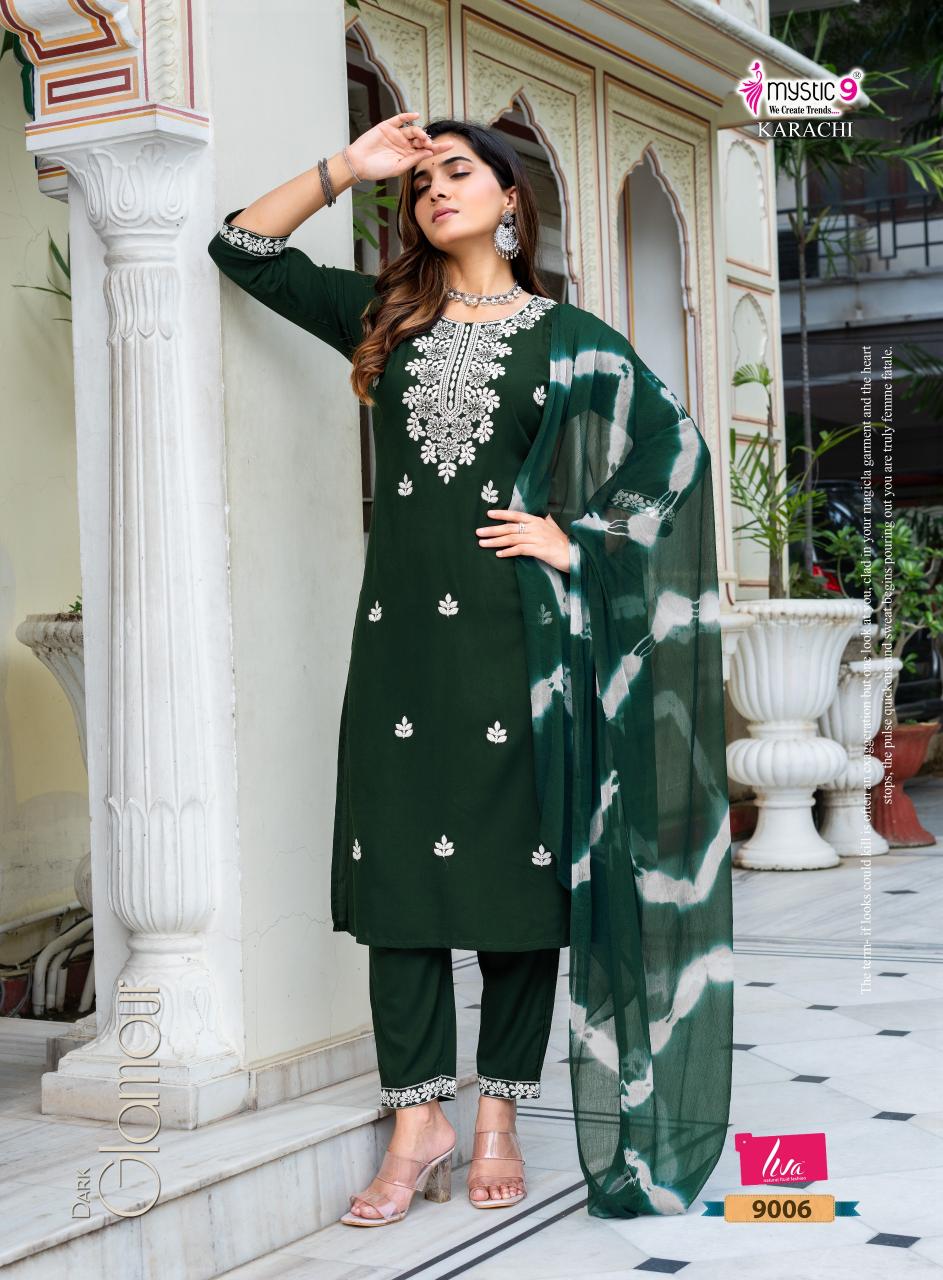
Price Comparison for Cotton and Rayon Kurtis
There is no single fixed answer to which fabric is cheaper. Wholesale price depends on fabric quality, garment length, printing, embroidery, stitching, design complexity, brand positioning and quantity.
Basic products in either category may be available at competitive rates, while better-quality fabrics and detailed workmanship can increase cost significantly.
Do Not Compare Only the Per-Piece Rate
Wholesale Buyers should calculate potential retail value rather than choosing products solely by the lowest purchase rate. If a better-finished garment sells faster and produces fewer complaints, paying slightly more at the sourcing stage can make commercial sense.
Calculate your approximate landed cost after relevant taxes, shipping and packaging. This gives a more accurate basis for deciding retail margin.
Match Wholesale Cost with Customer Budget
A Boutique Owner serving premium customers may prioritise distinctive designs and finishing, while a high-volume reseller may require affordable products that can move quickly.
Neither strategy is automatically better. Profitability depends on matching merchandise to the people actually buying from your business.
Buying Cotton and Rayon Kurtis from Surat
The surat textile market provides access to a broad textile ecosystem involving fabric, processing, garment trading and manufacturing. Areas around ring road and sahara darwaza are well known within Surat's textile trading environment.
Retailers visiting Surat can compare multiple kurti categories, fabrics and price points, but the large selection makes preparation important. Buyers should arrive with an approximate budget, required size range, preferred fabric and customer profile.
Compare Fabric Quality Between Suppliers
Products labelled cotton or rayon can vary between suppliers. Feel the fabric where physical inspection is possible, review stitching and compare finishing. For online purchases, study available product details carefully before ordering.
Wholesaleexport.in helps buyers explore wholesale clothing collections digitally, which can be useful for retailers who cannot regularly travel to the physical Surat markets.
Manufacturing Quality Affects Retail Performance
Good manufacturing involves more than fabric selection. Cutting, stitching, printing, embroidery, finishing and quality checking all influence how customers experience the final garment.
A retailer's reputation is ultimately connected to the products sold, so premium product quality should remain an important consideration alongside design and price.
Which Fabric Is Better for Home-Based Sellers?
Home-Based Sellers often work with controlled purchasing budgets, making inventory flexibility important. Instead of investing the entire budget in cotton or rayon, sellers can test both categories and compare actual customer response.
For example, customers looking for breathable office and daily wear may prefer cotton, while customers interested in flowing silhouettes and colourful fashion may respond strongly to rayon.
Start with Customer Demand
Ask what your customers already purchase. Look at previous WhatsApp enquiries, repeat orders and size requests. This information is more valuable than choosing a fabric based only on general market popularity.
Keep a Mixed Fabric Assortment
A small seller does not need hundreds of pieces to provide choice. Selected cotton and rayon designs across useful price ranges can create enough variety while keeping inventory manageable.
Which Fabric Is Better for Boutiques and Showrooms?
Boutiques and Showroom Owners usually have greater opportunity to create a curated product mix. Instead of treating cotton and rayon as competing categories, both can serve different parts of the store.
Cotton can support daily, office and comfort-oriented sections, while rayon can contribute softer silhouettes and trend-focused designs. Premium variants in both categories can be selected according to the store's customer profile.
Use Cotton as Core Inventory
Where cotton already has dependable demand, retailers can treat selected cotton styles as core stock. These are products that remain relevant even when short-term fashion trends change.
Use Rayon for Fashion Variety
Rayon can complement core inventory with prints, flowing shapes and fresh fashion. Buyers can test newer designs in smaller quantities and replenish the successful ones.
How Export Buyers Should Compare Cotton and Rayon Kurtis
International Wholesale Buyers should consider the destination market before selecting fabric. Customer preferences, climate, sizing, local retail prices and shipping costs can influence which category performs better.
For buyers serving Australia, Nepal and Malaysia, the correct assortment may differ considerably. A product performing strongly in one region should not automatically be expected to achieve the same results elsewhere.
Consider Climate and Customer Lifestyle
Climate can influence demand for breathable cotton, while lifestyle and fashion preferences can affect demand for flowing rayon styles. International boutiques should build stock around their own customer data.
Calculate Export Landed Cost
For export purchases, consider freight, packaging and applicable destination-related costs before deciding retail pricing. A low factory or wholesale rate does not automatically mean a low final landed cost.
Vastralife's wholesale and export experience since 2017 provides industry understanding of the practical sourcing requirements of domestic and overseas clothing businesses.
How to Build a Profitable Cotton and Rayon Kurti Mix
The most practical result of a cotton kurti vs rayon kurti wholesale comparison is often not choosing one winner. It is deciding how much of each category your customers are likely to purchase.
Use previous sales to identify fast-moving fabrics, sizes, colours and price points. Maintain enough dependable stock for regular demand while reserving part of the purchasing budget for new designs.
Separate Core Stock from Trend Stock
Core stock includes products with dependable repeat demand. Trend stock includes newer prints, colours and silhouettes that may generate quick interest but have less predictable long-term demand.
Both cotton and rayon can appear in either category. The classification should be based on your sales history rather than the fabric alone.
Do Not Overbuy One Successful Design
A design that sells quickly once may tempt retailers to reorder heavily. Replenishment can be useful, but fashion demand can shift. Increase quantities gradually while continuing to monitor customer response.
At the next stage, retailers can compare wholesale rayon kurtis according to their preferred style and selling range. Buyers interested in expanding their ethnic assortment can also explore wholesale Pakistani suits based on customer demand.
Which Fabric Offers Better Retail Margins?
Retail margin depends on much more than whether a kurti is made from cotton or rayon. The wholesale purchase rate, fabric quality, design, workmanship, transportation cost, customer demand and final selling price all contribute to profitability. This means retailers should evaluate individual products rather than assuming one fabric automatically provides a higher margin.
A well-selected cotton kurti may generate repeat everyday sales, while a fashionable rayon kurti may sell quickly because of its drape, print or silhouette. Both can be profitable when purchased at the right wholesale price and positioned for the correct customer segment.
Calculate Margin from Landed Cost
Before setting the retail price, calculate the actual landed cost. This can include the product rate, applicable taxes, transportation, packaging and other relevant expenses. Retailers who calculate margins only from the supplier's quoted rate may overestimate their real profit.
This becomes particularly important for buyers sourcing from the surat textile market and selling in another state or country, where transportation or export-related expenses can change the final cost significantly.
Stock Rotation Can Matter More Than Margin Percentage
A product with a very high theoretical margin is not necessarily the best investment if it remains unsold for months. A slightly lower-margin product that sells repeatedly can create stronger cash flow because the same purchasing capital can be reinvested several times.
Shop Owners and Resellers should therefore monitor both margin and stock rotation. The objective is not simply to earn the highest amount on one garment but to create a sustainable inventory cycle.
Cotton vs Rayon for Daily Wear Customers
Daily wear is one of the most important segments for kurti retailers because customers may purchase multiple pieces throughout the year. Comfort, practical styling, manageable maintenance and reasonable price generally influence buying decisions in this category.
Cotton for Comfort-Focused Customers
Customers who specifically ask for breathable fabrics may naturally move toward cotton. This can make cotton kurtis wholesale an important category for stores serving office-going women, homemakers and customers living in warmer regions.
Simple prints, straight silhouettes and wearable colours can provide dependable everyday options without requiring heavy embroidery or elaborate styling.
Rayon for Softness and Flow
Rayon serves another type of daily-wear preference. Customers who enjoy a softer fall and fluid appearance may choose rayon over more structured fabrics. Printed rayon kurtis can also create strong visual appeal at accessible price points, depending on product quality and design.
The practical retail solution is often to provide both options and explain the differences clearly rather than trying to convince every customer that one fabric is universally superior.
Cotton vs Rayon for Office Wear
Office wear requires clothing that can remain comfortable for long hours while looking presentable. Both fabrics can work, although garment construction and design become particularly important.
Cotton Office Kurtis
Cotton kurtis with subtle prints, straight cuts and clean silhouettes can fit naturally into professional wardrobes. Neutral colours, earthy shades and understated patterns may appeal to customers looking for clothing that transitions easily between work and daily activities.
Rayon Office Kurtis
Rayon can create a softer office look, particularly in straight or lightly flared silhouettes. Retailers should select designs that maintain an appropriate balance between fashion and practicality for their target customer.
For both categories, sizing consistency matters because office-wear customers often value dependable fitting and may return to purchase additional colours when a particular pattern works well.
How to Check Quality Before Buying Cotton or Rayon Kurtis
Fabric labels alone do not tell the complete quality story. Two cotton kurtis can have noticeably different fabric feel and finishing, just as two rayon garments can vary in weight, softness and construction.
Check the Fabric
Where physical inspection is possible, examine the fabric feel, thickness, transparency and overall appearance. Buyers should also consider whether the material is appropriate for the garment's intended price segment.
Check Stitching and Finishing
Look at seams, necklines, sleeves, side stitching, buttons and other construction points. Good manufacturing can improve how the garment looks, fits and performs after purchase.
Check Print and Colour Presentation
Printed kurtis should have visually clean designs appropriate for the intended customer. Catalogue photographs are important for online selling, but the actual garment should remain consistent with reasonable customer expectations.
Check Size Information
Do not assume all brands use identical measurements for M, L, XL or XXL. Whenever possible, understand garment measurements or supplier sizing before buying deeper quantities.
.jpeg)
Inventory Strategy for Cotton and Rayon Kurtis
Inventory planning can have a greater impact on profitability than choosing between the two fabrics. A retailer who buys the correct mix of cotton and rayon according to customer demand is generally in a stronger position than someone who invests heavily in one category without studying sales.
Use Previous Sales as Your Buying Guide
Review which fabrics, sizes, colours and price points generated the strongest sales during previous months. If cotton performs particularly well during summer, prepare stock before peak demand begins. If rayon prints consistently receive online enquiries, allocate enough budget to maintain variety.
Keep Different Price Segments
Not every customer arrives with the same budget. Retailers can maintain affordable daily-wear options, mid-range fashion products and selected premium styles. This gives sales staff or online sellers more flexibility when responding to customer requirements.
Keep Budget Available for New Arrivals
A common inventory mistake is spending the entire purchasing budget in one order. Keeping some capital available allows retailers to respond when a new trend, colour or fast-selling design appears.
This is particularly relevant in 2026, when social media and online fashion content can influence customer preferences rapidly.
Cotton and Rayon Buying Strategy for Online Resellers
Online Resellers have different challenges from physical retailers because customers cannot touch the fabric before ordering. Clear product presentation and accurate information therefore become especially important.
Describe Fabric Clearly
Tell customers whether the product is cotton, rayon or a blend according to the available product information. Avoid creating unrealistic expectations by describing every fabric as premium or luxury without a reasonable basis.
Show the Garment Properly
Clear photographs and videos can help customers understand colour, silhouette and overall styling. For rayon garments, movement can help demonstrate the flowing nature of the fabric, while cotton products can be presented around comfort and everyday styling.
Use Customer Questions as Market Research
If several customers repeatedly ask for cotton in XXL, record that information. If rayon printed kurtis receive more enquiries within a particular price range, record that too.
These small pieces of information gradually create valuable purchasing data that can improve future inventory decisions.
Common Mistakes When Buying Cotton and Rayon Kurtis Wholesale
A successful cotton kurti vs rayon kurti wholesale comparison should also identify mistakes that can make otherwise good products difficult to sell.
Buying Only Because the Price Is Low
A low buying rate can look attractive, but customers still expect reasonable fabric and stitching quality. Products that create complaints can damage repeat business and consume time through customer service issues.
Buying Too Many Similar Prints
Ten different catalogues may still look repetitive if they contain similar colours, prints and silhouettes. Create meaningful variety so customers can clearly see differences between products.
Ignoring Your Local Climate
Climate can influence fabric preference. Cotton may receive stronger attention during hot periods, while other fabrics can perform differently according to season and local customer habits.
Ignoring Size Demand
Buying equal quantities of every available size can create dead stock when your customer base has a different size distribution. Use historical sales to guide size purchasing.
Following Trends Without Testing Demand
A product may be popular on social media without becoming a strong seller in your particular market. Test new trends in controlled quantities before increasing investment.
Internal Linking: Explore Related Wholesale Ethnic Wear
Cotton and rayon kurtis can form the foundation of a broader women's ethnic wear assortment. Once retailers understand their customers, they can gradually introduce complementary categories such as kurti pant sets, dress materials, co-ord sets, festive suits and other ready-to-wear products.
The purpose of category expansion should be to increase customer choice without creating unnecessary inventory. If existing kurti customers regularly ask for complete outfits, coordinated sets may be a logical next category. If they ask for more traditional occasion wear, festive collections may be more relevant.
Wholesaleexport.in helps retailers discover different wholesale clothing categories and compare products according to their target selling range. Buyers can use these collections to build a balanced inventory rather than depending entirely on a single fabric or garment category.
Customer FAQs
1. Which is better for wholesale buying: cotton kurti or rayon kurti?
Neither fabric is universally better. Cotton can be attractive for customers prioritising breathability and everyday comfort, while rayon can appeal to customers looking for softness, drape and flowing styles. Wholesale buyers should stock according to their own customer demand.
2. Are cotton kurtis better for summer?
Cotton is commonly preferred for warm-weather clothing because of its breathable characteristics. Lightweight cotton kurtis can therefore be useful summer inventory, although actual comfort also depends on fabric construction and garment design.
3. Are rayon kurtis good for daily wear?
Rayon kurtis can work well for daily wear when the fabric and garment construction provide appropriate comfort and quality. Their soft drape makes them popular for multiple casual and everyday silhouettes.
4. Which fabric provides better profit margins?
Profit depends on the purchase rate, landed cost, customer demand, retail price and stock rotation rather than fabric alone. Both cotton and rayon kurtis can generate healthy margins when sourced and priced correctly.
5. Where can I buy wholesale kurtis from Surat?
The surat textile market, including textile trading areas around ring road and sahara darwaza, provides access to many wholesale clothing businesses. Buyers who cannot visit Surat regularly can also explore online wholesale sourcing options.
6. Should a new reseller stock both cotton and rayon?
For many new Resellers, testing both fabrics in controlled quantities can be a practical strategy. Customer response can then determine which category deserves more investment in future orders.
7. Which fabric is better for boutique customers?
It depends on the boutique's positioning. Cotton can work for premium everyday and comfort-focused fashion, while rayon can provide flowing silhouettes and fashion-oriented designs. A curated combination of both can create stronger variety.
8. What should I check before ordering kurtis wholesale?
Check fabric information, available sizes, stitching, product composition, colour options, wholesale price and relevant shipping details. Calculate approximate landed cost before deciding your expected retail margin.
9. Can cotton and rayon kurtis be exported?
Both categories can be considered for international retail markets. Export buyers should evaluate destination demand, climate, sizing preferences, freight and applicable import-related requirements before purchasing.
10. How much kurti stock should a Home-Based Seller buy?
There is no fixed quantity suitable for every seller. Start according to your available budget and existing customer base, test multiple designs and increase quantities only after observing actual demand.
Which One Should You Choose in 2026?
After completing the cotton kurti vs rayon kurti wholesale comparison, the most practical conclusion is that the right choice depends on your customer rather than the fabric name alone.
Choose more cotton when your business receives strong demand for breathable, comfortable, office-friendly and summer-oriented clothing. Increase rayon when customers prefer softer drapes, colourful prints and fashion-focused silhouettes. If both categories perform well, maintain a balanced assortment and let actual sales determine future investment.
For Boutique Owners and Showroom Owners, cotton and rayon can complement each other within a curated collection. For Home-Based Sellers and Resellers, smaller mixed quantities can provide variety while controlling inventory risk.
Wholesale Buyers should also remember that fabric quality can vary significantly. Compare individual products, stitching, finishing, sizing and price instead of assuming every cotton or rayon garment offers identical quality.
Why Source Wholesale Fashion with Wholesaleexport.in?
Wholesaleexport.in provides wholesale buyers with access to changing fashion collections across multiple ethnic and contemporary categories. This makes it easier for businesses to explore products according to customer demand, budget and selling season.
Backed by Vastralife's wholesale and export experience since 2017, the business brings practical textile industry expertise to sourcing for retailers, boutiques, Resellers and Wholesale Buyers. The focus remains on product variety, competitive wholesale opportunities and premium product quality.
Whether you are sourcing for customers in India or building stock for markets such as Australia, Nepal or Malaysia, careful product selection remains essential. Choose fabrics and designs according to the customers you actually serve rather than relying only on general fashion trends.
Start Buying Wholesale Kurtis for Your Business
Ready to refresh your kurti inventory for 2026? Explore Wholesaleexport.in for wholesale fashion options designed for Home-Based Sellers, Shop Owners, Boutique Owners, Showroom Owners, Resellers and professional Wholesale Buyers.
- Latest Collections for regularly refreshed inventory
- Wholesale Pricing for business buyers
- Trendy Ethnic Wear for shops, boutiques and online Resellers
- Fast Shipping for convenient order fulfilment
- COD Support on eligible orders
- Bulk Order Deals for qualifying wholesale purchases
- Quality Products Starting From ₹299
Instead of choosing cotton or rayon simply because one fabric is currently popular, build your inventory around comfort, quality, price, customer preference and proven sales. A carefully planned mix can give customers more choice while helping your business maintain healthier stock rotation.
Contact Us: +91 9712582172
Website: wholesaleexport.in
Explore the latest wholesale collections, compare products according to your selling market and invest in stock with genuine retail potential. Better fabric selection and smarter inventory planning can help turn your wholesale purchasing decisions into stronger customer satisfaction, repeat sales and sustainable business growth.