


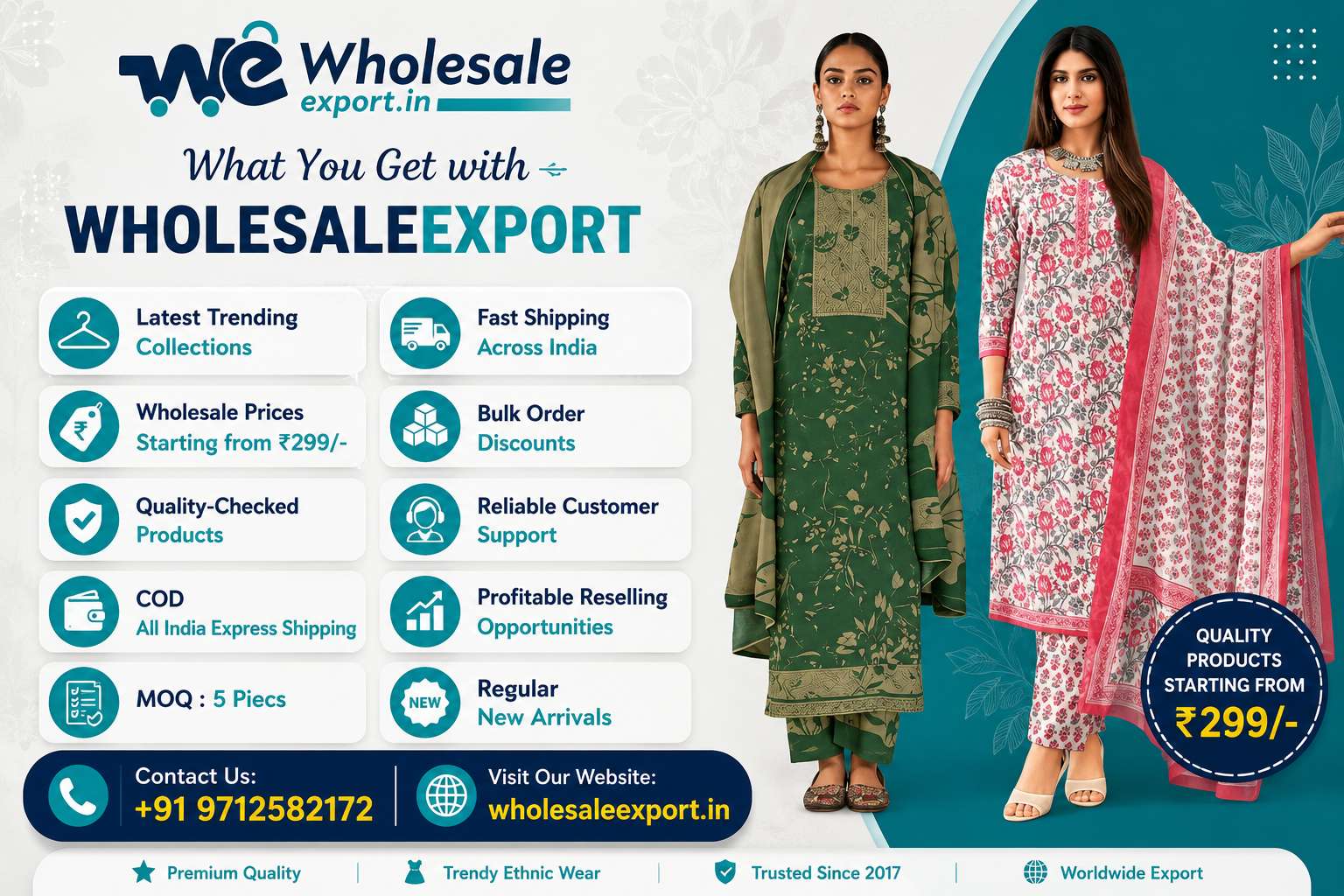
Cotton Dress Material Wholesale for Summer Season 2026
Cotton Dress Material Wholesale for Summer Season 2026
Summer fashion is all about comfort, breathability and effortless style, and that is exactly why cotton continues to remain one of the strongest categories for ethnic wear retailers. For the 2026 summer season, buyers are looking beyond basic fabrics and choosing attractive prints, coordinated dupattas, elegant colour combinations and versatile unstitched suit materials that customers can customize according to their preferred fitting and style. For retailers, this creates a valuable opportunity to build a summer-focused inventory with products that are practical for everyday use while still looking fashionable.
Introduction
The Indian ethnic wear market changes quickly with seasons, but cotton has maintained its position as a dependable summer fabric for years. When temperatures rise, customers naturally prefer lightweight outfits that feel comfortable during long working hours, travel, shopping and everyday activities. This makes cotton dress material wholesale particularly relevant for Shop Owners, Boutique Owners, Home-Based Sellers, Showroom Owners, Resellers and Wholesale Buyers preparing their inventory for summer 2026.
Unlike heavily seasonal festive garments, cotton dress materials can serve several customer groups. They can be stitched into office suits, casual salwar suits, straight-cut kurtas, traditional sets and comfortable daily wear outfits. This flexibility gives retailers more opportunities to sell the same product category to women with different styling preferences.
Surat continues to be an important sourcing destination for women's ethnic wear because of its extensive textile trading, processing and manufacturing ecosystem. Buyers exploring the Surat textile market, including major commercial areas around Ring Road and Sahara Darwaza, can find a wide variety of fabrics and ethnic fashion products across multiple price segments.
Wholesaleexport.in brings this sourcing experience online, helping buyers discover new collections without depending entirely on physical market visits. For retailers located outside Gujarat or international wholesale buyers, digital catalogue access can make product discovery and purchasing more convenient.
Why Cotton Dress Materials Are Important for Summer 2026
Fashion trends may change every season, but summer customers usually have a few consistent expectations: the fabric should feel comfortable, the design should look fresh and the final outfit should be easy to wear. Cotton-based dress materials address these requirements while giving customers freedom to choose their own tailoring style.
Breathable Fabric for Hot Weather
One of the main reasons customers search for cotton suits during summer is comfort. Breathable fabric can be more suitable for warm conditions than heavier occasion-focused materials. This is especially important in many Indian cities where summer temperatures remain high for extended periods.
For retailers, comfortable fabric is not simply a product feature; it can become a strong selling point. Customers who have a positive experience with a fabric may return for different colours, prints and designs from the same category.
Perfect for Everyday and Office Wear
Summer wardrobes require outfits that customers can use repeatedly. Cotton dress materials work well for office-going women, teachers, business owners, homemakers and customers who prefer traditional outfits for regular wear.
Retailers can therefore position cotton collections around multiple use cases instead of marketing everything simply as "dress material." Terms such as office wear cotton suits, summer salwar suit material, daily wear cotton dress material and casual ethnic wear can help customers understand how a product fits into their lifestyle.
Freedom of Custom Fitting
Unstitched dress materials remain useful because customers can tailor them according to individual measurements. This is particularly valuable for buyers who have difficulty finding comfortable ready-made sizes or prefer a specific neckline, sleeve length, kurta length or bottom style.
For boutiques offering tailoring services, unstitched cotton suit material can also create an additional revenue opportunity. The business can sell the fabric and provide customization as a separate service.
Trending Cotton Dress Material Styles for 2026
Summer 2026 is not limited to plain cotton. Customers increasingly expect comfort and design together. Wholesale buyers can build stronger collections by mixing classic products with updated patterns and colour stories.
Floral Printed Cotton Dress Materials
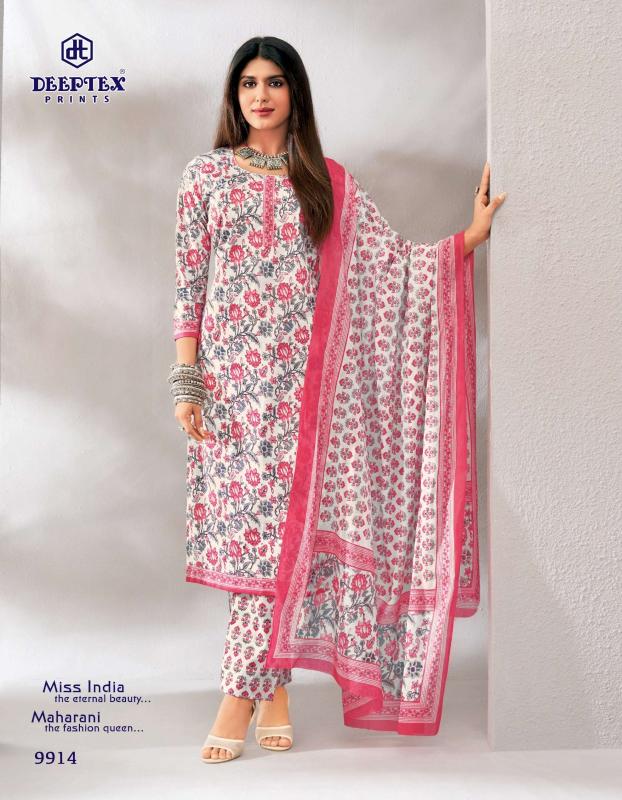
Floral prints remain highly suitable for warm-weather fashion because they create a light and fresh visual appeal. Small florals can work well for daily and office wear, while larger botanical prints can create more noticeable catalogue designs.
Retailers can carry a combination of pastel floral suits and stronger colour combinations so that the collection serves different age groups and customer preferences.
Block Print and Traditional Inspired Designs
Traditional-looking prints continue to have strong commercial value. Motifs inspired by block printing, ethnic geometry, paisley patterns and regional craft aesthetics can give cotton outfits an authentic Indian character without making them too heavy for everyday use.
These products can be particularly attractive for Boutique Owners who want their collection to look different from basic mass-market designs.
Digital Printed Cotton Collections
Digital printing allows designers and manufacturers to introduce detailed motifs, coordinated colour stories and contemporary patterns. For online sellers, visually distinctive digital prints can also perform well in catalogues because customers can immediately notice the design.
However, wholesale buyers should balance visual appeal with commercial wearability. A striking print may attract attention, but repeat-selling designs are usually those that customers can comfortably imagine wearing.
Pastel and Summer-Friendly Colours
Soft pink, sky blue, peach, lavender, mint, beige, lemon and other lighter shades naturally fit summer merchandising. These shades can be combined with selective brighter colours such as green, blue, maroon or mustard to prevent the overall collection from becoming repetitive.
In 2026, colour assortment can be as important as the design itself. Retailers should avoid investing their entire budget in one colour family even when a particular shade is trending.
Coordinated Dupatta Sets
The dupatta can significantly improve the perceived value of a cotton dress material. A well-coordinated printed or bordered dupatta can transform a simple kurta-bottom combination into a more complete ethnic outfit.
For wholesale catalogues, three-piece combinations containing top material, bottom material and dupatta are particularly easy to explain and market to customers.
How Retailers Should Select Cotton Dress Materials in Bulk
Successful wholesale purchasing is not about choosing the largest possible number of designs. It is about creating an inventory that matches the retailer's customer base, selling price and seasonal demand.
Understand Your Customer's Preferred Price Range
Before placing a bulk order, retailers should understand how much their regular customers are comfortable spending. A Home-Based Seller serving value-conscious customers may require a different assortment from a premium boutique selling designer-inspired ethnic wear.
The wholesale price should leave sufficient room for transportation, operating costs and retail margin while keeping the final selling price competitive. Instead of comparing products only by their lowest rate, buyers should evaluate fabric, design, product components and finishing together.
Choose Variety Instead of Repetition
Customers like to feel that they have options. A retailer carrying twenty nearly identical floral prints may have more pieces but less perceived variety than a retailer offering florals, traditional prints, geometric patterns, embroidered accents and different dupatta combinations.
This is especially relevant for social-media sellers because catalogue variety encourages customers to continue browsing.
Check Fabric Information Carefully
The word "cotton" can be associated with multiple fabric constructions and blends in the textile trade. Buyers should review the product description and available specifications before ordering rather than assuming every cotton-category product has identical characteristics.
Retailers should also communicate the available fabric information accurately to their customers. Clear descriptions can improve customer confidence and reduce misunderstandings after purchase.
Buy According to Season and Sales Cycle
Summer stock should ideally be planned before peak demand begins. Retailers who wait until the hottest period to begin sourcing may lose valuable selling time. Preparing collections early gives businesses time for photography, customer promotion, catalogue sharing and repeat purchasing.
Wholesale buyers should also consider regional weather differences. Summer demand may begin earlier in some parts of India than in others, while international markets can follow completely different seasonal cycles.
Why Surat Is a Major Source for Wholesale Dress Materials
Surat has developed a strong position in India's textile trade through decades of fabric processing, trading, garment production and distribution. The city's ecosystem enables retailers to explore a wide spectrum of products, from affordable daily wear to more premium ethnic fashion.
The commercial textile areas around Ring Road are widely associated with wholesale activity, while Sahara Darwaza and surrounding market zones form part of Surat's broader textile business network. For buyers searching for dress material wholesale in Surat, this concentration of textile businesses can provide access to frequently changing collections.
The advantage is not only product variety. A large textile ecosystem can support sourcing across fabrics, prints, embroidery, packaging and finished ethnic wear categories. This makes Surat particularly relevant to retailers who want to expand beyond one product segment over time.
Wholesaleexport.in helps make this sourcing ecosystem more accessible digitally. Instead of travelling to the market for every new arrival, buyers can review collections online and communicate their wholesale requirements remotely.
Who Can Benefit from Cotton Dress Material Wholesale?
Home-Based Sellers
Home-Based Sellers can use cotton dress materials to build a relatively practical summer catalogue. Products can be promoted through WhatsApp groups, social media, personal networks and repeat customers without requiring a large physical showroom.
For new sellers, it can be useful to begin with a controlled assortment and track which prints and price ranges receive the most enquiries before expanding stock.
Boutique Owners
Boutique Owners can use unstitched materials differently from standard retailers by adding styling and tailoring services. A customer may choose a fabric from the catalogue and then customize the neckline, sleeves, kurta cut and bottom according to her preference.
This can turn an ordinary dress material into a personalized boutique product and potentially increase the overall order value.
Shop and Showroom Owners
Physical retailers benefit from maintaining multiple summer price segments. Entry-level cotton designs can attract regular shoppers, while better-finished or more detailed collections can cater to customers looking for something distinctive.
Displaying products according to fabric, design type or price can also make selection easier for customers.
Resellers and Online Retailers
Online sellers can benefit from cotton dress materials because catalogue photographs clearly communicate prints and colour combinations. Product descriptions should include relevant information such as material type, available components and other supplied specifications.
Regular posting is also important. Instead of uploading dozens of designs in one day and then remaining inactive, sellers can introduce smaller batches of new arrivals throughout the season.
Wholesale Opportunities Beyond India
Cotton ethnic wear also has potential outside India, especially among South Asian communities and customers interested in comfortable Indian clothing. Wholesale buyers considering export should select collections according to local climate, customer preferences and retail positioning rather than assuming one assortment will work everywhere.
Malaysia
Malaysia's warm climate can make lightweight ethnic clothing relevant for customers looking for comfortable traditional and semi-traditional fashion. Retailers serving Indian communities may build collections around cotton suits, printed dress materials and versatile everyday ethnic wear.
Singapore
For Singapore retailers, compact but well-selected inventories may be more practical than extremely large repetitive collections. Cotton dress materials suitable for office wear, family functions and cultural occasions can help create a balanced assortment.
Nepal
Nepal offers another market for Indian ethnic wear, with demand varying according to season, region and occasion. Wholesale buyers can combine cotton dress materials with other women's ethnic categories to maintain product diversity across different selling periods.
International businesses should confirm current shipping charges, delivery options, applicable duties and other import requirements before finalizing an order.
Vastralife's Wholesale and Export Experience Since 2017
Wholesale sourcing requires more than simply listing products online. Retailers need access to current collections, clear communication and practical understanding of the textile business. Vastralife has been involved in wholesale and export since 2017, building industry experience across women's ethnic fashion and serving different types of business buyers.
This experience supports Wholesaleexport.in in presenting collections for Shop Owners, Boutique Owners, Resellers, Showroom Owners, Home-Based Sellers and Wholesale Buyers. The focus remains on providing access to commercially relevant products while maintaining attention to premium product quality and changing fashion demand.
For summer 2026, this becomes particularly useful because retailers need fresh stock regularly rather than one static seasonal catalogue. New designs, colours and product combinations can help businesses keep their customer-facing collections active.
Whether a buyer operates in India or purchases for an overseas market, understanding the customer before selecting stock remains essential. The most profitable collection is not necessarily the most expensive or the cheapest; it is the collection that matches the retailer's target audience and sells consistently.
For retailers, another major advantage of the category is the ability to combine commercially proven styles with fresh seasonal designs. Instead of depending on a single pattern, businesses can stock printed cotton suits, lightweight dupatta sets, office-wear materials, everyday ethnic designs and premium-looking collections. This balanced approach can help retailers serve both price-sensitive shoppers and customers willing to spend more for better detailing.
Buyers searching online can also explore wholesale dress materials in Surat to compare different styles and seasonal collections. Retailers who want to diversify beyond dress materials can additionally explore categories such as organza sarees when planning a broader ethnic wear inventory.
How to Build a Profitable Summer 2026 Collection
A profitable summer collection should not be built simply by purchasing whatever is available at the lowest price. Retailers need to think about customer demand, inventory rotation, colour preferences, local climate and expected selling margins. A thoughtful assortment generally gives customers enough choice without creating unnecessary stock duplication.
Start With Fast-Moving Everyday Designs
Daily wear and office wear should form an important part of a summer assortment because these products can address regular purchasing needs. Comfortable cotton suit materials with wearable prints, balanced colours and practical designs can appeal to a broad customer base.
Retailers can begin with familiar styles and then gradually introduce more experimental designs. This reduces the risk of putting too much capital into fashion trends that may receive attention online but do not convert into actual sales.
Add Premium-Looking Cotton Collections
Not every summer customer wants the cheapest product. Some customers prefer breathable outfits with better detailing, elegant dupattas, sophisticated prints or distinctive colour combinations. Keeping a selective premium range allows retailers to cater to this segment without changing the core focus of the collection.
This approach can be especially useful for boutique and showroom businesses where presentation, fabric feel and design exclusivity influence purchasing decisions.
Maintain a Smart Colour Mix
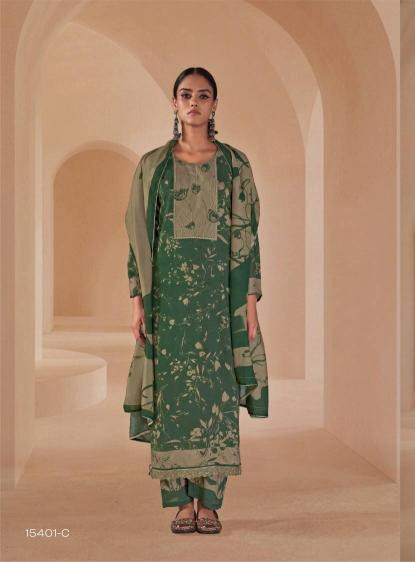
Summer-friendly shades should dominate the collection, but retailers should avoid making every product look similar. Pastels can be mixed with stronger colours such as royal blue, bottle green, maroon, mustard, rust and deep pink.
Customer preferences can vary significantly by region. Tracking previous sales is therefore more reliable than blindly following a colour trend. If a retailer knows that particular shades repeatedly perform well with existing customers, those colours can receive a larger share of the purchasing budget.
Understanding Wholesale Price and Retail Margin
One of the most important questions for any wholesale buyer is how much margin a product can generate. The answer depends on more than the purchase rate. Shipping, packaging, taxes where applicable, marketing costs, payment charges, tailoring services and other operational expenses can influence the final margin.
Retailers buying cotton dress material wholesale should calculate the approximate landed cost before deciding the retail price. A low wholesale rate may appear attractive initially, but product quality and customer acceptance ultimately determine whether the stock generates profit.
Do Not Compete Only on the Lowest Price
Competing only on price can become difficult because another seller can always attempt to offer a lower rate. Instead, retailers can compete through collection selection, customer service, product knowledge, quick response and reliable delivery.
For example, a Home-Based Seller who understands which colours and patterns suit a customer's preferences may build stronger repeat business than a seller who simply forwards hundreds of catalogue images.
Calculate Your Complete Landed Cost
Before setting the selling price, calculate all expenses associated with bringing the product into inventory. This is particularly important for buyers outside Surat and for international customers arranging export shipments.
A simple margin calculation can help businesses determine which collections deserve larger quantities and which products should remain limited trial purchases.
Why Regular New Arrivals Matter in the Wholesale Business
Customers increasingly discover fashion through social media, WhatsApp catalogues and online stores. They are exposed to new designs regularly, which means retailers cannot rely on one collection for the entire season.
Fresh arrivals give sellers something new to communicate. A reseller can send a new catalogue to existing customers, a boutique can update its display and an online seller can create new posts or short videos around recently launched products.
Wholesaleexport.in regularly focuses on new ethnic wear collections so wholesale customers can discover different products without repeatedly travelling to the Surat textile market. This digital sourcing approach can be especially valuable for buyers located far from Surat.
Use New Arrivals to Generate Repeat Enquiries
Instead of sending the same catalogue repeatedly, retailers can create anticipation around new stock. Messages such as "New Summer Cotton Collection," "Fresh 2026 Designs" or "New Wholesale Arrivals" give existing customers a reason to check the latest products.
The strategy is particularly useful for WhatsApp sellers and social-media resellers because consistent product updates keep the business visible without depending entirely on paid advertising.
How Home-Based Sellers Can Sell Cotton Dress Materials
Home-Based Sellers do not necessarily need a large physical inventory to start building a customer network. A carefully selected catalogue, consistent communication and understanding of product details can provide a practical starting point.
Begin by identifying a clear audience. Instead of trying to sell everything to everyone, sellers can focus on categories such as affordable daily wear, office wear cotton suits, premium cotton dress materials or summer collections for working women.
Use WhatsApp Catalogues Effectively
Avoid sending an overwhelming number of images without context. Select products according to the customer's likely budget and explain the important features clearly. Include the design, fabric information available from the supplier, components of the set and selling price.
Creating separate customer groups according to product interest can also make communication more relevant. Customers interested primarily in cotton suits do not necessarily need every saree or festive lehenga catalogue.
Build Trust Through Consistent Communication
For resellers, customer trust is often more important than having thousands of products. Give realistic information about product availability, dispatch expectations and supplied specifications. If a particular design becomes unavailable, offer alternatives rather than making uncertain promises.
Buying Tips for Boutique and Showroom Owners
Boutiques and showrooms usually need a broader assortment because customers expect to see different options during a physical visit. However, variety should still be controlled intelligently.
Separate Everyday and Premium Sections
Displaying affordable everyday cotton products separately from premium collections helps customers understand the available range quickly. It can also improve upselling because a customer initially searching for a basic suit may notice a more detailed premium option.
Use Complete Looks for Better Presentation
Whenever possible, show customers how a dress material can look after stitching. A styled reference, mannequin presentation or sample stitched outfit can help buyers visualize the final appearance.
This technique is particularly useful for unstitched material because some customers find it difficult to imagine the finished garment from folded fabric alone.
Track Fast-Moving Designs
Maintain simple records of which designs, colours and price ranges sell fastest. Wholesale purchasing becomes much easier when decisions are based on actual customer behaviour rather than assumptions.
Over time, this data can help a retailer identify the right balance between low-price products, mid-range collections and premium designs.
Manufacturing and Sourcing Trends in 2026
The textile business is becoming increasingly catalogue-driven and digitally connected. Manufacturers and wholesalers can introduce collections quickly, while retailers can evaluate products remotely. This has shortened the gap between manufacturing, wholesale distribution and retail demand.
For buyers who previously depended entirely on physical visits to Ring Road or Sahara Darwaza, online sourcing can reduce the time required to discover new products. Physical market relationships remain valuable, but digital access gives businesses another practical purchasing channel.
In 2026, retailers should therefore combine traditional textile knowledge with digital selling techniques. Product selection, photography, catalogue presentation, customer communication and quick response all influence the final sales performance.
Internal Linking and Related Wholesale Categories
Building a complete ethnic wear business often requires more than one product category. Cotton dress materials can serve as a dependable summer segment, while complementary categories can help retailers maintain sales across festivals, weddings and changing seasons.
Wholesale Buyers can consider combining summer dress materials with kurtis, kurti sets, sarees, co-ord sets, salwar suits and other women's ethnic wear according to their customer profile. A diversified collection can reduce dependence on one seasonal product and give customers more reasons to purchase from the same seller.
Wholesaleexport.in can be used to discover such changing collections from Surat and plan stock according to the retailer's budget, market and target audience.
Customer FAQs
1. Why are cotton dress materials suitable for summer 2026?
Cotton-based dress materials are popular for summer because customers generally prefer lightweight, comfortable and breathable ethnic wear during warmer months. They also allow buyers to customize the outfit according to personal measurements and styling preferences.
2. Who can purchase cotton dress materials at wholesale rates?
Shop Owners, Boutique Owners, Showroom Owners, Resellers, Home-Based Sellers and other Wholesale Buyers can source products according to their business requirements and available collections.
3. Can I source wholesale dress materials online from Surat?
Yes. Digital wholesale platforms such as Wholesaleexport.in allow buyers to explore available collections remotely, making Surat sourcing more accessible for businesses that cannot visit the textile market regularly.
4. Are wholesale products available for international buyers?
International wholesale requirements can be discussed for markets such as Malaysia, Singapore and Nepal, along with other supported destinations. Buyers should confirm product availability, shipping arrangements, applicable import requirements and current charges before ordering.
5. What should I check before placing a bulk order?
Review the available product specifications, fabric information, designs, colours, quantity requirements, wholesale price, shipping terms and other applicable conditions. Retailers should also select stock according to their own customers rather than purchasing solely because a design is trending.
6. Is cotton dress material suitable for reselling through WhatsApp and social media?
Yes. Catalogue-based products can work well for digital reselling because sellers can share product images and details directly with customers. Clear descriptions and regular new arrivals can help generate repeat enquiries.
7. How should a retailer prepare for peak summer demand?
Start sourcing before peak temperatures arrive, create a balanced assortment of colours and designs, promote new stock consistently and monitor which products sell fastest. Early planning gives retailers more time to reorder successful collections.
Start Sourcing Your Summer 2026 Wholesale Collection
If you are preparing your store, boutique, showroom or online reselling business for summer, now is the right time to explore commercially relevant cotton and ethnic wear collections. Choose products according to your customer profile, maintain variety and keep introducing fresh designs throughout the season.
With Vastralife's wholesale and export experience since 2017, industry knowledge and focus on premium product quality, buyers can explore wholesale opportunities designed for different business models and markets.
- Latest Collections – Explore regularly updated women's ethnic wear designs.
- Wholesale Pricing – Source products at business-focused wholesale rates.
- Trendy Ethnic Wear – Discover styles suitable for changing customer demand.
- Fast Shipping – Convenient dispatch options for wholesale orders.
- COD Support – Available for eligible orders in India as per applicable terms.
- Bulk Order Deals – Discuss requirements for larger wholesale purchases.
- Quality Products Starting From ₹299 – Explore value-oriented products across available collections.
Contact Number: +91 9712582172
Website: wholesaleexport.in
Build your summer inventory with the right combination of comfort, style, pricing and variety. Explore the latest collections, compare products and select designs that match the expectations of your customers for the 2026 season.