



Chinon Pakistani Suits Wholesale: Latest Designer Collections for Boutiques & Resellers in 2026
Chinon Pakistani Suits Wholesale: Latest Designer Collections for Boutiques & Resellers in 2026
Pakistani-inspired ethnic fashion has developed a strong place in modern women's wardrobes because it combines graceful silhouettes, expressive detailing and versatile styling. Chinon adds a fluid and dressy character to this category, making these suits especially attractive for retailers who want collections that can transition from festive celebrations to family functions, parties and premium ethnic occasions. For wholesale businesses, the opportunity lies in choosing designs that look impressive while remaining commercially suitable for the customers they actually serve.
Introduction
The ethnic wear business in 2026 is increasingly driven by customers who discover fashion through Instagram, WhatsApp catalogues, short videos and online stores before visiting a physical shop. This has created strong demand for outfits that communicate their appeal immediately through photographs while still offering practical value when customers receive them.
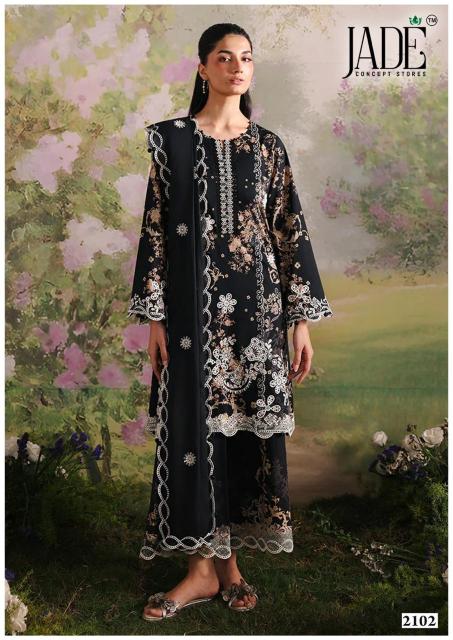
Chinon Pakistani Suits Wholesale collections fit naturally into this environment. Pakistani-inspired silhouettes are known for long kurtas, elegant bottoms, coordinated dupattas, statement necklines and carefully balanced decorative work. When these elements are combined with Chinon fabric, the resulting outfit can deliver a graceful appearance that works particularly well for festive and occasion-focused selling.
For Home-Based Sellers, Shop Owners, Boutique Owners, Showroom Owners, Resellers and Wholesale Buyers, this category provides an opportunity to expand beyond basic salwar suits. It can help create a more premium-looking section within an ethnic wear inventory without forcing every product into the heavy bridal segment.
Surat remains an important sourcing destination for such fashion. The surat textile market, particularly the broader trading ecosystem around ring road and sahara darwaza, connects retailers with wholesalers, fabric suppliers, processors and manufacturing businesses serving customers across India and international markets.
What Are Chinon Pakistani Suits?
Chinon Pakistani suits combine Pakistani-inspired garment styling with Chinon fabric or Chinon-based specifications as stated for the individual catalogue. Since fabric composition, finishing and construction can differ between manufacturers, wholesale buyers should always check the exact product details supplied with each collection rather than assuming that every Chinon product is identical.
The category may include unstitched, semi-stitched and ready-made suits. A typical three-piece presentation can include a kurta, coordinated bottom and dupatta, although exact contents vary by catalogue.
The Visual Appeal of Chinon Fabric
Chinon is often selected for ethnic fashion where designers want a flowing and refined appearance. Its character can complement Pakistani-style silhouettes, particularly when the design includes embroidered panels, decorative necklines, borders or coordinated dupattas.
This makes Chinon suits wholesale relevant to retailers selling festive clothing, wedding guest outfits, party wear and elegant ethnic fashion. Simpler versions can also work for customers who prefer a sophisticated look without excessive embellishment.
Pakistani-Inspired Silhouettes
One reason Pakistani fashion remains commercially interesting is the variety available within its recognizable aesthetic. Long straight kurtas, relaxed silhouettes, coordinated trousers and statement dupattas allow designers to create different looks without abandoning the overall identity of the category.
For retailers, this means a Pakistani suit section does not need to look repetitive. Collections can range from minimal printed styles to elaborate embroidered Pakistani suits designed for special occasions.
Why Chinon Pakistani Suits Are Trending in 2026
Customers increasingly want ethnic wear that photographs beautifully but is also versatile enough to justify the purchase. This is particularly relevant to younger shoppers who may discover an outfit online and immediately imagine wearing it to a wedding function, festive gathering or family celebration.
Chinon Pakistani Suits Wholesale collections can respond to this demand through visually distinctive silhouettes and detailed styling. Retailers can position them between regular everyday suits and extremely heavy occasion wear, depending on the individual design.
Elegant Fashion Without an Overly Heavy Look
Not every customer shopping for a festival or wedding wants a heavily embellished outfit. Many prefer elegant clothing that looks special while remaining adaptable to different events.
Chinon-based Pakistani styles can serve this customer when the embroidery, colour palette and dupatta are balanced thoughtfully. Retailers should therefore stock multiple design intensities instead of assuming festive demand always means maximum embellishment.
Strong Appeal on Social Media
Pakistani-inspired suits can perform well in visual marketing because the complete outfit offers several details to showcase. A seller can create content around the neckline, embroidery, kurta length, bottom design and dupatta rather than posting only a single catalogue photograph.
This is useful for online Pakistani suits wholesale businesses and Resellers using WhatsApp, Instagram, Facebook and YouTube Shorts to generate enquiries.
Growing Interest in Coordinated Three-Piece Looks
Customers often appreciate coordinated outfits because they reduce the effort required to combine separate pieces. A well-designed kurta, bottom and dupatta can create a complete ethnic look immediately.
For retailers, coordinated sets also make merchandising easier because the customer can visualize the final outfit without needing multiple styling explanations.
Who Can Profit from Chinon Pakistani Suits Wholesale?
The wholesale opportunity is not limited to traditional textile shops. Digital selling has created multiple business models, each requiring a different inventory strategy.
Home-Based Sellers
Home-Based Sellers can introduce selected Pakistani suit catalogues through personal networks and digital channels without immediately investing in a large showroom. The key is to start with commercially relevant designs and understand customer response before expanding quantities.
Instead of forwarding every available catalogue, sellers can create smaller selections based on budget, occasion or colour. This makes the buying experience easier for customers.
Resellers
Resellers can use catalogue images and product information to market collections to their own customer base. However, sustainable reselling requires more than reposting photographs. Customers increasingly expect accurate information, quick communication and clear pricing.
A reseller who understands the difference between casual, festive and premium Pakistani salwar suits can recommend products more effectively than someone who simply forwards images.
Boutique Owners
Boutique Owners can build curated selections rather than competing entirely on volume. Distinctive Chinon designs can be combined with tailoring guidance, styling recommendations and personalized customer service.
For unstitched collections, boutiques can create additional value by helping customers decide the neckline, sleeves, kurta length and bottom silhouette.
Shop Owners and Showroom Owners
Retail stores generally need greater variety because they serve customers with different budgets. A Pakistani suit section can include affordable options, mid-range designs and selected premium collections.
Showroom Owners can go further by organizing inventory according to occasion or fabric, making it easier for customers and sales staff to navigate the collection.
How to Select Commercially Strong Pakistani Suit Collections
A beautiful catalogue does not automatically become profitable inventory. Wholesale purchasing should be based on customer demand, expected selling range and the retailer's existing product mix.
Start with Your Customer's Budget
Before comparing catalogues, understand the retail range in which most of your customers purchase. If a shop's strongest demand is mid-range ethnic wear, allocating the majority of its budget to very expensive collections may slow inventory movement.
Wholesale price should therefore be evaluated together with the realistic retail potential of the product.
Check Fabric and Product Specifications
Do not rely only on catalogue photography. Review the fabric specifications provided for the top, bottom and dupatta. For ready-made products, also verify available sizing and other supplied details.
Accurate information becomes especially important when the final customer is buying online and cannot physically inspect the product beforehand.
Study the Neckline and Front Design
The neckline is often one of the first details customers notice in Pakistani-inspired suits. Embroidery, decorative panels, lace-style details and carefully positioned motifs can significantly influence the overall appearance.
Retailers should look for designs that photograph well but also maintain balance across the complete outfit.
Evaluate the Dupatta Carefully
The dupatta can be a major selling feature. A simple kurta can feel significantly more premium when paired with a well-coordinated embroidered, printed or bordered dupatta.
Wholesale Buyers should therefore evaluate the complete three-piece presentation rather than making purchasing decisions from the kurta alone.
Choose a Balanced Colour Mix
Colour demand changes by season, geography and customer age group. Rather than purchasing only the colours currently appearing on social media, use actual customer feedback and previous sales data to create a balanced selection.
Pastels, earthy tones, jewel shades, neutrals and deeper festive colours can each have a place depending on the intended market.
Surat Textile Market and the Wholesale Sourcing Advantage
Surat has developed one of India's most important textile trading ecosystems. Buyers from different states visit the city to explore dress materials, sarees, kurtis, salwar suits, lehengas and other women's ethnic wear categories.
The commercial textile areas around ring road and sahara darwaza form part of a broader network where manufacturers, wholesalers, traders and logistics businesses interact. This ecosystem supports frequent product launches and gives buyers access to diverse price segments.
Why Retailers Source from Surat
One of Surat's biggest advantages is variety. Retailers can compare multiple product categories and build an inventory according to their individual market rather than depending on one narrow range.
The city's extensive textile manufacturing and processing ecosystem also contributes to a steady flow of fresh designs. This matters in fashion retail because customers frequently expect new arrivals.
Online Wholesale Sourcing from Surat
Physical market visits remain useful, especially for buyers who want to inspect multiple suppliers personally. However, travelling for every purchasing cycle is not practical for many businesses.
Wholesaleexport.in provides an online route for exploring wholesale ethnic fashion and discovering new collections remotely. This can be particularly useful for Shop Owners, Boutique Owners and Resellers outside Surat who need regular inventory updates.
Understanding Wholesale Price and Retail Margin
Retailers often begin a wholesale enquiry by asking for the lowest available rate. Price matters, but profitability depends on several factors beyond the initial purchase cost.
A product with a slightly higher wholesale rate may generate stronger demand because of its design, presentation or fabric specification. Conversely, extremely inexpensive stock can become costly if it remains unsold for months.
Calculate the Complete Cost
Depending on the business, the effective product cost can include applicable taxes, shipping, packaging, payment expenses and marketing costs. International buyers may additionally need to consider freight, customs, duties and destination taxes.
Calculating these costs before setting the retail price gives the seller a clearer understanding of the actual margin.
Create Multiple Selling Ranges
A healthy retail assortment can include entry-level, mid-range and premium products. Customers who begin with a particular budget can then compare alternatives instead of leaving the store because there is only one price level.
For Chinon Pakistani Suits Wholesale, this can mean combining simpler designs with embroidered collections and selected premium occasion styles.
Vastralife's Wholesale and Export Experience Since 2017
Textile wholesale requires an understanding of more than fashion trends. Buyers need product variety, commercially relevant designs, dependable information and sourcing that fits their individual business model.
Vastralife has built wholesale and export experience since 2017, developing practical industry expertise across ethnic fashion sourcing and distribution. This experience helps in understanding the different priorities of Home-Based Sellers, Shop Owners, Boutique Owners, Showroom Owners, Resellers and larger Wholesale Buyers.
For a small reseller, controlled inventory and regular catalogue discovery may be important. A larger showroom may instead prioritize range depth, frequent replenishment and multiple price segments. International buyers have additional considerations involving logistics and landed cost.
Across these business models, premium product quality remains important because customer satisfaction directly influences repeat purchases and retailer reputation.
How to Market Chinon Pakistani Suits Online
Digital marketing gives ethnic wear businesses an opportunity to reach customers without depending exclusively on walk-in traffic. A retailer can use a single collection across several channels while adapting the presentation for each platform.
WhatsApp Selling
WhatsApp can be effective for repeat customers and local networks. Instead of sending a large number of unrelated products, organize catalogues according to customer interest.
Examples might include "New Pakistani Suits," "Festive Chinon Collection," "Premium Three-Piece Suits" or selections within a particular retail budget. Organized communication can make it easier for customers to respond.
Instagram Reels and Short Videos
Short-form video can showcase details that a single photograph may miss. Retailers can highlight embroidery, the movement of the dupatta, neckline work and the overall silhouette.
Natural product explanations can also answer common questions before customers message the seller, helping create more informed enquiries.
SEO for Online Stores
Businesses operating websites should create useful product and category information rather than publishing pages consisting only of catalogue names. Search phrases such as Pakistani suits wholesale, Chinon salwar suits, Pakistani dress wholesale, designer suits wholesale, ethnic wear wholesale and Surat suit supplier can be incorporated naturally where relevant.
Content should answer genuine buying questions about fabric, styles, sourcing, quantities and target customers. This creates more value for search users than repetitive keyword placement.
International Market Opportunities
Indian ethnic fashion has a customer base in many international markets, particularly where South Asian communities maintain strong cultural connections through weddings, festivals and family celebrations.
For this category, retailers can consider opportunities in Canada, Singapore and New Zealand. The right collection, however, depends on the local customer base rather than the country name alone.
Canada
Ethnic boutiques serving South Asian communities in Canada can use Pakistani-inspired suits for festive seasons, weddings, parties and cultural events. Retailers should plan inventory early enough to account for international shipping and local marketing.
Singapore
Singapore retailers can build compact but diverse ethnic selections suited to customers looking for stylish occasion wear. Because storage and inventory economics may differ from larger markets, carefully selected collections can be more practical than excessive catalogue depth.
New Zealand
Ethnic fashion businesses in New Zealand can introduce Pakistani-style suits alongside sarees, kurtis and other Indian fashion categories. Retailers should calculate complete landed costs before establishing their selling range.
Inventory Strategy for Better Stock Rotation
Fashion businesses need regular newness, but continuously purchasing without measuring previous sales can create unnecessary stock pressure. A simple inventory strategy can improve capital efficiency.
Test New Collections First
When introducing a new fabric or design style, begin with a quantity appropriate to your business. Track customer enquiries and actual purchases before increasing the next order.
This is especially useful for Home-Based Sellers and newer Resellers who are still learning which styles perform best with their audience.
Identify Fast-Moving Designs
Record which colours, patterns and price ranges sell quickly. Over time, these observations become valuable purchasing data and can reduce dependence on guesswork.
Reserve Budget for Fresh Arrivals
A retailer who spends the entire buying budget on one purchase may have little flexibility when an attractive new collection launches. Keeping part of the budget available for fresh stock allows the business to respond more quickly to changing demand.
Preparing for the Second Half of the Buying Journey
Once a retailer has selected the right products and established an appropriate pricing structure, the next challenge is turning inventory into repeat sales. This involves merchandising, customer communication, seasonal planning and a clear understanding of how Pakistani-inspired suits fit within a broader ethnic wear assortment.
Wholesaleexport.in can support this discovery process by giving buyers access to evolving ethnic wear categories while they build an inventory around their own customer needs. The most successful strategy is not simply to buy more products, but to select collections with a clear reason for being in the store.
In the next stage, the focus moves from sourcing toward selling: how to merchandise Chinon suits, build seasonal collections, serve international buyers, avoid common wholesale mistakes and create repeat customers while maintaining healthy inventory movement.
How to Merchandise Chinon Pakistani Suits for Better Sales
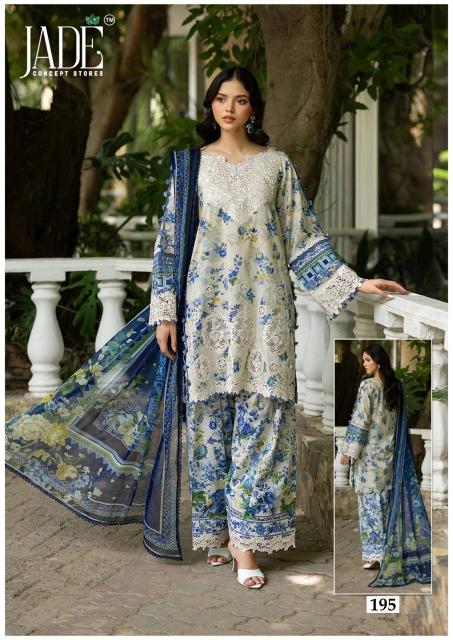
Once the right inventory has been selected, presentation becomes one of the strongest tools for improving sales. Customers rarely evaluate an ethnic outfit only by fabric. They notice colour, embroidery, silhouette, dupatta, styling and how effectively the seller communicates the complete look.
For Chinon Pakistani Suits Wholesale, retailers can create dedicated sections for festive wear, wedding guest outfits, party wear and premium ethnic fashion. This helps customers quickly identify products that match the occasion they are shopping for.
Create Occasion-Based Displays
Instead of mixing every salwar suit together, physical retailers can organize products according to customer intent. A festive section might contain embroidered Chinon suits, while another area can showcase simpler Pakistani-inspired styles suitable for smaller functions and semi-formal occasions.
The same method works online. WhatsApp catalogues and social media posts can be grouped under themes such as festive Pakistani suits, wedding collections, premium three-piece suits and new arrivals for 2026.
Let the Dupatta Become a Selling Feature
In many Pakistani-inspired outfits, the dupatta contributes significantly to the overall visual appeal. Rather than keeping it folded behind the kurta, retailers should display enough of the dupatta to show its border, embroidery, print or coordinated colour.
Online sellers can include separate photographs or short video clips of the dupatta. This gives customers a more complete understanding of the outfit and can improve perceived value.
Use Styling to Explain the Product
A catalogue image can attract attention, but good selling requires explanation. Tell customers whether the design has a subtle, festive or premium character. Suggest suitable occasions and explain the available product specifications accurately.
For Boutique Owners, styling advice can become an important competitive advantage. Customers often value a seller who helps them understand how an outfit can be worn rather than someone who simply quotes the price.
Seasonal Buying Strategy for Pakistani Suits in 2026
Ethnic wear demand is strongly influenced by festivals, weddings and family celebrations. Wholesale Buyers should therefore plan purchases around selling periods rather than waiting until customer demand has already peaked.
A seasonal calendar can help businesses determine when to purchase, photograph, promote and reorder collections. The exact schedule should reflect local customer behaviour because festival and wedding demand can vary significantly between markets.
Buy Before the Selling Season
Retailers need enough time to receive products, prepare catalogue posts, contact regular customers and create displays. International buyers require even more planning because shipping and customs can extend the purchasing cycle.
Early sourcing can also provide time to understand which collections are generating enquiries before the busiest period begins.
Balance Trendy and Evergreen Designs
Trend-driven products can generate attention, but an entire inventory should not depend on short-lived fashion. Combine new silhouettes and trending colours with commercially dependable designs that customers can wear across multiple occasions.
This balance is particularly important for Showroom Owners who need inventory depth throughout the season rather than only a few highly fashionable pieces.
Keep Different Price Segments Ready
Customers shopping for the same occasion may have very different budgets. Maintaining multiple price levels allows retailers to serve more enquiries without compromising the overall identity of the collection.
Entry-level products can attract budget-conscious shoppers, mid-range suits can serve the broader market, and premium designs can target customers who prioritize embroidery, detailing and distinctive styling.
Online Selling Strategy for Resellers and Home-Based Sellers
Home-Based Sellers and Resellers can build an ethnic wear business without depending entirely on a physical showroom. However, digital selling requires trust because customers are often making decisions without touching the fabric or seeing the product personally.
Provide Clear Product Information
Use the exact fabric and product specifications available for the catalogue. Mention what is included in the set and avoid making assumptions that have not been confirmed by the supplier.
Clear information helps customers make better purchasing decisions and can reduce misunderstandings after delivery.
Do Not Overload Customers with Catalogues
Sending dozens of catalogues every day can make it difficult for customers to identify the products that actually suit them. Curated selections are often more useful.
A seller might create separate groups such as new Pakistani suits, Chinon festive collection, wedding guest outfits or designs within a specific budget. This gives each catalogue a clearer purpose.
Use Video to Build Confidence
Short product videos can show fabric movement, embroidery, dupatta detailing and the complete three-piece combination. Sellers can add a brief explanation covering the most important product information.
This content can be reused on Instagram Reels, YouTube Shorts, Facebook and WhatsApp Status, allowing one product presentation to support several sales channels.
Opportunities for Boutique Owners
Boutiques can use Pakistani-inspired fashion to build a more curated identity. Instead of competing with large sellers on the number of catalogues available, boutiques can focus on distinctive selections and personalized service.
Create Curated Chinon Collections
A boutique can select designs according to its existing customer profile. If customers generally prefer elegant pastels and understated embroidery, the buying strategy should reflect that preference rather than following every bright or heavily embellished trend.
Similarly, boutiques serving wedding and festive customers can maintain richer designs with detailed dupattas and stronger visual impact.
Add Personal Styling Assistance
Help customers select jewellery, footwear and accessories that complement the suit. For products requiring tailoring, recommend suitable silhouettes according to the supplied fabric and design.
This personal assistance gives Boutique Owners a reason to maintain healthier margins because the customer is receiving more than the physical product.
International Export Potential for Chinon Pakistani Suits
Pakistani-inspired ethnic wear can appeal to South Asian communities living internationally, particularly around weddings, festivals, religious celebrations and cultural events. Retailers interested in export markets should nevertheless evaluate demand country by country.
Canada, Singapore and New Zealand offer different retail environments. A product mix successful in one location should not automatically be duplicated in another without considering customer demographics, climate, occasions and local price expectations.
Planning for Canada
Retailers serving South Asian communities in Canada can position Pakistani-inspired suits for weddings, Eid, Diwali, parties and cultural gatherings. Premium three-piece designs can complement sarees, lehengas and other occasion-focused ethnic wear.
International buyers should calculate freight, applicable duties, customs charges and local taxes before deciding the final selling price.
Planning for Singapore
Singapore-based boutiques may benefit from a carefully curated inventory rather than excessive stock depth. Selecting commercially versatile designs can allow a retailer to serve customers across several occasions while managing inventory efficiently.
Planning for New Zealand
Ethnic fashion businesses in New Zealand can introduce Chinon Pakistani suits alongside other Indian and South Asian fashion categories. Seasonal stock should be ordered sufficiently early to allow time for international transit and local marketing.
Common Mistakes Wholesale Buyers Should Avoid
Wholesale buying always involves some level of inventory risk. The goal is not to eliminate that risk entirely but to make purchasing decisions based on better information.
Buying Only on Low Price
The lowest price is not automatically the best commercial choice. Fabric specifications, design appeal, product quality and customer demand all influence whether inventory will actually sell.
A slightly more expensive collection that rotates quickly may provide better business value than cheap stock that remains unsold.
Ignoring Your Existing Customer Data
Previous sales provide valuable information. Track which colours, price ranges, fabrics and designs customers purchased most frequently. Use this data when evaluating future catalogues.
Buying Too Deep into One Design
Unless demand is already proven, excessive quantities of a single style can increase inventory pressure. Smaller test purchases across several commercially relevant designs can provide better information about customer response.
Ignoring Product Specifications
Catalogue photography should never replace product information. Confirm the available fabric details, set contents and sizing information where applicable before presenting products to customers.
Following Every Social Media Trend
Trends can help identify emerging demand, but viral popularity does not guarantee sales within a specific store. Use trends as one source of information alongside actual customer enquiries and previous selling data.
Building Repeat Customers in the Ethnic Wear Business
Long-term wholesale and retail growth depends heavily on repeat business. Customers who trust the seller can return for festivals, weddings, gifting and everyday ethnic wear throughout the year.
Communicate Clearly
Accurate product information, transparent pricing and responsive communication can strengthen customer confidence. Avoid exaggerating fabric characteristics or promising features that are not included in the catalogue specification.
Remember Customer Preferences
If a regular customer frequently purchases Pakistani suits or prefers particular colours, future new arrivals can be shared selectively. Relevant recommendations are generally more useful than sending every catalogue available.
Keep New Arrivals Consistent
Fresh collections encourage customers to revisit a shop, website or social media page. Retailers can reserve part of their buying budget for regular launches instead of investing everything in one large purchase.
Internal Linking
A strong ethnic wear inventory usually combines several complementary categories. Retailers who sell Chinon suits can expand their Pakistani fashion assortment through wholesale Pakistani suits, giving customers additional fabrics, designs and styling options.
Businesses looking to create a broader everyday and coordinated ethnic assortment can also explore kurti pant sets. Combining related categories can help Shop Owners and Resellers serve customers across different occasions and budgets without depending entirely on one product segment.
Customer FAQs
1. What are Chinon Pakistani suits?
Chinon Pakistani suits are ethnic outfits combining Chinon fabric or a stated Chinon-based specification with Pakistani-inspired styling. Depending on the catalogue, they may feature long kurtas, coordinated bottoms, embroidery and decorative dupattas.
2. Are Chinon Pakistani suits suitable for festive wear?
Yes. Many designs can work well for festivals, family functions, parties and wedding-related occasions. Suitability depends on the embroidery, colour, dupatta and overall design of the individual product.
3. Where can I buy Chinon Pakistani suits wholesale from Surat?
Wholesale Buyers can source through Surat's textile trading ecosystem around ring road and sahara darwaza or explore ethnic fashion collections online through Wholesaleexport.in.
4. What determines the wholesale price of a Chinon suit?
The wholesale price can depend on fabric specifications, embroidery, printing, dupatta, stitching, design complexity, brand positioning and quantity. Buyers should compare similar products rather than choosing only according to the lowest rate.
5. Can Home-Based Sellers sell Pakistani suits online?
Yes. Home-Based Sellers can use WhatsApp, Instagram, Facebook and other digital channels to promote Pakistani suits. Clear catalogue presentation and accurate product information are particularly important when customers cannot inspect the product physically.
6. Are Chinon Pakistani suits available for export?
International availability depends on current order and shipping arrangements. Overseas Wholesale Buyers should confirm logistics and calculate freight, customs, duties and destination-specific taxes before placing an order.
7. Can Boutique Owners stock Chinon suits?
Yes. Boutiques can use Chinon Pakistani suits as a curated festive and occasion-wear category. Personalized styling and tailoring guidance can further increase the value offered to customers.
8. How should a new reseller select Pakistani suits?
Start with controlled quantities across commercially wearable colours and designs. Track customer enquiries and actual sales before increasing investment in specific collections.
9. Which customers should retailers target?
Potential customers include women shopping for festivals, weddings, family celebrations, parties and elegant ethnic occasions. The exact target group should depend on the style and price segment of each collection.
10. Is Chinon Pakistani fashion relevant for 2026?
Chinon Pakistani suits can be a useful 2026 category for retailers whose customers are interested in flowing fabrics, coordinated three-piece looks and Pakistani-inspired ethnic fashion. Retailers should still choose inventory according to actual local demand.
Why Wholesaleexport.in for Wholesale Ethnic Wear?
Wholesaleexport.in serves businesses looking to explore Indian ethnic wear for retail, reselling and wholesale requirements. The platform is relevant for Home-Based Sellers, Shop Owners, Boutique Owners, Showroom Owners, Resellers and Wholesale Buyers seeking new product options.
Vastralife's wholesale and export experience since 2017 adds years of practical textile industry expertise to the sourcing approach. Understanding different retail models matters because the inventory requirements of a small reseller are not the same as those of a large showroom or an international buyer.
The focus on premium product quality, commercially relevant collections and regular product discovery can help buyers make more informed inventory decisions while serving customers across different price ranges.
Grow Your Business with Chinon Pakistani Suits Wholesale
The strongest Chinon Pakistani Suits Wholesale strategy combines attractive fashion with disciplined buying. Retailers should evaluate fabric, design, colour, customer budget, selling season and expected stock movement before deciding quantities.
For businesses connected with the surat textile market or sourcing remotely from Surat's manufacturing and wholesale ecosystem, 2026 offers opportunities to serve customers looking for fresh Pakistani-inspired ethnic fashion. The objective should be to build an assortment that is visually attractive while remaining practical for the business.
Whether you are a Home-Based Seller testing your first collection, a Boutique Owner building a curated range, a Shop Owner expanding festive inventory or a Wholesale Buyer purchasing for larger distribution, thoughtful sourcing can improve both customer satisfaction and inventory performance.
Explore Latest Wholesale Collections Today
Discover Latest Collections, competitive Wholesale Pricing and Trendy Ethnic Wear for your shop, boutique, showroom or reselling business through Wholesaleexport.in.
Buyers can explore eligible collections with Fast Shipping, applicable COD Support, Bulk Order Deals and Quality Products Starting From ₹299. Regular New Arrivals can help retailers keep their product selection fresh throughout the selling season.
Start Your Wholesale Order
Build your 2026 ethnic wear inventory with Pakistani-inspired designs selected around customer demand, commercial price points and changing fashion preferences. Explore new Chinon suits and complementary wholesale categories for your next buying cycle.
Contact Us: +91 9712582172
Website: wholesaleexport.in
Connect with Wholesaleexport.in to explore current wholesale collections, compare suitable product options and plan inventory for your retail, boutique, showroom or reselling business.