


Chikankari Dress Material Wholesale: Complete Buying Guide for Retailers & Resellers in 2026
Chikankari Dress Material Wholesale: Complete Buying Guide for Retailers & Resellers in 2026
Chikankari has evolved from a traditional embroidery craft into one of the most commercially versatile categories in Indian ethnic fashion. For retailers, boutique owners, home-based sellers and wholesale buyers, the category offers an attractive combination of elegant styling, broad age-group appeal and multiple price segments. From lightweight everyday fabrics to richly finished festive sets, choosing the right assortment can help a clothing business serve customers throughout the year rather than depending only on a single festive season.
Introduction
The Indian ethnic wear market continues to change quickly in 2026. Customers discover designs through Instagram reels, short videos, marketplaces and WhatsApp catalogues, which means a style can move from discovery to demand much faster than before. At the same time, shoppers have become more selective about fabric, embroidery quality, colour, finishing and overall value.
This makes Chikankari dress material wholesale particularly relevant for retailers who want a category that can work across everyday wear, office wear, festive dressing, gifting and semi-formal occasions. Instead of stocking only heavily embellished pieces, sellers can build an assortment across multiple fabrics, embroidery levels and price points.
For a first-time buyer, however, the lowest wholesale price should never be the only deciding factor. Fabric quality, embroidery neatness, colour selection, repeat availability, supplier reliability and the expected retail audience are equally important. A product that costs slightly more but sells consistently can be more profitable than a cheaper catalogue that remains unsold.
Wholesaleexport.in connects buyers with women’s ethnic wear collections suitable for different retail formats. Supported by Vastralife's wholesale and export experience since 2017, the focus is on practical sourcing, industry knowledge and premium product quality for businesses purchasing for resale.
Why Chikankari Dress Materials Continue to Attract Buyers
One reason Chikankari remains commercially important is its ability to look sophisticated without requiring extremely heavy styling. A well-designed embroidered fabric can appeal to customers who prefer understated ethnic wear as well as shoppers looking for something more decorative for an occasion.
For shop owners and resellers, this flexibility can reduce dependence on one narrow customer profile. The same category may attract college-going customers, working women, homemakers and festive shoppers depending on the fabric, colour and embroidery treatment selected.
Traditional Appeal with Contemporary Styling
Chikankari-inspired fashion works particularly well because designers can adapt the embroidery language to current silhouettes and colour trends. Soft pastels can create a refined premium look, while darker shades and richer combinations can be positioned for festive or evening use.
Retailers can therefore merchandise embroidered dress material alongside straight suits, Pakistani-inspired suits, kurti sets, dupatta sets and other ethnic categories. This creates more variety without making the store feel disconnected.
Useful Across Multiple Selling Seasons
Some ethnic categories are highly seasonal. Chikankari is comparatively flexible. Breathable fabrics can work well during warmer months, while richer materials and detailed embroidery can be introduced for weddings and festivals.
This year-round potential is important for inventory planning. A boutique does not necessarily need to purchase one very large collection. It can introduce smaller batches, measure customer response and replenish the colours and patterns that move quickly.
Understand the Product Before Buying Wholesale
Wholesale buying becomes safer when the buyer understands what actually creates value in the product. Two dress materials may appear similar in catalogue photographs but differ considerably in fabric feel, embroidery density, finishing and dupatta quality.
Before placing a bulk order, buyers should compare the complete combination rather than judging only the front embroidery. Ask what material is supplied for the top and bottom, whether a dupatta is included, whether the product is stitched or unstitched, what embroidery technique is used and what quantity is required per design or catalogue.
Fabric Selection Matters
The base fabric directly affects both customer comfort and perceived value. Cotton and cotton-blend options may be useful for daily and summer-oriented selling, while georgette, rayon, modal-type fabrics and other dressier materials can create a more occasion-focused appearance.
A buyer targeting value-conscious customers in India may need a different assortment from a boutique selling premium Indian ethnic wear in the USA. Similarly, buyers supplying Nepal may consider climate, festive timing, customer preferences and transportation lead time while selecting fabrics and quantities.
Check Embroidery Density and Finishing
Customers often judge embroidered clothing at close range. Loose threads, inconsistent patterns or poor finishing can reduce the perceived value even when the catalogue photograph looks attractive. Wholesale buyers should therefore pay attention to embroidery placement, neckline detailing, borders and the overall neatness of the fabric.
Premium dress material wholesale does not simply mean expensive merchandise. Premium value comes from a balanced combination of design, fabric, workmanship, presentation and consistency.
Colour Assortment Can Influence Sell-Through
Buying too many units of one colour can increase inventory risk. Unless past sales clearly support a particular shade, a mixed assortment is often more practical. Pastels, neutrals, festive jewel tones and seasonally relevant colours can help sellers reach different customer preferences.
Home-based sellers can use an even more controlled approach by testing catalogue images with existing customers before committing to larger quantities. Shop owners and showroom owners can review previous sales data to identify the shades that regularly convert.
How to Plan Chikankari Dress Material Wholesale Price Segments
A strong wholesale assortment usually contains more than one price level. Customers have different budgets, and retailers who stock only the cheapest or only the most premium merchandise can unnecessarily narrow their audience.
Instead, divide inventory into entry-level, mid-range and premium segments. Entry-level pieces can help attract price-conscious shoppers. Mid-range merchandise can become the core volume category, while premium designs can improve average order value and give boutiques stronger visual merchandising options.
Do Not Calculate Profit from Purchase Price Alone
The actual landed cost can include the product price, GST where applicable, packaging, transportation and other operational expenses. Export orders may also involve additional documentation, freight or destination-related charges depending on the country and shipping method.
Retailers should calculate the complete cost before deciding the selling price. A product with a lower purchase cost is not automatically the better deal if its quality leads to complaints, slow sales or aggressive discounting later.
Use Retail Margin Together with Inventory Rotation
Suppose one design offers a high theoretical margin but takes three months to sell, while another produces a slightly lower margin and sells out several times during the same period. The second product may generate better overall business performance because the working capital rotates faster.
This is why successful wholesale clothing buyers monitor both gross margin and stock movement. Fast-moving designs can be replenished, while experimental styles should initially be purchased in controlled quantities.
Sourcing from Surat for a Wider Ethnic Wear Assortment
Surat has developed a large textile ecosystem covering fabric, processing, embroidery, garment production, trading and distribution. Buyers searching the surat textile market often compare multiple categories during the same sourcing cycle, including dress materials, sarees, kurtis, salwar suits, lehenga choli and other women’s ethnic wear.
Commercial textile areas around ring road and sahara darwaza are widely associated with Surat's textile trade. For retailers, access to a broad sourcing ecosystem can make it easier to create coordinated collections rather than depending on a single product category.
The strength of Surat is not limited to trading. Its broader manufacturing and supply network allows businesses to work across multiple fabrics, embellishment styles and market segments. This is especially useful for buyers who want regular new arrivals instead of purchasing only a few large seasonal catalogues.
What Retailers Should Check Before Placing a Bulk Order
A disciplined buying process can prevent many common inventory problems. Whether you operate a physical shop, online store, boutique or home-based reselling business, check the commercial details before increasing order quantity.
Confirm MOQ and Catalogue Conditions
MOQ, or minimum order quantity, affects how much capital a retailer must commit. Some collections may be available with smaller quantities, while others can require catalogue-wise or design-wise purchasing. Always confirm the current MOQ before calculating the investment required.
Smaller sellers should generally focus on variety and controlled testing rather than unnecessarily deep stock. Larger showrooms may prefer broader size, colour and design depth because their customer volume is higher.
Ask About Stock Availability
Fast-moving fashion products can sell out quickly. If a design performs well, the ability to reorder can become important. Buyers should understand whether the catalogue is likely to be repeated or whether it is a limited production run.
This is particularly useful for online resellers. Advertising a design heavily and then discovering that replenishment is unavailable can interrupt sales momentum.
Compare Product Quality with Your Customer Profile
There is no single quality level suitable for every market. A mass-market reseller may prioritize competitive pricing and easy-selling designs, while a premium boutique may place more importance on fabric richness, embroidery detailing and exclusive styling.
The goal is to purchase merchandise that matches the expectations of your actual customers. Wholesaleexport.in can be useful for buyers comparing different ethnic wear categories and price segments instead of building their inventory around a single design style.
Demand Beyond India: Export Opportunities for Ethnic Wear
Indian ethnic fashion also serves overseas customers, particularly communities that purchase traditional and occasion wear for festivals, weddings and cultural events. For this guide, three useful markets to consider are Nepal, USA and Australia.
Nepal has strong familiarity with Indian fashion and ethnic silhouettes, while customers in the USA and Australia may purchase Indian outfits for weddings, Diwali, family functions and community celebrations. However, an export buyer should select merchandise according to the destination market rather than assuming the same assortment will perform equally everywhere.
For overseas orders, businesses should also consider shipping time, packaging, order consolidation and seasonal buying deadlines. Products intended for a festival need to reach the retailer early enough for photography, marketing and customer selling—not simply arrive before the festival itself.
As buying becomes increasingly digital in 2026, overseas boutique owners and resellers can review catalogues remotely and coordinate sourcing without visiting every supplier physically. This has made product photography, accurate descriptions and supplier communication increasingly important.
Retailers comparing related categories can also explore wholesale dress materials Surat to build a broader fabric and ethnic wear selection alongside Chikankari styles.
For stores that serve wedding and festive customers, combining dress materials with wholesale lehenga market Surat with price options can create a wider occasion-wear assortment and improve cross-category selling.
How to Build a Profitable Chikankari Assortment
A profitable collection should not be built around random designs simply because they look attractive in a supplier catalogue. Retailers need a planned mix of commercial products, trend-led pieces and premium designs. This approach is especially important for Chikankari dress material wholesale because customers may buy the category for very different occasions.
A practical assortment can include lighter everyday designs, elegant office-friendly options, festive embroidered sets and a smaller selection of statement pieces. This gives customers more reasons to purchase while helping retailers avoid investing too much money in one narrow style.
Keep Core Designs and Trend Designs Separate
Core products are styles that can continue selling even when a particular social-media trend slows down. These may include wearable colours, comfortable fabrics, elegant embroidery and versatile designs. Trend products, on the other hand, may use a currently popular colour, neckline, dupatta style or embroidery pattern.
A retailer can allocate a larger share of purchasing to proven core merchandise while testing trends in smaller quantities. If a new style begins selling rapidly, it can then be reordered where stock is available.
Create Multiple Price Points
A good ethnic wear collection should give customers choices. For example, home-based sellers may require affordable designs that are easy to promote through WhatsApp and social media, while boutique owners may want more detailed pieces that support a higher retail value.
Instead of asking only, “What is the cheapest wholesale price?”, ask, “Which product gives my customer the strongest value at this price?” Fabric quality, embroidery, dupatta, finishing, colour and presentation collectively influence the answer.
Use Small Test Orders for New Styles
Buying depth should follow demand. When a retailer is unsure about a new design, a controlled first order provides real customer feedback. Track enquiries, conversions, repeat requests and colour preferences. Once the product proves itself, increasing quantity becomes a data-based decision rather than a guess.
This method is particularly valuable for boutique clothing wholesale, online sellers and resellers who want regular newness without accumulating unnecessary dead stock.
How Different Types of Sellers Can Approach Chikankari
The right buying strategy changes according to the selling model. A large showroom and a home-based reseller should not necessarily purchase the same quantities or product mix even when both serve similar customers.
Home-Based Sellers and Online Resellers
Home-based sellers benefit from catalogue-friendly products that can be explained easily through photographs, videos and WhatsApp. They should prioritize clear designs, attractive colour combinations and price points that their existing customer network understands.
Instead of carrying excessive inventory, resellers can keep a rotating selection of latest dress material designs and focus on regular customer communication. New arrivals create a natural reason to reconnect with previous buyers.
Boutique Owners
Boutiques can differentiate themselves through selection rather than sheer quantity. A carefully chosen range of Chikankari-inspired pieces in refined fabrics and distinctive colours can help create a premium identity.
Boutique owners may also combine unstitched materials with stitching services. This allows customers to personalize necklines, sleeves, lengths and silhouettes, potentially increasing the overall order value.
Shop and Showroom Owners
Physical stores generally require greater assortment depth because customers expect immediate choices. A balanced collection of daily wear, semi-festive and premium designs can serve multiple customer budgets.
Visual merchandising matters as well. Rather than stacking every catalogue together, retailers can display coordinated colour stories or occasion-based sections. A premium embroidered design displayed prominently can attract attention even when the eventual purchase comes from a more affordable range.
Wholesale Buyers
Wholesale buyers supplying other retailers need to think one step further. They should select products that can perform across multiple stores rather than relying only on personal preference. Repeat availability, commercially accepted colours and reliable sizing or fabric specifications become particularly important.
2026 Buying Trends Retailers Should Watch
Fashion demand in 2026 is increasingly influenced by digital discovery. Customers may arrive at a store with screenshots from social media, while online shoppers compare several sellers before making a purchase. Retailers therefore need both visual freshness and dependable product quality.
Soft and elegant styling remains useful for customers who prefer understated ethnic fashion, while festive shoppers continue to look for richer embroidery and stronger visual detailing. Rather than following every short-lived trend, retailers can identify elements that fit their existing customer base.
Comfort and Premium Appearance Together
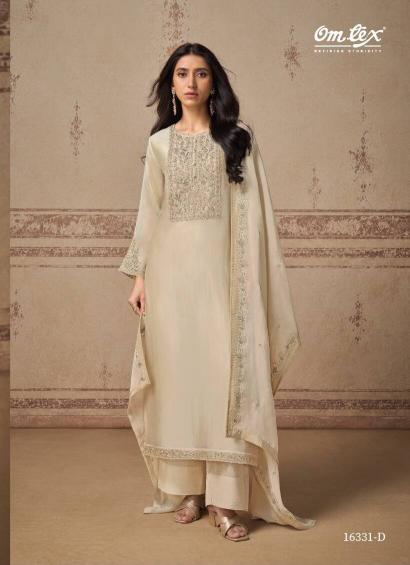
Customers increasingly want garments that look special without becoming uncomfortable. Lightweight fabrics with detailed embroidery can meet this requirement. This makes embroidered salwar suit material suitable for customers who want ethnic elegance for family events, office celebrations and smaller festive occasions.
Ready-to-Style Coordinated Sets
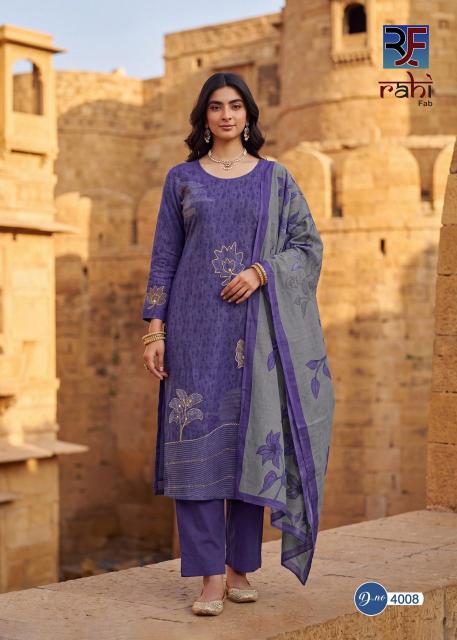
Customers often appreciate products where the top, bottom and dupatta already create a coordinated look. For retailers, these combinations can also be easier to explain and promote because the customer immediately understands the complete outfit concept.
Fresh Colours Without Ignoring Classics
Trending shades can generate attention, but classic colours should not disappear from the assortment. Whites, creams, pastels, black, maroon, navy and other established ethnic shades can complement more experimental seasonal colours.
The most practical approach is to combine dependable shades with a controlled number of trend colours. This creates freshness without turning the entire inventory into a fashion gamble.
Quality Checks Before Selling to Your Customers
Quality control is particularly important when the product depends on embroidery. Retailers should inspect merchandise before presenting it to customers or dispatching online orders.
Check fabric condition, embroidery consistency, stains, visible damage, colour matching and the components supplied with the set. When purchasing multiple pieces, random inspection across the order can help identify inconsistencies before merchandise reaches customers.
Check the Fabric in Natural Light
Artificial lighting can sometimes alter the appearance of colours. Natural light helps retailers assess the actual shade, fabric transparency and overall finish more accurately.
Inspect Embroidery and Borders
Pay particular attention to necklines, borders and heavily embroidered areas. These sections attract the customer's eye and strongly influence perceived quality.
Confirm All Components
If the catalogue includes top fabric, bottom fabric and dupatta, verify that every component is present before dispatch. A simple checking process can prevent avoidable customer complaints.
For businesses buying through Wholesaleexport.in, the objective should be to combine wholesale pricing with merchandise that is commercially suitable for resale. Vastralife's industry experience since 2017 also contributes practical knowledge of wholesale and export requirements across women’s ethnic fashion categories.
Planning Chikankari for India, Nepal, USA and Other Markets
Although the styling may originate from Indian ethnic fashion, the final assortment should reflect the destination market. Buyers in India can plan around regional festivals, wedding seasons and local weather. Nepal-based retailers may need to place orders sufficiently early to account for transportation and seasonal selling periods.
For USA-based boutiques, occasion-based Indian wear can be planned around wedding events, Diwali and community celebrations. International retailers should allow enough time not only for shipping but also for receiving, checking, photographing and marketing the merchandise before the actual occasion.
The same principle applies to Australia and other overseas markets. Indian ethnic wear wholesale should be treated as a planned retail business rather than simply purchasing Indian products and shipping them abroad. Local customer taste, climate, average retail budget and event calendar all matter.
Internal Linking Section
A strong women's ethnic wear store benefits from connected product categories. Dress materials can form the everyday and semi-festive foundation of the assortment, while lehengas, sarees, kurtis, Pakistani suits and other occasion-focused products help retailers serve customers looking for complete festive and wedding options.
When planning inventory, evaluate categories according to customer demand rather than stocking every product equally. A boutique may generate most of its business from premium suits and dress materials, while another store may perform better with sarees and lehengas. Your own sales history should determine how purchasing capital is distributed.
Common Wholesale Buying Mistakes to Avoid
Buying Only Because the Price Is Low
Low purchasing cost can be attractive, but unsold merchandise is expensive regardless of how cheaply it was purchased. Consider design appeal, quality and customer demand together with the wholesale price.
Ordering Too Much of an Untested Design
A catalogue that looks impressive does not automatically guarantee strong retail demand. Test new products in sensible quantities before making larger commitments.
Ignoring the Customer's Actual Budget
Retailers sometimes purchase according to their own taste rather than their customers' buying capacity. Keep records of the price ranges that generate the highest conversions in your store.
Waiting Too Long to Reorder a Bestseller
The opposite problem also occurs. Once a design has clearly demonstrated demand, delaying replenishment can mean losing sales if the supplier's inventory sells out.
Depending on One Category
Even a strong Chikankari dress material wholesale business can benefit from complementary categories. Diversification across related ethnic wear allows sellers to serve customers with different occasions and budgets while reducing dependence on a single fashion trend.
Customer FAQs
1. What is Chikankari dress material?
Chikankari dress material generally refers to fabric sets featuring Chikankari-style embroidery or detailing that customers can use for ethnic suits and related outfits. The exact fabric, embroidery method and included components vary by product, so wholesale buyers should always check the catalogue specifications before ordering.
2. Is Chikankari dress material suitable for a boutique business?
Yes. It can work well for boutiques because the category covers everyday, premium and festive styling. Boutique owners can differentiate their assortment through fabric, embroidery quality, colour selection and customized stitching services.
3. How should a first-time reseller select wholesale designs?
Start with a controlled assortment covering several colours and commercially wearable designs instead of purchasing a large quantity of one pattern. Monitor customer enquiries and actual sales, then reorder the products that demonstrate demand.
4. Can Chikankari dress materials be purchased for export?
Yes, ethnic wear can be sourced for international retail and reselling. Buyers should confirm product availability, shipping options, destination requirements and expected delivery timelines before committing to seasonal sales campaigns.
5. What should I check before placing a bulk order?
Check the fabric, embroidery quality, colour assortment, product components, MOQ, wholesale price, availability, shipping terms and suitability for your target customer. These checks are especially important when purchasing larger quantities.
6. Which customers can retailers target with Chikankari styles?
The category can appeal to working women, college customers, homemakers, festive shoppers and customers looking for elegant ethnic outfits. The exact audience depends on the fabric, design, embroidery and retail price.
7. Is it better to stock affordable or premium designs?
For many stores, a combination works better. Affordable merchandise can support volume, mid-range products can form the core assortment and selected premium pieces can increase average order value and improve the store's visual appeal.
8. How often should retailers add new dress material designs?
The frequency should depend on sales velocity. Businesses with active online audiences may introduce new arrivals frequently in smaller batches, while physical stores can replenish according to weekly or monthly sales patterns. The key is to maintain freshness without creating excessive inventory.
Grow Your Ethnic Wear Business with Wholesaleexport.in
Whether you are a home-based seller, boutique owner, shop owner, showroom owner, reseller or wholesale buyer, successful sourcing comes from balancing fresh fashion with commercial practicality. Select products according to your customer's budget, test new trends carefully, monitor fast-moving designs and maintain enough variety to keep shoppers interested.
Wholesaleexport.in offers access to women’s ethnic wear and wholesale collections for businesses looking for regular sourcing opportunities. With Vastralife's wholesale and export experience since 2017, buyers can explore collections backed by industry expertise and a focus on premium product quality.
What You Get with Wholesaleexport.in:
- Latest Collections for retailers, boutiques and resellers
- Wholesale Pricing designed for business purchasing
- Trendy Ethnic Wear across multiple categories
- Fast Shipping for convenient order movement
- COD Support on eligible orders in India
- Bulk Order Deals for quantity buyers
- Quality Products Starting From ₹299
- Regular New Arrivals
- Reliable Customer Support
- Profitable Reselling Opportunities
Looking for your next Chikankari dress material wholesale collection or planning a broader ethnic wear inventory for 2026? Explore Wholesaleexport.in for new wholesale collections and business-ready sourcing options.
Contact Number: +91 9712582172
Website: wholesaleexport.in
Build your collection around products your customers genuinely want to wear, maintain healthy inventory rotation and keep introducing fresh designs at the right time. A thoughtful buying strategy can turn dress materials from another product category into a dependable part of your clothing business.