


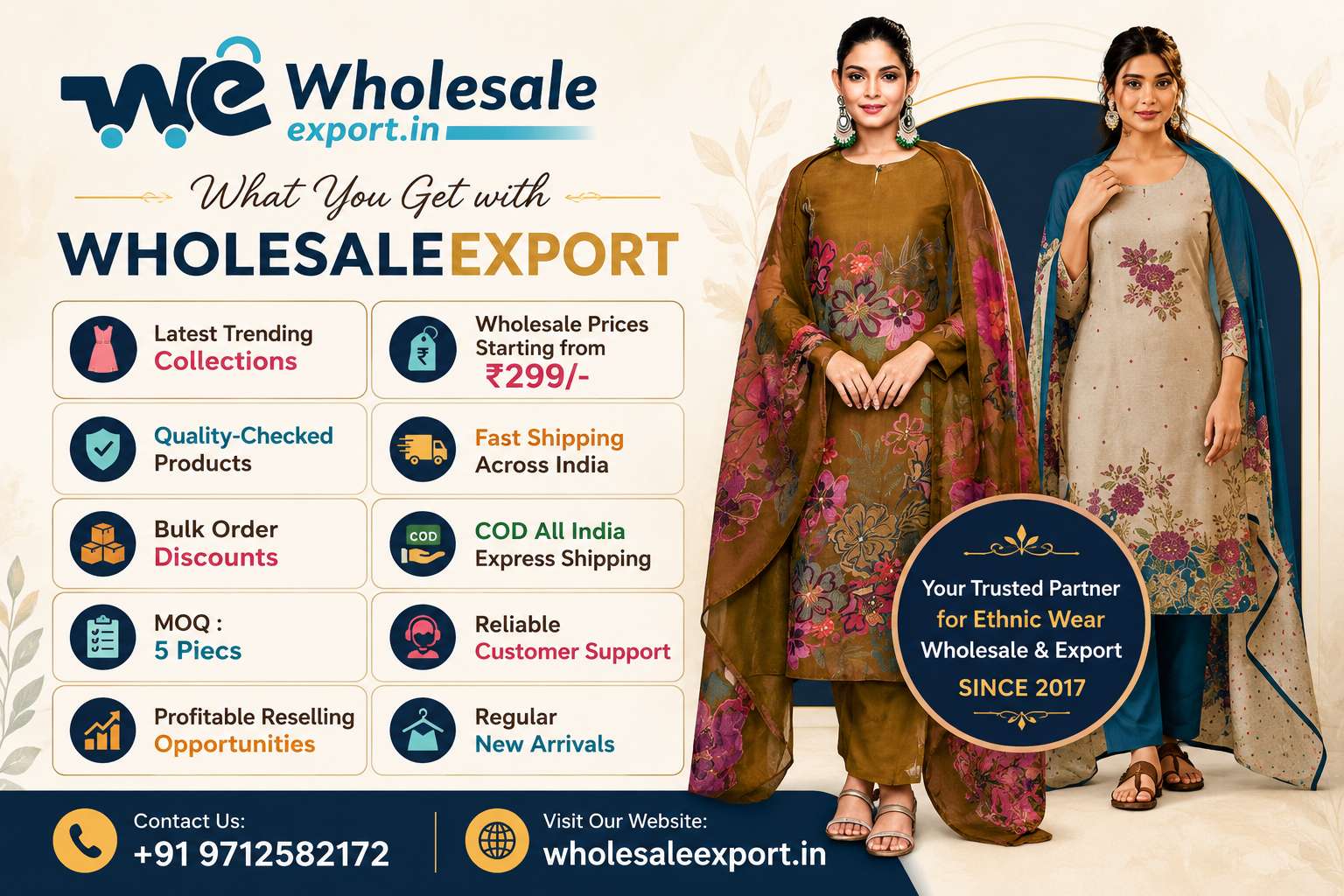
Chanderi Dress Material Wholesale: Latest Designs, Prices & Buying Guide 2026
Chanderi Dress Material Wholesale: Latest Designs, Prices & Buying Guide 2026
Chanderi fabric has a distinctive place in Indian ethnic fashion because it combines an elegant appearance with a lightweight and comfortable feel. From festive suits and boutique collections to sophisticated everyday styles, Chanderi dress materials give retailers an opportunity to offer customers something traditional without making the collection look outdated. For shop owners, boutique owners, home-based sellers and online resellers, sourcing the right designs at competitive wholesale rates can create an attractive and profitable ethnic wear category.
Introduction
The Indian ethnic wear market continues to evolve in 2026, but fabrics with a traditional identity remain important for retailers. Chanderi is one such fabric. Its graceful texture, subtle sheen and ability to work beautifully with embroidery, prints, zari details and coordinated dupattas make it suitable for several customer segments.
For a retailer, however, selecting a Chanderi dress material wholesale collection involves more than finding attractive photographs. Fabric quality, design variety, colour combinations, wholesale price, finishing, supplier reliability and repeat availability all influence how successfully a collection performs after it reaches the store.
Surat remains an important sourcing destination for women's ethnic wear because of its extensive textile ecosystem. Areas associated with the surat textile market, including Ring Road and the wider Sahara Darwaza textile belt, connect wholesalers, traders, manufacturers and buyers dealing in dress materials, sarees, kurtis and other fashion categories.
Wholesaleexport.in helps buyers explore ethnic wear collections through an online sourcing model designed for retailers, resellers and wholesale buyers. The objective is to make it easier for businesses outside Surat to discover products without depending entirely on repeated physical market visits.
Why Chanderi Dress Materials Continue to Attract Buyers in 2026
Fashion trends change quickly, but customers still look for outfits that can be worn beyond a single occasion. This is one reason Chanderi-based suit materials remain relevant. Depending on the design and styling, the same broad fabric category can serve festive, semi-formal, office, family-function and gifting requirements.
Lightweight Elegance for Indian Weather
A major advantage associated with Chanderi-style fabrics is their comparatively light appearance and graceful fall. Customers who want an ethnic outfit without the heaviness of highly embellished fabrics may prefer these collections. Retailers can therefore position them between basic everyday suits and expensive occasion wear.
For online sellers, this versatility is particularly valuable. Instead of targeting only wedding customers, a seller can market different Chanderi designs for festive dressing, family gatherings, puja wear, office celebrations and elegant day events.
Traditional Appeal with Contemporary Designs
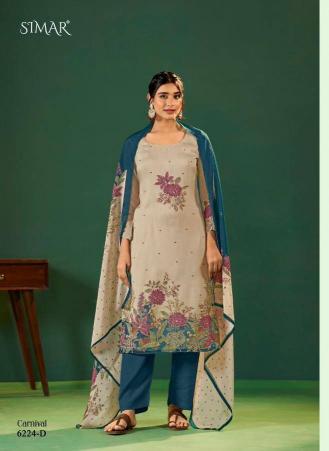
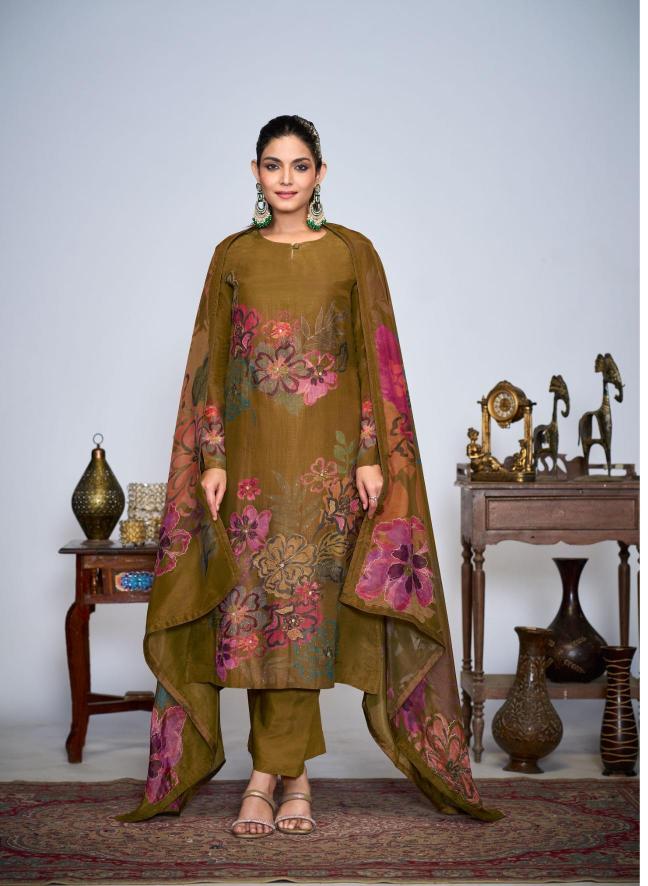
Modern Chanderi suit material wholesale collections are not limited to conventional patterns. Suppliers now work with floral prints, woven motifs, embroidered necklines, foil accents, zari elements, digital prints, pastel combinations and statement dupattas.
This allows boutiques to create a collection that feels rooted in Indian fashion while still matching current consumer preferences. Pastel green, lavender, beige, peach and powder blue can work well for understated styling, while maroon, bottle green, navy, mustard and wine remain useful for festive inventory.
Suitable for Multiple Age Groups
Another commercial advantage is the wide customer range. Younger shoppers may prefer minimal prints and contemporary colour palettes, while mature customers may choose woven motifs, traditional borders or elegant dupattas. A carefully selected wholesale dress material assortment can therefore appeal to different age groups without requiring completely separate product categories.
Popular Types of Chanderi Dress Materials for Wholesale Buyers
Wholesale buyers should avoid building an inventory where every piece has the same styling. Variety gives customers more reasons to browse and also helps sellers understand which segment generates the best repeat demand.
Printed Chanderi Dress Materials
Printed collections can be an effective choice for regular retail. Floral patterns, ethnic motifs, geometric arrangements and subtle all-over prints can make these products easier to sell across seasons. They are particularly useful for home-based sellers and social-commerce resellers because visually clear designs are easier to present through WhatsApp, Instagram and online catalogues.
Embroidered Chanderi Suit Materials
Embroidery increases the perceived value of an outfit. Neck embroidery, thread work, floral detailing, sequins or carefully placed decorative elements can transform a simple fabric into a more occasion-oriented product.
Retailers should compare the quality of the embroidery rather than judging only by the amount of work. Clean finishing and balanced design usually create a more premium impression than excessive embellishment.
Chanderi Dress Materials with Designer Dupattas
The dupatta often becomes the visual highlight of a three-piece dress material set. Contrast borders, printed patterns, zari-inspired details and coordinated motifs can substantially improve the overall presentation of a suit.
For boutique owners, a strong dupatta can also make product photography more attractive. This is useful because online shoppers frequently make their first decision based on how the complete set looks in photographs and videos.
Festive Chanderi Collections
Festive collections typically use richer colours, decorative borders and additional detailing. These can perform particularly well around Navratri, Diwali, wedding seasons, Eid celebrations and other regional occasions. A good inventory strategy is to begin sourcing ahead of the festival rather than waiting until demand has already peaked.
Chanderi Dress Material Wholesale Price and Profit Planning
The buying price is important, but successful wholesale sourcing should be based on overall value rather than the lowest available rate. Fabric quality, design, work, dupatta quality, brand, quantity and finishing can all affect the final cost.
A retailer should calculate the landed cost before deciding the selling price. This includes the purchase amount, applicable taxes, transportation, packaging and other operating expenses. Sellers who ship directly to customers should also consider courier charges and the cost of returns or exchanges while calculating margins.
For example, a competitively sourced design with strong visual appeal may allow better margins than a cheaper product that generates little customer interest. The objective is not simply to purchase low-cost inventory; it is to identify products that combine wholesale pricing, quality and realistic resale potential.
How Much Margin Should a Reseller Keep?
There is no universal margin because retail positioning differs from business to business. A home seller working through WhatsApp may operate differently from a premium boutique with rent, employees and display expenses. Online sellers may additionally spend on advertisements and delivery.
Before buying stock, decide the minimum gross margin your business requires. Then compare the wholesale rate with the realistic selling price in your target market. This approach helps avoid purchasing products merely because their catalogue looks attractive.
Why Surat Is Important for Dress Material Wholesale Sourcing
Surat has developed a large textile trading and manufacturing ecosystem covering fabrics, sarees, dress materials, kurtis, lehengas and numerous other categories. Buyers searching for Indian women's ethnic wear often associate the city with large design variety and competitive sourcing possibilities.
The Ring Road textile area and markets around Sahara Darwaza form part of this commercial network. For retailers, the advantage of sourcing through the Surat ecosystem is access to frequent new arrivals and multiple product segments.
At the same time, travelling to physical markets is not convenient for every buyer. A boutique owner in another state may need to spend time and money on travel, accommodation and local market navigation. Digital wholesale platforms can simplify initial product discovery and communication.
Advantages of Online Wholesale Sourcing
Online sourcing enables retailers to review catalogues, compare designs and plan purchases without being physically present in Surat for every order. This is particularly useful for home-based sellers and businesses located far from major textile centres.
Wholesaleexport.in is intended to connect this sourcing convenience with a broad ethnic fashion selection. Buyers can evaluate collections according to their customer segment rather than limiting themselves to products available in their immediate local market.
Who Can Sell Chanderi Dress Materials?
The market is not limited to established showrooms. A well-selected Chanderi dress material wholesale inventory can support several business models, from small home operations to established retail outlets.
Home-Based Sellers
Home sellers can begin with a focused selection rather than investing in a large inventory. Sharing catalogue images through WhatsApp groups, personal networks and social platforms can help test customer response before increasing order quantities.
Boutique Owners
Boutiques can use Chanderi materials to create a curated ethnic section. Instead of displaying many similar products, they can choose distinctive colour combinations, designer dupattas and premium-looking patterns that match their store positioning.
Shop and Showroom Owners
Physical retailers benefit from maintaining different price points. Entry-level products can attract budget buyers, while detailed or festive varieties can serve customers looking for premium designs. This creates opportunities for upselling within the same broad category.
Online Resellers
Instagram, Facebook, WhatsApp and independent e-commerce stores have made ethnic wear reselling accessible to sellers across India. Product photographs, short videos, styling suggestions and clear fabric information can improve customer confidence when selling remotely.
Buyers exploring related categories can also compare wholesale dress materials in Surat to develop a wider catalogue around different fabrics, designs and price points.
Retailers serving customers who prefer a more contemporary ethnic aesthetic may additionally explore wholesale Pakistani suits as a complementary category alongside Chanderi collections.
How to Select the Right Chanderi Dress Material Collection
Choosing the right inventory is one of the most important decisions for a reseller or retailer. Instead of purchasing every attractive catalogue, buyers should understand their customer profile first. Consider age group, preferred colours, typical spending capacity, local fashion trends and the occasions for which customers usually shop.
A boutique serving premium customers may focus on sophisticated embroidery, elegant dupattas and refined colour combinations. A home-based seller targeting everyday buyers may achieve better turnover with affordable printed designs. The best Chanderi dress material wholesale strategy is therefore based on customer demand rather than simply following every new trend.
Check Fabric Quality Before Buying in Bulk
Fabric is the foundation of any dress material business. Buyers should pay attention to texture, transparency, finishing, colour consistency and overall appearance. If the product includes a top, bottom and dupatta, evaluate the complete combination rather than judging only the main fabric.
Premium product quality becomes particularly important for repeat business. A customer who is satisfied with the first purchase is more likely to return, recommend the seller and trust future collections. This is why serious wholesale buyers should balance competitive price with dependable quality.
Choose a Balanced Colour Mix
A strong collection should include both dependable colours and newer shades. Black, maroon, navy blue, bottle green, mustard and wine have established demand in Indian ethnic wear. At the same time, pastel green, peach, lavender, beige, powder blue and subtle pink shades can make a 2026 collection appear fresh.
Retailers should avoid purchasing too much inventory in a single colour unless they already know it performs strongly with their customers. A varied colour selection makes catalogue presentation more attractive and gives customers more choice.
Compare Design Versatility
Before placing a bulk order, ask how many different customer occasions the design can serve. A versatile Chanderi suit that works for office celebrations, family functions, festive gatherings and casual occasions may move faster than a highly specialised design.
This approach is particularly useful for smaller retailers because every product occupies working capital. Faster-moving designs allow businesses to rotate inventory and invest in new arrivals more frequently.
Building a Profitable Dress Material Inventory
Inventory planning should be treated as a business decision rather than a fashion preference. The designs that personally appeal to a shop owner may not necessarily be the designs customers purchase. Historical sales, customer enquiries and seasonal patterns are more useful indicators.
Start with Smaller Assortments
New resellers can begin with selected designs and observe customer response. Once a particular fabric, colour or price segment performs consistently, order quantities can gradually increase.
This reduces the risk of slow-moving stock and allows capital to remain available for upcoming collections. The approach is particularly useful for home-based sellers and new boutique owners who are still understanding their audience.
Maintain Multiple Price Segments
Not every customer has the same budget. A retailer can create an entry segment, a mid-range segment and a premium section. This gives customers the freedom to choose according to their requirements and makes the store relevant to a broader audience.
Affordable products can generate regular turnover, while detailed Chanderi suits and festive designs can generate higher-value transactions. The combination can create a healthier overall product mix.
Refresh Collections Regularly
Fashion customers respond strongly to freshness. Even a successful catalogue eventually becomes familiar to regular buyers. Retailers should therefore introduce latest dress material collections regularly instead of waiting until existing inventory is completely exhausted.
Wholesaleexport.in can be used by retailers and resellers looking to explore new ethnic wear products without repeatedly travelling to physical wholesale markets. Regular product discovery can help sellers keep their WhatsApp, Instagram and retail catalogues active.
Chanderi Dress Material Demand Beyond India
Indian ethnic fashion also serves customers outside India. Countries with Indian-origin communities can create opportunities for retailers, boutiques and importers looking for traditional and contemporary ethnic clothing. For this article, three relevant markets are USA, Australia and New Zealand.
USA Market
Indian ethnic outfits are purchased in the USA for weddings, Diwali celebrations, religious functions, cultural events and family occasions. Retailers serving these communities can build collections combining lightweight dress materials with more elaborate festive options.
Australia Market
Indian boutiques and online ethnic wear businesses in Australia can consider Chanderi suits for customers seeking elegant outfits that are traditional but relatively easy to wear. Carefully selected colours and contemporary styling can broaden their appeal beyond major festivals.
New Zealand Market
For boutiques and resellers in New Zealand, maintaining diverse ethnic wear without holding excessive inventory can be important. Working with an Indian dress material wholesale supplier can help businesses source multiple designs and update collections according to seasonal demand.
International buyers should confirm product availability, packing, shipping method, documentation and applicable import requirements before ordering. Export orders should be planned according to destination, shipment size and delivery expectations rather than assuming that domestic shipping terms apply internationally.
Why Supplier Reliability Matters in Wholesale Business
A wholesale relationship affects more than the initial purchase. Product accuracy, communication, dispatch coordination, quality and new catalogue availability can directly influence the retailer's customer experience.
Imagine a reseller accepting customer orders based on a catalogue and later discovering that the product is unavailable. Repeated stock issues can damage customer confidence. Similarly, receiving products that differ significantly from the expected quality can create returns and complaints.
For this reason, choosing a dependable supplier is often more valuable in the long term than saving a small amount on one transaction.
Experience Since 2017
Vastralife has been involved in wholesale and export-oriented textile business since 2017. This industry experience supports an understanding of how different buyers operate, from individual resellers and boutique owners to established wholesale customers.
Wholesaleexport.in builds on this experience by providing buyers with access to women's ethnic wear categories and regularly changing collections. The focus is on helping businesses source products according to their target customers and commercial requirements.
Connection with Surat's Textile Ecosystem
Surat's textile ecosystem includes manufacturers, traders, wholesalers, designers and supporting businesses. The commercial areas around Ring Road, Sahara Darwaza and the wider Surat textile market are widely associated with wholesale textile activity.
Access to this ecosystem can help wholesale businesses identify new patterns, fabrics and collections as market preferences evolve.
How Online Resellers Can Market Chanderi Dress Materials
Good sourcing solves only half of the business challenge. The other half is presentation. Even an attractive product can generate weak results if photographs, descriptions and customer communication are poor.
Use Clear Product Images and Videos
Customers shopping online cannot physically touch the fabric. Images and videos therefore become an important part of the buying decision. Show the complete suit, close-up work, dupatta, colour and fabric appearance wherever possible.
Short vertical videos can be especially useful for Instagram Reels, Facebook and WhatsApp Status. Movement can help customers understand the fall and overall appearance better than a single static image.
Write Useful Product Descriptions
A product caption should answer practical questions. Mention the fabric, set components, available colours, design details and selling terms where applicable. Avoid relying only on phrases such as “beautiful collection” or “latest design.” Customers need information that helps them decide.
Use WhatsApp for Repeat Customers
WhatsApp can be valuable for resellers because customers who have already purchased can receive new-arrival updates directly. Sellers can organise customers according to interests and share relevant products rather than sending every catalogue to everyone.
For example, buyers interested in premium suits can receive Chanderi and festive collections, while customers seeking economical products can receive affordable daily-wear updates.
Build Trust Instead of Competing Only on Price
Competing only on price can make a reselling business difficult to sustain. Customers also value accurate descriptions, quick communication, reliable delivery and consistent quality. A seller who provides these advantages may retain customers even when another seller offers a slightly lower rate.
Wholesale Buying Checklist for 2026
Before confirming a Chanderi dress material order, wholesale buyers should review several practical factors. Check the fabric specification, available designs, set components, colour options, wholesale price, minimum quantity, stock status and dispatch terms. International buyers should additionally discuss export-related requirements.
Retailers should also understand whether catalogue designs are available as full sets or individual selections. This can affect inventory planning significantly, especially for businesses with limited budgets.
Another useful practice is to maintain a simple record of which colours, fabrics and price segments sell fastest. After several months, these records can become more valuable than general fashion assumptions because they reflect the actual buying behaviour of your customers.
Internal Linking and Related Wholesale Categories
A successful ethnic wear business does not always need hundreds of categories, but complementary products can increase customer retention. A boutique selling Chanderi materials may gradually introduce cotton suits, festive dress materials, embroidered suits, ready-to-wear kurtis, sarees or coordinated ethnic sets according to customer demand.
When building a broader collection, keep the same inventory principle: purchase according to your target audience, not simply according to catalogue availability. A carefully curated range often creates a stronger store identity than an oversized but unfocused inventory.
Wholesaleexport.in can support this type of product discovery by giving retailers access to multiple women's ethnic wear options. Buyers can compare styles and plan purchases based on budget, season and local demand.
Customer FAQs
1. What is Chanderi dress material?
Chanderi dress material generally refers to unstitched or semi-stitched suit fabric collections featuring the lightweight, elegant appearance associated with Chanderi-style textiles. Depending on the catalogue, a set may include top fabric, bottom fabric and a coordinated dupatta. Exact fabric composition and components should always be checked before ordering.
2. Where can retailers buy Chanderi dress material wholesale?
Retailers can source from textile wholesale markets, manufacturers, distributors and online wholesale suppliers. Surat is a major sourcing centre for women's ethnic wear, while online platforms such as Wholesaleexport.in can make catalogue discovery more convenient for buyers located outside the city.
3. Is Chanderi dress material suitable for boutique reselling?
Yes. Chanderi-inspired collections can work well for boutiques because they can be positioned across festive, semi-formal and elegant ethnic wear segments. Selecting distinctive colours, premium-looking designs and coordinated dupattas can improve boutique presentation.
4. Can home-based sellers start with a small Chanderi collection?
Yes. Home-based sellers can begin with a limited assortment and test customer response through WhatsApp, Instagram and personal networks. Starting selectively can reduce inventory risk while helping the seller identify the best-performing designs and price ranges.
5. What should wholesale buyers check before ordering dress materials?
Buyers should confirm fabric details, set components, design availability, colour options, quantity requirements, price, dispatch terms and applicable shipping charges. For bulk and export orders, additional confirmation regarding packing and logistics is advisable.
6. Can Chanderi dress materials be exported internationally?
Indian ethnic wear can be supplied to international markets subject to supplier capability, shipping arrangements and destination-specific import requirements. Buyers in markets such as the USA, Australia and New Zealand should discuss export logistics and documentation before finalising an order.
7. Are Chanderi suits suitable for festive collections?
Yes. Designs featuring embroidery, zari-inspired elements, rich colours and decorative dupattas can work particularly well for festive and family occasions. Retailers can also stock simpler varieties for customers who prefer understated ethnic styling.
8. How can a reseller improve profit margins on dress materials?
Profitability depends on sourcing cost, shipping, operating expenses, selling price and inventory turnover. Rather than choosing products only because they are inexpensive, sellers should focus on designs that provide a strong combination of demand, quality, presentation and reasonable wholesale cost.
Start Sourcing Latest Chanderi and Ethnic Wear Collections
Whether you are a home-based seller, boutique owner, shop owner, showroom owner, reseller or wholesale buyer, building the right product mix can help create repeat sales and stronger customer relationships. Chanderi materials offer an attractive combination of traditional character, elegant styling and commercial versatility.
Explore Wholesaleexport.in for Latest Collections, Wholesale Pricing, Trendy Ethnic Wear, Fast Shipping, COD Support, Bulk Order Deals and a wide selection designed for wholesale and reselling requirements.
Buyers can also explore Quality Products Starting From ₹299, subject to the applicable collection and current product availability. Regular new arrivals can help retailers refresh their catalogue and respond to changing fashion demand throughout 2026.
Contact Us: +91 9712582172
Website: wholesaleexport.in
For retailers looking to expand beyond their local sourcing options, working with an experienced textile wholesale network can simplify product discovery and help create a more competitive ethnic wear catalogue. From Chanderi dress materials to broader women's fashion categories, thoughtful sourcing, quality control and customer-focused selection remain the foundations of a sustainable wholesale and reselling business.