


Can Small Boutique Owners Buy Directly from Surat? Complete Wholesale Guide 2026
Can Small Boutique Owners Buy Directly from Surat? Complete Wholesale Guide 2026
For a small boutique, access to fresh designs at competitive rates can make the difference between slow-moving inventory and a collection customers genuinely want to buy. Surat has become one of the most practical sourcing destinations for boutique owners who want sarees, lehenga cholis, kurtis, ethnic sets, dress materials and other women’s fashion without depending entirely on local distributors. With online wholesale platforms, catalogue-based ordering and nationwide logistics, buyers can now source collections from Surat even without travelling to the city.
Introduction
Yes, small boutique owners can buy directly from Surat, and in 2026 the process is considerably more accessible than the traditional wholesale model. Earlier, boutique owners often assumed that buying from Surat meant travelling personally, visiting several markets and purchasing large quantities from individual wholesalers. Today, many suppliers serve smaller retailers, home-based sellers and resellers through digital catalogues and online ordering.
The real question is therefore not simply whether a small boutique can purchase from Surat. The more important questions are how much stock to purchase, what minimum order quantity applies, how to compare wholesale price and quality, and how to select a dependable supplier.
Surat's textile ecosystem includes manufacturers, wholesalers, distributors and traders dealing in a wide variety of women's ethnic wear. Buyers can find products for everyday retail as well as festive, wedding and premium boutique segments. This variety allows a boutique to create a more focused assortment instead of buying the same products that are already available through local distributors.
Wholesaleexport.in is designed to connect wholesale buyers with such collections while making remote sourcing easier. It can be useful for boutique owners, shop owners, resellers, showroom owners and home-based sellers looking to purchase products for resale.
Why Small Boutiques Source Clothing Directly from Surat
A major reason boutique owners look toward Surat is the opportunity to move closer to the source of supply. Every additional layer between the original supplier and the retailer can affect the final purchase price. Direct wholesale sourcing can therefore create more room for retail margins when products, quantities and logistics are selected carefully.
Surat also offers an exceptionally broad selection. A boutique may source embroidered lehenga cholis for weddings, lightweight sarees for regular customers, festive kurti sets, designer dress materials and trend-oriented ethnic wear through the same sourcing ecosystem.
Better Buying Price for Resellers
For small businesses, purchasing price matters because even a modest difference per piece becomes significant over multiple orders. A Surat wholesale clothing supplier may offer rates intended specifically for resale rather than consumer retail.
However, the cheapest product should not automatically become the preferred product. Fabric, stitching, embroidery, finishing, colour accuracy, size availability and customer demand all influence the real profitability of an item. Boutique owners should compare the complete value of a collection rather than looking at price alone.
More Variety Without Depending on Local Stock
Local wholesale markets can be useful, but every local distributor is working with a limited inventory. Buying directly from Surat gives retailers access to a much wider pool of designs and suppliers.
This is particularly valuable for boutiques that want to establish a recognisable style. Instead of filling shelves with generic products, a boutique can select merchandise according to its customers' preferred colours, fabrics, occasions and spending range.
Access to New Collections Faster
Fashion demand changes quickly. Festive colours, embroidery styles, silhouettes and social-media-driven designs can move from introduction to strong demand within weeks. Being connected with the Surat textile market helps retailers discover new arrivals closer to their release cycle.
For a small boutique, faster access does not mean buying every trend. It means having the opportunity to test selected new designs before committing more working capital.
Where Does Surat's Wholesale Textile Business Operate?
Surat has a large network of textile trading areas. Buyers frequently associate wholesale sourcing with Ring Road, while the wider commercial belt around Sahara Darwaza is also well known within Surat's textile trade.
These areas connect retailers with businesses dealing in sarees, dress materials, kurtis, lehenga cholis, salwar suits and numerous other textile categories. Behind the trading network is a broader manufacturing and supply ecosystem involving fabric processing, embroidery, stitching, finishing, packing and distribution.
For an experienced wholesale buyer, visiting the physical market can still be useful. But it is no longer essential for every purchase. A boutique hundreds or thousands of kilometres away can review collections online and place an order for dispatch.
Can You Buy from Surat Without Visiting the Market?
Yes. This is one of the biggest advantages for small retailers today. A boutique in another state does not necessarily need to spend money on travel, accommodation and several days of physical market visits every time new inventory is required.
Through Wholesaleexport.in, buyers can explore wholesale collections remotely and shortlist products according to their business requirements. Online sourcing is particularly useful when a retailer already knows which product categories work well with its customers.
Online Wholesale Buying for Boutique Owners
A typical online buying cycle can begin with browsing current catalogues and identifying products suitable for the boutique's customer profile. The retailer can compare designs, available variants and wholesale rates before deciding what to purchase.
Small boutiques should treat online sourcing like professional inventory buying rather than casual shopping. Before ordering, decide the required product category, target customer, approximate selling price and total purchasing budget.
This keeps purchasing disciplined and reduces the possibility of accumulating attractive-looking stock that does not fit the boutique's actual customer base.
Home-Based Sellers Can Source Directly Too
A physical showroom is not necessarily required to begin sourcing wholesale clothing. Home-based clothing sellers and social-media resellers can also purchase inventory and sell through WhatsApp, Instagram, Facebook or their own customer network.
For these businesses, controlled inventory becomes particularly important because storage space and working capital may be limited. Smaller initial orders can provide a practical way to identify which products receive genuine enquiries before increasing stock.
How Much Should a Small Boutique Buy?
There is no single ideal quantity for every boutique. The appropriate order depends on customer demand, selling price, available capital, product category and the supplier's MOQ.
A new boutique should generally prioritise assortment over excessive depth. For example, putting the entire budget into one style creates greater inventory risk than testing several commercially relevant designs in controlled quantities.
Established boutiques can use their sales records to purchase deeper quantities of proven products while keeping experimental fashion items more limited.
Understand MOQ Before Ordering
MOQ means minimum order quantity. It can be defined per design, per catalogue, per category or for the overall order depending on the supplier.
Small boutique owners should confirm whether a catalogue must be purchased as a complete set and whether colour or size combinations can be selected individually. These details affect the amount of capital required to test a collection.
Low MOQ wholesale purchasing is especially valuable for newer boutiques because it enables them to learn from real customer response instead of forecasting demand entirely in advance.
Start Small and Reorder Winning Products
A sensible inventory strategy is to test, measure and reorder. Purchase a controlled quantity, display it to customers, observe enquiries and actual sales, and then increase purchasing in the categories producing consistent demand.
This approach is useful for small quantity wholesale clothing because it keeps more working capital available for future new arrivals.
In 2026, fast-changing fashion makes inventory rotation increasingly important. A boutique with a smaller but regularly refreshed collection can sometimes create stronger customer interest than one holding a very large amount of older merchandise.
What Products Can Small Boutique Owners Source from Surat?
The biggest advantage of direct Surat sourcing is category depth. Retailers can build collections for regular wear, festive seasons, weddings, gifting and premium customers instead of depending on a single type of garment.
Lehenga Choli Wholesale
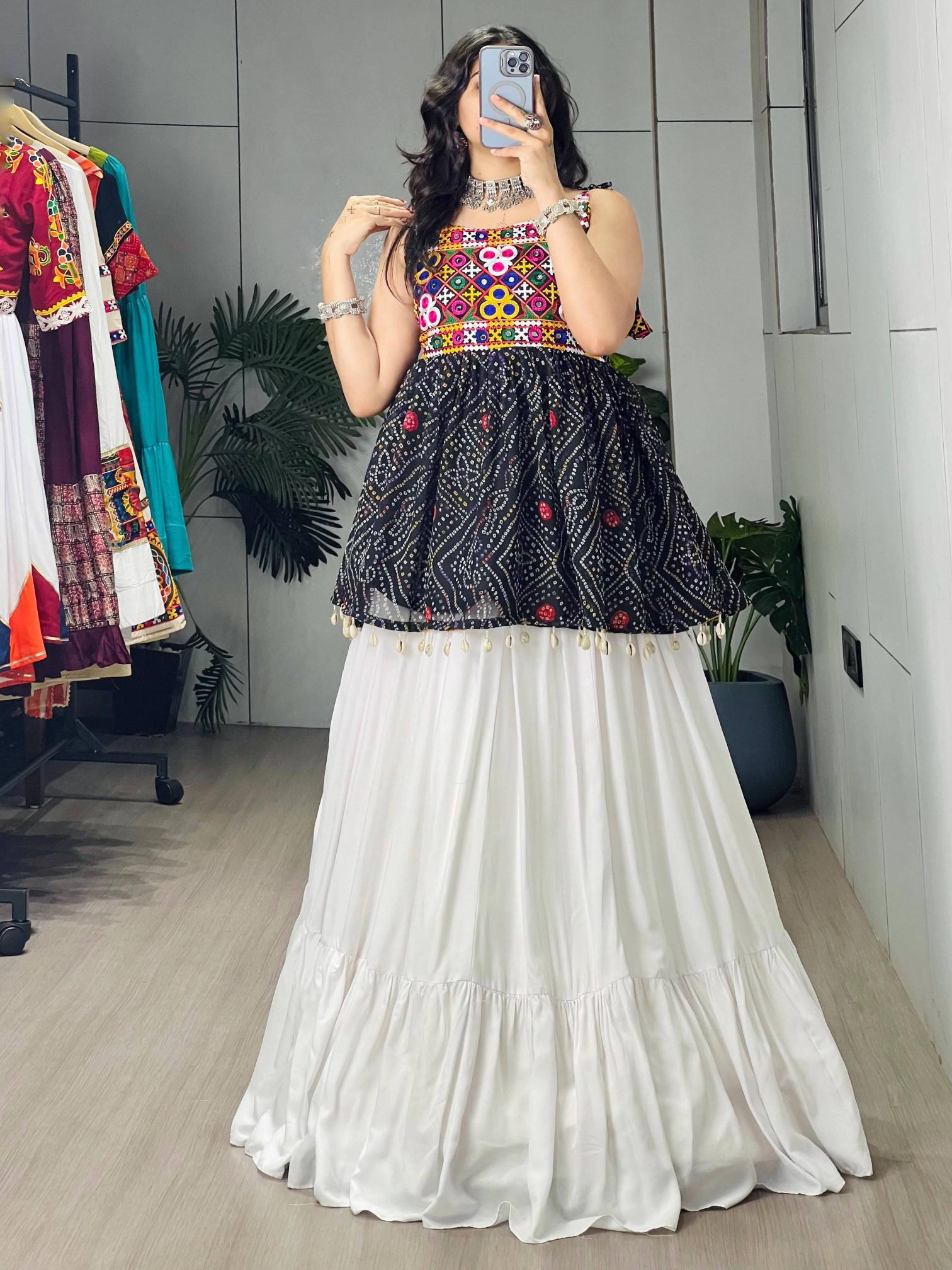
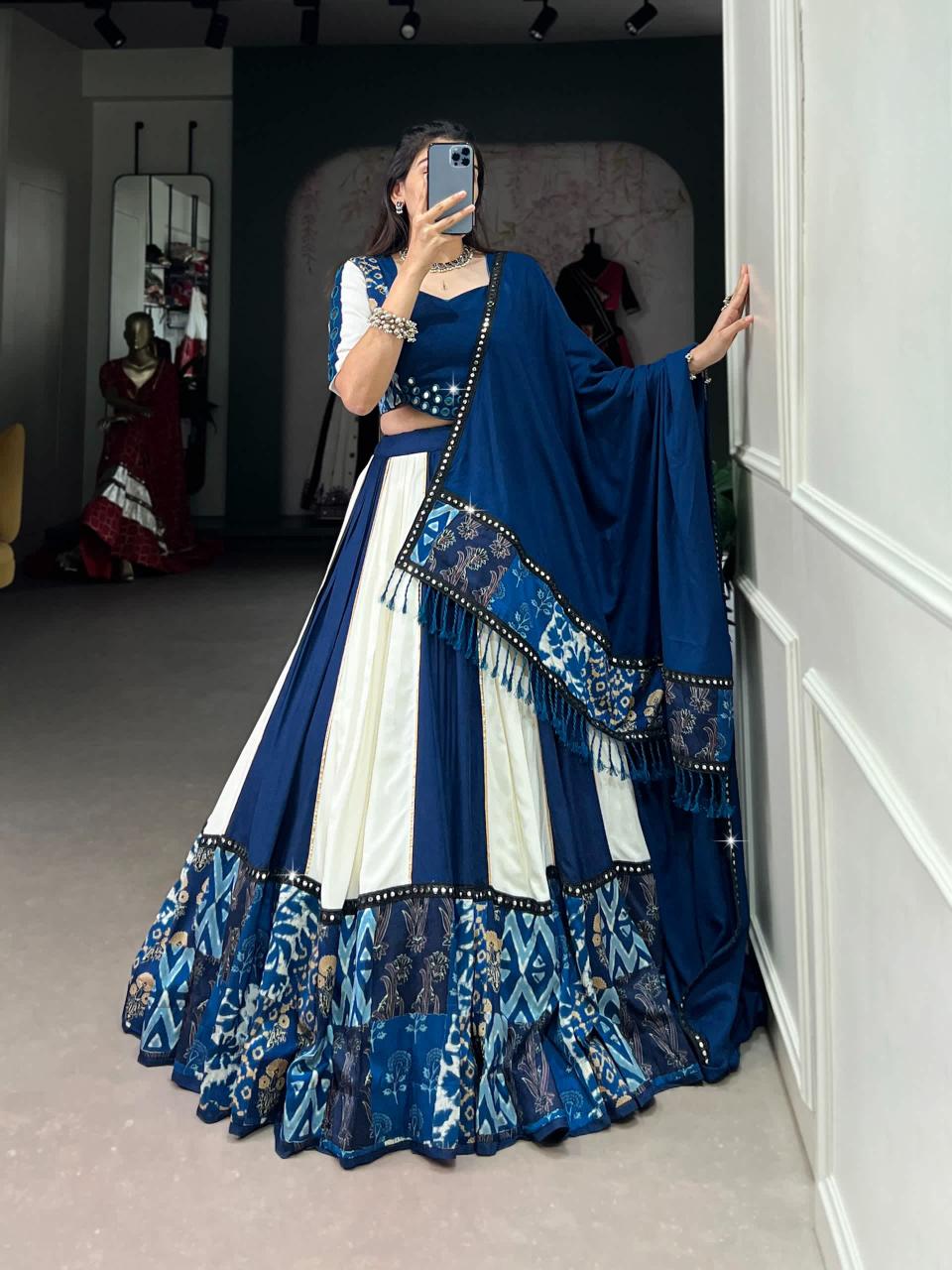
Wholesale lehenga choli collections can be particularly relevant for boutiques serving wedding and festive customers. Depending on the market segment, retailers can source lightweight festive designs, embroidered styles, designer-inspired collections and heavier occasion wear.
Colour selection matters strongly in this category. Rather than purchasing only traditional shades, retailers can combine established wedding colours with trending seasonal palettes. Bandhani-inspired looks, georgette lehengas, embroidered sets and contemporary blouse patterns can provide a wider merchandising mix.
Sarees for Different Retail Segments
Surat is widely associated with the saree trade, giving buyers access to regular, festive and occasion-based collections. Depending on the boutique audience, this can include printed sarees, fancy sarees, silk-look designs, party wear sarees, embroidered styles and other fashion-led ranges.
Retailers should select a wholesale saree supplier based on the audience they actually serve rather than purchasing solely because a catalogue looks attractive.
Kurtis and Kurti Sets
Kurtis and coordinated ethnic sets can offer repeat business because customers can wear them for work, casual occasions, festivals and social gatherings. Boutique owners can source different fabrics, silhouettes, prints, embroidery levels and price ranges to cover multiple customer segments.
For retailers looking for frequent inventory rotation, kurti wholesale Surat sourcing can complement higher-ticket wedding categories such as lehengas.
Dress Materials and Ethnic Wear
Dress materials remain important for customers who prefer customised stitching. Boutique owners can combine ready-to-wear garments with unstitched products to reach a wider audience.
Other categories such as salwar suits, Pakistani-style suits, gowns and coordinated sets can further expand a boutique's ethnic wear offering when they match local demand.
How to Compare Wholesale Price and Retail Margin
A wholesale rate should always be evaluated in relation to the final selling opportunity. Suppose two similar products have different sourcing prices. The cheaper item may appear more profitable, but if the more expensive item has visibly superior finishing and generates a higher selling price, it may deliver the stronger margin.
Boutique owners should calculate landed cost rather than only the listed product price. Landed cost can include the purchase amount, shipping, applicable taxes and other order-related expenses.
Once landed cost is clear, a retailer can establish a selling range suitable for its customers and expected margin.
Do Not Build a Boutique Around the Lowest Price Alone
Price-sensitive products have their place, particularly for high-volume resale. But boutique customers often pay for design selection, presentation, service and perceived exclusivity as much as for the garment itself.
A balanced inventory may therefore contain entry-level products alongside mid-range and premium collections. This allows the retailer to serve several budgets without weakening the boutique's positioning.
Wholesaleexport.in includes product choices for different resale requirements, making it possible to build a mixed inventory rather than restricting purchasing to one price bracket.
Why Supplier Reliability Matters for a Small Boutique
For a small business, a poor purchase can have a disproportionately large impact. If a major portion of available capital is tied up in unsuitable inventory, the retailer may have less money available for upcoming collections.
That is why choosing a reliable wholesale clothing supplier in Surat is as important as choosing the products themselves.
Buyers should consider product presentation, communication, quality expectations, dispatch processes, catalogue clarity and ongoing collection availability. Long-term sourcing becomes easier when the retailer understands how the supplier operates.
Experience Creates Better Wholesale Support
Vastralife has been active in wholesale and export operations since 2017, building industry experience across textile sourcing and customer requirements. This experience supports Wholesaleexport.in in serving retailers with an understanding of how product selection, quality, pricing and dispatch affect resale businesses.
For boutique owners, industry expertise becomes particularly useful when purchasing unfamiliar categories or planning stock for a major selling season.
Premium Quality for Higher-Value Customers
Not every boutique serves the same customer profile. Some businesses compete primarily on affordability, while others need premium fabric, detailed work and better finishing for customers who prioritise quality.
Including premium ethnic wear wholesale options allows a boutique to create higher-value sections and potentially increase average transaction value. Product quality should therefore be matched deliberately to the boutique's positioning.
Can Small Boutiques Outside India Buy from Surat?
Surat sourcing is not limited to Indian retailers. Ethnic wear businesses serving Indian and South Asian communities overseas can also explore wholesale purchasing and export from Surat, subject to destination-specific shipping, customs and import requirements.
For example, boutique owners in the USA, Australia and Nepal may source Indian ethnic wear for local customers. Product selection should reflect the purchasing behaviour of the destination market, because styles and preferred price points can vary significantly between countries.
International buyers should confirm shipping arrangements, documentation and applicable destination charges before finalising larger orders. Starting with a controlled assortment can also help an overseas boutique evaluate demand before scaling its purchasing.
Planning Seasonal Inventory from Surat
Seasonal buying should begin before customer demand reaches its peak. Wedding seasons, Navratri, Diwali and other festive periods can increase demand for ethnic wear, but retailers need enough time for purchasing, dispatch, merchandising and customer promotion.
A boutique owner can divide the seasonal budget between proven categories and new experiments. Proven products provide stability, while selected new designs give regular customers a reason to return.
Use New Arrivals to Keep Customers Interested
Customers who follow boutiques online often expect regular updates. Posting new stock in smaller but more frequent drops can create repeated engagement instead of presenting the entire seasonal inventory at once.
This makes direct wholesale access useful because the boutique can replenish inventory according to actual response rather than relying entirely on one large pre-season purchase.
Keep Working Capital Available
A common purchasing mistake is using nearly the entire inventory budget in one order. Keeping part of the budget available allows the retailer to reorder a fast-selling design or respond to an unexpected trend.
The goal of direct wholesale sourcing should not simply be to purchase more pieces. It should be to create a faster, more responsive stock cycle that improves the boutique's ability to sell profitably.
Another practical advantage of keeping working capital available is that a boutique can respond quickly when a particular colour, fabric, silhouette or design begins selling faster than expected. Instead of waiting until the next major buying cycle, the retailer can place a fresh wholesale order and maintain continuity in the categories customers are actively requesting.
For small boutiques, this flexible approach can be more sustainable than purchasing excessive quantities simply to obtain a marginally lower per-piece price. The objective should be profitable stock movement, not just a large inventory.
Retailers exploring current collections can also compare the wholesale lehenga market in Surat for festive and wedding-focused inventory. Businesses that want to diversify beyond occasion wear can explore the kurti wholesale market for everyday and semi-festive ranges.
How Small Boutique Owners Should Place Their First Surat Wholesale Order
A first wholesale order should be treated as a market test. Even when a product looks attractive in photographs or catalogues, the final buying decision should consider the boutique's existing customer profile. A retailer serving college-going customers may need a different collection from a boutique specialising in wedding and occasion wear.
Before ordering, define the total purchasing budget and divide it across categories. This prevents one attractive catalogue from consuming most of the available capital. A boutique might allocate one portion to proven sellers, another to seasonal products and a smaller amount to new fashion experiments.
Select Products According to Your Actual Customers
The strongest wholesale purchase is not necessarily the most fashionable product in the market. It is the product that your customers are likely to purchase at a profitable retail price.
Consider customer age, preferred colours, average spending range, local climate, occasions, sizes and demand patterns. If your boutique primarily serves customers looking for affordable daily ethnic wear, buying too many heavily embellished wedding products may slow inventory rotation. Similarly, a premium boutique should not fill most of its collection with entry-level products simply because their wholesale rates are lower.
Confirm Product and Order Details Before Payment
Before finalising an order, buyers should understand the product description, quantity, available variants and applicable shipping terms. When purchasing catalogue-based products, check whether the complete catalogue needs to be ordered or whether selected pieces are available.
For size-based garments, verify the available size range. For sarees and dress materials, understand fabric and work details. For lehenga cholis, check whether the set includes the blouse material, dupatta and other listed components. Clear purchasing decisions reduce misunderstandings after dispatch.
Calculate Your Complete Landed Cost
A boutique owner should know the approximate cost of getting merchandise into the shop, not merely the displayed wholesale price. Shipping and other applicable charges can influence the final cost per piece.
Once landed cost is calculated, retailers can set realistic retail margins. This becomes particularly important for online sellers who may also need to account for packaging, customer delivery and promotional expenses.
Direct Surat Buying for Home-Based and Instagram Sellers
The growth of social commerce has created opportunities for entrepreneurs who do not operate conventional stores. A seller can build an audience through Instagram, WhatsApp, Facebook or local customer groups and source products according to demand.
For these businesses, direct Surat purchasing can help provide a broader product selection without maintaining a traditional showroom. A home-based seller may begin with a focused range of sarees, kurtis or lehengas and gradually expand according to customer response.
Small quantity wholesale clothing can be particularly relevant in this model because the seller may want to test several styles instead of investing heavily in a single design.
Use Catalogue Content to Understand Customer Interest
Before investing deeply in a new category, sellers can observe which styles generate enquiries from their audience. This does not mean treating every enquiry as a confirmed sale, but it can provide useful signals about colours, designs and price ranges customers find attractive.
Once genuine demand patterns emerge, inventory can be adjusted accordingly. This creates a more data-driven purchasing cycle for small resellers.
Build Repeat Business Instead of One-Time Sales
A boutique becomes stronger when customers return regularly to check new collections. Reliable quality, transparent pricing and frequent new arrivals can encourage this behaviour.
Direct wholesale sourcing gives retailers greater control over how frequently they refresh merchandise. Instead of waiting for a local middleman to introduce new stock, the boutique can follow fresh Surat collections and select products appropriate for its audience.
Surat Wholesale Buying for Shop and Showroom Owners
Physical shop and showroom owners usually need a broader assortment than home-based sellers. They may require different colours, fabrics, price points and categories to ensure that walk-in customers have sufficient choice.
For these businesses, Surat can function as a central sourcing hub. Rather than purchasing the entire inventory from one category, retailers can combine everyday products with festive and premium collections.
A showroom may, for example, carry affordable sarees for regular purchasing, kurti sets for younger customers, dress materials for stitched-to-order buyers and premium lehenga cholis for wedding shoppers. The right combination depends on local demand.
Buy Depth Only in Proven Categories
If a particular category consistently sells well, buying additional designs or quantities within that category may be justified. However, new styles should initially be tested more carefully.
This distinction between proven inventory and experimental inventory can improve stock turnover. It also helps retailers maintain freshness without allowing every new fashion trend to become a major financial commitment.
Keep Multiple Retail Price Bands
Customers rarely share exactly the same budget. A useful boutique assortment can therefore include value, mid-range and premium products.
A customer who enters looking for an economical option should have relevant choices, while another customer looking for premium embroidery or an occasion-specific outfit should also find suitable merchandise. Wholesale purchasing should support this price ladder.
Why Surat Remains Important for Ethnic Wear Sourcing in 2026
Surat's importance comes from the concentration of textile-related businesses across trading, processing, designing, manufacturing and distribution. This creates an environment where buyers can access numerous product segments and changing fashion trends from a single sourcing city.
Areas connected with the Surat textile market, including the commercial network around Ring Road and Sahara Darwaza, continue to be recognised by textile buyers searching for wholesale merchandise.
Digital wholesale platforms have extended this ecosystem beyond physical market visits. A retailer in another Indian city can now explore Surat collections remotely, while international businesses can enquire about export possibilities without first travelling to India.
For 2026, this combination of established textile infrastructure and digital sourcing gives small retailers more flexibility in how they build inventory.
How to Choose a Reliable Surat Supplier for Long-Term Business
Finding products is only the beginning. A boutique that intends to reorder regularly should develop relationships with suppliers that can support consistent purchasing.
Look beyond a single catalogue. Consider whether the supplier regularly introduces new products, communicates clearly, serves the categories relevant to your business and has experience handling wholesale customers.
Wholesaleexport.in supports buyers seeking access to multiple wholesale ethnic wear categories. The platform is backed by Vastralife's wholesale and export experience since 2017, bringing years of textile industry expertise to sourcing, customer requirements and product selection.
Quality Matters More as Your Boutique Grows
When a boutique is new, attracting customers is the immediate priority. As the business grows, retaining customers becomes equally important. Product quality plays a major role in repeat business.
A customer who receives a garment with satisfying fabric, stitching, finishing and appearance is more likely to trust the boutique again. For this reason, premium product quality should remain part of the sourcing decision even when wholesale pricing is competitive.
Consistency Can Be More Valuable Than a One-Time Bargain
A very low price on one order may look attractive, but boutiques need reliable access to new stock over time. A sourcing relationship becomes more valuable when the retailer can repeatedly discover relevant collections and replenish inventory as the business grows.
This is why wholesale buyers should evaluate both immediate price and long-term sourcing convenience.
International Boutique Owners Can Also Source from Surat
Indian ethnic fashion has customers well beyond India. Boutiques serving South Asian communities in countries such as the USA, Australia and Nepal can consider Surat sourcing for sarees, lehengas, kurtis and other ethnic categories.
International purchasing requires additional planning. Buyers should consider shipping cost, destination rules, customs procedures and expected delivery timelines when calculating the landed price of merchandise.
Overseas boutique owners should also select inventory according to local customer behaviour. A product that sells rapidly in one market may perform differently in another because festival calendars, climate, community preferences and average retail budgets vary.
For an international buyer placing an initial order, a focused collection can provide useful sales information before a larger wholesale commitment is made.
Internal Linking: Explore More Wholesale Categories
Retailers building a complete ethnic wear business should think beyond a single product category. A customer visiting for a lehenga may later return for a saree, kurti set, dress material or festive outfit. Expanding into complementary categories can increase repeat purchasing opportunities.
Wholesaleexport.in can be used to explore current wholesale merchandise according to customer segment, season and purchasing budget. Boutique owners should regularly review new arrivals and compare them with their existing sales performance before adding inventory.
A structured product mix can include everyday sellers, festive merchandise, premium occasion wear and selected trend-led products. This makes the boutique less dependent on the performance of one category.
Customer FAQs
Can a small boutique owner really buy directly from Surat?
Yes. Small boutique owners, shop owners, resellers and home-based sellers can source wholesale clothing from Surat. Online wholesale sourcing has made it possible to explore collections and place orders without personally visiting the textile market every time.
Do I need to purchase hundreds of pieces to get wholesale rates?
Not necessarily. MOQ depends on the product and catalogue. Some collections may require a complete set, while other products can be available in smaller quantities. Buyers should check the applicable minimum quantity before ordering.
What should a new boutique buy first from Surat?
Start with products that fit your existing customer profile. Sarees, kurti sets, dress materials and lehenga cholis can all be suitable, but the right category depends on customer age, occasion, local demand and average spending range. Begin with controlled quantities and increase orders based on actual sales.
Can home-based resellers purchase wholesale clothing?
Yes. Home-based sellers can source wholesale merchandise for resale through social media, WhatsApp or their personal customer network. Smaller inventory cycles can help new sellers manage working capital while testing customer demand.
Can I order Surat wholesale products online?
Yes. Wholesaleexport.in allows buyers to explore wholesale collections online, making it easier for businesses located outside Surat to source products remotely.
Are premium collections available for boutique customers?
Yes. Retailers can build their assortment around different quality and price segments, including premium products for customers seeking better fabric, finishing, embroidery and occasion wear.
Can overseas boutique owners source products from Surat?
International wholesale buyers can enquire about export orders. Shipping, customs, import rules and other destination-specific requirements should be confirmed according to the receiving country before finalising the purchase.
How do I decide how much stock to order?
Base the quantity on available working capital, existing sales data, season, product category and customer demand. New boutiques should generally test products in manageable quantities before increasing inventory in proven categories.
Why should boutiques consider a supplier with industry experience?
Wholesale experience can help with product understanding, sourcing, category selection and handling the requirements of resale businesses. Vastralife has been involved in wholesale and export operations since 2017, providing industry experience behind the sourcing ecosystem.
Build Your Boutique Inventory with Wholesaleexport.in
If you are a boutique owner, reseller, shop owner, showroom owner, wholesale buyer or home-based seller looking to source ethnic fashion from Surat, Wholesaleexport.in can help you explore collections suited to different customer segments and budgets.
Instead of overstocking one category, build your inventory strategically. Select products according to your customers, test new designs in controlled quantities and reorder the collections that generate genuine sales.
What You Get with Wholesaleexport.in
- Latest Collections for frequently refreshed boutique inventory
- Wholesale Pricing suitable for resale-focused purchasing
- Trendy Ethnic Wear across multiple fashion categories
- Fast Shipping for efficient stock movement
- COD Support on eligible orders and applicable locations
- Bulk Order Deals for buyers increasing their purchasing volume
- Quality Products Starting From ₹299 across applicable collections
Whether you are starting with a small boutique or expanding an established retail operation, direct Surat sourcing can give you greater control over product selection, purchasing frequency and inventory variety. The key is to purchase according to demand rather than simply buying maximum quantity at the lowest possible rate.
Explore new arrivals, compare wholesale collections and build your next inventory order with Wholesaleexport.in.
Contact: +91 9712582172
Website: wholesaleexport.in
Start Your Next Wholesale Order from Surat
Small boutique owners no longer need to think of Surat sourcing as something reserved only for large wholesalers. With online access, manageable buying strategies and a wide range of ethnic wear categories, even a growing retailer can source directly and build inventory step by step.
Choose the products your customers actually want, maintain room in your budget for new arrivals, prioritise quality alongside price and develop a consistent sourcing cycle. That approach can turn Surat from a one-time purchasing destination into a dependable supply base for the long-term growth of your boutique.