


Cambric Cotton Kurti Collection Wholesale – Latest Designs & Prices 2026
Cambric Cotton Kurti Collection Wholesale – Latest Designs & Prices 2026
Comfort, fabric quality and wearable fashion continue to influence ethnic wear buying, especially for retailers who need products that customers can use regularly. Cambric cotton fits naturally into this demand because it offers a neat appearance, comfortable feel and excellent scope for prints, embroidery and contemporary kurti styling. For boutiques, resellers and clothing stores planning their 2026 inventory, selecting the right cambric styles can create a strong everyday-wear category with repeat selling potential.
Introduction
The Indian ethnic wear market has become increasingly diverse. Customers no longer purchase kurtis only for festivals or special occasions. They want practical outfits for offices, college, casual outings, travel, family gatherings and everyday use. This changing buying pattern has created consistent demand for comfortable cotton-based products.
A well-selected Cambric Cotton Kurti Collection can help retailers serve this market effectively. Cambric cotton is generally appreciated for its smooth texture, structured appearance and suitability for printed as well as embroidered designs. Depending on the product construction, it can be used for straight kurtis, A-line patterns, kurti-pant combinations, coordinated sets and other ready-to-wear ethnic styles.
For Home-Based Sellers, Shop Owners, Boutique Owners, Showroom Owners, Resellers and Wholesale Buyers, the important question is not simply which kurti looks attractive. A successful wholesale purchase needs the right combination of design, fabric, size availability, wholesale price, seasonal relevance and customer demand.
Wholesaleexport.in provides access to wholesale ethnic wear collections for buyers looking to source from Surat. Supported by Vastralife’s wholesale and export experience since 2017, the focus remains on practical sourcing, industry expertise and premium product quality for retailers working in competitive markets.
Why Cambric Cotton Kurtis Are Important for Retailers in 2026
Fashion changes quickly, but comfort-based ethnic wear continues to have a reliable customer base. This makes cambric cotton useful for businesses that want to maintain a category capable of selling beyond a short festival period.
Comfortable Fabric for Regular Wear
One of the biggest advantages of cambric cotton kurtis wholesale is their connection with daily wear. Consumers often look for outfits that feel comfortable for long hours without appearing too basic. A thoughtfully designed cambric kurti can provide the balance between everyday comfort and a presentable ethnic look.
This makes the category suitable for working women, homemakers, college-going customers and buyers looking for comfortable casual outfits. Retailers can therefore position different designs at multiple selling points instead of targeting only one customer segment.
Good Base for Prints and Embroidery
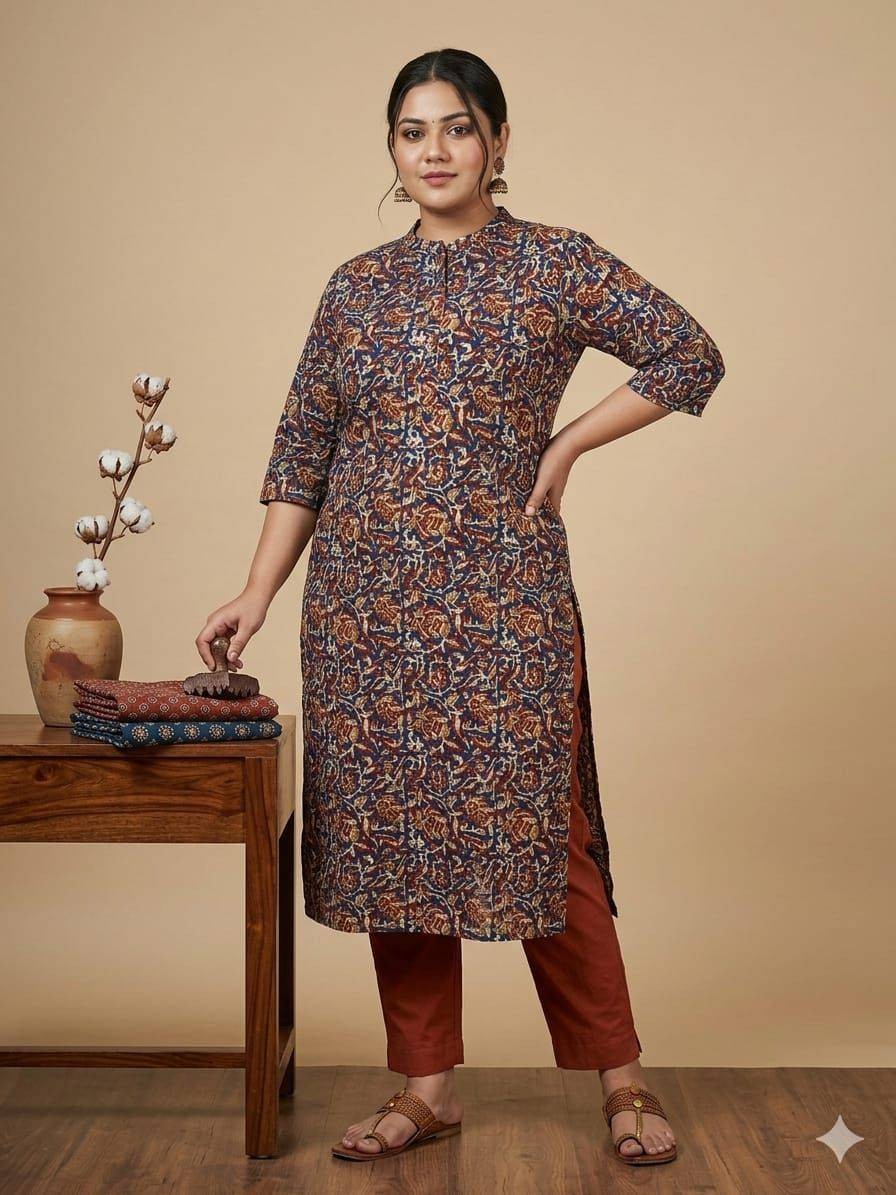
Cambric fabric works well with several fashion treatments. Floral prints, geometric patterns, traditional motifs, subtle embroidery, neckline detailing, border work and contemporary placement prints can create very different looks while retaining the basic comfort of cotton.
This design flexibility is particularly useful for a kurti wholesaler or retailer because one fabric category can support several visual stories. A boutique may stock softer pastel prints for office wear while keeping brighter printed or embroidered pieces for casual and festive customers.
Suitable for Multiple Age Groups
A major advantage of cotton ethnic wear is its broad customer appeal. Young buyers may prefer modern cuts, shorter lengths and coordinated bottoms, while mature customers may choose straight silhouettes, longer kurtis and elegant traditional prints.
Wholesale buyers should therefore avoid treating cambric cotton as one narrow product type. A varied assortment can serve different age groups and substantially improve the selling potential of the category.
Cambric Cotton Kurti Collection Styles to Stock
Choosing the right product mix is more important than buying a large quantity of one design. Retailers should build their assortment around different customer requirements, selling occasions and price ranges.
Straight Cambric Cotton Kurtis
Straight-cut kurtis remain a practical wholesale category because they are easy to understand and easy for customers to style. Depending on length and design, they can be paired with pants, leggings, palazzos or other bottoms.
For businesses starting with limited investment, straight cotton kurtis wholesale can form a useful core inventory. Instead of purchasing excessive quantities, retailers can select multiple patterns and colours and identify which designs receive faster customer response.
Printed Cambric Kurtis
Printed kurtis can provide excellent variety without requiring very heavy embellishment. Floral prints, traditional motifs, abstract patterns, geometric themes and small all-over designs can all work according to regional demand.
For 2026 collections, retailers should consider keeping a combination of easy-selling colours and a smaller selection of fashion-forward shades. Printed styles can be especially useful for home-based resellers because attractive designs photograph well for WhatsApp catalogues and social media selling.
Embroidered Cambric Cotton Kurtis
Embroidery can move a basic cotton product into a more premium-looking segment. Neckline embroidery, yoke work, sleeve detailing or strategically placed motifs can add perceived value without necessarily turning the outfit into heavy occasion wear.
When comparing an embroidered kurti price, buyers should consider more than the visible work. Fabric quality, stitching, finishing, embroidery consistency and overall garment construction all influence how the product will be received by the final customer.
Cambric Kurti Pant Sets
Ready combinations are useful for customers who prefer a complete outfit instead of matching separate pieces. A coordinated kurti and pant combination can simplify the purchase decision and may also allow retailers to create a higher-value selling category.
Retailers can stock everyday printed sets along with selected embroidered or designer combinations. The ideal ratio should depend on the buying capacity and preferences of the local customer base.
Kurti Sets with Dupatta
Three-piece ethnic sets offer another commercial opportunity. A cambric cotton kurti paired with a matching or contrasting bottom and dupatta can serve customers looking for a more complete traditional appearance.
Such sets can work for casual gatherings, daytime functions, office events and family occasions depending on the styling. Boutique owners can use them to bridge the gap between simple daily wear and heavier festive clothing.
How to Select Cambric Cotton Kurtis for Wholesale Buying
Wholesale buying becomes more profitable when product selection is based on business logic rather than appearance alone. Buyers should evaluate fabric, stitching, sizing, colour assortment and expected retail demand before finalising quantity.
Check Fabric Feel and Construction
Customers buying cotton products usually care strongly about comfort. Buyers should therefore pay attention to the overall feel, thickness and finish of the garment. Product quality should remain consistent across pieces in a wholesale order.
When sourcing through a supplier, ask for accurate product specifications whenever available. A good product image is useful for selection, but repeat business ultimately depends on what customers receive.
Review Stitching and Finishing
Neat stitching can make an affordable garment look significantly more professional. Buyers should look at neckline finishing, sleeve construction, side seams, hems and other visible areas.
This is particularly important for Boutique Owners and Showroom Owners because customers in these channels often compare finishing closely before making a purchase.
Choose a Practical Colour Mix
Instead of purchasing every design in similar shades, build a balanced colour assortment. Pastels and earthy shades can work well for subtle everyday styling, while maroon, mustard, green, navy, wine, pink and other stronger colours can provide visual variety.
The right colour combination can differ across regions, seasons and customer groups. This is why small initial testing followed by quick reordering is often more efficient than making a very large speculative purchase.
Understand Size Demand Before Ordering
Size planning is an important part of ladies kurti wholesale buying. A beautiful design can still become slow inventory if the available sizes do not match the retailer’s actual customers.
Existing businesses should review previous sales before placing new orders. New resellers can begin with a balanced size assortment and track inquiries, conversions and repeat requests to understand local demand.
Buying Cambric Cotton Kurtis from Surat
Surat has developed into a major sourcing destination for Indian textile and fashion businesses. The city supports a broad ecosystem that includes fabric, processing, trading, garment manufacturing, wholesaling and logistics. This makes it possible for retailers to explore multiple categories while sourcing for their stores.
Buyers researching the surat textile market frequently encounter areas around Ring Road and Sahara Darwaza. These commercial zones are widely associated with textile trading and attract buyers searching for sarees, dress materials, kurtis, suits and other ethnic wear products.
Ring Road Wholesale Sourcing
Ring Road is an important reference point for textile buyers visiting Surat. The surrounding textile markets give buyers access to numerous wholesalers, traders and product categories. For an experienced buyer, physical market visits can be useful when comparing styles and building supplier relationships.
However, travelling to Surat for every purchase is not always practical. Digital wholesale platforms can help retailers view fresh catalogues remotely, discuss product availability and place orders without repeatedly spending time on physical market visits.
Sahara Darwaza Textile Buying
Sahara Darwaza is another familiar name for buyers researching textile sourcing in Surat. Buyers visiting these areas should still compare product specifications carefully rather than selecting merchandise purely because the quoted wholesale rate appears low.
For a retail business, the cheapest garment is not automatically the most profitable garment. A slightly better product that generates stronger customer satisfaction and repeat purchases may provide more sustainable returns.
Cambric Cotton Kurti Wholesale Price and Margin Planning
Wholesale pricing depends on several variables including fabric, design, embroidery, garment construction, set composition, brand, quantity and finishing. Instead of searching for one fixed cambric cotton kurti wholesale price, buyers should compare products within similar specifications.
Calculate Landed Cost, Not Only Product Price
The quoted purchase amount is only one component of inventory cost. Depending on the transaction, a retailer may also need to consider taxes, transportation, packaging and other applicable expenses.
Calculate the approximate landed cost before deciding the final selling price. This gives a clearer view of expected gross margin and helps prevent aggressive discounting from reducing profitability later.
Maintain Multiple Retail Price Segments
A store does not need every kurti at the same selling level. Entry-level cotton styles can attract price-conscious customers, while better embroidery and coordinated sets can serve buyers willing to spend more.
This layered strategy gives retailers more flexibility. Home-Based Sellers can also use it to present “good, better and premium” choices when sharing products with customers online.
Focus on Stock Rotation
Margin percentage alone does not determine business success. A design that sells repeatedly and can be reordered may generate better total returns than a high-margin style that remains unsold for months.
In 2026, retailers should pay close attention to inventory rotation. Keep sufficient fresh designs, track customer response and move working capital toward styles that are actually converting.
Wholesale Opportunities for India, Nepal and Australia
The appeal of comfortable Indian ethnic wear extends beyond one local market. Wholesaleexport.in can be useful for buyers evaluating collections for domestic selling as well as export-oriented requirements. For this collection strategy, three relevant markets are India, Nepal and Australia.
India
India offers a broad customer base for cotton kurtis because climate, regional preferences and everyday ethnic dressing create multiple demand segments. Retailers can build inventory around office wear, daily wear, casual ethnic styles, kurti sets and seasonal collections.
Nepal
Nepal can offer opportunities for Indian ethnic wear retailers and boutiques seeking kurtis, suits and related collections. Buyers should select styles according to their own customer profile, seasonal requirements and preferred selling range rather than simply copying Indian retail assortments.
Australia
For buyers serving Indian and South Asian communities in Australia, versatile ethnic wear can form part of a broader apparel assortment. Product selection should consider customer lifestyle, seasonal differences, sizing requirements and shipping economics before wholesale quantities are finalised.
Vastralife Wholesale and Export Experience Since 2017
Reliable sourcing requires more than uploading new catalogues. Understanding retailer requirements, product movement, supplier coordination and dispatch expectations becomes increasingly important as order volumes grow.
Vastralife has been working in wholesale and export since 2017, bringing practical textile industry expertise to product sourcing. Through Wholesaleexport.in, buyers can explore wholesale fashion categories while focusing on premium product quality, commercial buying requirements and access to changing collections.
For a Home-Based Seller, this can mean finding manageable products to begin reselling. For established Shop Owners, Boutique Owners, Showroom Owners and Wholesale Buyers, it can mean continuously evaluating fresh products without relying entirely on physical market visits.
How Different Sellers Can Build a Cambric Kurti Inventory
Home-Based Sellers
Start with variety rather than excessive quantity. Select a manageable mix of printed kurtis, everyday styles and a few complete sets. Share clear images through WhatsApp and social platforms, note which colours and price points receive inquiries, and reorder based on actual demand.
Boutique Owners
Boutiques can differentiate their assortment through better detailing. Along with basic cotton kurtis, consider embroidered necklines, attractive prints, coordinated bottoms and carefully selected colour combinations.
Shop Owners
Retail shops usually benefit from a broader assortment. Maintain different sizes, colours and selling ranges so customers have enough choices without making the collection confusing.
Showroom Owners and Wholesale Buyers
Larger buyers should evaluate sales data category by category. Instead of repeating identical quantities for every catalogue, use previous performance to determine which designs deserve deeper inventory and which should be purchased primarily for variety.
Internal Linking Section – Explore Related Wholesale Categories
Retailers building a cotton-focused ethnic wear range can strengthen their assortment by adding complementary products. Buyers searching for lightweight everyday styles can explore wholesale rayon kurtis alongside cambric cotton designs. This gives stores additional fabric choices while keeping the collection relevant for customers who prefer comfortable and practical ethnic wear.
Businesses that want to expand beyond ready-made kurtis can also source wholesale dress materials in Surat. Combining kurtis, kurti sets and dress materials allows retailers to serve both customers who prefer ready-to-wear garments and those who want fabric-based ethnic fashion.
Cambric Cotton Kurti Collection for Everyday and Seasonal Selling
A strong Cambric Cotton Kurti Collection should not depend on only one season. The real advantage of this category is its ability to work across regular retail cycles while allowing sellers to refresh colours, prints and detailing according to seasonal demand.
Daily Wear Cotton Kurtis
Daily wear is an important segment for retailers because customers frequently look for comfortable outfits that can be worn repeatedly. Simple prints, practical silhouettes and wearable colours can form the foundation of this section.
For Shop Owners and Home-Based Sellers, daily wear products can also create opportunities for repeat purchases. When a customer likes the fitting and fabric of one design, similar styles in different colours and prints can become easier to sell.
Office Wear Kurti Collections
Office wear buyers often prefer a polished look without excessive embellishment. Straight cuts, restrained prints, subtle embroidery and balanced colours can work well for this segment.
Retailers should focus on garments that look presentable while remaining comfortable for extended wear. Navy, beige, maroon, olive, pastel blue, dusty pink, grey and earthy shades can help create a sophisticated assortment, although actual demand should always guide purchasing decisions.
Casual and Weekend Styles
Younger consumers may respond well to brighter prints, contemporary patterns, interesting necklines and relaxed silhouettes. Retailers can test fashion-oriented products in smaller quantities before increasing stock.
This strategy allows sellers to keep their catalogue looking fresh without locking too much working capital into designs whose demand has not yet been established.
Festive-Light Cotton Styles
Not every festive customer wants heavy ethnic wear. Embroidered cambric kurtis and three-piece sets can serve buyers looking for something more decorative than everyday wear but lighter than traditional occasion clothing.
Retailers can introduce these styles around regional festivals, family functions and seasonal shopping periods. The objective is to maintain enough variety to capture additional demand without turning the core cotton section into a heavily embellished category.

How to Build a Profitable Cambric Cotton Kurti Wholesale Assortment
Profitability in wholesale-to-retail fashion depends heavily on inventory planning. Buying more stock does not automatically generate more profit. The objective should be to purchase the right products in quantities that match the seller's ability to move inventory.
Start with Design Variety
When testing a new supplier or collection, design variety can be more useful than buying excessive quantities of a single style. A reseller can observe which prints, colours, silhouettes and selling prices receive the strongest response.
Once winning products become clear, the retailer can consider repeat orders or similar designs. This creates a more demand-driven purchasing system.
Separate Core and Fashion Inventory
Core inventory includes designs that can potentially sell for a longer period, such as straightforward printed cotton kurtis and wearable kurti sets. Fashion inventory includes more trend-sensitive colours, cuts and detailing.
Keeping both categories helps create balance. Core stock provides consistency, while fashion products keep the store or online catalogue visually fresh.
Use Price Bands Instead of One Price Point
A diversified kurti wholesale price strategy can help sellers reach more customers. Entry-level products may attract budget buyers, mid-range styles can form the main volume category, and selected premium designs can increase average order value.
Retailers should calculate margins separately for each category. A uniform markup strategy does not always work because product costs, competition and customer willingness to pay vary significantly.
Reorder According to Sales Data
Keep simple records of designs sold, colours requested, sizes demanded and customer inquiries. Even a basic spreadsheet can reveal which products deserve additional investment.
This is especially useful for growing resellers. Decisions based on actual sales reduce dependence on assumptions and make future wholesale purchasing more efficient.
Wholesale Cotton Kurti Sourcing for Resellers
Reselling can be started at different scales. Some businesses operate through physical stores, while others sell primarily through WhatsApp, Instagram or an existing customer network. The wholesale strategy should match the selling model.
WhatsApp Resellers
WhatsApp selling works best when catalogues are easy to understand. Product images, available sizes, basic specifications and selling information should be communicated clearly.
Instead of forwarding hundreds of unrelated products, resellers can create focused selections such as cotton office wear, printed kurtis, kurti sets or premium embroidered collections. This makes product discovery easier for customers.
Instagram and Social Sellers
Social selling depends strongly on visual presentation. Attractive prints, clear product photographs and regular new arrivals can help maintain customer interest.
However, online sellers should avoid choosing products purely for their photographic appeal. Fabric, sizing, finishing and customer expectations remain important because repeat business depends on the actual product received.
Physical Retail Stores
Physical retailers can use displays to separate everyday cotton wear from premium ethnic sets. This allows customers to understand the available price and style categories more easily.
Stores can also monitor trial-room feedback, customer requests and missing sizes. These insights can be useful when planning the next wholesale purchase.
Manufacturing, Quality and Supplier Selection
Surat's textile ecosystem connects fabric sourcing, processing, trading and garment manufacturing. For buyers, however, the size of the market also means that products can vary considerably in specifications and quality.
Do Not Compare Only the Lowest Price
Two kurtis that look similar in catalogue photographs may differ in fabric quality, stitching, measurements, finishing and detailing. Therefore, wholesale comparisons should ideally be made between products with comparable specifications.
An unusually low price is not automatically a better business opportunity if the garment creates customer complaints or poor repeat buying.
Check Product Information Before Bulk Buying
Before committing to larger quantities, understand the available sizes, fabric information, set composition, colour options and other important product details. For embroidered products, check whether the work shown is representative of the actual supplied merchandise.
Evaluate Supplier Consistency
Retailers need fresh products regularly. Supplier consistency therefore matters almost as much as the success of one catalogue. Businesses should consider communication, product availability, quality expectations and dispatch support when developing longer-term sourcing relationships.
Surat Textile Market Buying Strategy for 2026
Businesses sourcing from the surat textile market can choose between physical market buying and online wholesale sourcing. Both methods can be useful depending on the retailer's location, purchasing volume and experience.
Physical Market Buying
Buyers travelling to Surat can explore textile markets around Ring Road, Sahara Darwaza and surrounding commercial areas. Physical visits allow direct product comparison and can be valuable for businesses purchasing across multiple categories.
The complete cost of a sourcing trip should nevertheless be considered. Travel, accommodation, local transportation and time away from the business can add to the effective procurement cost.
Online Wholesale Buying
Online sourcing can reduce the need for repeated physical visits. Buyers can explore new collections remotely and place orders according to their business requirements.
Wholesaleexport.in is designed for businesses looking for access to changing wholesale fashion collections from Surat. For retailers outside Gujarat and international buyers, digital sourcing can make product discovery considerably more convenient.
Combine Online and Offline Sourcing
Established buyers do not necessarily need to choose only one method. Some businesses visit Surat periodically to understand broader market trends and then continue regular purchases remotely.
This hybrid approach can reduce sourcing time while maintaining connections with the wider textile ecosystem.
Cambric Cotton Kurti Export Opportunities
Indian ethnic wear has customers in several international markets, but export purchasing should be planned differently from domestic retail buying. Product selection, sizing, freight and the preferences of the destination market all matter.
Buying for Nepal
Nepal retailers can consider a combination of everyday cotton kurtis, coordinated sets and selected festive ethnic wear. Inventory should be planned according to local selling seasons and the preferences of each retailer's customer base.
Buying for Australia
Retailers serving South Asian communities in Australia may benefit from maintaining a versatile collection that includes comfortable ethnic wear as well as occasion-oriented products. Since international logistics affect landed cost, buyers should calculate shipping and related expenses before setting retail prices.
Buying Across India
Within India, regional demand can vary considerably. A design selling strongly in one city may perform differently elsewhere. Buyers should use their own customer history and local market knowledge when selecting wholesale inventory.
Wholesaleexport.in can support buyers exploring different ethnic wear categories while Vastralife's experience since 2017 brings practical wholesale and export understanding to the sourcing process.
Customer FAQs
1. What is a Cambric Cotton Kurti Collection?
It generally refers to kurtis and related ethnic wear made using cambric cotton fabric. Collections can include printed kurtis, embroidered styles, straight-cut garments, kurti-pant sets and other coordinated ethnic outfits depending on the supplier.
2. Can I buy cambric cotton kurtis wholesale from Surat?
Yes. Surat is a major textile sourcing centre, and buyers can explore cotton kurtis and other ethnic wear through wholesale suppliers and online sourcing platforms. Product availability should be confirmed when ordering.
3. Is cambric cotton suitable for everyday kurtis?
Cambric cotton can be a practical choice for everyday ethnic wear because it combines a neat appearance with the comfort customers commonly expect from cotton-based garments.
4. What designs should a new reseller buy first?
New resellers can begin with a balanced assortment of printed daily wear kurtis, straight styles and selected kurti sets rather than investing heavily in one design. Customer response can then guide reordering.
5. What should I check before placing a bulk kurti order?
Check fabric information, size availability, design assortment, stitching expectations, set contents, wholesale price, applicable shipping costs and supplier terms before confirming a large order.
6. Can boutique owners source premium cambric kurtis?
Yes. Boutique assortments can include embroidered cambric kurtis, coordinated sets, distinctive prints and better-detailed products alongside simpler everyday designs.
7. Are cambric cotton kurtis suitable for home-based reselling?
They can be suitable because everyday ethnic wear serves a broad customer segment. Home-Based Sellers should begin with manageable quantities and monitor which sizes, colours and designs receive the strongest response.
8. Does Wholesaleexport.in supply only kurtis?
No. Wholesaleexport.in can be used to explore multiple wholesale fashion categories, allowing retailers to build a broader assortment according to their target customers and business model.
9. Can international wholesale buyers source Indian ethnic wear?
International buyers can enquire about suitable collections and export requirements. Final purchasing decisions should consider product specifications, quantity, freight, destination requirements and landed cost.
10. How can retailers improve profit from wholesale kurti buying?
Retailers can improve inventory performance by selecting products according to actual customer demand, maintaining multiple price segments, controlling initial quantities, tracking fast sellers and reordering successful designs instead of allowing capital to remain blocked in slow stock.
Order Latest Wholesale Ethnic Wear Collections
If you are a Home-Based Seller, Shop Owner, Boutique Owner, Showroom Owner, Reseller or Wholesale Buyer looking for fresh inventory, explore Wholesaleexport.in for business-focused textile sourcing backed by Vastralife's wholesale and export experience since 2017.
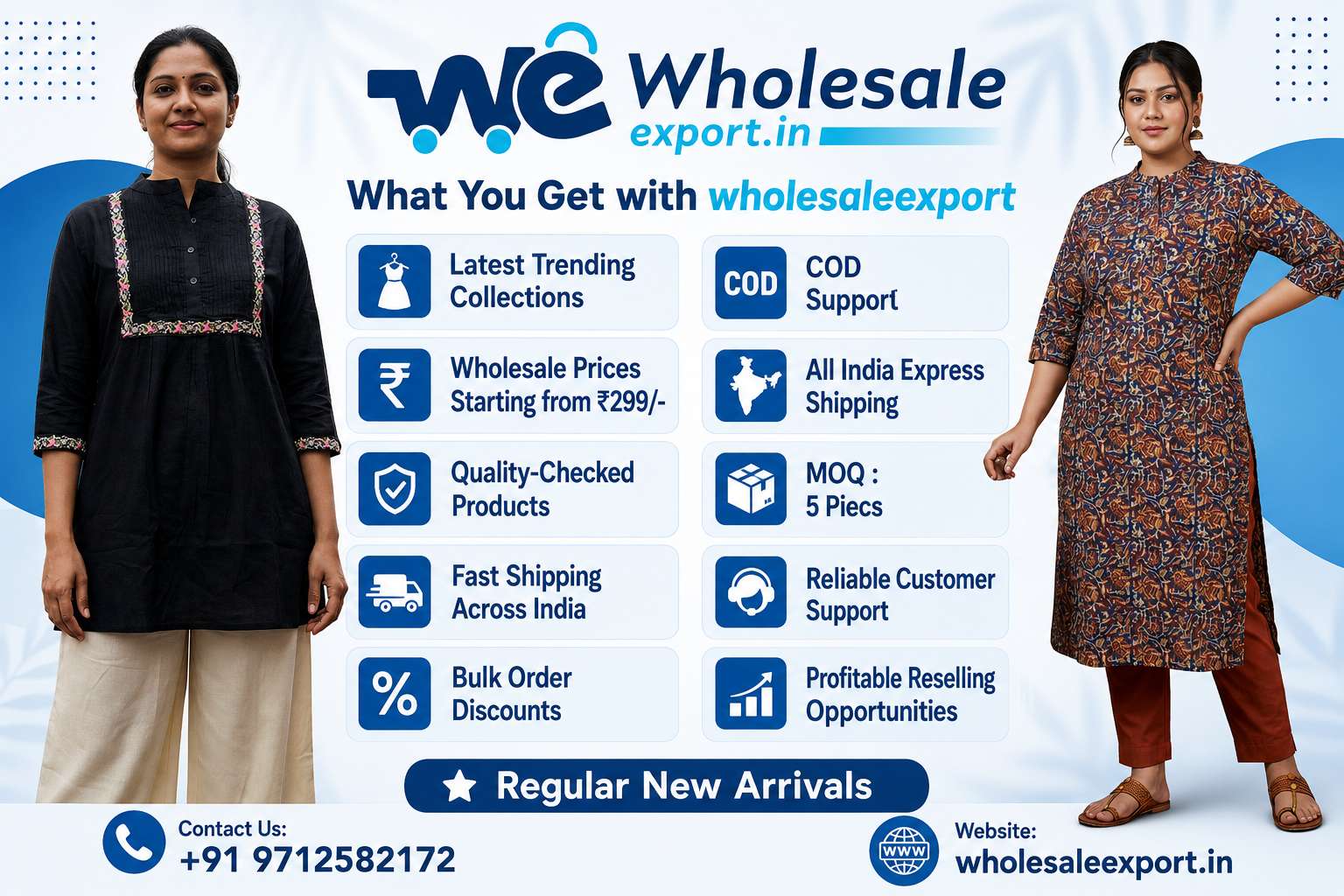
What You Get with Wholesaleexport:
- Latest Collections for changing retail demand
- Wholesale Pricing for business buyers
- Trendy Ethnic Wear for stores, boutiques and resellers
- Fast Shipping support for convenient ordering
- COD Support on eligible orders
- Bulk Order Deals for volume buyers
- Quality Products Starting From ₹299
- Regular new arrivals for fresh inventory planning
- Wholesale and export-focused sourcing support
Whether you are developing a new Cambric Cotton Kurti Collection, refreshing an existing ethnic wear store or expanding into additional wholesale categories, selecting the right products at the right buying level can help create stronger inventory rotation and more sustainable retail growth.
Contact Number: +91 9712582172
Website: wholesaleexport.in
Explore fresh wholesale collections, compare products according to your customers and build your 2026 inventory with a practical combination of quality, variety and business-focused sourcing.