


Cambric Cotton Dress Material Wholesale: Complete Buying Guide for 2026
Cambric Cotton Dress Material Wholesale: Complete Buying Guide for 2026
Comfortable fabrics, versatile styling and attractive prints continue to influence ethnic-wear purchasing across India. Among the fabrics that fit these requirements particularly well, cambric cotton dress material has developed a dependable position for retailers who serve women looking for practical yet fashionable unstitched suits. For wholesale buyers, the category offers opportunities across everyday wear, office collections, boutique selections and seasonal ranges.
Introduction
The Indian dress material business continues to evolve as customers become more particular about comfort, fabric quality, prints and value for money. A customer no longer chooses an unstitched suit only because of its color or embroidery. She may also consider how the fabric feels, whether it can be worn comfortably for several hours, how it behaves after stitching and whether the final outfit suits her lifestyle.
This changing buying behavior is one reason cambric cotton dress material remains commercially relevant in 2026. Cambric cotton can provide a smooth appearance while retaining the everyday practicality associated with cotton-based clothing. Depending on the collection, it can be presented through floral prints, traditional motifs, contemporary patterns, embroidered necklines, coordinated bottoms and statement dupattas.
For Shop Owners, Boutique Owners, Showroom Owners, Home-Based Sellers, Resellers and Wholesale Buyers, this versatility is important. Instead of being restricted to one narrow customer group, the category can be positioned for daily use, office dressing, casual outings, gifting and selected semi-festive occasions.
Surat plays an important role in this supply chain. The broader surat textile market, including commercial areas around ring road and sahara darwaza, connects fabric businesses, garment suppliers, distributors, catalog wholesalers and companies involved in textile manufacturing. This ecosystem gives buyers access to a broad variety of dress materials without depending on only one design style.
What Is Cambric Cotton Fabric?
Cambric is generally known as a closely woven fabric with a comparatively smooth and refined surface. In women's ethnic wear, the term is commonly associated with cotton-based materials used for kurtis, suits and unstitched dress sets. Exact fabric composition and construction can vary between manufacturers and catalogs, so professional buyers should always check the specific product details before ordering.
The attraction of good-quality cambric cotton comes from the balance between appearance and wearability. It can hold printed patterns attractively while remaining suitable for garments intended for regular use. This makes it commercially useful for retailers who want products positioned above very basic everyday material without moving entirely into expensive occasion wear.
Why Customers Prefer Cotton-Based Dress Materials
Many consumers associate cotton with comfort and everyday practicality. In warm conditions, breathable-feeling garments can be particularly attractive, while unstitched material gives customers the freedom to choose their preferred fitting and tailoring style.
A customer can convert the same dress material into a straight-cut suit, A-line silhouette, relaxed kurta or another style depending on the available fabric and design. That customization advantage helps unstitched clothing remain relevant even as ready-made fashion continues to grow.
Cambric Cotton Versus Ordinary Everyday Fabric
Retail buyers should avoid treating every cotton dress material as identical. Fabric construction, weight, finish, print clarity, color depth and overall hand feel can differ substantially from one collection to another.
A better-quality cotton dress material wholesale collection can command stronger retail attention when customers can physically feel the difference. For online selling, close-up photographs, videos and accurate product descriptions become especially important because customers cannot touch the fabric before purchasing.
Why Cambric Cotton Dress Material Works for Wholesale Business
A strong wholesale category should satisfy more than one commercial requirement. It should have recognizable customer demand, enough design variety for repeat purchasing and a workable price structure for different retail markets.
Cambric cotton can fit these requirements because suppliers can develop collections across several visual directions. One catalog may focus on delicate floral prints, another on traditional Indian motifs and another on modern geometric or digitally inspired patterns.
Suitable for Everyday Retail Demand
Daily and semi-casual fashion can provide more consistent selling opportunities than products purchased only for major functions. Women need outfits for work, family visits, shopping, social gatherings and regular day-to-day activities throughout the year.
For this reason, wholesale dress material suppliers serving retailers often maintain collections that combine practical fabrics with updated designs. The objective is to provide customers something fresh without making the product difficult to wear regularly.
Good Category for Boutique Owners
Boutiques can differentiate the same fabric category through selection. Rather than stocking every available design, a boutique can curate coordinated colors, distinctive prints and elegant dupattas according to its customer profile.
A boutique targeting professionals may choose sophisticated motifs and muted shades, while a store serving younger customers might select brighter prints and contemporary combinations. The wholesale source may be similar, but intelligent assortment planning can create a completely different retail identity.
Practical for Home-Based Sellers and Resellers
Home-Based Sellers often require merchandise that can be explained easily through WhatsApp, Instagram or digital catalogs. Dress materials can work well in this environment because customers can see the complete combination of top fabric, bottom and dupatta before deciding.
Resellers can also test different designs in controlled quantities rather than investing all their capital in one expensive category. This can help them learn which colors, patterns and selling ranges receive the strongest response.
Popular Cambric Cotton Dress Material Styles in 2026
Fashion does not change only through silhouettes. Prints, color combinations, dupatta styling and surface detailing can refresh familiar products. In 2026, retailers should think about creating a varied assortment rather than relying on one design family.
Floral Printed Dress Materials
Florals remain highly adaptable because they can range from delicate and understated to bold and decorative. Small floral motifs can work well for everyday and office-oriented products, while larger artistic florals can give a collection a more fashionable boutique character.
Color coordination matters as much as the floral artwork itself. A visually balanced combination between the kurta fabric, bottom and dupatta can make an ordinary print feel significantly more premium.
Traditional Motifs and Ethnic Prints
Traditional-inspired patterns continue to appeal to customers who prefer an unmistakably ethnic appearance. Depending on the collection, these may include paisley influences, ornamental motifs, block-inspired patterns or other regional design references.
Such products can be useful for retailers whose customers want traditional fashion that remains comfortable enough for regular wear.
Digital and Contemporary Prints
Modern printing techniques allow designers to experiment with more complex combinations, abstract patterns and fashion-led artwork. These styles can help a store attract customers who want ethnic garments without an overly traditional appearance.
For Boutique Owners, mixing traditional and contemporary designs can widen the customer base while keeping the overall collection visually interesting.
Coordinated Dupatta Sets
The dupatta can strongly influence the perceived value of an unstitched suit. Contrast borders, complementary prints, decorative patterns or sophisticated color coordination can transform a simple suit into a more complete retail proposition.
Wholesale Buyers should therefore examine the entire set rather than judging only the main kurta fabric. A strong three-piece presentation often gives retailers more storytelling opportunities when displaying or promoting the product.
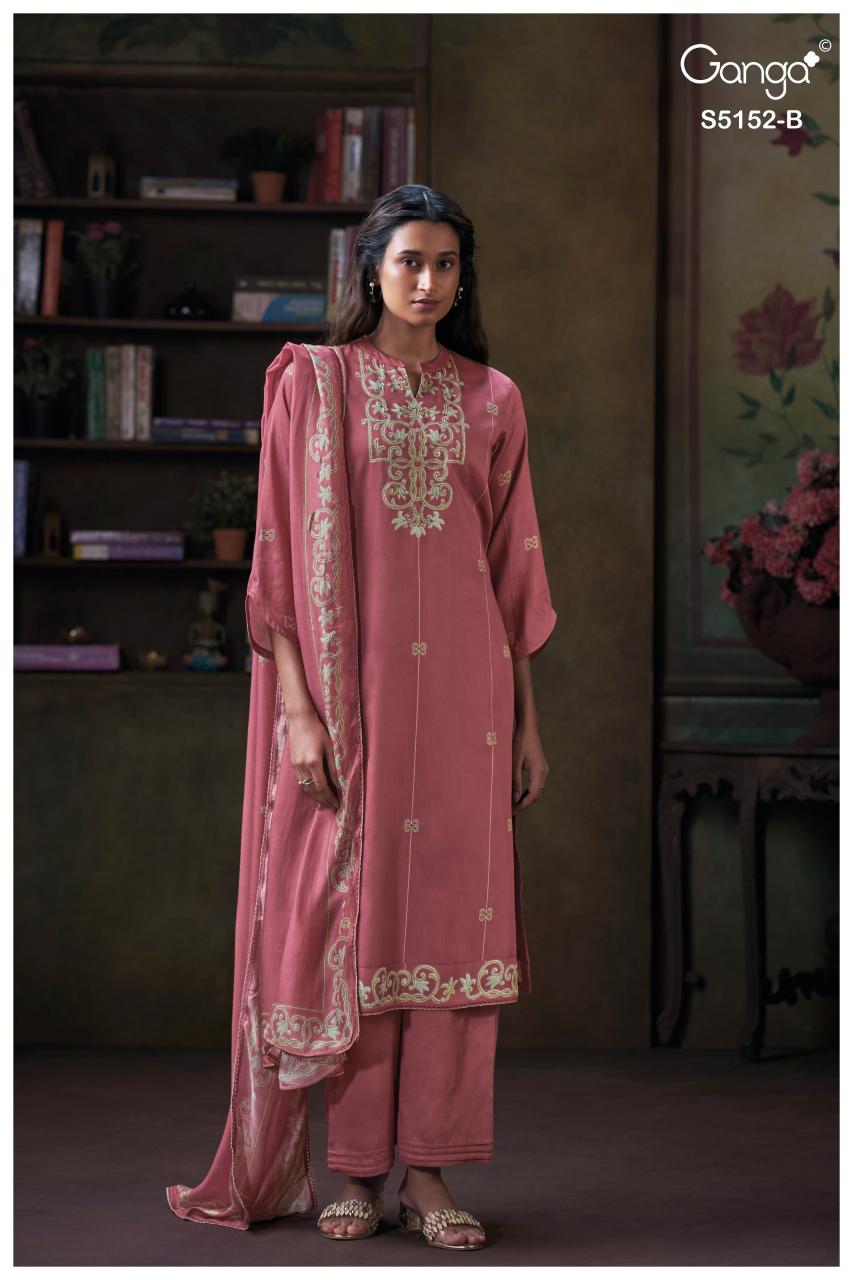
How to Select Cambric Cotton Dress Material for Your Store
Wholesale purchasing becomes more profitable when decisions are based on the retailer's actual customer base. A catalog may look impressive, but not every attractive collection belongs in every store.
Understand Your Customer's Preferred Price Range
Before placing a bulk order, review what customers already purchase. If most sales occur in an affordable or mid-range segment, filling the store with premium products can slow inventory movement. Conversely, a boutique with customers who prioritize exclusivity may need stronger designs and finishing rather than simply lower rates.
The right dress material wholesale price is therefore not automatically the cheapest rate available. It is the buying level that creates an acceptable retail margin while matching what your customers are willing to spend.
Build a Balanced Color Assortment
Ordering only personal favorite colors is a common buying mistake. Retailers should think in terms of customer variety. Soft pastels, earthy shades, deeper festive colors, versatile blues, greens and selected brighter tones can create a more balanced display.
Regional demand also matters. Colors that perform strongly in one city or customer group may move differently elsewhere, so past sales data should guide future purchasing.
Check Fabric and Product Specifications
Before confirming wholesale quantities, buyers should understand what is included in the set, available fabric details, dimensions where applicable, catalog packing and other relevant product information.
This becomes even more important for online orders because assumptions can lead to customer dissatisfaction. Professional wholesale purchasing requires clear product information before the merchandise reaches the retail counter.
Surat as a Sourcing Hub for Dress Material Buyers
Surat's importance to Indian textiles comes from the scale and diversity of its supply network. Businesses associated with fabrics, printing, embroidery, processing, garment production, distribution and manufacturing operate across the city's textile ecosystem.
For buyers searching for cambric cotton dress material wholesale, this concentration can make it easier to explore multiple categories and price segments. The Ring Road textile belt and markets around Sahara Darwaza are widely associated with textile commerce, attracting buyers from different parts of India.
Wholesaleexport.in extends this sourcing approach into the digital environment, allowing retailers to explore wholesale fashion collections without depending exclusively on physical market visits. For buyers located far from Surat, online catalog access can make frequent inventory updates more practical.
Advantages for Outstation Buyers
Traveling to a wholesale market for every stock refill requires time and expense. Digital purchasing can help Shop Owners and Resellers shortlist products remotely and plan orders according to actual inventory requirements.
This does not mean buyers should ignore due diligence. Product specifications, availability, payment terms, applicable MOQ, shipping and other order conditions should still be confirmed before purchase.
Industry Experience Matters in Wholesale Sourcing
Textile sourcing involves more than displaying product photographs. Understanding fabrics, trends, customer segments, manufacturing cycles and wholesale requirements develops through sustained industry exposure.
Vastralife brings wholesale and export experience since 2017, along with textile industry expertise focused on helping business buyers access commercially relevant collections. The emphasis on product selection and premium product quality is especially useful for retailers trying to build repeat business rather than relying only on one-time sales.
Planning Inventory for Different Selling Seasons
Even a versatile fabric category performs better when inventory is planned according to the selling calendar. Retailers should consider weather, festivals, wedding periods, local events and customer purchasing patterns before deciding order depth.
Regular Everyday Inventory
Everyday cotton suits can provide the foundation of a dress-material department. These collections should focus on comfortable designs, wearable colors and accessible pricing that encourages repeat purchasing.
Instead of purchasing excessive quantities of a single pattern, stores can maintain variety and replenish successful designs based on availability.
Festival-Oriented Collections
Festival demand can justify stronger colors, richer dupattas and more decorative design elements. Retailers should begin sourcing sufficiently early so products can be photographed, displayed and promoted before customer demand reaches its peak.
A useful strategy is to combine dependable daily-wear stock with a smaller selection of visually stronger products. This allows the store to serve regular customers while creating excitement around seasonal arrivals.
Wedding and Gifting Demand
Dress materials can also be considered for gifting and family purchasing. Attractive packaging, coordinated combinations and recognizable catalog presentation can help products feel more gift-worthy.
Retailers serving wedding-related customers can offer multiple price levels so buyers purchasing several pieces have more flexibility.
Opportunities for Wholesale Buyers Beyond India
Indian ethnic wear also serves customers living outside India. Markets such as Malaysia, Canada and New Zealand can provide opportunities for ethnic-fashion retailers and Resellers, although demand, sizing expectations, seasonality and product preferences can differ by location.
For an export buyer, the factory or wholesale rate is only one component of commercial planning. Shipping, import requirements, local taxes where applicable and the final landed cost should be considered before establishing the retail price.
Cambric cotton and other cotton-based ethnic collections can be useful for overseas businesses looking for wearable Indian fashion, particularly when the product selection combines recognizable ethnic styling with practical everyday use.
Choose Products for the Destination Market
A successful international assortment should not simply duplicate an Indian store's inventory. Retailers should consider climate, local customer demographics, cultural events and the purchasing habits of the Indian diaspora in their region.
Smaller test orders can help businesses identify which designs perform before increasing inventory commitments.
Wholesaleexport.in can support the discovery of different ethnic-wear categories for domestic and international wholesale requirements, with product selection changing as new catalogs and collections become available.
How Retailers Can Improve Profitability with Cambric Cotton Dress Materials
Profitability in the wholesale clothing business is not determined only by buying at the lowest possible price. Successful retailers usually look at the complete cycle: product selection, purchase cost, presentation, inventory turnover, repeat demand and the final margin earned after expenses. A slightly better product that sells quickly can often be commercially stronger than a cheaper item that remains unsold for months.
For cambric cotton dress material, retailers can create different selling levels within the same category. Entry-level printed suits can attract price-conscious shoppers, while better coordinated sets, premium prints and attractive dupattas can serve customers looking for a more refined appearance. This allows a retailer to serve multiple budgets without moving away from the core category.
Avoid Overbuying One Design
One of the simplest inventory-management principles is to maintain variety while controlling depth. Unless previous sales clearly demonstrate strong demand for a particular design, it may be safer to spread the purchasing budget across multiple patterns and colors.
This approach is particularly useful for Home-Based Sellers and smaller boutiques. Customers viewing products through WhatsApp or social media often respond positively to variety, and a broader assortment provides more content for regular product updates.
Calculate the Real Selling Margin
Retailers should calculate margin using the complete landed cost rather than only the supplier's listed rate. Packaging, transportation, applicable taxes and other business expenses can influence the actual cost of inventory.
Once this figure is clear, the retailer can establish a selling price that remains competitive while protecting profitability. This is especially important when comparing multiple wholesale dress material suppliers, because a lower initial quotation does not automatically produce a better final business result.
Internal Linking: Explore Related Wholesale Categories
Retailers building a broader ethnic-wear assortment can explore wholesale dress materials Surat collections to compare different fabrics, prints and coordinated suit options. Keeping multiple dress-material categories available can help stores serve customers with different budgets and style preferences.
Businesses that also cater to customers looking for Pakistani-inspired silhouettes and detailed suit designs can explore wholesale Pakistani suits as a complementary category. Combining everyday cotton-based merchandise with selected fashion-led collections can create a more complete retail assortment.
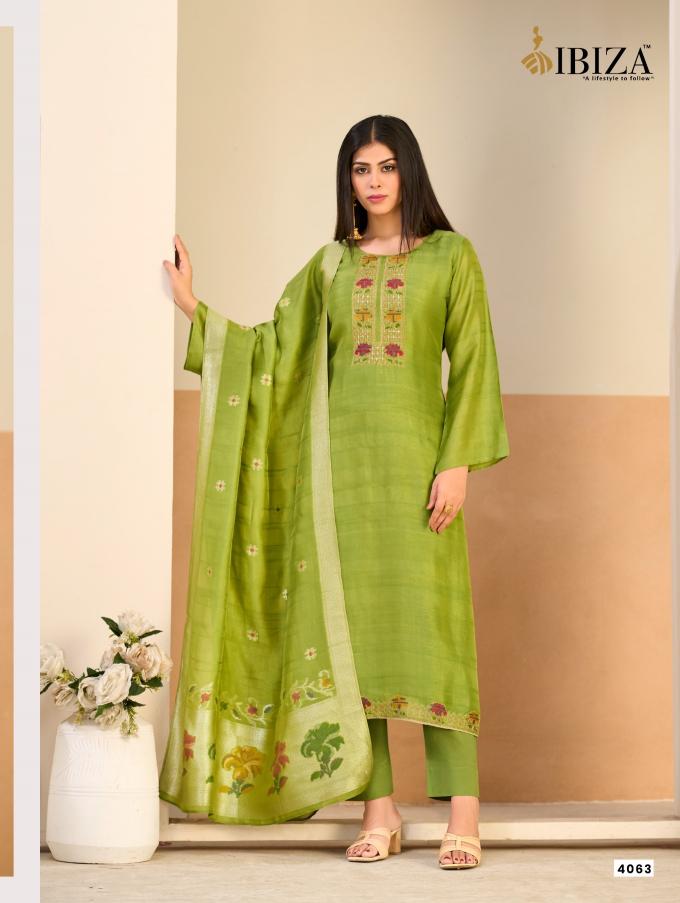
How to Build a Better Dress Material Product Mix
A well-planned store should not depend entirely on one fabric, one price point or one design style. Customers entering the same boutique may have completely different requirements. One may want an economical daily-wear cotton suit, while another may be shopping for office wear, gifting or an upcoming family function.
For this reason, Wholesale Buyers should divide inventory according to customer purpose. Cotton dress material wholesale stock can form the dependable everyday segment, while embroidered suits, Pakistani-style collections, festive designs and premium dress materials can provide higher-value alternatives.
Budget Everyday Range
This segment should focus on wearable colors, practical prints and attractive wholesale pricing. The objective is regular movement rather than exceptionally high margin on each individual piece. Such products can work particularly well for neighborhood stores, Resellers and Home-Based Sellers serving repeat customers.
Mid-Range Boutique Collection
The mid-range segment can include more distinctive prints, coordinated dupattas, improved presentation and designs that feel different from standard mass-market merchandise. Customers in this segment usually expect noticeable value for the additional amount they spend.
Premium Statement Selection
A smaller premium selection can help improve the overall perception of a store. Detailed prints, elegant color combinations, distinctive dupattas and refined finishing can appeal to customers who prioritize design over the lowest available price.
Retailers do not necessarily need large quantities in this segment. A carefully selected premium assortment can create visual interest while limiting the amount of capital locked into higher-value stock.
Online Selling Strategy for Dress Material Resellers
The growth of digital commerce has changed how wholesale products reach end customers. A seller no longer requires a large physical showroom to start building an ethnic-wear business. Instagram, Facebook, WhatsApp and other digital channels can help smaller sellers present collections directly to potential buyers.
Use Clear Product Images
For an online customer, photographs become the substitute for physically examining merchandise. Sellers should use clear catalog images and, when available, close-up visuals showing prints, embroidery, texture and dupatta details.
Product descriptions should also communicate the important information accurately. Avoid making assumptions about fabric composition, measurements or product inclusions when these details have not been confirmed.
Sell the Benefit, Not Only the Product Name
A caption that simply says “new cotton suit available” provides limited buying motivation. A stronger description can explain who the product is suitable for, how it may be styled and why its fabric or design makes it useful.
For example, a seller can position selected cambric cotton dress material as a practical choice for office wear, everyday styling or comfortable seasonal dressing when those descriptions accurately match the product.
Create Regular New-Arrival Content
Online customers can quickly lose interest when they repeatedly see the same merchandise. Regular new-arrival updates create a reason for followers to revisit the seller's profile or WhatsApp catalog.
This is where working with a wholesale platform that regularly adds different catalogs can become useful. Wholesaleexport.in gives business buyers a way to browse changing wholesale collections and identify products suited to their target audience.
What to Check Before Placing a Wholesale Order
A professional purchasing process reduces misunderstandings and makes inventory planning more predictable. Whether you operate a showroom or sell from home, confirm the important commercial details before finalizing an order.
Product Availability
Fashion inventory can change quickly. A catalog visible today may have limited availability later, particularly when a design is receiving strong demand. Buyers planning promotions around specific products should confirm current stock before making commitments to customers.
Minimum Order Quantity
MOQ affects the amount of capital required to test a new product. Lower minimum quantities can be especially useful for new Resellers and boutiques because they allow businesses to experiment with more categories without holding excessive stock.
Wholesale Price and Applicable Charges
Confirm the product rate and understand what additional charges may apply to the order. For an outstation or export customer, shipping and other applicable costs can affect the final landed price considerably.
Shipping and Delivery Expectations
Retailers should plan inventory before existing stock reaches zero. Waiting until a bestseller is completely sold out can create a gap while the next shipment is being processed and transported.
Advance purchasing becomes particularly important before major festive and wedding periods, when both wholesale demand and logistics networks can become busier.
Why Wholesale Experience Matters When Choosing a Supplier
A wholesale relationship can become more valuable over time when the supplier understands the practical needs of retailers. Buyers need more than attractive photographs. They need product variety, clear information, commercially relevant collections and a sourcing system capable of supporting repeat purchasing.
Vastralife's wholesale and export experience since 2017 brings industry understanding developed through working with textile products and business buyers. This experience supports an approach focused on industry expertise, evolving fashion demand and access to premium product quality across relevant categories.
For retailers sourcing through Surat, knowledge of the textile ecosystem is valuable because the market includes a very large number of fabrics, manufacturers, wholesalers and catalogs. Being able to filter this supply into commercially useful collections can save buyers significant sourcing time.
Cambric Cotton Dress Material Trends Retailers Should Watch in 2026
The 2026 market increasingly rewards collections that balance visual appeal with practical wearability. Customers may discover fashion through social media, but their repeat purchasing decisions still depend heavily on comfort, quality, fit after stitching and value.
Wearable Premium Colors
Instead of relying exclusively on extremely bright shades, many retailers can benefit from mixing richer greens, sophisticated blues, mauves, earthy shades, soft pastels and selected jewel tones. A balanced palette helps a store serve customers across age groups.
Statement Dupattas
A visually attractive dupatta can become the selling point of an otherwise simple suit. Retailers should look at the full combination when evaluating a catalog because coordinated or contrasting dupattas can increase perceived value.
Prints That Photograph Well
As more purchasing decisions begin online, visual presentation becomes commercially important. Prints with clear detailing, attractive contrast and well-balanced colors can perform strongly in product photographs and short-form videos.
Comfort-First Ethnic Fashion
Customers increasingly want ethnic clothing that fits naturally into everyday routines. This favors categories such as cotton suits, printed dress materials, comfortable kurtis and other versatile products that do not require a special occasion to wear.
Customer FAQs
1. What is cambric cotton dress material?
Cambric cotton dress material generally refers to unstitched suit material made using a smooth, closely woven cotton-based fabric. Depending on the catalog, a set may include fabric for the kurta, bottom and dupatta. Buyers should check the individual product specifications because composition and set details can vary.
2. Is cambric cotton suitable for daily wear?
Many cambric cotton collections are designed with everyday and semi-casual dressing in mind. Their suitability depends on the specific fabric construction, design and finishing, so retailers should select products according to the intended customer segment.
3. Where can retailers buy wholesale dress materials from Surat?
Surat has a large textile ecosystem around areas including the surat textile market, Ring Road and Sahara Darwaza. Buyers who prefer online sourcing can also browse relevant wholesale categories through Wholesaleexport.in rather than depending only on physical market visits.
4. Can Home-Based Sellers buy dress materials for reselling?
Yes. Dress materials can be a practical category for Home-Based Sellers because they can be promoted through catalog images, WhatsApp, social media and personal customer networks. Sellers should check the current MOQ, availability, shipping terms and product details before ordering.
5. How should I choose a wholesale dress material supplier?
Compare more than the basic wholesale price. Look at product variety, fabric information, design quality, ordering requirements, communication, shipping options and the supplier's understanding of the textile business. Reliable sourcing can help reduce inventory mistakes and support repeat retail sales.
6. Can dress materials be sourced for international resale?
Indian ethnic wear can serve overseas retail markets, including countries with significant South Asian customer communities. International Wholesale Buyers should consider product suitability, shipping, destination requirements and total landed cost before placing an export order.
Strong CTA: Source Your Next Wholesale Collection
If you are a Boutique Owner, Shop Owner, Showroom Owner, Home-Based Seller, Reseller or Wholesale Buyer, building the right inventory starts with access to fresh designs and commercially practical buying options.
Explore Wholesaleexport.in for Latest Collections, Wholesale Pricing, Trendy Ethnic Wear, Fast Shipping, COD Support, Bulk Order Deals and Quality Products Starting From ₹299. Product availability, applicable order conditions and pricing should be checked at the time of purchase.
Contact Number: +91 9712582172
Website: wholesaleexport.in
Whether you are developing an everyday cotton section, refreshing your boutique collection or expanding into online reselling, thoughtful sourcing can help you offer better variety while managing inventory more effectively. Choose designs according to your customers, compare complete product value rather than price alone, and keep refreshing your assortment as market preferences evolve.