


Boutique Pakistani Suits Wholesale: Latest Designs for Boutiques & Resellers in 2026
Boutique Pakistani Suits Wholesale: Latest Designs for Boutiques & Resellers in 2026
Pakistani suits have developed into a strong-selling ethnic wear category for boutiques, online sellers, resellers and fashion stores looking for elegant designs with a premium appearance. From embroidered straight suits and graceful three-piece sets to festive styles with coordinated dupattas, the category gives retailers plenty of options across everyday, occasion and premium segments. For buyers sourcing from Surat, choosing fresh designs at workable wholesale rates can help build an attractive collection without losing focus on resale margins.
Introduction
The demand for boutique Pakistani suits wholesale has expanded beyond traditional ethnic wear stores. Today, boutique owners, Instagram sellers, home-based businesses, multi-brand showrooms and online resellers regularly add Pakistani-inspired suits because customers appreciate their long silhouettes, detailed embroidery, sophisticated colour combinations and complete three-piece styling.
In 2026, buyers are becoming more selective. A catalogue cannot depend only on heavy embroidery or attractive photography. Customers also consider fabric, finishing, colour, dupatta styling, comfort, size availability and overall value. For a retailer, this means buying the right combination of designs rather than simply purchasing the largest possible assortment.
Surat remains an important sourcing destination for Indian ethnic fashion. Buyers visiting the Surat textile market, including commercial areas around Ring Road and Sahara Darwaza, can find a broad ecosystem of textile trading, wholesale supply and manufacturing. Online wholesale sourcing has made access even easier for businesses that cannot visit Surat regularly.
Why Pakistani Suits Work Well for Boutique Collections
One of the biggest advantages of Pakistani-style suits is their ability to look premium without restricting the retailer to only bridal or extremely expensive merchandise. A well-selected range can include simple everyday designs, mid-range embroidered suits and richer festive pieces, allowing a boutique to serve customers with different budgets.
Elegant Styling with Strong Display Appeal
Pakistani suits commonly feature straight or slightly relaxed silhouettes, detailed neck patterns, coordinated bottoms and visually attractive dupattas. These elements create strong display value in a physical boutique and also photograph well for WhatsApp, Instagram, Facebook and online product listings.
For a home-based seller, attractive catalogue images can make product sharing easier. For a showroom owner, coordinated three-piece sets help create complete displays instead of requiring customers to match separate garments. This makes Pakistani suit wholesale sourcing relevant to both offline and digital sellers.
Suitable for Everyday, Festive and Occasion Sales
Retailers should avoid treating Pakistani fashion as a single occasion category. Cotton and lightweight fabric combinations can work for regular use, while embroidered fabrics, jacquard textures, organza details and premium dupattas can serve festive and occasion buyers.
A balanced inventory may therefore contain office-friendly suits, boutique-style embroidered sets, festive salwar suits, wedding guest outfits, party wear suits and premium designer-inspired collections. This broader assortment can help a retailer generate sales throughout the year rather than depending entirely on one festival.
What Boutique Owners Should Check Before Buying Wholesale
Buying at a low price is useful only when the product also fits the expectations of the retailer's target customer. Before placing a bulk order, buyers should evaluate fabric, stitching, embroidery finishing, colour combinations, size range and the overall appearance of the complete set.
Fabric and Product Quality
The same design can perform very differently depending on fabric quality. Boutique customers generally notice how a garment feels, falls and looks after wearing it. Wholesale buyers should therefore compare material specifications rather than making decisions only from catalogue photographs.
Popular categories can include cotton suits, rayon suits, muslin suits, viscose combinations, silk-blend suits, georgette suits, organza dupatta sets and embroidered festive suits. The ideal fabric depends on season, selling region and target retail price.
Embroidery and Finishing
For premium product quality, embroidery should complement the garment rather than simply make it look heavier. Neck embroidery, border work, sleeve detailing, subtle thread work and coordinated dupatta designs can create a refined boutique appearance.
Retailers should also pay attention to stitching lines, neckline finishing, sleeve finishing, bottom construction and the consistency of pieces supplied in a catalogue. Reliable finishing is particularly important for repeat customers because product quality directly affects the seller's reputation.
Colour Selection for Faster Rotation
A wholesale order should usually contain a practical colour mix. Neutral shades, black, maroon, wine, green, blue and pastel tones can be combined with brighter seasonal colours. Instead of buying excessive quantity in one colour family, smaller retailers can spread their investment across several proven shades and designs.
This approach is particularly useful for home-based sellers and boutiques with limited inventory budgets. More variety gives customers additional choices while reducing the amount of capital tied up in a single style.
Best Pakistani Suit Categories to Stock in 2026
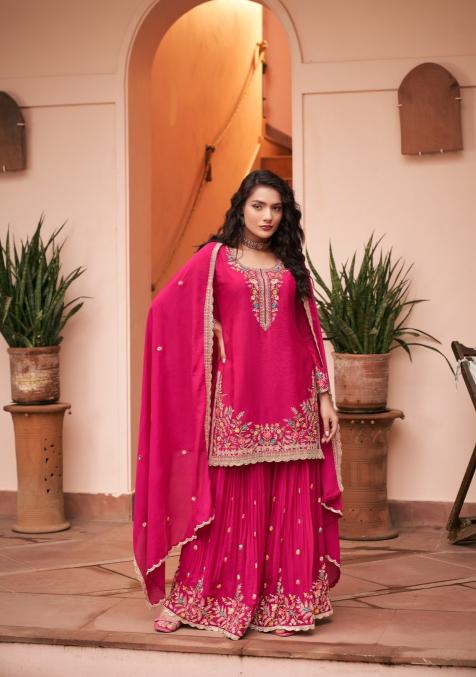
The right merchandise mix depends on the retailer's customer base, but several categories can be considered when building a boutique Pakistani suits wholesale order for 2026. The objective should be to combine regular-selling products with enough newness to keep the store interesting.
Three-Piece Pakistani Suit Sets
Three-piece combinations consisting of kurta, bottom and dupatta remain practical for retailers because customers receive a coordinated outfit. They are suitable for boutiques, resellers and online stores that want to sell a complete look instead of separate garments.
These sets can cover multiple retail levels depending on fabric and work. Simpler versions can suit regular customers, while richer embroidery and premium dupattas can be positioned for celebrations and gifting.
Embroidered Pakistani Suits
Embroidered Pakistani suits wholesale collections are particularly useful during festive and wedding-driven buying periods. Retailers can select designs with embroidery concentrated around the neckline and borders for an elegant appearance, alongside a smaller number of heavier statement designs.
Balanced detailing can also make the garments easier to sell beyond major festivals. Customers may wear them for family functions, dinners, religious occasions, small celebrations and social events.
Pakistani Suits with Statement Dupattas
A distinctive dupatta can significantly change the visual value of a suit. Printed, embroidered, bordered and lightweight organza-style dupattas can transform comparatively simple kurtas into complete boutique outfits.
For online sellers, this is useful because the full set produces visually rich catalogue content. Showing both the kurta details and full dupatta can improve how customers understand the overall look before purchasing.
How to Build a Profitable Wholesale Order
Successful wholesale buying is not simply about purchasing the cheapest catalogue. Retailers need to consider landed cost, expected selling price, customer demand, stock rotation and how quickly capital can return to the business.
Start with a Mixed Collection
A new reseller can begin with a mixed range rather than concentrating heavily on one design. For example, the first order may include daily-wear pieces, boutique embroidered suits, a few premium festive designs and selected trending colours.
Once actual customer responses are available, the next order can focus more heavily on the styles generating enquiries and repeat sales. This demand-led approach is especially useful when purchasing wholesale ethnic wear online.
Calculate Margin from the Complete Cost
Wholesale price is only one part of inventory costing. Sellers should calculate product cost along with applicable taxes, transport, packaging, payment costs and any local delivery expenses. Export buyers should additionally account for freight and destination-related charges applicable to their shipment.
A product with a slightly higher purchase price may sometimes provide better value if its quality, presentation and sell-through potential are stronger. The objective is profitable stock rotation, not simply the lowest invoice amount.
Keep New Arrivals Moving Through Your Store
Fashion customers respond strongly to freshness. Boutiques can introduce new catalogues in smaller but more frequent drops rather than displaying the same inventory for long periods. Regular new arrivals also provide fresh content for social media, WhatsApp broadcasts and customer follow-ups.
Wholesaleexport.in can be used by buyers looking for new ethnic wear collections and wholesale sourcing options from Surat. Vastralife brings wholesale and export experience since 2017, supporting buyers with industry knowledge developed through years of working in the textile trade.
Surat as a Sourcing Hub for Pakistani-Style Ethnic Wear
Surat's textile ecosystem connects fabric supply, processing, trading, garment manufacturing, wholesale distribution and logistics. This makes the city particularly useful for retailers who want access to multiple ethnic wear categories from a single sourcing region.
The commercial textile areas around Ring Road and Sahara Darwaza are widely associated with Surat's textile trade. For buyers who cannot travel to the city, online wholesale platforms provide a practical route to explore catalogues remotely and place orders according to business requirements.
For boutiques, the advantage is broader than Pakistani suits alone. The same buying cycle can potentially cover kurtis, salwar kameez, dress materials, festive ethnic sets, sarees and other women's fashion categories. This helps multi-category stores consolidate sourcing and plan their seasonal inventory more efficiently.
For international buyers, an experienced wholesale clothing supplier India operation also needs to understand packing, documentation and export-oriented requirements rather than treating an overseas shipment like a domestic parcel.
Growing Opportunities for International Boutique Buyers
Indian ethnic wear has customers far beyond India. Boutique businesses serving South Asian communities overseas can use Pakistani-inspired suits as part of a broader ethnic collection for festivals, weddings, community functions and everyday traditional dressing.
Nepal
Nepal offers opportunities for wholesalers, boutiques and resellers dealing in Indian ethnic fashion. Buyers planning stock for Nepal should order with realistic transport lead times in mind, particularly before Dashain, Tihar and wedding-demand periods. Early planning gives retailers more time to receive, display and market their merchandise before peak shopping begins.
USA
Boutiques serving South Asian customers in the USA may stock Pakistani suits alongside Indian kurtis, sarees, lehengas and occasion wear. Because overseas freight increases landed cost, buyers should pay close attention to product selection and avoid filling shipments with slow-moving designs simply to increase quantity.
Australia
Retailers and online sellers in Australia can similarly build collections around wedding events, Eid, Diwali and community celebrations. A combination of wearable mid-range styles and selected premium designs can provide customers with different purchase options.
Wholesaleexport.in can support sourcing enquiries from domestic and international wholesale buyers, while actual shipping cost, delivery timeline and export requirements should always be confirmed for the specific destination and order.
Retailers exploring related ranges can browse wholesale Pakistani suits for category-focused sourcing. Businesses expanding beyond women's collections may also review kids wear wholesale options when planning a broader store assortment.
How Boutique Owners Can Choose the Right Price Range
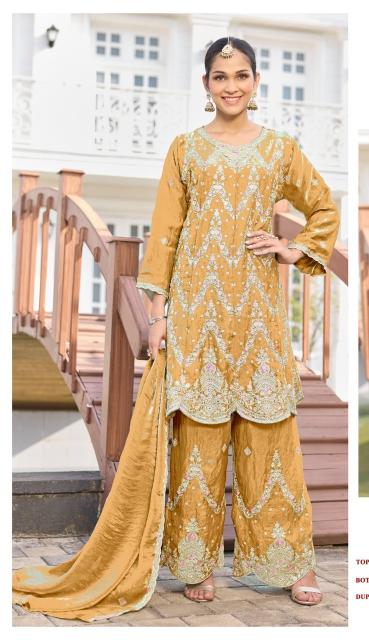
A strong boutique does not necessarily compete by offering the lowest price. It competes by matching the right product to the right customer. When sourcing boutique Pakistani suits wholesale, retailers should therefore divide their inventory into practical price segments rather than buying everything from one range.
An entry-level range can attract home-based buyers, students, regular-wear customers and price-conscious shoppers. The middle segment can include better fabrics, attractive dupattas and detailed embroidery, while premium products can focus on occasion wear, wedding functions and customers who value distinctive styling.
Keep Affordable Options for Regular Sales
Affordable ethnic wear helps generate regular movement in a store. These products should still have acceptable fabric quality, neat finishing and commercially appealing colours. An attractive wholesale price gives resellers enough room to add their operating expenses and desired margin while keeping the final retail rate competitive.
Retailers can also use affordable designs to bring new customers into their WhatsApp groups, physical stores or social-media pages. Once customers trust the quality, they may become comfortable purchasing higher-value collections later.
Use Mid-Range Suits as the Core Collection
For many boutiques, the middle price segment can become the most versatile part of the inventory. Customers generally expect noticeable detailing without paying the price associated with extremely heavy occasion wear. Embroidered necklines, attractive sleeves, printed or embroidered dupattas and coordinated bottoms can provide this balance.
A shop owner can keep more variety in this segment while limiting quantity per design. This creates the feeling of an exclusive boutique collection and reduces the risk of holding too much stock in a single catalogue.
Add Premium Pieces Selectively
Premium Pakistani-style suits can strengthen the overall appearance of a showroom even when they represent a smaller share of sales. These products are suitable for weddings, festive functions, family celebrations and gifting.
Rather than buying premium products only because they appear luxurious in photographs, check whether the workmanship, fabric and finishing justify the selling price expected in your market. Premium stock should look and feel premium when the customer handles the garment.
Inventory Planning for Boutiques and Resellers
Inventory planning becomes particularly important when new catalogues arrive frequently. Retailers need enough newness to keep customers interested without turning working capital into unsold merchandise.
Buy Depth Only After Demand Is Proven
When testing a new design, buying a manageable quantity can provide valuable information. Track enquiries, customer reactions, colour preferences, size requests and actual conversions. Designs that move quickly can be considered for restocking if availability remains.
This method is useful for online clothing resellers because social-media engagement alone does not always indicate genuine buying demand. Actual orders provide a much stronger signal for future purchasing.
Plan Inventory Around the Selling Calendar
Wedding season, Eid, Diwali and regional festivals can influence demand for embroidered and occasion-focused ethnic wear. Retailers should source early enough to receive the stock, photograph or display it, promote it and still leave customers sufficient time to purchase before their events.
International buyers need an even longer planning window because export shipments involve transportation and destination-specific processes. Buyers in Nepal, the USA and Australia should therefore calculate backwards from their intended selling period rather than ordering when customer demand has already peaked.
Do Not Ignore Size Mix
A visually attractive catalogue can still become difficult to sell if its size range does not match actual customers. Retailers should study which sizes sell most frequently and look for inclusive sizing where appropriate. Plus-size demand can also create an additional opportunity for boutiques that currently offer limited options beyond standard sizes.
How Online Sellers Can Sell Pakistani Suits Faster
Online selling requires more than forwarding a supplier catalogue. Customers need enough information to feel confident about the product, particularly when they cannot physically touch the fabric.
Write Clear Product Descriptions
Each listing should clearly mention fabric, available sizes, colour, set components and important design details. Avoid vague descriptions such as “premium quality” without explaining what the customer actually receives.
Natural search phrases such as Pakistani suit online wholesale, embroidered salwar suits, wholesale ethnic wear, three-piece suits, boutique suits and designer Pakistani suits can be incorporated where genuinely relevant. Clear information helps both customers and search systems understand the product.
Show the Complete Outfit
Customers should be able to see the kurta, bottom and dupatta together. Additional close-up images of embroidery, neckline work and fabric texture can make the listing more useful. For video selling, a short clip showing the garment's fall and dupatta can communicate details that a static photograph may miss.
Create Urgency Without Making False Claims
Wholesale fashion changes quickly, and popular catalogues can sell out. Retailers can tell customers when a product is a new arrival or when stock is genuinely limited, but artificial countdowns and unsupported scarcity claims can damage trust.
For long-term reselling, repeat customers are more valuable than a one-time sale created through exaggerated promotion. Accurate descriptions, realistic delivery commitments and consistent product quality support stronger customer relationships.
Why Consistent Wholesale Sourcing Matters
Retailers often focus heavily on finding one successful product, but sustainable fashion businesses require a dependable flow of new merchandise. Customers who buy ethnic wear regularly expect fresh colours, patterns, fabrics and seasonal options.
Working with an experienced wholesale source can simplify catalogue discovery, product selection and repeat ordering. Vastralife's wholesale and export experience since 2017 brings practical industry exposure to sourcing for boutiques, shop owners, resellers and wholesale buyers.
Wholesaleexport.in provides access to changing ethnic wear collections for buyers looking to source from the Surat textile ecosystem. New products should still be evaluated individually for fabric, specifications, availability and suitability for the retailer's market before a bulk purchase is confirmed.
Internal Linking Section: Explore Related Wholesale Categories
A boutique does not need to depend on one product category throughout the year. Pakistani suits can form a core part of the assortment while complementary categories help the retailer respond to different occasions and customer groups.
For example, a women's ethnic wear seller may combine straight suits, embroidered salwar kameez, kurti sets, dress materials, festive suits, sarees and lehengas. Stores serving families may additionally add selected kids' ethnic wear. The objective is not to stock every possible category, but to create a merchandise mix that suits the store's customers and working-capital capacity.
Buyers sourcing through Wholesaleexport.in can regularly check new arrivals and compare styles before planning their next wholesale order. Businesses visiting Surat physically can also explore the textile trading areas around Ring Road and Sahara Darwaza to understand current designs and sourcing patterns.
Customer FAQs
1. Where can boutiques buy Pakistani suits wholesale from Surat?
Boutiques can source through Surat-based wholesalers and online wholesale platforms such as Wholesaleexport.in. Before ordering, buyers should check current catalogue availability, fabric details, sizes, wholesale price, minimum quantity and dispatch terms.
2. Are Pakistani suits suitable for home-based resellers?
Yes. Three-piece Pakistani-style suits can work well for home-based sellers because they offer a complete coordinated outfit and can be promoted through WhatsApp, Instagram and other digital channels. Starting with selected designs rather than excessive stock can help a new reseller understand customer demand before increasing inventory.
3. Which Pakistani suits are better for boutique customers?
The right choice depends on the boutique's customer profile. Straight-cut embroidered suits, elegant three-piece sets, statement dupatta styles and festive designs are useful categories to test. A combination of regular, mid-range and premium merchandise generally provides more selling flexibility than keeping only heavy designs.
4. Can Pakistani suits be ordered for export?
Wholesale and export enquiries can be made for international markets. Buyers in destinations such as Nepal, the USA and Australia should confirm current shipping arrangements, applicable documentation, costs and expected delivery timelines before finalising their orders.
5. How should retailers decide the quantity for their first wholesale order?
The quantity should reflect the retailer's customer base, budget, available sizes and expected stock rotation. New businesses can start with a broader variety and controlled quantity, monitor actual sales and then increase purchasing in designs that demonstrate repeat demand.
6. Is Surat suitable for sourcing other women's ethnic wear along with Pakistani suits?
Yes. Surat has a broad textile and garment ecosystem covering categories such as kurtis, salwar kameez, sarees, dress materials, lehengas and other ethnic fashion. This makes it practical for multi-category wholesale buyers who want to consolidate sourcing.
7. What should I check before confirming a wholesale catalogue?
Check fabric, sizes, set contents, colour options, embroidery or print details, wholesale rate, minimum order requirements, stock availability and shipping terms. International buyers should additionally confirm export-related requirements and expected landed costs.
8. How frequently should a boutique add new collections?
The ideal frequency depends on sales volume, but smaller and more regular additions can keep a boutique looking fresh without creating unnecessary inventory pressure. Fast-moving designs can then be reordered when stock remains available.
Build Your Next Boutique Collection with Wholesaleexport.in
If you are a boutique owner, shop owner, showroom operator, home-based seller, reseller or wholesale buyer looking for fresh ethnic fashion, Wholesaleexport.in can help you explore new collections sourced from India's textile market.
Discover Latest Collections, competitive Wholesale Pricing, Trendy Ethnic Wear, Fast Shipping, available COD Support, Bulk Order Deals and Quality Products Starting From ₹299. Product prices, availability, MOQ, COD eligibility and shipping conditions can vary by order, so confirm the current details when placing your purchase.
With Vastralife's wholesale and export experience since 2017, the focus remains on industry expertise, product selection and premium product quality for businesses purchasing ethnic fashion for resale.
Contact: +91 9712582172
Website: wholesaleexport.in
Explore your next boutique Pakistani suits wholesale collection, compare current designs and build an assortment suited to your customers, selling season and target price range.