



Boutique Owner Buying Checklist 2026: Smart Wholesale Stock Buying Guide
Boutique Owner Buying Checklist 2026: Smart Wholesale Stock Buying Guide
Buying the right stock can decide how quickly a boutique converts its investment into sales. Attractive designs matter, but profitable buying also depends on fabric quality, customer demand, size selection, purchase cost, supplier reliability, stock rotation and realistic margins. For boutique owners, resellers and home-based sellers preparing their 2026 inventory, a structured buying process can make every wholesale order more purposeful.
Introduction
A successful boutique does not need to carry every design available in the wholesale market. It needs the right combination of products for its actual customers. This is why a practical boutique owner buying checklist should begin before the first catalogue is selected or the first payment is made.
In 2026, buyers have access to an enormous selection of kurtis, kurti sets, co-ord sets, kids wear, sarees, dress materials, ethnic suits, festive collections and designer pieces. Online wholesale buying has also made sourcing possible without physically visiting every supplier. The advantage is choice; the challenge is deciding which products deserve your working capital.
For a boutique owner in India, Nepal, Singapore or another active ethnic-wear market, stock should ideally match local customer preferences rather than simply following what appears attractive in a supplier catalogue. A design that performs strongly for one retailer may move slowly for another because customer age, budget, climate, occasion and regional fashion preferences are different.
Wholesaleexport.in provides buyers access to different wholesale fashion categories for stock planning. Behind this wholesale ecosystem is Vastralife's wholesale and export experience since 2017, bringing practical textile industry knowledge to buyers who need variety, dependable sourcing and premium product quality.
Start Your Boutique Buying Checklist With a Clear Customer Profile
Before checking the latest wholesale catalogue, define who normally buys from your boutique. This sounds basic, but it is one of the most important purchasing decisions. Buying without a clear customer profile can result in beautiful inventory that remains on the rack for months.
Identify Your Main Customer Price Range
Separate your customers into practical spending bands. For example, some stores may have strong demand for affordable daily wear, while another boutique may sell more premium festive and occasion wear. Instead of selecting stock entirely on personal taste, compare each wholesale price with what your customers are comfortable paying.
A home-based seller may prefer lower-investment pieces with quick rotation. A premium boutique may intentionally buy fewer designs at a higher cost because its customers expect exclusivity. Showroom owners can usually maintain a wider mix across multiple price levels.
Understand What Your Customers Actually Wear
Look at your previous sales and identify patterns. Are straight kurtis moving faster than A-line styles? Do customers ask for three-piece sets? Are printed cotton products stronger than heavily embellished designs? Is your customer asking for office wear, casual wear, festive wear, wedding outfits or kids fashion?
Your answers should influence the next purchase. The strongest boutique stock buying strategy is based on demand signals from real customers rather than assumptions.
Set a Wholesale Buying Budget Before Selecting Designs
A common buying mistake is opening multiple catalogues first and calculating the investment later. Reverse that process. Set your purchasing budget first and divide it across product categories.
For example, rather than spending most of the budget on one visually impressive collection, a new boutique can distribute investment between regular-selling merchandise, trending fashion, premium pieces and experimental designs. This gives the store more opportunities to understand customer response without concentrating too much capital in a single category.
Keep Working Capital Separate
Your stock budget should not consume all available business cash. Packaging, marketing, shipping, staff, rent, advertising and customer service still require working capital. International buyers may also need to consider freight, import procedures and other destination-related costs.
For this reason, the boutique owner buying checklist should include total landed cost rather than only the supplier's quoted product rate.
Calculate Selling Margin Before Ordering
Consider the purchase price, applicable taxes, shipping, packaging, payment costs and other operating expenses. Then compare the estimated landed cost with the realistic selling price in your market.
A product with a low wholesale price is not automatically the most profitable choice. A slightly higher-priced item with better finishing, presentation and customer appeal can sometimes produce stronger margins and faster stock movement.
Check Fabric, Stitching and Finishing Before Bulk Buying
Product quality directly affects repeat customers. Buyers should therefore evaluate more than catalogue photography. Fabric feel, stitching consistency, finishing, colour combination, embroidery placement, print quality and overall presentation all influence how customers perceive value.
Fabric Should Match the Product Purpose
Daily-wear merchandise generally needs comfort and easy maintenance, whereas occasion collections can justify richer fabrics and decorative work. For summer inventory, lightweight materials may perform better in many Indian regions. Festive and wedding seasons create demand for more detailed products.
When buying kids wear, comfort becomes especially important. Softness, practical fits and wearable styling can be just as significant as visual appeal. The same principle applies to women's daily wear: a design should look attractive while remaining suitable for its intended use.
Look Closely at Product Details
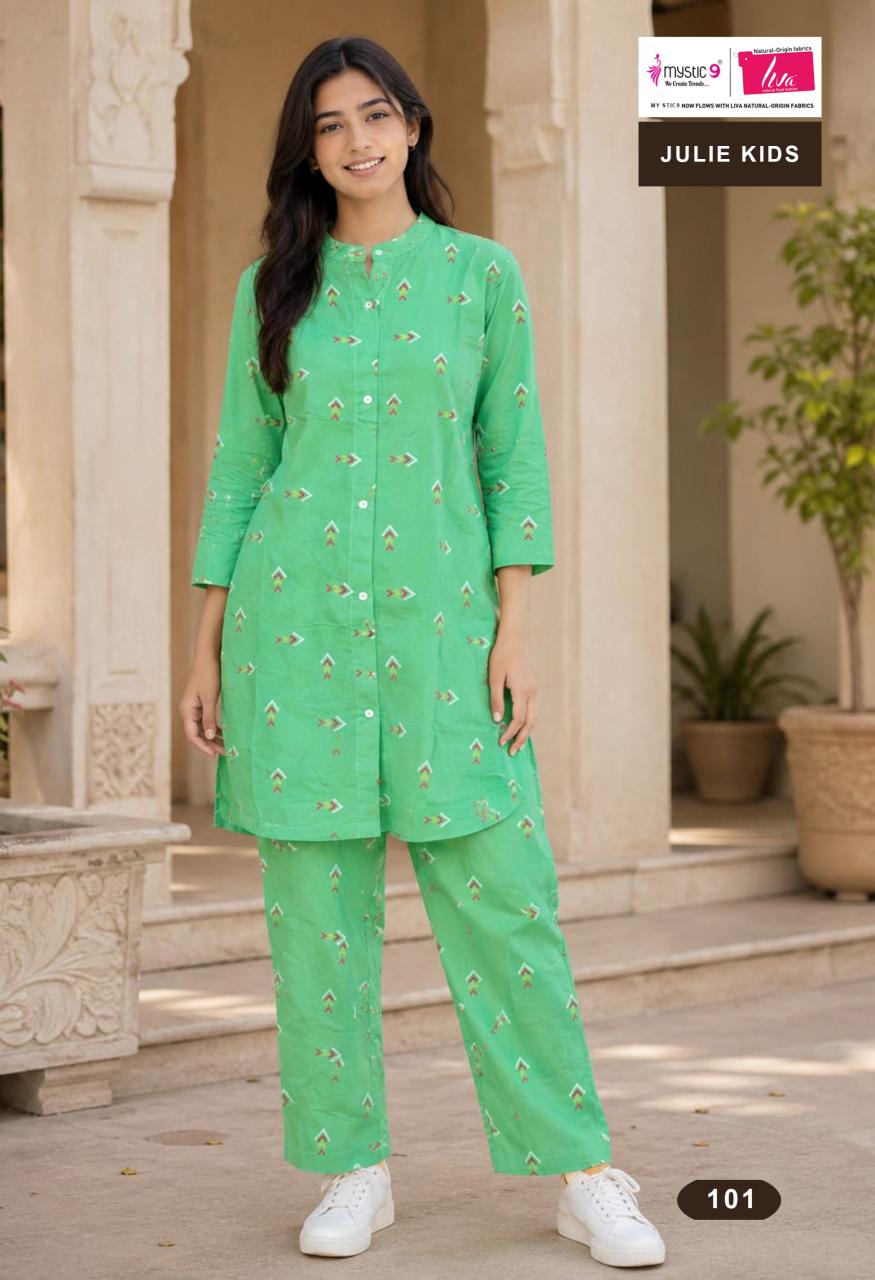
For stitched garments, check neck finishing, sleeve construction, seams, hems and decorative work. For sets, confirm exactly which pieces are included. For embroidered merchandise, examine the density and placement of work. For printed products, evaluate pattern clarity and overall colour balance.
Premium quality does not necessarily mean buying only expensive merchandise. It means selecting products where the quality is appropriate for the selling price and customer expectation.
Build a Balanced Product Mix Instead of Buying One Category
Fashion inventory performs better when customers have meaningful choice without the store becoming overloaded. For many boutiques, a combination of everyday sellers and eye-catching fashion pieces can create a healthier assortment.
Your 2026 inventory may include wholesale kurtis, kurti sets, co-ord sets, kids wear, sarees, dress materials, festive outfits and selected premium collections according to your customer base. The exact allocation should come from sales performance rather than a fixed industry formula.
Keep Core Sellers in the Collection
Core sellers are products customers can purchase throughout the year. Depending on your market, these might include cotton kurtis, rayon kurtis, printed kurtis, casual sets, daily-wear sarees or comfortable kids wear.
These products can help maintain regular sales between major festive seasons. If your previous sales data shows that certain fabrics, colours or price ranges repeatedly sell, consider maintaining reasonable continuity in those categories.
Add Trend-Led Products Carefully
Trends create excitement but can also create dead inventory when purchased too aggressively. Start with manageable quantities, measure response and reorder where possible. This is particularly useful for new silhouettes, unusual colours, premium embroidery and fashion-forward co-ord sets.
Wholesaleexport.in can be used by boutique owners and resellers to explore different categories rather than depending on a single product style. This allows buyers to create a more varied selection while keeping purchasing decisions aligned with their target customer.
Check MOQ and Quantity Before Confirming a Wholesale Order
MOQ, or minimum order quantity, matters especially for startups and smaller boutiques. A low unit price can appear attractive, but buying too many pieces of the same design can increase inventory risk.
Before confirming an order, check whether the collection is supplied as individual pieces, a complete catalogue, a size set or another predefined assortment. Also confirm whether colours and sizes can be selected.
Do Not Judge a Deal Only by Per-Piece Price
Suppose one supplier offers a lower per-piece rate but requires a large quantity, while another gives more flexibility at a slightly higher rate. The second option may be more practical for a small boutique because less money becomes locked in untested inventory.
Wholesale buyers should compare MOQ, price, product quality and expected stock rotation together. This provides a more realistic view of purchasing value.
Plan Sizes According to Your Real Sales Data
Size planning is an important part of inventory management. Ordering equal quantities in every size may not reflect actual demand. Review previous invoices or sales records to identify which sizes sell fastest.
For a new boutique without historical data, begin with a balanced assortment and start tracking every sale by size. Within a few buying cycles, the data can provide a much stronger basis for future ordering.
This becomes especially important when buying women's ethnic wear wholesale, kurti sets, co-ord sets and kids wear because unavailable popular sizes can cost sales even when the design itself is successful.
Use Surat Sourcing Advantages for Fashion Inventory
Surat remains closely associated with India's textile trade, and buyers searching for wholesale fashion regularly encounter suppliers and manufacturers connected with the city's textile ecosystem. Areas around the surat textile market, ring road and sahara darwaza are familiar sourcing references for traders dealing in ethnic and fashion products.
The larger ecosystem includes fabric trading, garment production, printing, embroidery, finishing, packing, wholesale distribution and manufacturing. For boutique buyers, access to a broad supplier base can mean more product categories and more frequent catalogue choices.
However, location alone should never determine a purchase. A boutique owner should still check product suitability, quality, supplier communication, dispatch conditions and total purchase cost before ordering.
Choose a Supplier That Supports Repeat Buying
A boutique relationship becomes more valuable when sourcing can continue beyond one successful order. Fashion retail needs fresh inventory, so supplier consistency matters.
Your boutique supplier checklist should consider catalogue frequency, product range, communication, order processing, packaging, dispatch support and the ability to source products suitable for different budgets.
For buyers working through Wholesaleexport.in, Vastralife's industry experience in wholesale and export since 2017 adds established textile sourcing knowledge to the buying process. This can be particularly useful for Home-Based Sellers, Shop Owners, Boutique Owners, Showroom Owners, Resellers and Wholesale Buyers looking for continuing access to changing collections.
Ask the Right Questions Before Payment
Confirm the product code, available sizes, colours, quantity, wholesale rate, fabric information, expected dispatch process and applicable shipping terms. If the catalogue includes several pieces, confirm whether the displayed rate applies per piece or to a complete set.
Clear communication before purchase reduces misunderstandings after dispatch and should remain an essential part of every boutique owner buying checklist.
Think About Your Sales Channel While Buying
A physical boutique, Instagram seller, WhatsApp reseller and online store can require different inventory strategies. Physical stores benefit from merchandise that creates an immediate visual impact on racks and displays. Online sellers need products that photograph well and can be explained clearly through catalogue images and product descriptions.
Home-Based Sellers may prefer smaller inventory cycles because storage space and capital are usually more limited. Showroom Owners can build deeper collections, while resellers may focus more strongly on catalogue variety and supplier availability.
The best wholesale buying decision therefore depends not only on the product but also on how and where you intend to sell it.
Plan for Seasonal Demand Before It Arrives
Do not wait until the peak selling week to begin festive or wedding buying. Stock planning should account for sourcing, dispatch, merchandising, photography, promotion and customer discovery time.
For 2026, maintain a buying calendar covering regular demand, wedding periods, regional festivals and seasonal changes relevant to your market. International buyers in Nepal, Australia and Singapore should additionally consider local selling seasons and shipping lead times when planning export orders.
A strong purchasing calendar helps prevent two common problems: receiving stock too late or buying seasonal merchandise so early that working capital remains blocked unnecessarily.
Another useful buying rule is to maintain enough flexibility for reorders. If a particular style begins selling quickly, the ability to replenish it can be more valuable than purchasing excessive quantities at the beginning. Boutique owners should therefore discuss stock availability and reorder possibilities with their supplier wherever applicable.
Compare Wholesale Price With Actual Retail Potential
Price comparison should go beyond finding the cheapest catalogue. The objective is to identify products that offer a sensible balance between purchase cost, perceived customer value and achievable retail margin. A design purchased cheaply but difficult to sell is rarely a better investment than a slightly higher-priced product that rotates quickly.
When reviewing wholesale clothing prices, calculate your expected landed cost. This can include the product rate, applicable taxes, transportation, packaging and other order-related expenses. International buyers should separately evaluate freight and destination-specific charges before deciding the final selling price.
Calculate a Realistic Retail Price
Your final retail price should suit your market. Compare similar products already selling in your area or through competing online stores. Customers generally evaluate the complete proposition: fabric, design, stitching, brand presentation, uniqueness and price.
For example, a boutique selling premium embroidered sets should not necessarily compete directly with mass-market daily wear. Likewise, a home-based seller targeting value-conscious customers should avoid filling inventory with merchandise that exceeds the normal purchasing range of the audience.
The objective is to create a price ladder. Keep entry-level products that attract buyers, dependable mid-range products that generate regular sales and selected premium merchandise that can deliver stronger value per transaction.
Include Unsold Inventory Risk in Buying Decisions
Retail margins look attractive only when products actually sell. Buying 50 pieces because the rate is lower can be less profitable than buying 15 pieces at a slightly higher rate if most of the larger purchase remains unsold.
This is especially relevant for trend-led fashion, unusual colours and heavily occasion-specific products. When testing something new, smaller quantities can provide valuable customer feedback before the boutique commits more capital.
Use Online Wholesale Buying to Expand Your Product Choice
Digital sourcing has changed how boutique owners purchase stock. Buyers no longer need to travel for every catalogue selection. Online wholesale platforms can provide access to multiple categories, catalogue images and new arrivals from a single location.
For boutique owners exploring children's fashion alongside women's ethnic wear, kids wear wholesale collections can help expand the product mix without changing the overall sourcing workflow. The important point is to add a category because it suits your customers, not simply because it is available.
Similarly, boutiques building a stronger ethnic-wear assortment can explore fancy sarees wholesale options according to their regional and festive demand. These are the two relevant internal category paths that can support broader inventory planning.
Review Product Information Carefully Before Ordering Online
Catalogue photographs are useful for initial selection, but buyers should also review available product specifications. Check fabric, included pieces, size information, work details and other relevant descriptions.
Save product codes when shortlisting designs. This makes communication easier and reduces confusion when several visually similar catalogues are being considered.
Evaluate Kids Wear as an Additional Boutique Category
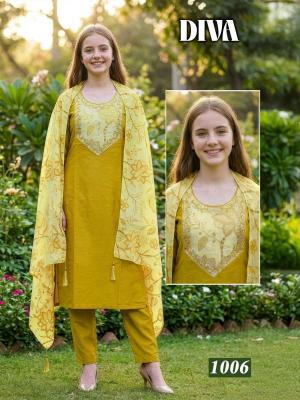
Kids fashion can create an additional sales opportunity for boutiques whose existing customers are parents and families. Instead of creating an entirely separate customer base, the boutique may be able to sell another category to customers who already trust the store.
However, children's clothing requires its own buying checklist. Comfort, sizing, fabric suitability, practical construction and age-appropriate styling should be considered alongside appearance.
Choose a Practical Kids Wear Assortment
Do not begin with too many sizes, styles and price points simultaneously. Start with a focused assortment that reflects your customer profile. Track which age groups, sizes and styles generate enquiries and actual purchases.
Co-ord sets, casual outfits, festive sets and occasion wear can appeal to different customers, but their demand will vary by location and season. A boutique should therefore build this category from actual sales data.
Wholesaleexport.in offers access to fashion categories that can help retailers explore merchandise beyond a single segment. For a boutique, the advantage of broader sourcing is the ability to test complementary categories while maintaining a controlled buying strategy.
Check Supplier Reliability Before Increasing Order Value
A supplier relationship should become stronger through experience. New buyers can begin with manageable orders, evaluate the overall process and increase purchase value as confidence develops.
Assess whether the products received reasonably correspond with the specifications supplied at the time of ordering. Observe packaging, dispatch communication and responsiveness when you have genuine questions.
Consistency Matters More Than a One-Time Deal
A boutique needs new stock repeatedly. Therefore, a dependable wholesale relationship can be more valuable than saving a small amount on one transaction.
Vastralife's wholesale and export experience since 2017 provides industry exposure across textile sourcing and wholesale fashion. For buyers using Wholesaleexport.in, this experience supports a business model focused on serving retailers, resellers and wholesale buyers with changing fashion requirements.
Premium product quality should also be viewed as a continuing business requirement. Customers who receive good value are more likely to return, recommend the boutique and trust future collections.
Keep an Inventory Buying Record for Every Order
Many small businesses rely too heavily on memory. A simple spreadsheet or inventory system can dramatically improve the next purchasing decision.
Record product code, category, supplier, quantity, size, purchase price, landed cost, selling price, date received and units sold. Over time, these records reveal which products genuinely deserve more investment.
Track Sell-Through Rather Than Only Revenue
A collection generating high revenue may still have weak inventory performance if a large percentage remains unsold. Compare how much stock was purchased with how much sold during a defined period.
Products that repeatedly move quickly can receive a larger share of the next buying budget. Slow sellers should be examined carefully before being reordered.
Identify Your Boutique's Winning Categories
Your best-selling category may be completely different from another store's. One boutique may perform strongly with rayon kurtis, another with premium kurti sets, another with kids wear and another with sarees.
This is why copying another retailer's purchasing strategy is risky. Use market trends as guidance, but use your own sales records to decide where the majority of your investment should go.
Plan Inventory for India and Export Markets Differently
Wholesale buyers serving customers outside India should consider destination-specific preferences. An assortment suitable for an Indian city may require adjustments when targeting Nepal, Singapore or Australia.
Climate, customer demographics, local celebrations, ethnic communities, sizing preferences and average selling price can all influence demand. International boutiques should also plan purchasing early enough to account for export logistics and destination requirements.
Nepal Boutique Buyers
Nepal has a strong customer connection with Indian ethnic fashion, but buyers should still select products according to their own customer base. Festive suits, sarees, kurtis, sets and children's fashion can serve different segments, so budget allocation should reflect actual local demand.
Singapore and Australia Boutique Buyers
For Singapore and Australia, Indian ethnic fashion may serve diaspora customers as well as wedding, festive and cultural-event demand. Boutique owners can consider a combination of wearable regular products and carefully selected premium occasion pieces.
International buyers should request the relevant shipping and order information before finalising purchases rather than assuming that domestic and export ordering conditions are identical.
2026 Boutique Stock Buying Checklist Before Payment
Before completing a wholesale purchase, review the order systematically. A practical boutique owner buying checklist should cover customer demand, category, fabric, sizes, colours, quantity, wholesale rate, estimated landed cost, retail potential and supplier terms.
- Customer Match: Is this product suitable for the people who actually buy from your store?
- Price Range: Does the expected retail price fit your target audience?
- Product Quality: Are fabric, stitching, print or embroidery appropriate for the product positioning?
- Size Selection: Are you buying the sizes that have realistic demand?
- Quantity: Is the quantity justified by previous sales or are you overbuying an untested design?
- MOQ: Does the minimum order quantity suit your available investment?
- Margin: Have you calculated costs beyond the basic wholesale rate?
- Season: Will the merchandise arrive early enough for the intended selling period?
- Supplier: Have the relevant product and order details been confirmed?
- Reorder Potential: If the product performs well, is replenishment potentially available?
- Stock Balance: Does this purchase complement your existing inventory rather than duplicate it unnecessarily?
- Sales Channel: Is the product appropriate for your boutique, showroom, WhatsApp, Instagram or other selling channel?
This checklist cannot guarantee that every design will become a bestseller, because fashion demand is never completely predictable. Its purpose is to make each purchasing decision more disciplined and reduce avoidable inventory mistakes.
Common Wholesale Buying Mistakes Boutique Owners Should Avoid
Buying Only Because the Catalogue Looks Attractive
Professional catalogue photography can make a product highly appealing, but the final buying decision should still consider fabric, specifications, price, customer fit and expected demand.
Putting Too Much Money Into One Design
Unless previous sales strongly support the decision, excessive quantity in one style increases concentration risk. Variety can often be more useful to a boutique than unnecessary depth.
Ignoring Existing Inventory
Before buying new merchandise, check what is already in stock. If similar colours, designs or price points are moving slowly, adding more comparable products may increase dead stock.
Buying Every New Trend
Trends are important, but not every viral style fits every boutique. Select trends that match the age group, price expectation and fashion preference of your customers.
Competing Only on Lowest Price
A boutique can build value through curation, service, product presentation and dependable quality. Constantly searching for the absolute lowest purchase rate can compromise the very qualities that encourage repeat customers.
Internal Linking Section for Wholesale Buyers
Boutique owners should organise online sourcing around product categories and customer demand rather than browsing randomly. Wholesaleexport.in can support this process by giving buyers access to multiple fashion segments from one wholesale-focused platform.
When planning new inventory, start with your proven categories, allocate a smaller percentage to new products and compare performance after each buying cycle. This creates a repeatable sourcing process rather than treating every wholesale purchase as an isolated decision.
Customer FAQs
1. What should a boutique owner check before buying wholesale stock?
Check customer demand, fabric, stitching or finishing, sizes, colours, wholesale price, MOQ, quantity, estimated landed cost, selling potential, supplier terms and seasonal relevance. Your existing sales data should influence the final purchase wherever possible.
2. How much stock should a new boutique buy?
There is no universal quantity that suits every boutique. The right amount depends on available investment, customer base, storage, selling channel, supplier MOQ and expected stock rotation. New sellers can reduce risk by testing manageable quantities before increasing purchases.
3. Which products should a boutique stock in 2026?
The ideal assortment depends on the target customer. Depending on demand, a boutique may consider kurtis, kurti sets, co-ord sets, kids wear, sarees, dress materials, festive outfits and selected premium ethnic wear. Sales history should ultimately determine which categories receive more investment.
4. Can home-based resellers buy wholesale fashion online?
Yes. Online sourcing can be particularly useful for Home-Based Sellers and Resellers because it allows them to review collections without visiting a physical textile market for every purchase. Buyers should still verify product details, MOQ, pricing and applicable order terms before payment.
5. Why is Surat important for wholesale textile sourcing?
Surat has a large textile and garment trading ecosystem involving fabrics, fashion products, processing, manufacturing and wholesale distribution. The surat textile market areas around ring road and sahara darwaza are widely associated with textile trade and sourcing activity.
6. How should international boutique owners plan wholesale purchases?
Buyers in markets such as Nepal, Singapore and Australia should consider local customer preferences, seasonal demand, product pricing and sufficient logistics lead time. Export-related costs and destination requirements should be confirmed separately when calculating the final landed cost.
Start Building a More Profitable Boutique Collection
The strongest boutique inventory is not necessarily the largest. It is a carefully selected collection where price, quality, variety and customer demand work together. Whether you operate a home-based business, retail shop, boutique, showroom or reselling business, disciplined stock selection can help protect working capital while keeping your collection fresh.
Explore Latest Collections, competitive Wholesale Pricing, Trendy Ethnic Wear and opportunities for Bulk Order Deals through Wholesaleexport.in. Buyers can also enquire about Fast Shipping, applicable COD Support and available Quality Products Starting From ₹299, subject to the relevant product and order conditions.
With Vastralife's wholesale and export experience since 2017, Wholesaleexport.in is focused on helping Shop Owners, Boutique Owners, Showroom Owners, Home-Based Sellers, Resellers and Wholesale Buyers source fashion collections for their businesses.
Contact: +91 9712582172
Website: wholesaleexport.in
Use this boutique owner buying checklist before your next wholesale order, compare products according to your customers rather than impulse, and build every new inventory cycle around products with a clear reason to be in your store.