



Boutique Inventory Planning Guide 2026: How to Stock the Right Ethnic Wear for Maximum Profit
Boutique Inventory Planning Guide 2026: How to Stock the Right Ethnic Wear for Maximum Profit
Running a successful boutique is no longer just about having beautiful clothing on display. In today's competitive retail landscape, profitability depends on how intelligently you manage your inventory. Smart purchasing decisions help reduce unnecessary investment, improve cash flow, and ensure customers always find something fresh whenever they visit your store. Whether you operate a physical boutique, an online fashion store, or sell through social media, proper inventory planning can become your biggest competitive advantage.
Introduction
Boutique inventory planning is one of the most important skills every fashion entrepreneur should master in 2026. The ethnic fashion industry changes rapidly, with customer preferences shifting every season. Boutique owners who understand buying patterns, seasonal demand, customer preferences, and wholesale sourcing consistently outperform businesses that purchase randomly.
Many new business owners believe success comes from purchasing the largest quantity possible. In reality, successful retailers focus on purchasing the right products in the right quantity at the right price. This strategy keeps working capital available while ensuring customers enjoy fresh collections throughout the year.
If you source from trusted suppliers through Wholesaleexport.in, you gain access to carefully selected collections that help boutiques maintain variety without unnecessary inventory pressure. Combined with Vastralife's wholesale and export expertise since 2017, buyers receive premium product quality backed by years of industry experience.
This detailed guide explains everything you need to know about planning boutique inventory efficiently while maximizing sales and minimizing risks.
Why Boutique Inventory Planning Matters More Than Ever
The fashion industry has become increasingly dynamic. Customers expect new arrivals frequently and compare products across multiple online platforms before purchasing. Proper inventory planning ensures your boutique stays relevant while avoiding excessive investment.
The benefits include:
- Better cash flow management.
- Lower unsold inventory.
- Higher profit margins.
- Improved customer satisfaction.
- Faster stock rotation.
- Easier seasonal planning.
- Higher repeat customer rate.
- More efficient purchasing decisions.
Instead of filling shelves with random products, successful boutiques build collections based on customer demand, regional preferences, festivals, wedding seasons, and emerging fashion trends.
Know Your Boutique Customers Before Buying Stock
The first step in boutique inventory planning is understanding your target audience. Every boutique serves different customer segments, and inventory should reflect those preferences.
Wedding Shoppers
These customers look for premium lehenga cholis, designer sarees, festive gowns, embroidered suits, and luxurious ethnic collections. They usually prioritize quality over price and often purchase matching accessories.
Daily Wear Buyers
These shoppers prefer comfortable kurtis, cotton suits, printed dresses, co-ord sets, and office wear. They value affordability, durability, and everyday fashion.
Festival Customers
Festivals generate excellent sales opportunities for boutiques. Planning inventory before Diwali, Navratri, Eid, Raksha Bandhan, Teej, and wedding season helps increase turnover significantly.
Online Buyers
Customers shopping through Instagram, Facebook, WhatsApp, or websites prefer visually attractive products that photograph well and have broad size availability.
Understanding these customer categories helps boutique owners create balanced collections that appeal to multiple buyer segments.
Create the Perfect Product Mix
A profitable boutique rarely depends on a single category. Instead, successful retailers diversify their inventory carefully.
Your inventory may include:
- Designer Lehenga Choli
- Bridal Lehenga
- Party Wear Lehenga
- Cotton Kurtis
- Kurti Sets
- Co-Ord Sets
- Printed Sarees
- Designer Sarees
- Anarkali Suits
- Gowns
- Salwar Suits
- Dress Materials
This balanced inventory helps attract different customer groups throughout the year while improving sales stability.

Purchase According to Seasons Instead of Trends Alone
Fashion trends are important, but seasonal buying remains the backbone of inventory planning. Smart retailers prepare their collections several weeks before demand peaks.
For example, lightweight cotton collections perform better during summer, while embroidered festive wear becomes popular before festival seasons. Wedding collections should arrive before marriage months rather than after demand begins.
Planning seasonal inventory helps avoid emergency purchasing at higher price while ensuring better product availability.
How Much Stock Should a Boutique Buy Initially?
One of the most common questions asked by new boutique owners is how much inventory they should purchase.
The answer depends on:
- Available investment.
- Store size.
- Target customer base.
- Expected monthly sales.
- Storage capacity.
- Marketing budget.
Instead of buying hundreds of identical pieces, purchase smaller quantities across more designs. Greater variety often generates better customer engagement than excessive stock of limited styles.
This approach also reduces the chances of unsold inventory while allowing boutiques to introduce new arrivals more frequently.
Source Inventory from Reliable Wholesale Markets
Choosing the right supplier is equally important as selecting the right products. Experienced wholesale suppliers understand market demand and maintain consistent quality.
The surat textile market continues to remain one of India's largest hubs for ethnic fashion. Buyers visiting ring road and sahara darwaza gain access to thousands of wholesalers, manufacturers, and fashion suppliers offering diverse collections suitable for boutiques of every size.
Businesses sourcing through Wholesaleexport.in benefit from carefully curated collections backed by professional manufacturing, quality control, and reliable dispatch systems.
Vastralife has been serving wholesale buyers with premium ethnic wear and export solutions since 2017, supplying retailers across India and international markets including Australia, Canada, and Nepal.
Choosing a dependable supplier also helps boutique owners avoid inconsistent sizing, fabric issues, delayed deliveries, and quality complaints. Long-term supplier relationships often result in better pricing, early access to new launches, and priority dispatch during peak seasons.
As your boutique grows, maintaining strong relationships with reliable wholesalers becomes one of the biggest competitive advantages. Rather than changing suppliers frequently, work with experienced businesses that understand market demand and continuously introduce fresh collections.
If you are planning to scale your boutique in 2026, investing in premium products from experienced suppliers can improve customer retention while reducing product returns.
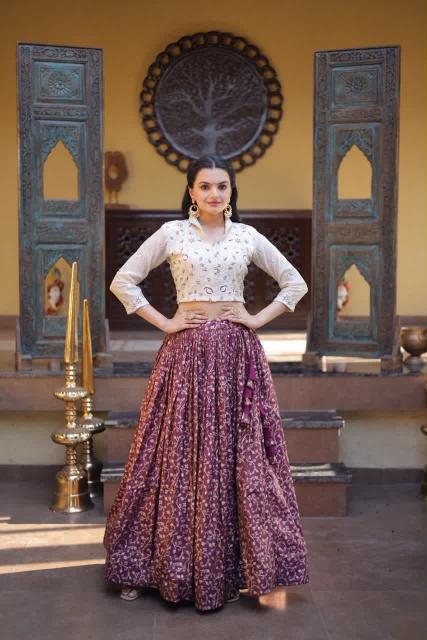
For boutique owners looking to expand, exploring Wholesale Lehenga Market Surat can help identify trending festive collections. Similarly, retailers interested in expanding their ethnic wear range should also explore Wholesale Sarees India to diversify inventory according to customer demand.
Monitor Fast-Moving and Slow-Moving Products
Successful inventory planning doesn't end after purchasing stock. Continuous monitoring is equally important. Every boutique should categorize products into fast-moving, average-moving, and slow-moving inventory.
Fast-Moving Inventory
These products sell consistently and require regular replenishment. They often include cotton kurtis, daily wear suits, printed sarees, and affordable festive collections.
Average-Moving Inventory
These products sell during particular occasions or promotional campaigns. Examples include semi-formal ethnic wear, office collections, and seasonal dresses.
Slow-Moving Inventory
Premium bridal wear, exclusive designer collections, and niche products may take longer to sell. These should be purchased carefully and displayed strategically.
Regular inventory analysis helps you decide what to reorder, what to discontinue, and where to invest your purchasing budget.
Use Inventory Data to Make Better Buying Decisions
Modern boutiques should rely on data rather than assumptions. Maintain records of monthly sales, bestselling categories, customer preferences, and seasonal performance.
Useful reports include:
- Top-selling products.
- Average order value.
- Monthly category performance.
- Best-selling colors.
- Popular sizes.
- Customer repeat purchases.
- Dead stock percentage.
- Season-wise revenue.
These insights make future purchasing decisions significantly more accurate.
Balance Variety Without Overstocking
One common mistake made by new boutique owners is purchasing too many pieces of the same design. While attractive products may appear promising, customer demand changes quickly.
Instead of stocking twenty identical pieces, consider buying four or five pieces across multiple attractive designs. Customers appreciate variety, and boutiques benefit from higher product rotation.
This strategy reduces financial risk while encouraging repeat visits because shoppers frequently discover something new.
Importance of Quality Over Quantity
Today's customers are more informed than ever before. Product quality directly affects reviews, referrals, and repeat business.
Always evaluate:
- Fabric quality.
- Embroidery finishing.
- Stitching accuracy.
- Color consistency.
- Packaging standards.
- Size measurements.
- Product durability.
Premium quality builds customer trust and supports long-term business growth.
Wholesaleexport.in works closely with experienced manufacturers to ensure premium quality standards before products reach retailers.
Plan Inventory According to Regional Demand
Customer preferences vary across regions. A boutique serving customers in North India may require different inventory than one serving customers in South India or international buyers.
For example:
- India may have higher demand for festive ethnic collections throughout the year.
- Australia often experiences demand among the Indian diaspora during cultural festivals and wedding seasons.
- Canada has increasing demand for premium ethnic wear suitable for family celebrations.
- Nepal continues to be an important market for sarees, kurti sets, lehengas, and festive collections.
Understanding regional buying behavior helps boutiques create more targeted collections.
Benefits of Buying Directly from Experienced Manufacturers
Working directly with businesses involved in manufacturing provides several advantages:
- Better wholesale pricing.
- Consistent product quality.
- Latest fashion collections.
- Reliable stock availability.
- Faster production.
- Lower sourcing costs.
- Bulk purchasing flexibility.
Businesses with years of experience also understand changing fashion trends and help buyers select products with stronger market potential.
Digital Inventory Management for Modern Boutiques
Technology has transformed inventory management. Even small boutiques should maintain digital stock records using inventory software or spreadsheets.
Track information such as:
- Product codes.
- Purchase price.
- Selling price.
- Supplier details.
- Available quantity.
- Sales history.
- Reorder levels.
- Profit margins.
Digital records simplify purchasing decisions while reducing inventory errors.
Common Inventory Planning Mistakes to Avoid
Buying Without a Plan
Impulse purchasing often results in dead inventory and blocked capital.
Ignoring Customer Preferences
Always purchase according to customer demand instead of personal taste.
Overstocking One Category
Diversification improves sales consistency and reduces business risk.
Not Introducing Fresh Collections
Regular new arrivals encourage repeat purchases and strengthen customer loyalty.
Ignoring Inventory Reports
Without reviewing sales data, boutiques repeat the same purchasing mistakes.
Internal Linking Section
If you are planning to build a profitable boutique in 2026, explore additional buying guides, wholesale category pages, and sourcing resources available on Wholesaleexport.in. These resources help boutique owners understand product selection, pricing strategies, supplier evaluation, inventory planning, and seasonal buying trends while making informed purchasing decisions.
Customer FAQs
1. What is boutique inventory planning?
Boutique inventory planning is the process of selecting, purchasing, organizing, and managing products based on customer demand, seasonality, and available investment to maximize sales while minimizing unsold stock.
2. How much inventory should a new boutique purchase?
Start with a wide variety of designs in smaller quantities instead of buying large quantities of the same product. This improves stock rotation and reduces financial risk.
3. How often should boutiques introduce new collections?
Most successful boutiques introduce fresh collections every two to four weeks depending on customer demand and seasonal trends.
4. Why is Surat considered important for wholesale ethnic wear?
The surat textile market, including ring road and sahara darwaza, is one of India's largest textile hubs offering thousands of manufacturers, wholesalers, and exporters.
5. Why choose Wholesaleexport.in?
Wholesaleexport.in offers carefully selected ethnic wear collections supported by Vastralife's wholesale and export expertise since 2017, premium product quality, reliable sourcing, competitive wholesale pricing, and industry experience.
Start Building a Smarter Boutique Today
Success in fashion retail isn't determined by the amount of stock you purchase—it's determined by how intelligently you manage it. Effective Boutique Inventory Planning allows you to maintain healthy cash flow, reduce dead stock, improve customer satisfaction, and grow your business sustainably.
Whether you are a Home-Based Seller, Shop Owner, Boutique Owner, Showroom Owner, Reseller, or Wholesale Buyer, choosing the right products at the right price from trusted suppliers can transform your business.
Explore the Latest Collections at Wholesaleexport.in
Discover premium ethnic fashion collections backed by Vastralife's wholesale and export expertise since 2017.
- Latest Collections
- Wholesale Pricing
- Trendy Ethnic Wear
- Fast Shipping
- COD Support
- Bulk Order Deals
- Quality Products Starting From ₹299
Contact: +91 9712582172
Website: wholesaleexport.in
Partner with Wholesaleexport.in and source high-quality ethnic fashion from experienced manufacturers who understand today's retail market. With premium quality, competitive pricing, dependable service, and continuously updated collections, your boutique will always stay ready for the next selling season.