


Boutique Dress Material Collection Wholesale in Surat – Latest Designer Fabrics & Prices 2026
Boutique Dress Material Collection Wholesale in Surat – Latest Designer Fabrics & Prices 2026
A successful boutique is built around collections that customers genuinely want to wear. From beautifully embroidered unstitched suits to elegant printed fabrics and contemporary ethnic designs, choosing the right dress materials can make a noticeable difference to a clothing business. For boutique owners, retailers, and resellers looking to refresh their inventory in 2026, Surat offers an extensive selection of fabrics, designs, and wholesale sourcing opportunities. A carefully selected boutique dress material collection allows sellers to offer personalised ethnic fashion while maintaining flexibility in stitching, sizing, and customer preferences.
Introduction
Women's ethnic fashion continues to offer opportunities for clothing businesses that understand changing customer expectations. Today's shoppers are not simply looking for attractive outfits. They also consider fabric comfort, distinctive designs, stitching flexibility, quality, and value for money.
This makes designer dress materials wholesale an important product category for boutique owners, showroom operators, home-based sellers, and established retailers.
Unlike ready-made garments, unstitched dress materials allow customers to choose their preferred measurements, neckline styles, sleeve patterns, and fitting. This flexibility is particularly valuable for boutiques offering personalised stitching services.
The Surat textile market is a major sourcing destination for women's ethnic wear. Its extensive textile manufacturing and trading network offers buyers access to printed suit materials, embroidered fabrics, festive collections, cotton dress materials, and premium designer suits.
For businesses planning their 2026 inventory, Wholesaleexport.in provides an online option for exploring wholesale ethnic wear collections without depending entirely on physical market visits.
Backed by Vastralife's wholesale and export experience since 2017, the business brings practical industry knowledge to product sourcing, catalogue selection, and supplying women's ethnic clothing to different retail markets.
Whether you operate a boutique in a metropolitan city or manage a small clothing business from home, selecting the right fabrics at a suitable wholesale price can help you build a more attractive product range.
Why Boutique Dress Materials Remain Popular in 2026
Boutique fashion offers something that mass-produced clothing cannot always provide: the opportunity to create an outfit around an individual's preferences.
Customers may appreciate a particular fabric or embroidery design but want a different neckline, longer sleeves, a relaxed silhouette, or a customised fitting. Unstitched dress materials make these adjustments possible.
This creates opportunities for boutiques to offer both attractive fabrics and personalised clothing services.
Growing Interest in Customised Ethnic Clothing
Many customers prefer clothing that reflects their individual style. Instead of selecting a standard ready-made outfit, they may choose a fabric and work with a tailor to create a design that suits their requirements.
A well-selected boutique dress material collection can include traditional embroidered fabrics, elegant printed suits, contemporary colour combinations, and decorative dupattas.
These options allow customers to choose clothing for office functions, family gatherings, festive occasions, and everyday wear.
For boutique owners, customisation can also create additional opportunities to offer stitching, finishing, and styling services.
Flexible Sizing for Different Customers
One of the practical advantages of unstitched suit materials is their adaptability.
Customers who find standard ready-made sizing unsuitable may prefer buying fabric and arranging personalised stitching. This can be especially useful for customers seeking longer garments, relaxed fits, or plus-size ethnic wear.
However, retailers should always confirm the supplied fabric measurements before promising that a particular material will accommodate a customer's desired size or design.
Offering accurate measurements and realistic stitching guidance helps maintain customer confidence.
Versatility Across Different Occasions
Dress materials are suitable for several customer segments because their final appearance depends on fabric selection, embroidery, and tailoring.
Simple printed cotton suits can appeal to customers seeking comfortable daily clothing, while embroidered silk-blend materials may be more appropriate for celebrations and festive occasions.
Boutique owners can therefore serve different budgets and preferences without depending entirely on ready-made clothing collections.
Latest Boutique Dress Material Designs for Wholesale Buyers
The most suitable wholesale assortment usually combines established ethnic styles with newer design variations. Rather than purchasing only one type of suit material, retailers can introduce multiple categories to address different customer needs.
1. Embroidered Designer Dress Materials
Embroidered dress material wholesale collections are suitable for boutiques serving customers interested in decorative traditional outfits.
Embroidery may appear around the neckline, sleeves, borders, or across the entire fabric. Depending on the design, collections may include thread embroidery, zari-inspired detailing, sequins, or decorative motifs.
For retailers, the important consideration is not simply the amount of embroidery but its overall finishing and suitability for the fabric.
Customers purchasing premium embroidered materials often expect coordinated designs that look attractive after stitching.
2. Printed Cotton Dress Materials
Cotton dress material wholesale collections can be a useful addition to boutiques serving customers who prefer breathable and comfortable ethnic clothing.
Floral prints, geometric patterns, traditional motifs, and understated colour combinations can offer different styling possibilities.
These materials may be suitable for office wear, casual outings, and everyday use, depending on their composition and finishing.
Retailers should check fabric quality, print consistency, shrinkage guidance, and colourfastness information before purchasing.
3. Pakistani-Style Suit Materials
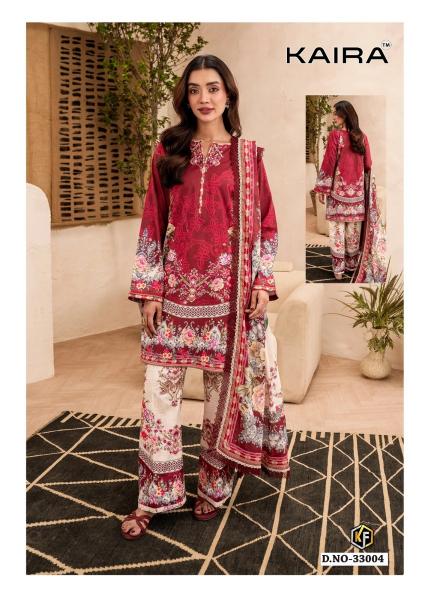
Pakistani-inspired ethnic suits are recognised for their elegant silhouettes, decorative detailing, and coordinated fabric combinations.
Many designs feature longer kameez styles, embroidery-focused necklines, and distinctive dupatta patterns.
For boutique owners, these materials provide opportunities to create customised outfits suitable for customers seeking graceful traditional fashion.
When selecting Pakistani suit material wholesale collections, buyers should examine the supplied fabric pieces, measurements, embroidery placement, and overall design balance.
4. Silk-Blend and Festive Dress Materials
Festive clothing often places greater emphasis on texture, colour richness, and decorative finishing.
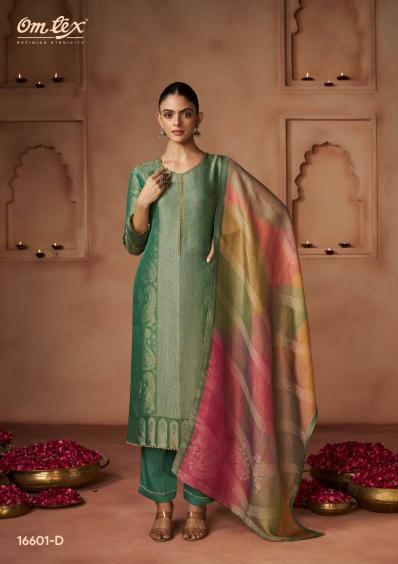
Silk-blend dress materials, zari-style designs, embroidered dupattas, and traditional motifs can create an elegant appearance for special occasions.
However, the term silk blend may cover different fabric compositions. Retailers should confirm the actual material specifications rather than relying only on catalogue descriptions.
Providing accurate fabric information helps customers make suitable purchasing and maintenance decisions.
5. Contemporary Printed and Digital Print Suits
Digital prints and contemporary patterns offer boutiques additional options beyond conventional ethnic designs.
Depending on the collection, these materials may feature abstract prints, artistic floral arrangements, coordinated geometric patterns, or modern colour combinations.
Such designs can appeal to customers interested in ethnic clothing with a contemporary appearance.
Retailers can combine these products with more traditional collections to create a balanced assortment.
Surat Textile Market: A Major Sourcing Destination for Boutique Fabrics
Surat is widely recognised for its textile production and wholesale trading activity. The city's textile ecosystem includes fabric manufacturers, processing units, wholesalers, distributors, and businesses supplying finished and unstitched ethnic wear.
For boutique owners searching for dress material wholesalers in Surat, the city provides opportunities to compare fabric types, catalogue designs, and different purchasing arrangements.
Ring Road Textile Market
The Ring Road area is an established commercial zone associated with Surat's textile trade.
Buyers visiting the area can explore different wholesale clothing categories, including sarees, dress materials, kurtis, and ethnic suit collections.
However, availability varies between suppliers, and not every trader specialises in boutique-quality fabrics.
Before visiting, buyers should identify the product categories they need, compare supplier details, and confirm whether the selected business handles their required order quantities.
Sahara Darwaza and Surrounding Textile Trading Areas
The Sahara Darwaza area and surrounding textile markets are also associated with Surat's wholesale clothing industry.
Retailers sourcing ethnic clothing may explore nearby textile businesses for different fabric categories and catalogue options.
Purchasing decisions should be based on product specifications, supplier reliability, transparent pricing, and suitable payment arrangements rather than market location alone.
Benefits of Online Wholesale Sourcing
Not every boutique owner can travel to Surat regularly. For businesses operating in other cities, online sourcing offers a convenient way to review collections and communicate with suppliers.
Through Wholesaleexport.in, buyers can explore available women's ethnic wear categories and enquire about wholesale purchasing options.
Online sourcing can help retailers compare catalogue designs, request quotations, and plan inventory without making repeated market visits.
Nevertheless, buyers should confirm current stock, fabric specifications, minimum order quantities, and delivery conditions before completing payment.
Understanding Boutique Dress Material Wholesale Prices in 2026
Price is one of the most important considerations for any clothing retailer. However, the lowest purchasing price does not automatically represent the best business decision.
A product's commercial value depends on its fabric quality, design appeal, finishing, customer demand, and total purchasing cost.
For businesses exploring boutique dress material wholesale prices, understanding these factors helps create more realistic purchasing budgets.
Fabric Composition and Quality
Different fabrics involve different production and processing requirements.
Cotton blends, viscose, georgette, silk blends, and decorative fabrics may have different cost structures depending on material quality and manufacturing methods.
Premium-looking fabrics can also vary considerably in composition, so buyers should request accurate specifications whenever possible.
Embroidery and Design Complexity
Decorative work can influence the price of a dress material.
Elaborate embroidery, specialised finishing, detailed prints, and coordinated dupattas may require additional manufacturing processes.
Retailers should compare the complete product rather than judging value only by embroidery quantity.
Catalogue Quantity and Wholesale Terms
Some suppliers sell individual designs, while others offer complete catalogues or require minimum quantities.
Wholesale pricing may depend on the selected brand, product category, catalogue size, and purchase volume.
Before ordering, confirm whether the quotation applies to one piece, a complete set, or a larger quantity.
Transportation and Other Purchasing Expenses
Retailers should include transportation, packaging, applicable taxes, and other purchasing expenses when calculating the actual cost of their inventory.
For example, if a dress material has a quoted wholesale price of ₹850 and additional allocated purchasing expenses amount to ₹70, the effective acquisition cost becomes ₹920.
This figure provides a more useful starting point for determining a retail selling price than the product quotation alone.
Wholesaleexport.in offers selected women's clothing products starting from ₹299, although boutique and premium dress material prices vary according to the specific collection.
How Boutique Owners Can Build a Profitable Dress Material Assortment
Building a successful product range requires a clear understanding of the customers a boutique intends to serve.
A collection that performs well in one city or customer segment may not produce the same results elsewhere. Retailers should therefore combine market observations with their own sales records and customer feedback.
Start with Customer Preferences
Review previous sales and customer enquiries to identify preferred fabrics, colours, patterns, and price ranges.
If customers regularly request embroidered suits for family celebrations, introducing additional festive designs may be appropriate.
Alternatively, boutiques serving working professionals may benefit from maintaining comfortable printed and lightly embellished materials.
Balance Everyday and Occasion-Wear Products
A boutique should avoid relying entirely on heavily embellished designs unless its customers specifically demand that category.
Combining everyday suit materials, contemporary prints, festive fabrics, and selected premium collections can help maintain variety.
This approach also gives customers different options when shopping for multiple occasions.
Choose Colours That Complement Your Existing Inventory
Colour selection can influence customer interest, but retailers should avoid purchasing too many similar shades.
Traditional colours, pastels, neutral tones, and richer festive shades can be combined according to the boutique's target market.
Reviewing existing stock before purchasing new catalogues can help prevent unnecessary duplication.
Evaluate Product Quality Before Larger Orders
For unfamiliar suppliers or collections, requesting detailed specifications and checking samples where available can reduce purchasing uncertainty.
Important considerations include fabric texture, finishing, embroidery quality, colour accuracy, and suitability for stitching.
A smaller initial purchase may help retailers evaluate customer response before committing to a larger quantity.
This is particularly useful for home-based sellers and newer boutique businesses managing limited working capital.
How to Select the Right Boutique Dress Material Supplier in Surat
Finding attractive designs is only one part of building a successful boutique business. Choosing a dependable supplier is equally important because product consistency, stock availability, delivery schedules, and communication directly influence customer satisfaction.
When searching for boutique dress material wholesale suppliers, buyers should evaluate the complete purchasing experience rather than focusing exclusively on catalogue photographs or advertised prices.
Check Fabric Quality and Product Specifications
Premium product quality begins with accurate fabric selection. Before purchasing, ask about the material composition, available fabric length, dupatta specifications, embroidery techniques, and recommended care instructions.
A beautiful catalogue photograph may attract attention, but customers ultimately judge a product by its actual appearance, comfort, and finishing.
For boutique owners offering customised stitching, fabric dimensions are especially important. Insufficient material can make it difficult to deliver the garment design promised to the customer.
Compare Wholesale Pricing and Minimum Order Quantities
Different wholesalers may offer different catalogue structures, purchasing quantities, and payment conditions.
Some businesses provide mixed designs, while others require buyers to purchase a complete catalogue. Understanding these arrangements helps retailers avoid unnecessary inventory expenses.
When comparing wholesale dress material prices in Surat, calculate the complete acquisition cost, including applicable taxes and shipping expenses.
A slightly higher-priced product with better finishing and reliable availability may offer stronger long-term value than an inexpensive product with inconsistent quality.
Review Catalogue Updates and Stock Availability
Fashion preferences change throughout the year. Boutique businesses benefit from suppliers who regularly introduce new designs while maintaining clear information about available stock.
Before promoting a product to customers, confirm whether the required colour, design, and quantity are available.
This is particularly important for resellers who advertise products through WhatsApp, Instagram, Facebook, or online stores.
Understand Shipping and Order Policies
Reliable delivery arrangements help boutique owners plan inventory purchases and customer commitments.
Ask suppliers about order confirmation, dispatch timelines, transportation options, payment requirements, and policies covering manufacturing defects.
International buyers should additionally clarify export documentation, destination-country requirements, customs charges, and estimated delivery arrangements.
Clear communication before placing an order reduces misunderstandings and supports stronger supplier relationships.
Wholesale Dress Materials for Different Types of Clothing Businesses
The ideal inventory strategy depends on how a business operates, its customer base, and the amount of capital available for purchasing new collections.
A home-based reseller and an established ethnic wear showroom may purchase from similar suppliers, but their inventory requirements are often different.
Home-Based Sellers and Online Resellers
Home-based sellers generally benefit from a manageable selection of attractive designs rather than maintaining a large quantity of slow-moving inventory.
They can introduce designer unstitched suits wholesale collections through WhatsApp catalogues, social media posts, and customer referrals.
Clear product photographs, accurate descriptions, fabric details, and transparent pricing are essential for generating customer confidence.
Resellers should also confirm stock before accepting customer payments, especially when they do not physically maintain the advertised inventory.
Boutique Owners and Fashion Designers
Boutique owners can use dress materials as the foundation for customised ethnic clothing.
For example, one embroidered fabric may be styled into a straight-cut suit, while another customer may prefer an A-line silhouette or a traditional kameez design.
Offering stitching recommendations, neckline variations, sleeve options, and suitable dupatta styling can create additional value beyond the fabric itself.
A thoughtfully selected boutique dress material collection also helps boutiques establish a distinctive identity in their local market.
Retail Shop Owners
Retail shops often serve customers with different budgets and fashion preferences.
Maintaining a balanced assortment of cotton suits, printed dress materials, embroidered fabrics, and festive collections can help address these varied requirements.
Retailers should regularly review sales performance and reorder successful designs while reducing purchases of products that consistently remain unsold.
Showroom Owners and Bulk Wholesale Buyers
Showrooms and larger retailers may require multiple catalogues, broader colour selections, and consistent product replenishment.
These buyers should discuss quantity requirements, catalogue availability, packaging, and commercial terms before confirming larger orders.
Establishing dependable sourcing relationships can simplify inventory planning and reduce the need to search for new suppliers with every purchase.
Boutique Dress Material Export Opportunities in 2026
Indian ethnic clothing is purchased by customers across different international markets, including communities that value traditional garments for celebrations, cultural occasions, and everyday wear.
For businesses involved in dress material export from Surat, understanding local customer preferences is essential.
Rather than assuming that the same catalogue will suit every country, exporters should consider climate, preferred fabrics, sizing requirements, retail price expectations, and seasonal buying patterns.
Malaysia: Traditional Fashion and Contemporary Ethnic Styles
Malaysia offers potential opportunities for retailers serving customers interested in Indian ethnic clothing.
Depending on the target audience, lightweight printed suits, embroidered dress materials, and festive ethnic collections may be relevant.
Wholesale buyers should evaluate local demand, fabric preferences, and selling prices before selecting large quantities.
Import regulations, duties, and logistics costs should also be considered when calculating the final landed price.
Nepal: Ethnic Wear for Retail and Boutique Businesses
Nepal is another market where Indian ethnic clothing can be relevant to retailers serving traditional and occasion-wear customers.
Boutique owners may consider printed suit materials, embroidered fabrics, and coordinated ethnic collections according to local demand.
When importing from India, buyers should account for transportation, customs requirements, applicable taxes, and delivery timelines.
Clear pricing and reliable product information are particularly valuable for businesses that regularly replenish their inventory.
Australia: Boutique Opportunities for Indian Ethnic Clothing
In Australia, Indian ethnic wear can appeal to customers shopping for weddings, festivals, family celebrations, and cultural events.
Retailers serving these customers may explore premium embroidered suits, contemporary printed fabrics, and elegant occasion-wear materials.
However, product selection should be based on the specific customer segment rather than assuming uniform demand across the country.
Exporters should also confirm shipping arrangements, customs procedures, and relevant product labelling requirements before dispatch.
Internal Linking: Explore More Wholesale Ethnic Wear Collections
Boutique owners planning their next inventory purchase can benefit from comparing related product categories before selecting a final assortment.
For buyers interested in unstitched fabrics, exploring wholesale dress materials in Surat can provide additional options for building an ethnic clothing collection.
Retailers serving customers who prefer elegant traditional silhouettes can also explore wholesale Pakistani suits as a complementary product category.
Combining different styles can help boutiques address everyday clothing requirements, festive shopping, and personalised outfit preferences.
Wholesaleexport.in provides an online platform for discovering women's ethnic wear categories and enquiring about available wholesale collections.
Practical Strategies to Increase Boutique Dress Material Sales
Purchasing attractive fabrics is important, but retailers also need an effective approach to product presentation, customer communication, and inventory management.
Small improvements in these areas can make a meaningful difference to how customers evaluate a boutique's collection.
Use Clear Product Photography
Customers purchasing dress materials online cannot physically examine the fabric before ordering.
High-quality photographs should therefore show the overall design, embroidery details, fabric texture, and included pieces.
Where possible, retailers can include close-up images and short videos showing how the fabric moves and appears under natural lighting.
Accurate presentation is more valuable than excessive image editing that changes the actual product colour or appearance.
Provide Complete Fabric Information
A useful product description should explain what the customer is purchasing.
Include the fabric composition, approximate measurements, included components, embroidery or print details, and available colour options.
If the material is unstitched, clearly mention that stitching is required.
These details help customers understand the product and reduce avoidable questions after ordering.
Create Occasion-Based Collections
Instead of displaying every product in one large catalogue, boutiques can organise materials around customer needs.
For example, separate collections may focus on office wear, everyday cotton suits, wedding functions, festive celebrations, or premium embroidered outfits.
This makes browsing easier and helps customers identify products suitable for their intended occasion.
Maintain Realistic Retail Margins
Retail pricing should account for the total acquisition cost, operating expenses, customer expectations, and the value offered by the boutique.
For example, consider a dress material purchased at an effective cost of ₹1,000 and sold for ₹1,400.
The gross difference is ₹400, representing approximately 28.6% of the selling price before other business expenses.
This is not the same as net profit. Packaging, advertising, payment charges, rent, and other expenses may reduce the final earnings.
Retailers should calculate margins carefully rather than relying on a fixed markup for every product.
Use Social Media to Build Customer Interest
Instagram Reels, WhatsApp catalogues, Facebook posts, and short product videos can help boutique owners introduce new arrivals to existing and potential customers.
Content showing fabric details, styling possibilities, and finished stitching examples can be particularly useful.
For local visibility, retailers can naturally mention their city and product category in descriptions, such as designer dress materials in Ahmedabad or boutique suit materials in Pune.
Relevant descriptions, accurate product information, and consistent posting can improve content discoverability, although no particular posting method guarantees reach or sales.
Common Mistakes to Avoid When Buying Boutique Dress Materials Wholesale
Even experienced retailers can encounter purchasing problems when selecting new collections.
Understanding common mistakes can help businesses make more informed decisions.
Buying Too Much of One Design
A design that looks attractive in a catalogue may not necessarily sell quickly in every market.
Purchasing excessive quantities without evaluating customer interest can create unnecessary inventory pressure.
For unfamiliar designs, consider a smaller initial purchase before increasing quantities.
Ignoring Fabric Measurements
Dress material measurements influence which garment styles can be stitched.
Before accepting customised orders, confirm whether the supplied fabric is sufficient for the requested design and size.
This is especially important for longer garments, fuller silhouettes, and plus-size stitching requirements.
Choosing Suppliers Only by Price
A low quotation can appear attractive, but poor finishing, inconsistent fabrics, or unclear product descriptions may affect customer satisfaction.
Evaluate suppliers using quality, reliability, communication, and total purchasing cost.
Overlooking Seasonal Inventory Planning
Customer requirements can change between warmer months, wedding periods, and festive seasons.
Retailers should review their local sales patterns and adjust inventory purchases accordingly.
A practical purchasing plan balances established bestsellers with a limited selection of new designs.
Why Experience and Quality Matter in Wholesale Ethnic Wear
Reliable sourcing becomes increasingly important as a boutique grows.
Retailers need suppliers who understand product categories, purchasing requirements, catalogue variations, and the importance of clear communication.
Vastralife has been involved in women's clothing wholesale and export since 2017, bringing industry experience to the sourcing and supply of ethnic wear products.
This experience is relevant to businesses seeking support with catalogue selection, wholesale purchasing, and identifying products suitable for different customer segments.
Premium product quality remains an important consideration for retailers who want to develop long-term customer relationships.
Buyers should still review individual catalogue specifications and confirm availability before placing orders, as fabrics, designs, and commercial terms can vary.
For boutique owners, working with an experienced supplier can make product selection and inventory planning more manageable.
Customer FAQs About Boutique Dress Material Wholesale
1. What is a boutique dress material collection?
A boutique dress material collection consists of unstitched or semi-stitched fabrics selected for creating customised ethnic outfits. These collections may include printed suit materials, embroidered fabrics, decorative dupattas, and premium designs suitable for different occasions.
2. Where can I buy boutique dress materials at wholesale prices in Surat?
Surat has numerous textile trading areas, including the Ring Road market and surrounding wholesale zones. Buyers can also explore online wholesale platforms to review available designs, request product details, and enquire about purchasing arrangements.
3. What is the minimum order quantity for wholesale dress materials?
Minimum order quantities depend on the supplier and product catalogue. Wholesaleexport.in offers selected products with a minimum order quantity starting from five pieces, although individual collections may have different requirements. Buyers should confirm the applicable quantity before ordering.
4. Which fabrics are suitable for boutique dress materials?
Cotton, viscose, georgette, silk blends, and other fabrics can be suitable depending on the intended garment. Cotton-based materials may appeal to customers seeking everyday comfort, while embroidered and decorative fabrics may be more appropriate for occasion wear.
5. Are boutique dress materials suitable for plus-size customers?
Unstitched dress materials can offer greater flexibility for customised sizing. However, suitability depends on the fabric dimensions and intended stitching pattern. Buyers should verify measurements before promising a particular finished size.
6. Can home-based resellers purchase wholesale dress materials?
Yes. Home-based sellers can purchase wholesale dress materials according to the supplier's minimum order requirements. They can promote available designs through social media, WhatsApp, and customer networks while maintaining accurate stock and product information.
7. Can I export boutique dress materials from Surat?
Yes, boutique dress materials can be sourced for international wholesale trade, subject to the supplier's export arrangements and applicable regulations. Buyers should confirm product specifications, shipping costs, documentation, customs requirements, and payment terms before ordering.
8. How do I calculate a profitable retail selling price?
Start with the complete acquisition cost, including wholesale price, applicable taxes, and allocated shipping expenses. Then consider operating costs, customer expectations, competitor pricing, and the margin required to support the business.
9. Are embroidered dress materials suitable for festive collections?
Yes. Embroidered fabrics and coordinated ethnic suit materials can be suitable for festive occasions, weddings, and family celebrations. The most appropriate designs depend on customer preferences, fabric quality, and local demand.
10. How can I find the latest boutique dress material designs for 2026?
Retailers can review updated wholesale catalogues, explore new arrivals from established suppliers, and follow customer buying preferences. Before purchasing, confirm the current availability, fabric specifications, and wholesale price of the selected designs.
Explore the Latest Boutique Dress Material Collection with Wholesaleexport
Building a successful boutique requires more than purchasing attractive fabrics. It involves understanding customer preferences, selecting suitable designs, managing inventory, and maintaining dependable sourcing relationships.
Whether you are launching a home-based clothing business, expanding an existing boutique, or purchasing inventory for a showroom, having access to varied ethnic wear collections can help you serve different customer needs.
At Wholesaleexport.in, buyers can explore women's wholesale clothing categories and enquire about collections suitable for their business requirements.
With Vastralife's wholesale and export experience since 2017, the focus is on supporting buyers with practical product knowledge, ethnic wear sourcing, and access to quality-focused collections.
What You Get with Wholesaleexport
- Latest Collections: Explore new arrivals and updated women's ethnic wear designs.
- Wholesale Pricing: Discover products offered for wholesale buyers and resellers.
- Trendy Ethnic Wear: Browse dress materials, kurtis, suit sets, and other women's clothing categories.
- Fast Shipping: Shipping support across India, with dispatch and delivery depending on order confirmation and destination.
- COD Support: Conditional COD options within India on eligible confirmed orders, subject to advance payment and applicable terms.
- Bulk Order Deals: Enquire about pricing and availability for larger purchasing quantities.
- Quality Products Starting From ₹299: Selected wholesale clothing products start from ₹299. Individual boutique dress material prices may vary.
- Reliable Customer Support: Assistance with product enquiries, catalogue details, and purchasing information.
- Profitable Reselling Opportunities: Explore wholesale sourcing options and calculate suitable margins for your business.
- Regular New Arrivals: Discover updated catalogue options as new products become available.
Start Your Wholesale Enquiry Today
Looking for a boutique dress material collection that suits your customers and purchasing budget? Explore available designs, compare fabrics, and request current wholesale information before placing your next order.
Website: wholesaleexport.in
Call or WhatsApp: +91 9712582172
Wholesale Categories: Designer Dress Materials, Embroidered Suits, Printed Fabrics, Kurtis, Ethnic Wear, and Women's Clothing.
Final Thoughts: The right boutique collection combines attractive designs, suitable fabrics, transparent pricing, and dependable sourcing. By focusing on product quality, customer preferences, and realistic inventory planning, retailers can build a stronger ethnic wear business in 2026 and beyond.