


Block Print Dress Material Wholesale: Styles, Fabrics & Buying Guide 2026
Block Print Dress Material Wholesale: Styles, Fabrics & Buying Guide 2026
Traditional prints continue to hold an important place in Indian ethnic fashion because they combine familiar craftsmanship-inspired aesthetics with practical everyday styling. For retailers, boutiques and resellers, printed unstitched suits offer another advantage: customers can tailor the outfit according to their preferred fitting and design. From subtle cotton patterns to colourful festive combinations, the category gives sellers enough variety to build collections for different age groups, regions and price segments.
Introduction
Block print dress material has developed into a versatile wholesale category for businesses selling Indian ethnic wear. Its appeal comes from the combination of traditional-looking motifs, wearable colours and fabrics that can be styled for daily wear, office wear, casual occasions and festive use. Depending on the collection, a dress material set may include fabric for the top, bottom and dupatta, while individual specifications can vary from catalogue to catalogue.
For wholesale buyers, this category is not simply about selecting attractive prints. Fabric quality, colour combinations, print finish, catalogue assortment, wholesale price, customer profile and seasonal demand all influence whether a product performs successfully at retail.
Surat remains an important sourcing centre for women's ethnic fashion because of its extensive textile ecosystem. Buyers visiting the Surat textile market, including commercial areas around Ring Road and Sahara Darwaza, encounter a broad range of dress materials, kurtis, sarees, suits and other women's fashion categories. Online wholesale sourcing has made this ecosystem accessible to buyers who cannot regularly travel to Surat.
Wholesaleexport.in helps connect this sourcing opportunity with home-based sellers, boutique owners, shop owners, showroom owners, resellers and wholesale buyers who want to browse collections online and plan purchases according to their individual business needs.
Why Block Print Dress Material Remains Relevant in 2026
Fashion trends change rapidly, but traditional and craft-inspired prints have a different kind of demand. Customers often purchase them not because of a short-lived trend but because they are easy to wear, culturally familiar and adaptable to different occasions.
In 2026, consumers can discover fashion through Instagram, short videos, marketplaces, websites and messaging platforms within minutes. This has increased the speed at which new designs reach customers. At the same time, many buyers continue to prefer ethnic designs that do not become outdated immediately. This creates useful commercial space for block printed dress material collections.
A Blend of Traditional and Contemporary Styling
Block-inspired motifs can range from small floral repeats and geometric arrangements to paisley, leaf, traditional buti and larger statement patterns. The same visual language can look completely different depending on fabric, colour palette, border treatment and dupatta styling.
A boutique may choose muted shades and refined motifs for customers seeking understated elegance, while a retailer targeting festive shoppers may select stronger colours, decorative borders or coordinated dupattas. This flexibility is one reason the category can work across several customer groups.
Unstitched Fashion Gives Customers More Freedom
One of the practical advantages of unstitched dress material wholesale is flexibility. Customers can choose their preferred neckline, sleeve pattern, kurta length and overall fitting instead of being limited to predetermined ready-made measurements.
This can be particularly valuable for retailers serving customers with varied size requirements. Rather than maintaining every size in a ready-made garment, the seller can offer an unstitched set that customers customise through their own tailor.
Understanding Different Types of Block Print Dress Materials
Wholesale buyers should avoid treating every printed dress material as the same product. Fabric, printing style, construction and accompanying dupatta can significantly influence the final appearance and selling price.
Cotton Block Print Dress Material
Cotton dress material wholesale collections are commonly considered for everyday and warm-weather markets. Cotton's familiar feel and breathable character can make it suitable for customers seeking practical ethnic clothing.
Retailers can look for combinations with coordinated bottoms and printed or contrasting dupattas. Small motifs can work well for regular wear, while stronger colour combinations can create a more noticeable retail presentation.
Jaipuri-Inspired Printed Dress Materials
Traditional Rajasthan-inspired patterns have broad recognition in Indian fashion. Floral motifs, repeating geometric designs, paisley patterns and contrasting borders can create the handcrafted visual character many customers associate with block printing.
For sellers, Jaipuri dress material wholesale styles can complement cotton kurtis, ethnic sets and traditional printed garments. Rather than purchasing only one visual theme, retailers can create a mix of subtle and colourful designs.
Bandhej and Traditional Print Combinations
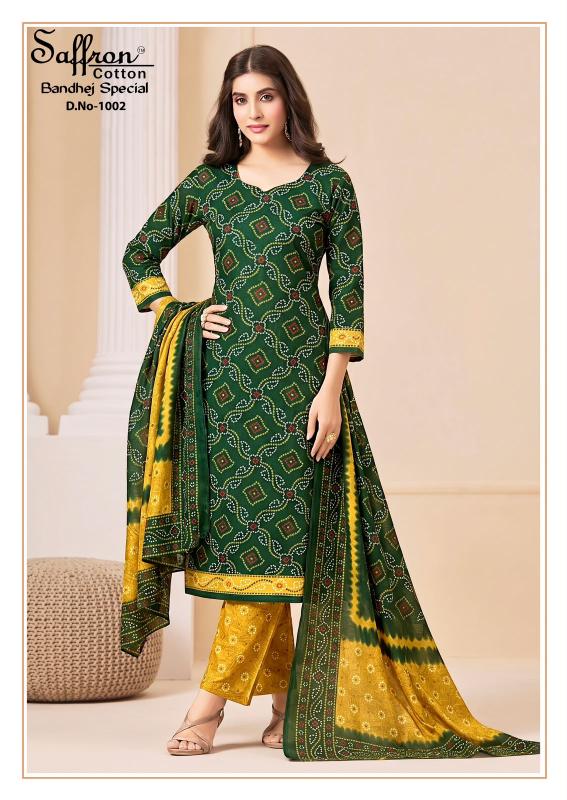
Some collections combine different traditional visual influences rather than relying on one print language. Bandhej-inspired effects, printed motifs, decorative borders and contrasting dupattas can give a dress material a stronger festive identity.
These products may be useful when customers want traditional styling without moving into extremely heavy occasion wear. Retailers should evaluate the complete set rather than judging only the top fabric.
Premium Dress Material Sets
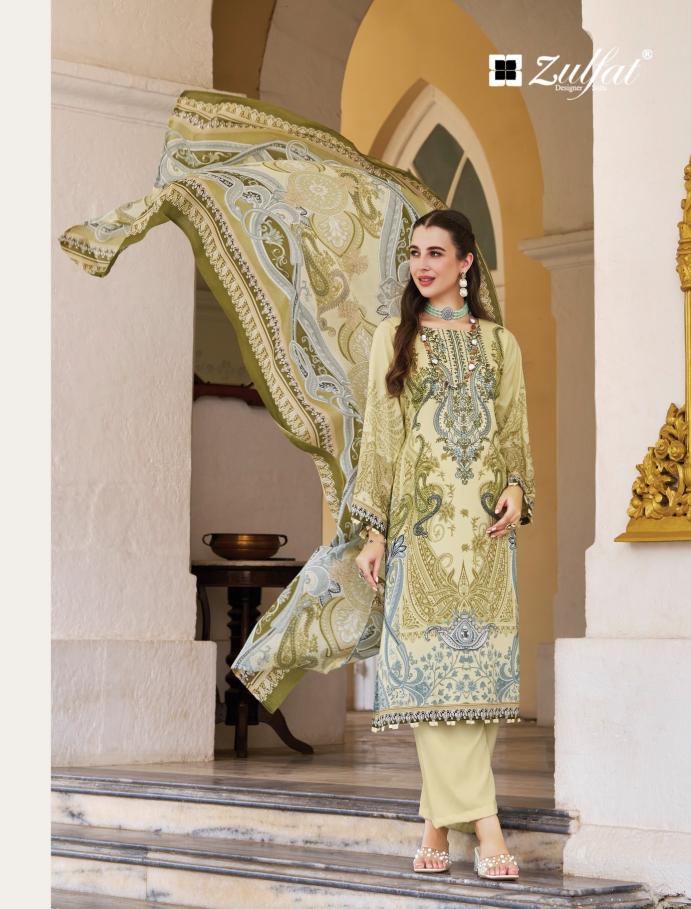
Premium products can use better fabric, richer colour combinations, more detailed printing, coordinated dupattas or additional surface detailing. Such collections can serve boutiques and showrooms targeting customers who are willing to spend more for presentation and finishing.
The word premium should, however, correspond with visible product value. Buyers should assess fabric feel, printing, finishing and the overall coordination of the set before positioning it in a higher retail segment.
How to Choose Block Print Dress Material for Wholesale Buying
A successful wholesale purchase starts with understanding who will ultimately buy the product. A home-based seller, neighbourhood shop and premium boutique may all purchase dress materials, but their customers can have completely different expectations.
Identify Your Target Customer First
Before comparing catalogues, consider your typical customer's budget, age group, preferred fabrics and buying occasions. If most customers need regular wear, lightweight and easy-to-style products may deserve a larger share of the inventory. If your business focuses on festive or boutique fashion, richer combinations may be more appropriate.
This customer-first approach prevents one of the common mistakes in wholesale purchasing: buying a product simply because it looks attractive in catalogue photography.
Compare Fabric and Print Quality
The design attracts attention, but the fabric influences the customer's experience after purchase. Buyers should check the stated fabric specification, print clarity, finishing and overall construction of the set.
In printed textile products, sharp patterns and well-balanced colours contribute significantly to visual appeal. Product photographs should therefore be examined carefully, while large-volume buyers may also want appropriate product details confirmed before finalising quantities.
Evaluate Colour Assortment
A wholesale catalogue containing multiple colours can help retailers provide choice, but not every colour performs equally in every market. Past sales information can help identify which shades deserve greater inventory allocation.
Rather than making assumptions, keep simple records of customer enquiries and completed sales. Over time, these records reveal which colours, motifs and price points perform consistently.
Understand the Complete Set
Check whether the catalogue includes top fabric, bottom fabric and dupatta, along with the respective fabric specifications. A visually attractive dupatta can substantially influence the perceived value of an unstitched suit set, so it should be considered as part of the buying decision.
Surat as a Wholesale Dress Material Sourcing Hub
Surat's textile ecosystem covers fabric processing, trading, design development, garment production and distribution. This concentration supports a broad variety of ethnic fashion products and allows buyers to explore different categories within the same sourcing market.
The Surat textile market is particularly relevant to businesses searching for women's ethnic wear at wholesale. Commercial textile zones around Ring Road and Sahara Darwaza are widely associated with the city's textile trade, making Surat a familiar sourcing destination for buyers from different parts of India.
At the same time, physical market visits are no longer the only sourcing method. Digital catalogues and online wholesale platforms allow businesses to examine products remotely, shortlist suitable designs and communicate before purchasing.
Manufacturing and Wholesale Ecosystem
The strength of Surat is connected to its wider manufacturing and textile supply ecosystem. Fabric sourcing, processing, printing, embroidery, garment production and wholesale distribution can operate within a closely connected commercial environment.
For buyers, this means access to multiple product types rather than dependence on a single style. A retailer sourcing dress materials may also need kurtis, suits, sarees or other women's ethnic products during different parts of the year.
Buying Online Instead of Repeated Market Visits
Physical market visits can be useful, especially when exploring suppliers for the first time. However, repeated travel takes time and creates additional costs. Online wholesale sourcing can make replenishment and new catalogue discovery more convenient for buyers outside Surat.
Wholesaleexport.in provides a digital route for browsing wholesale fashion collections, which can be especially useful for retailers who want regular access to new products while operating from another city or country.
Wholesale Price: What Buyers Should Consider
Searching for the lowest wholesale price is understandable, but sustainable retail profit depends on more than the initial purchase amount. Product quality, customer acceptance, shipping expenses, inventory turnover and achievable selling price should all be considered together.
Do Not Compare Price Without Comparing Product
Two dress material sets may look similar online while differing in fabric, printing, dupatta, finishing or overall presentation. Comparing only the numeric price can therefore produce an inaccurate buying decision.
A better comparison examines what the customer receives for the price and whether the product fits the intended retail segment. A slightly higher purchase cost may sometimes be justified when the product offers stronger presentation or better perceived value.
Calculate the Real Landed Cost
Wholesale buyers should account for product cost as well as applicable transportation, packaging, taxes or other business expenses relevant to their transaction. For export orders, logistics and destination-specific requirements should also be included in planning.
The goal is to understand the approximate landed cost before setting a retail price. This gives sellers a clearer picture of the margin available after the product reaches their location.
Who Can Sell Block Print Dress Materials?
The category can serve multiple types of fashion businesses because it does not depend on one selling channel. A physical retailer and an online reseller can sell the same general product category using very different strategies.
Home-Based Sellers
Home-based sellers can use catalogue sharing through messaging and social platforms to introduce products without operating a large showroom. Controlled inventory and careful catalogue selection can help reduce initial stock pressure.
Boutique Owners
Boutiques can use unstitched materials to provide customers with styling flexibility. Selected prints can also be displayed with stitching ideas, helping customers visualise how the finished outfit may look.
Retail Shop and Showroom Owners
Physical stores can combine everyday cotton products with richer traditional sets to create multiple price levels. Displaying coordinated sets together makes comparison easier for walk-in customers.
Online Resellers
Online sellers can focus on clear photographs, accurate product descriptions and organised catalogue presentation. Because customers cannot physically touch the fabric before purchasing online, transparent product information becomes especially important.
Wholesale Buyers
Larger buyers can focus on repeatable products, deeper quantities and market-specific assortments. Previous sales records become particularly valuable when deciding which designs should be reordered in larger quantities.
Demand Beyond India: Export Opportunities
Indian ethnic wear also serves customers outside India, particularly communities and retailers interested in traditional South Asian fashion. For wholesale businesses, international demand can create opportunities, but selection should reflect the destination market rather than simply duplicating domestic inventory.
Markets such as USA, Australia and Nepal can have different customer profiles, seasonal conditions and retail price expectations. Export buyers should therefore consider climate, festival calendars, local preferences and delivery timelines when selecting products.
For example, a lightweight cotton collection may serve one selling season well, while more decorative ethnic sets may be relevant around festivals and family occasions. International buyers should also allow sufficient time for shipping and applicable customs or import procedures.
How Retailers Can Improve Sales of Printed Dress Materials
Buying the right stock is only the first stage. Presentation, product information and inventory planning determine how effectively the collection converts into retail sales.
Show the Complete Look
Customers purchasing unstitched material may need help visualising the final outfit. Product photography, stitched reference images where available and clear explanations of the included components can make selection easier.
Create Collections Around Customer Intent
Instead of posting products randomly, retailers can organise them into groups such as cotton daily wear, office wear, traditional prints, festive dress materials, premium suits and budget collections. This makes browsing easier for customers.
Refresh Products Regularly
Fashion customers often return because they expect something new. A retailer does not necessarily need to replace the entire inventory frequently, but adding fresh colours and designs can keep the collection active.
Vastralife's wholesale and export experience since 2017 brings practical industry exposure to serving different types of fashion buyers. Experience in wholesale matters because the requirements of a small reseller can differ considerably from those of a high-volume buyer or international customer.
Premium product quality, useful product variety and industry expertise remain important when building long-term wholesale relationships. These factors become even more valuable when buyers are purchasing remotely rather than visiting the market for every order.
Building a Profitable Dress Material Assortment
A profitable wholesale purchase is rarely about selecting only the most eye-catching catalogue. Successful retailers usually build a balanced assortment that gives customers options across different budgets, occasions and style preferences. For block print dress material, this may mean combining simple cotton designs for everyday wear with richer printed sets for festive and semi-formal demand.
Inventory planning should also reflect the actual buying behaviour of your customers. If affordable daily wear moves quickly in your area, allocate more capital to repeatable designs rather than keeping too much premium stock. Boutique owners serving a higher-value audience may take the opposite approach and focus on distinctive patterns, better fabrics and coordinated dupattas.
Mix Fast-Moving and Premium Designs
A useful assortment can include entry-level printed suits, mid-range cotton dress materials and selected premium pieces. This gives customers a natural progression of choices instead of forcing every buyer into the same price bracket.
For home-based sellers and resellers, smaller but varied collections can also make catalogue sharing more effective. Customers seeing different prints, colours and price points are more likely to find something relevant to their needs.
Use Seasonal Buying Instead of Random Stocking
Seasonality matters in ethnic fashion. Lightweight cotton and comfortable printed materials can receive greater attention during warmer periods, while richer colours and traditional combinations can become more relevant around festivals and wedding-related shopping.
For 2026 inventory planning, retailers should monitor actual enquiries rather than relying entirely on previous assumptions. Social media trends can change quickly, but customer purchase records from your own business remain one of the most useful indicators for future stock decisions.
Internal Linking: Explore Related Wholesale Categories
Retailers building a complete ethnic wear assortment do not need to depend on one category alone. Buyers interested in printed suits can explore wholesale dress materials Surat to compare additional fabrics, patterns and catalogue options suitable for different customer segments.
Businesses serving wedding, festive and occasion-wear customers can also explore the wholesale lehenga market Surat with price category. Combining everyday dress materials with selected occasion-wear products can help a retailer serve customers across a broader range of purchasing occasions.
How to Evaluate a Wholesale Supplier Before Ordering
Selecting products is important, but selecting the right wholesale source is equally significant. A dependable supplier should make it easier for buyers to understand products, pricing and ordering conditions before committing capital.
Check Product Information Carefully
Before placing an order, review fabric information, available colours, catalogue details and other specifications shown for the product. If an important detail is unclear, confirm it before payment rather than making assumptions based only on photographs.
This becomes particularly important for wholesale orders because even a small misunderstanding can affect several pieces at once. Accurate communication protects both the buyer and supplier.
Understand MOQ Before Planning Inventory
MOQ, or minimum order quantity, influences how much capital a buyer needs to allocate to a particular product. Wholesaleexport.in offers products across different wholesale categories, and buyers should check the current product-level requirements while ordering.
A smaller reseller may prefer manageable quantities across several designs, whereas an established shop or wholesale buyer may prioritise larger quantities of proven products. Neither strategy is automatically better; the right approach depends on sales volume and available working capital.
Ask About Current Stock Availability
Fashion inventory can move quickly. A catalogue visible today may have different availability later, particularly when a design is selling strongly. Buyers planning promotional campaigns should therefore confirm current availability before promising products to customers.
This is especially relevant for festival buying and international orders, where additional shipping time must be considered. Early planning reduces the risk of depending on a particular catalogue after its strongest designs have sold out.
Block Print Dress Material for Online Reselling
Online selling has lowered the entry barrier for people who want to start a fashion business from home or expand an existing retail operation. WhatsApp, Instagram, Facebook and other digital channels allow sellers to introduce new collections to customers without requiring a large physical showroom.
Block print dress material wholesale can work particularly well in catalogue-based selling because colours and motifs are visually easy to communicate. However, sellers should accompany attractive photographs with useful information such as fabric, set contents and relevant ordering details.
Write Product Descriptions for Buyers, Not Search Engines Alone
Keywords can help products appear in search, but descriptions must still answer customer questions. Instead of repeating phrases such as cotton suit wholesale or printed dress material supplier unnecessarily, explain what the customer actually needs to know.
A useful description may identify the fabric, print style, colour family, included pieces and suggested use. This approach improves readability while naturally supporting SEO, GEO and AI-based discovery.
Use Short Videos to Build Product Understanding
Photographs are useful for initial discovery, while videos can show drape, texture, print coverage and the complete set more clearly. Retailers can create short videos showing the top fabric, bottom and dupatta one after another.
For social selling, short-form videos can also demonstrate styling possibilities. Showing how an unstitched material could become a straight kurta set, traditional salwar suit or contemporary ethnic outfit gives customers ideas without changing the actual product specifications.
Why Product Quality Matters for Repeat Business
Wholesale growth becomes more sustainable when customers return. A seller may generate a first order through attractive pricing or advertising, but repeat purchases depend heavily on whether the delivered product meets expectations.
This is why premium product quality should be considered alongside price. Fabric, print appearance, finishing and accurate product representation all contribute to customer satisfaction. Businesses that consistently deliver the expected quality can gradually reduce their dependence on one-time promotional sales.
Vastralife's experience in wholesale and export since 2017 provides industry knowledge developed through serving different types of buyers. For businesses sourcing through Wholesaleexport.in, the objective is to make access to Surat-based fashion collections more practical for retailers, resellers and wholesale customers.
Opportunities for Boutiques and Showrooms
Boutiques can approach block printed suit material differently from general-volume retailers. Instead of competing only on price, they can focus on selection, styling guidance and presentation.
Create a Curated Traditional Collection
A boutique can combine floral block prints, traditional motifs, cotton sets, Bandhej-inspired designs and selected premium dress materials into one curated collection. Customers then see a coherent fashion story instead of unrelated products.
Such merchandising is useful for festive periods, summer collections and regional celebrations. Coordinating jewellery, dupattas or styling suggestions around the collection can further improve presentation.
Offer Stitching Inspiration
Many customers like unstitched material but hesitate because they are unsure about the final design. Boutiques can overcome this by suggesting neck patterns, sleeve styles, kurta lengths and bottom options suitable for each material.
This creates additional value without changing the core product. It also allows boutique owners to differentiate themselves from sellers who compete solely on discounting.
Wholesale Buying for Export Markets
Export buyers need to consider more variables than domestic retailers. In addition to product selection and price, they should account for shipping, destination regulations, seasonal timing and the preferences of customers in the target country.
A retailer in the USA may serve customers shopping for Indian festivals, family functions and cultural events. Buyers in Australia may need to consider different seasonal timing because climatic seasons differ from India. Nepal has strong familiarity with Indian ethnic fashion, but buyers should still select designs according to their local customer base and expected selling season.
For any dress material export order, buyers should confirm applicable logistics and commercial details before placing the final order. Shipping timelines can influence whether seasonal merchandise reaches customers at the right time.
Common Wholesale Buying Mistakes to Avoid
Good purchasing decisions can improve cash flow just as much as successful selling. Retailers should therefore avoid buying excessive quantities simply because a catalogue looks attractive.
Buying Without Knowing Your Customer
A design that sells strongly in one city may perform differently in another. Local preferences, climate, age profile and customer budget can all affect demand. Start with your own sales data whenever possible.
Focusing Only on the Cheapest Price
Low purchase cost does not automatically create high profit. If customers reject the fabric, colour or design, inexpensive inventory can become costly dead stock. Evaluate value rather than price alone.
Ignoring Inventory Rotation
Fashion businesses need fresh-looking collections. Keeping too much capital locked into slow-moving designs reduces the ability to purchase new arrivals. Track what sells and replenish selectively.
Ordering Seasonal Stock Too Late
Retailers should work backwards from the date when customers are expected to start shopping. This is especially important for buyers outside Surat and for export customers who need additional transportation time.
Customer FAQs
1. What is block print dress material?
Block print dress material generally refers to unstitched ethnic-wear fabric sets featuring traditional block-style or block-inspired printed motifs. Depending on the catalogue, a set may include material for the kurta, bottom and dupatta. Buyers should always check the exact product specifications before ordering.
2. Where can I buy block print dress material wholesale from Surat?
Wholesale buyers can source through Surat's physical textile markets or explore online wholesale platforms such as Wholesaleexport.in. Online sourcing is useful for shop owners, boutique owners and resellers who want access to collections without travelling to Surat for every purchase.
3. What fabrics are suitable for printed dress materials?
Cotton and other fabrics can be used depending on the product and intended customer segment. Everyday buyers may prioritise comfortable materials, while festive customers may prefer products with richer appearance, distinctive dupattas or additional detailing. Always follow the actual fabric specification given for each catalogue.
4. Can home-based sellers buy dress materials wholesale?
Yes. Home-based sellers can build a business around catalogue sharing and online customer acquisition. The appropriate quantity depends on the individual product's MOQ, available capital and the seller's customer demand.
5. Are wholesale dress materials suitable for boutiques?
Yes. Boutiques can use unstitched materials to offer customers greater styling and fitting flexibility. Curated prints, premium fabrics and coordinated sets can also be positioned for customers seeking more distinctive ethnic fashion.
6. How should I decide the retail price?
Consider the wholesale product cost, applicable logistics, taxes or other expenses, your operating costs, local competition and desired margin. Retail price should also reflect the product's perceived value and the spending range of your target customers.
7. Can dress materials be ordered for export?
Export opportunities are available for Indian ethnic fashion, but buyers should confirm product availability, quantity, shipping arrangements and destination-specific requirements before ordering. Planning is particularly important when products are required for a festival or seasonal selling period.
8. What should I check before placing a bulk order?
Check product specifications, fabric details, available designs or colours, quantity requirements, current stock status, price and relevant dispatch information. Large buyers should also consider testing market response before significantly increasing quantities of a completely new style.
Start Sourcing Wholesale Ethnic Fashion
If you are a home-based seller, reseller, boutique owner, shop owner, showroom owner or wholesale buyer looking to expand your ethnic fashion range, explore Wholesaleexport.in for products suited to different budgets and customer segments.
Discover Latest Collections, competitive Wholesale Pricing, Trendy Ethnic Wear and regularly updated fashion options for your business. Buyers can explore collections designed for retail, reselling and bulk purchasing requirements.
Wholesale services include Fast Shipping, available COD Support subject to applicable order terms, and Bulk Order Deals for eligible purchases. Explore Quality Products Starting From ₹299, with actual prices, availability and order conditions depending on the individual product at the time of purchase.
Contact Us: +91 9712582172
Website: wholesaleexport.in
From traditional printed dress materials and everyday ethnic wear to new wholesale fashion collections, the right inventory should balance style, quality, price and the needs of your customers. Thoughtful sourcing from the Surat textile ecosystem can help retailers keep their assortment fresh while building a more sustainable wholesale and reselling business.