


Best Wholesale Women’s Wear Categories for High Profit Margins in 2026
Best Wholesale Women’s Wear Categories for High Profit Margins in 2026
Choosing the right women’s clothing categories can make a major difference to stock rotation, customer response and overall profitability. Instead of purchasing only what looks attractive in a catalogue, successful retailers increasingly build their inventory around products that combine repeat demand, workable wholesale price points, broad size acceptance and strong seasonal selling opportunities. For home-based sellers, boutiques, retail stores and established wholesalers, a carefully planned product mix can help generate healthier sales without unnecessarily increasing inventory risk.
Introduction
The women’s fashion business offers thousands of designs, fabrics and price ranges, but every category does not deliver the same commercial opportunity. A product may offer a high percentage margin but sell slowly, while another product with a moderate margin may move repeatedly and generate more profit over the same period. This is why buyers searching for the best wholesale women’s wear categories for high profit margins should evaluate both margin and stock movement.
In 2026, wholesale buyers are dealing with customers who discover fashion through Instagram, YouTube, marketplaces, WhatsApp catalogues and local stores almost simultaneously. Trends can therefore move quickly. Retailers need access to fresh collections without committing too much working capital to a single design.
For buyers sourcing from India, the Surat textile market remains an important ecosystem for women’s ethnic and fashion wear. Wholesale areas around Ring Road, Sahara Darwaza and surrounding textile markets connect retailers with manufacturers, suppliers, distributors and traders dealing in numerous product categories.
Wholesaleexport.in is designed around this type of multi-category sourcing requirement, allowing buyers to explore different women’s wear options instead of depending on a single product segment. This can be particularly useful for home-based sellers and boutiques that want to test demand before increasing their purchasing volume.
What Actually Creates a High-Profit Women’s Wear Category?
Profitability should not be calculated simply as the difference between wholesale price and retail selling price. A better approach is to consider how quickly the product sells, how frequently customers return for similar styles, how much discounting is normally required and how much unsold inventory remains after the selling season.
Stock Rotation Matters as Much as Margin
Suppose one premium outfit offers a larger rupee profit per piece but takes several weeks to sell. Another affordable kurti may produce a smaller profit on one transaction but sell repeatedly throughout the month. Depending on the retailer’s market, the second product can potentially generate stronger inventory productivity.
This is why fast-moving women’s clothing wholesale deserves attention when building a profitable store. Everyday ethnic wear, cotton kurtis, kurti-pant sets, printed suits and practical ready-to-wear styles can create repeat purchasing opportunities beyond major festivals.
Buying Price and Perceived Retail Value
A useful wholesale product is one where the customer perceives greater value than the retailer’s acquisition cost. Fabric quality, finishing, embroidery, prints, coordinated bottoms, attractive dupattas and presentation can all increase perceived value.
For resellers, the goal should therefore be to identify profitable wholesale clothing where the sourcing cost leaves sufficient room for selling expenses and a realistic retail margin. The exact margin naturally differs according to product, city, customer segment, shipping cost, taxes, promotional expenses and selling channel.
1. Kurtis and Everyday Ethnic Wear
Kurtis remain one of the most flexible categories for women’s fashion sellers because they can serve customers across age groups and budgets. Cotton kurtis, rayon kurtis, printed kurtis, embroidered styles, office-wear kurtis and contemporary short kurtis can all be positioned differently within the same store.
For a home-based seller, kurtis can be relatively easy to demonstrate through WhatsApp and social media. For physical retailers, they provide opportunities to maintain multiple designs without filling the entire showroom with expensive inventory.
Why Kurtis Can Support Repeat Sales
Unlike highly occasion-specific clothing, everyday kurtis can be purchased throughout the year. Customers may buy them for work, college, travel, casual outings and regular daily use. This gives retailers opportunities for repeat business when new prints and colours arrive.
Useful transactional keywords buyers commonly search around this segment include kurti wholesale supplier, women kurti wholesale, cotton kurti wholesale, ladies kurti manufacturer, wholesale kurtis online and Surat kurti wholesale market.
How to Buy Kurtis More Strategically
Rather than purchasing large quantities simply because a catalogue looks attractive, buyers can consider testing different silhouettes and price points. Track which sizes, colours and patterns sell fastest, then replenish the successful groups. This approach can help protect working capital while gradually identifying the strongest products for a particular customer base.
2. Kurti Sets and Coordinated Ethnic Sets
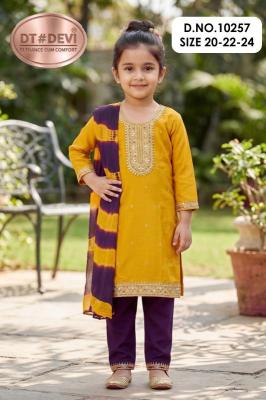
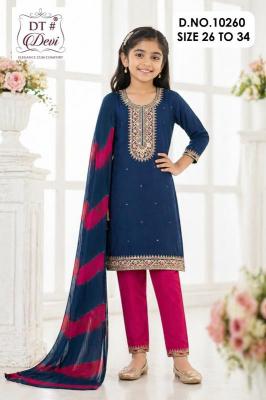
Kurti sets have become commercially useful because they provide customers with a more complete look. A coordinated kurti and pant, or kurti-pant-dupatta combination, can command a different perceived value compared with a standalone kurti.
For boutiques and showroom owners, wholesale kurti sets can cover casual, office, festive and semi-party segments. Straight-cut sets, A-line designs, printed cotton sets, embroidered sets and designer three-piece combinations can be stocked at different retail price levels.
The advantage is convenience: customers do not have to search separately for a matching bottom or dupatta. Retailers can use this ready-coordinated appearance to create stronger visual merchandising both online and inside the store.
3. Plus-Size Women’s Wear as a Growing Inventory Segment
Size availability is an important commercial consideration in women’s clothing. Stores that concentrate only on standard sizes can miss customers looking for comfortable, properly proportioned larger sizes. For this reason, plus-size women’s wear wholesale can be developed as a dedicated category rather than treated as an occasional extension of regular collections.
Products Suitable for a Plus-Size Range
Retailers can evaluate plus-size kurtis, kurti-pant sets, printed ethnic sets, everyday dresses and selected festive styles. Comfort, fabric fall, sleeve design, garment length and consistent measurements matter especially in this category.
A shop that becomes known for reliable size availability may also gain repeat customers because buyers know they can return for new styles in familiar fits. That makes size consistency an important sourcing factor alongside design and wholesale price.
4. Sarees for Everyday, Festive and Occasion-Based Selling
Sarees provide retailers with access to several customer segments within one broad category. Cotton and printed sarees can address everyday requirements, while silk-look, designer, embroidered and festive sarees can be positioned for celebrations and occasions.
For sellers considering wholesale sarees for reselling, the commercial advantage comes from selecting the right assortment rather than simply stocking the maximum number of designs. A practical mix may include affordable regular sellers, trend-oriented designs and a smaller number of higher-value occasion pieces.
Seasonal Opportunities in Sarees
Wedding periods and festivals can create stronger interest in dressier products. Retailers should therefore plan procurement sufficiently early, particularly when stock must travel outside Surat or internationally. Waiting until a trend reaches peak demand can reduce the effective selling window.
Wholesale buyers serving India as well as markets such as Nepal, Australia and Canada should also account for destination-specific preferences, freight, delivery lead times and local festive calendars when selecting sarees or other ethnic categories for export.
5. Dress Materials for Customers Who Prefer Customisation
Ready-made clothing is convenient, but dress materials remain relevant for customers who prefer tailoring according to their own measurements and styling preferences. Cotton dress materials, printed sets, embroidered materials and festive suit materials can therefore complement a ready-made assortment.
This category can be particularly useful where customers have established relationships with local tailors or prefer personalised necklines, sleeves and fitting. Buyers looking for dress material wholesale should compare fabric quality, print clarity, dupatta combination, colour consistency and catalogue presentation before deciding quantities.
For retailers visiting Surat, manufacturing and wholesale networks around Ring Road, Sahara Darwaza and neighbouring textile areas provide access to a wide variety of ethnic products. Buyers purchasing online can similarly compare catalogues and specifications before committing to larger quantities.
6. Pakistani Suits and Premium Ethnic Fashion
Pakistani-style suits can give a retailer a visually distinctive product segment. Longer silhouettes, elegant neck detailing, embroidery, coordinated dupattas and refined colour palettes make this category suitable for customers who want something different from basic everyday ethnic wear.
Depending on fabric and workmanship, the segment can cover affordable fashion as well as premium occasion wear. A retailer should therefore avoid treating every Pakistani-style suit as the same commercial product. Printed daily-wear designs and heavily embroidered festive pieces serve different customers and have different stock-turn expectations.
Use a Balanced Price Ladder
A practical catalogue can include entry-level, mid-range and selected premium options. This gives sales staff and online resellers alternatives when a customer likes the style but has a different budget.
Vastralife’s wholesale and export experience since 2017 contributes practical industry knowledge of sourcing and supplying women’s fashion products to different buyer profiles. For wholesale customers, consistent product quality, dependable information and access to fresh collections are important alongside the headline purchase rate.
7. Festive and Designer Ethnic Wear
Festive wear can generate attractive transaction values, although it should normally be planned more carefully than everyday inventory. Anarkali suits, embroidered sets, designer kurtis, sharara styles and celebration-oriented outfits can perform strongly around weddings and festivals when purchased for the right customer profile.
Retailers should work backwards from the selling season. Consider procurement, processing, transportation, merchandising and the number of weeks required to sell the stock before the occasion passes. This becomes even more important for women’s clothing export orders where transit and customs processing can affect the usable selling period.
By 2026, fashion discovery is increasingly fast, so a retailer may benefit from purchasing trend-led pieces in controlled quantities while maintaining dependable evergreen products as the core inventory.
8. Indo-Western and Contemporary Women’s Wear
Indo-western styles can help boutiques reach customers who want traditional influences without a completely conventional look. Co-ord sets, fusion kurtis, tunics, contemporary dresses and modern ethnic combinations can work well for younger buyers and social-media-driven selling.
This segment is particularly suitable for retailers that update their merchandise frequently. Trend cycles can be shorter, so buyers should monitor actual customer response rather than automatically repeating large quantities of every fashionable design.
Use New Arrivals to Create Store Activity
Regular new arrivals give existing customers a reason to check a WhatsApp catalogue, social page or physical showroom again. Instead of depending only on discounts, retailers can create engagement by showing fresh products, styling combinations, new colours and limited catalogue arrivals.
Wholesaleexport.in provides multi-category sourcing options for retailers who want to compare current ethnic and women’s fashion collections while planning their next purchase.
How to Build a Profitable Multi-Category Inventory
The strongest inventory strategy is rarely to put all available capital into one category. A retailer can instead divide purchasing according to demand behaviour. Everyday products can form the foundation, trend products can keep the assortment fresh, and festive or premium products can increase average transaction value during suitable periods.
Core Inventory
Core inventory can include products with relatively regular demand such as kurtis, kurti sets, cotton clothing, dress materials and selected sarees. These products are intended to keep sales moving between major festive seasons.
Trend Inventory
Trend inventory can include current silhouettes, popular prints, co-ord sets, new cuts and fashion-driven ethnic styles. Quantities may initially be controlled until the retailer sees genuine customer response.
Occasion Inventory
Festive suits, premium sarees, designer ethnic sets and wedding-related products can form the occasion segment. Their purchasing cycle should correspond with the retailer’s regional calendar and customer demand.
When all three groups are combined carefully, a shop can serve multiple buying occasions instead of depending on a single sales season.
How to Calculate Real Profit Before Buying Wholesale Stock
A profitable category should be judged by more than the difference between purchase price and selling price. Retailers need to calculate the complete landed cost of each product. This can include the wholesale purchase rate, GST where applicable, transportation, packaging, payment charges, marketplace commission, advertising expenditure and other operating costs connected with the sale.
For example, a product purchased at an attractive wholesale rate may appear highly profitable initially. However, if it requires heavy advertising or repeated discounting before it sells, the final margin can be considerably lower. On the other hand, a fast-moving kurti or ethnic set with a moderate per-piece margin may generate more total profit because the same working capital rotates several times.
This is particularly important for home-based clothing resellers and growing boutiques. Instead of asking only, “How much margin can I add?”, buyers should also ask, “How quickly can I recover and reinvest this money?”
Track Profit Category by Category
Maintain a simple record for each category showing purchase quantity, average buying price, selling price, units sold, discount given and remaining inventory. Within a few buying cycles, this information can reveal which categories deserve more investment.
A store may discover, for example, that cotton kurtis generate frequent repeat orders, three-piece sets create higher average bills, and premium festive products deliver stronger rupee margins during specific months. These insights are more useful than assuming that one category is universally the most profitable.
How Much Stock Should a New Retailer Purchase?
New buyers often make one of two mistakes: purchasing too little variety or investing too heavily in one catalogue. A better approach is to build assortment first and increase depth after actual customer demand becomes visible.
For a new home-based seller or boutique, controlled wholesale quantities make it possible to test several categories, fabrics, price bands and customer preferences. Once a particular style begins generating repeat enquiries, the buyer can increase quantity or source related designs.
This is where access to low MOQ wholesale clothing can be useful. Smaller starting quantities can reduce the amount of capital locked in untested designs while allowing the seller to maintain variety.
Variety Versus Quantity
If a boutique has a limited purchasing budget, ten carefully selected designs may sometimes provide a better test than investing the same amount in a large quantity of one design. Variety allows customers to reveal what they actually prefer.
Once sales data becomes available, quantities can be increased strategically. This creates a purchasing cycle based on evidence rather than guesswork.
Internal Linking: Explore Related Wholesale Categories
Buyers who want to expand into family and festive segments can explore kids wear wholesale alongside women’s products. Adding selected complementary categories can help retailers serve existing customers without completely changing their business model.
For stores targeting weddings, festive seasons and premium ethnic customers, the wholesale lehenga market in Surat is another relevant sourcing segment to explore when planning higher-value occasion inventory.
How Different Retailers Can Choose Their Product Mix
The ideal combination depends heavily on how and where the products are sold. A WhatsApp reseller, neighbourhood retail store and premium boutique may all source from the same wholesale market but require very different assortments.
Home-Based Sellers
Home-based sellers can focus on visually attractive products that are straightforward to present through photographs and videos. Kurtis, kurti sets, ready-made suits, affordable sarees and selected festive products can be practical starting categories.
Because working capital may initially be limited, frequent smaller purchases can sometimes be more manageable than building a very large inventory. New arrivals can also be shared regularly through WhatsApp Status, Instagram and customer groups.
Boutique Owners
Boutiques generally benefit from differentiation. Instead of competing only on the lowest price, they can focus on curated designs, premium fabrics, embroidered sets, distinctive Pakistani-style suits, plus-size options and limited-stock collections.
Presentation also matters. Good product photography, styling suggestions, coordinated accessories and personalised service can help a boutique create additional perceived value around the merchandise.
Shop and Showroom Owners
Physical stores usually require broader inventory because different customers walk in with different budgets and requirements. Maintaining entry-level, mid-range and premium options can reduce the chance of losing a customer simply because the available price range is too narrow.
A showroom can also dedicate separate areas to everyday ethnic wear, premium suits, sarees, plus-size clothing and seasonal collections. This makes the assortment easier for customers to understand.
Wholesale Buyers and Resellers
Higher-volume buyers should pay particular attention to repeatability, supplier consistency and replenishment. A strong-selling product loses some of its commercial value if a buyer cannot source similar merchandise again when customers request it.
For these buyers, dependable women’s clothing wholesale suppliers, catalogue updates, quality control and clear product information can be as important as the lowest possible buying rate.
Surat as a Women’s Wear Sourcing Hub
Surat has developed a broad textile ecosystem that includes fabric, processing, trading, manufacturing, ready-made clothing and distribution. Areas associated with the Surat textile market, Ring Road and Sahara Darwaza give buyers exposure to numerous product segments and price ranges.
For buyers visiting physically, market research can involve comparing fabrics, stitching, catalogue ranges and supplier terms. Online wholesale sourcing makes it possible for buyers outside Surat to access many of these products without travelling for every purchase.
Wholesaleexport.in helps connect this digital purchasing approach with multi-category wholesale sourcing. Buyers can evaluate products according to their customer profile and order requirements rather than being restricted to a single women’s wear segment.
Manufacturing and Quality Matter to Repeat Business
A low purchase price may help secure the first transaction, but product quality influences whether the customer returns. Stitching, fabric feel, colour, finishing, measurement accuracy and overall presentation all contribute to the final retail experience.
This is why premium product quality should be considered part of the profit strategy. Fewer complaints and stronger customer confidence can be valuable for long-term business development.
Women’s Wear Opportunities for Export Buyers
Indian ethnic fashion has customers beyond the domestic market, but international buyers should build assortments according to the destination rather than simply exporting whatever performs well locally.
For markets such as Nepal, retailers can evaluate ethnic sets, sarees, kurtis and festive collections according to local demand and seasonal calendars. For Australia and Canada, Indian community demand can create opportunities around festivals, weddings, cultural events and everyday ethnic fashion.
International buyers should calculate freight, customs requirements, delivery time and landed price before confirming a wholesale order. A product that provides an attractive retail margin in India may have a different cost structure after export expenses are added.
Vastralife has been involved in wholesale and export since 2017, providing experience with the practical requirements of serving different types of wholesale buyers. For international sourcing, accurate product selection and dependable quality become especially important because replacement and reverse logistics are more complicated across borders.
2026 Inventory Strategy: Evergreen Products Plus Trend Collections
A balanced women’s wear business does not need to choose between timeless products and fashion trends. Both can serve different purposes.
Evergreen products such as everyday kurtis, practical suit sets, cotton garments and selected sarees can provide continuity. Trend collections create freshness and can attract customers who follow social media fashion closely.
For 2026, retailers can consider keeping the majority of their working inventory in proven categories while using a controlled portion of purchasing capital to test emerging designs. If a trend begins selling quickly, the buyer can replenish it while demand remains active.
Use Customer Enquiries as Purchasing Data
Not every useful signal comes from completed sales. Repeated questions such as “Do you have this in XXL?”, “Is another colour available?”, “Do you have a matching dupatta?” or “Can you show something under this budget?” provide valuable sourcing information.
Recording these enquiries can reveal inventory gaps. If customers repeatedly request larger sizes, the retailer may need a stronger plus-size section. If customers continually ask for complete three-piece sets, additional investment in coordinated ethnic sets may be justified.
Common Buying Mistakes That Reduce Clothing Profit
Buying Only Because the Wholesale Price Is Low
Cheap stock is not automatically profitable stock. If customers do not want the design, even a low purchase rate can result in blocked capital and eventual clearance discounts.
Purchasing Too Deeply Into One Trend
Fashion demand can change quickly. Testing a new trend before committing heavily can reduce inventory exposure.
Ignoring Size Demand
A beautiful catalogue can still perform poorly if the available sizes do not match the store’s customers. Track actual size-wise sales and enquiries before replenishment.
Ignoring Season and Delivery Time
Festival stock needs enough time to reach the retailer and sell before the event. This is especially important for export customers, where transportation and customs can extend the sourcing cycle.
Competing Only on Price
Price matters, but constantly reducing the retail rate can weaken margins. Product selection, availability, customer service, presentation, trustworthy quality and fresh arrivals can provide additional reasons for customers to buy.
Customer FAQs
1. Which women’s wear category is suitable for regular wholesale reselling?
Kurtis, kurti sets, everyday ethnic wear, dress materials and selected sarees can be considered for regular selling because they address broad customer requirements. The best combination depends on the retailer’s location, customer age group, budget and sales channel.
2. Are plus-size women’s clothes suitable for wholesale business?
Yes. Plus-size kurtis, ethnic sets and comfortable ready-made garments can help a retailer serve customers who may not find sufficient variety in standard-size collections. Accurate measurements and consistent sizing are particularly important.
3. Should a new reseller buy many pieces of one design?
For an untested product, it can be more practical to begin with controlled quantities and observe customer response. Once a design, fabric or price range proves successful, the reseller can increase purchasing accordingly.
4. Can I source women’s clothing from Surat online?
Yes. Online wholesale platforms such as Wholesaleexport.in allow buyers to explore different product categories remotely. Before ordering, buyers should review product details, quantities, payment terms and shipping requirements relevant to their location.
5. What products can boutiques stock for better variety?
A boutique can combine kurtis, coordinated sets, Pakistani-style suits, designer ethnic wear, plus-size products, sarees and selected festive collections. Maintaining different price bands can help serve more customer budgets.
6. Can wholesale women’s clothing be exported outside India?
Yes, subject to the relevant shipping, customs and import requirements. Buyers should calculate landed cost and delivery lead time before selecting stock for an overseas market.
7. Is premium clothing more profitable than budget clothing?
Not necessarily. Premium clothing may provide a higher rupee margin per transaction, while affordable fast-moving products may rotate more frequently. Retailers should evaluate both margin and stock turnover.
8. How can I identify fast-moving products?
Track actual sales, repeat orders, customer enquiries, size requests, catalogue responses and replenishment frequency. Products that consistently sell without heavy discounting are stronger candidates for repeat purchasing.
Build Your Next Profitable Wholesale Collection
A stronger women’s fashion business begins with selecting products for real customer demand rather than purchasing stock only because it is fashionable or inexpensive. Combine everyday sellers with fresh trends, maintain useful size and price options, monitor stock rotation and increase investment in categories that repeatedly perform.
At Wholesaleexport.in, wholesale buyers, shop owners, boutique owners, showroom owners, home-based sellers and resellers can explore Latest Collections, competitive Wholesale Pricing, Trendy Ethnic Wear and multiple product options for building a commercially balanced inventory.
Buyers can also benefit from Fast Shipping, available COD Support as applicable, Bulk Order Deals and Quality Products Starting From ₹299. Whether you are testing your first collection or expanding an established wholesale business, the goal is to purchase products that match your customers, budget and selling cycle.
Contact: +91 9712582172
Website: wholesaleexport.in
Explore new arrivals, compare categories and start planning your next wholesale purchase with a product mix designed for repeat sales, healthier inventory movement and sustainable business growth.