


Best Wholesale Kurti Supplier in India: Complete Buying Guide 2026
Best Wholesale Kurti Supplier in India: Complete Buying Guide 2026
India's ethnic wear market continues to create strong opportunities for retailers who understand what modern customers actually want: comfortable fabrics, attractive designs, wearable fits and reasonable pricing. Kurtis remain especially important because they work across everyday wear, office fashion, festive occasions, college wear and family functions. For sellers, however, success begins much earlier than the final sale. Choosing dependable products, understanding wholesale costs and working with a supplier capable of providing fresh collections consistently can directly influence inventory turnover and customer satisfaction.
Introduction
Finding the best wholesale kurti supplier in India is not simply about locating the lowest price. A profitable supplier relationship depends on product quality, design variety, size availability, stock consistency, communication, dispatch reliability and the ability to introduce new collections according to changing fashion demand.
This matters particularly in 2026, when customers can discover new ethnic wear trends instantly through Instagram, marketplaces, influencers and online boutiques. A design that becomes popular today can quickly generate enquiries across different cities. Shop Owners and Boutique Owners therefore need access to suppliers who can respond to trends without compromising fabric or finishing.
India has several major garment sourcing centres, but Surat has developed a strong position in women's ethnic fashion. The city's textile ecosystem connects fabric suppliers, processors, traders, wholesalers and manufacturing businesses, making it possible to source kurtis across multiple categories and price levels.
Wholesaleexport.in is designed for buyers looking to discover wholesale ethnic wear online without depending entirely on traditional market visits. For Home-Based Sellers, established retailers and businesses exploring larger wholesale purchases, access to organised product collections can make sourcing more efficient.
Why Kurtis Remain a Strong Wholesale Business Category
A major advantage of the kurti category is its broad customer base. Unlike some ethnic outfits that are purchased mainly for weddings or festivals, kurtis can be sold throughout the year. Customers may purchase a simple cotton kurti for everyday use, a rayon kurti for casual outings, an embroidered kurti for festive occasions or a complete kurti set for a more coordinated look.
This versatility gives retailers multiple opportunities within one product category. A store can maintain affordable daily-wear styles while simultaneously offering premium designer pieces. It can also introduce seasonal collections without completely changing its core inventory.
Everyday Kurtis Create Repeat Demand
Daily-wear kurtis generally focus on comfort, easy maintenance and practical styling. Cotton, rayon and blended fabrics can appeal to customers who want garments for work, home, travel or routine outings.
For Resellers and Home-Based Sellers, this category can be useful because customers who are satisfied with the fit and quality may return for additional colours and designs. Repeat purchases can reduce the constant need to find new customers.
Kurti Sets Can Increase Average Selling Value
Kurti-pant sets, kurti-pant-dupatta sets and coordinated ethnic sets offer a complete look. Customers do not need to search separately for matching bottoms or dupattas, which adds convenience and can support a higher retail ticket value.
For Boutique Owners, these coordinated styles also photograph well for social media. A professionally presented three-piece set can communicate more perceived value than an isolated garment, especially when the fabric, embroidery and styling are clearly visible.
Festive Kurtis Add Seasonal Sales Potential
Festive periods can generate demand for embroidered kurtis, Anarkali silhouettes, zari work, mirror-inspired detailing, sequins, prints and richer fabrics. Retailers can plan these collections before major Indian festivals and wedding seasons rather than waiting until demand reaches its peak.
The right inventory mix therefore allows sellers to generate everyday sales while keeping premium options available for higher-value occasions.
What Defines the Best Wholesale Kurti Supplier in India?
A professional supplier should help a retailer solve business problems, not create new ones. Buyers need merchandise they can confidently show to customers, along with sufficient information to make purchasing decisions.
1. Consistent Product Quality
Fabric appearance alone does not determine garment quality. Retailers should also consider stitching, finishing, sizing consistency, colour presentation, embroidery quality and overall construction.
A customer may initially purchase because of an attractive photograph, but repeat business depends on what arrives in the parcel. This is why premium product quality and realistic product presentation are important when selecting wholesale inventory.
2. Variety Across Different Price Segments
Not every retailer serves the same customer. A Home-Based Seller may need affordable fast-moving pieces, while a premium boutique may prefer designer collections with a higher retail value.
The best wholesale kurti supplier in India should ideally provide enough variety for buyers to select products according to their own audience rather than forcing every buyer into the same category.
Useful wholesale categories may include cotton kurtis, rayon kurtis, printed kurtis, embroidered kurtis, feeding kurtis, plus-size kurtis, office-wear styles, designer kurtis, kurti-pant sets, three-piece sets, Anarkali kurtis and festive collections.
3. Transparent Wholesale Price Information
Wholesale buying decisions depend heavily on the relationship between purchase price and expected retail value. The cheapest garment does not necessarily provide the highest profit if customers dislike its fabric or fitting.
Retailers should compare the complete commercial value: design, quality, size availability, market demand and potential selling price. A slightly better product may sometimes produce stronger repeat business and fewer customer complaints.
4. Fresh Collections and Regular New Arrivals
Fashion inventory has a limited selling window. Customers following online fashion pages are regularly exposed to new colours, silhouettes and styling concepts. Suppliers who continuously introduce new arrivals give retailers more opportunities to refresh their displays and social media content.
This is particularly useful for Instagram sellers and WhatsApp Resellers, where posting the same merchandise repeatedly can reduce customer engagement.
Why Surat Is Important for Wholesale Kurti Sourcing
Surat is widely recognised as one of India's major textile trading and production centres. Its extensive ecosystem allows buyers to explore fabrics, sarees, dress materials, kurtis and other women's ethnic wear through interconnected wholesale markets and businesses.
The surat textile market region around ring road and sahara darwaza is especially familiar to textile buyers. The concentration of suppliers creates access to different qualities, designs and commercial segments within a relatively compact textile business ecosystem.
Access to a Large Textile Ecosystem
One advantage of Surat sourcing is the connection between fabric production, processing, designing, stitching, wholesale distribution and logistics. These capabilities help the market respond quickly when certain styles begin receiving stronger demand.
For buyers searching for a kurti wholesaler in Surat, the challenge is therefore not simply finding products. It is identifying suppliers and collections that match the buyer's target customer and expected retail positioning.
Suitable for Small and Large Buyers
Surat serves multiple levels of the textile trade. Depending on the supplier and collection, buyers may include local retailers, online Resellers, Boutique Owners, Showroom Owners and larger Wholesale Buyers.
Online wholesale platforms can make this ecosystem more accessible to businesses that cannot frequently travel to Surat. Instead of spending time visiting numerous physical markets, buyers can shortlist collections digitally before placing orders.
Important Kurti Categories Wholesale Buyers Should Consider
Building profitable inventory is usually easier when products are selected according to customer needs rather than simply purchasing whatever is newly launched. A balanced kurti collection can include everyday, occasion-based and specialised categories.
Rayon Kurtis
Wholesale rayon kurtis remain useful for retailers because the fabric can offer comfortable drape, attractive prints and versatile styling. Rayon collections can be positioned for casual wear, office use and everyday ethnic fashion depending on the design.
Retailers should inspect fabric feel, stitching and shrinkage-related information where applicable instead of evaluating a rayon kurti only by catalogue photography.
Cotton Kurtis
Cotton kurtis are an important category for customers who prioritise comfort and breathable clothing. Printed patterns, straight cuts, A-line shapes and contemporary styling can help retailers maintain variety within the segment.
Demand can be particularly strong during warmer seasons, although comfortable cotton ethnic wear can remain relevant throughout much of the year in many Indian markets.
Designer Kurtis
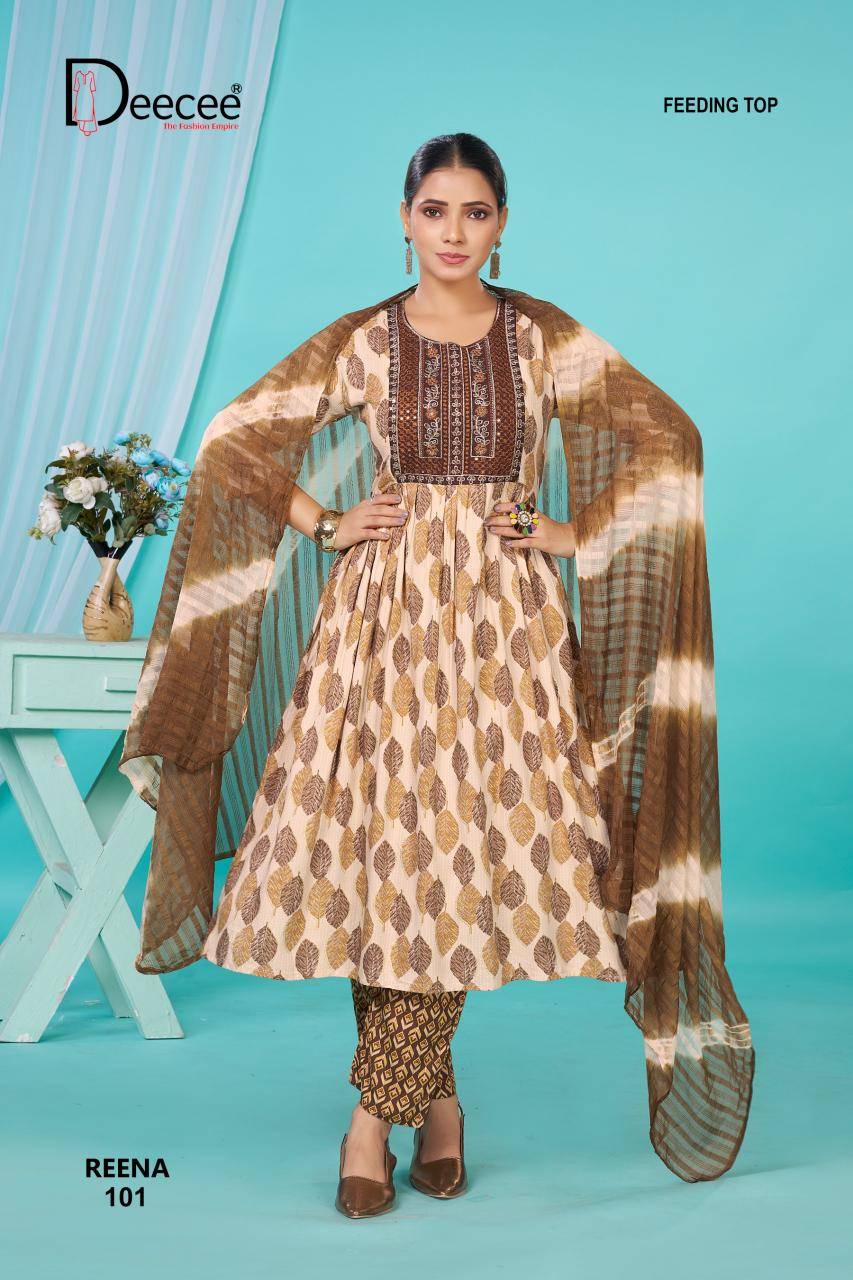
Designer kurtis wholesale collections can serve boutiques and stores seeking stronger visual appeal. Embroidery, distinctive necklines, premium prints, handwork-inspired detailing and coordinated bottoms can help create a more premium presentation.
These products should not be purchased solely because they look expensive. Boutique Owners should consider whether the design suits their existing customers and whether the final retail price remains reasonable for the target market.
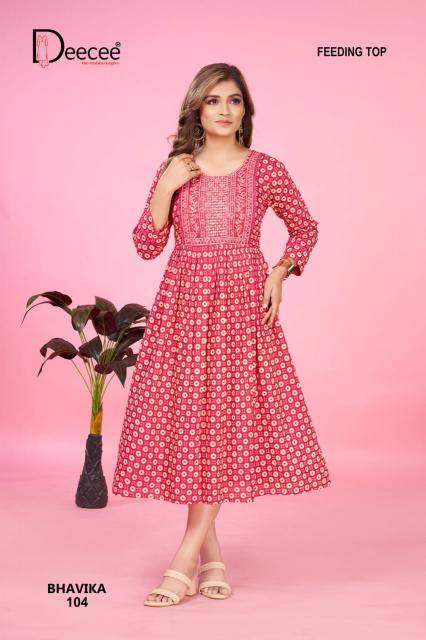
Feeding and Maternity-Friendly Kurtis
Specialised clothing can create an opportunity for retailers to serve a more specific customer need. Feeding kurtis combine ethnic styling with functional construction intended to provide greater convenience for nursing mothers.
This category can be especially relevant for online sellers because customers often search specifically for functional garments rather than discovering them only through general fashion browsing.
Plus-Size Kurtis
A retailer that carries only a narrow size range can lose customers even when its designs are attractive. Including larger sizes where available can broaden the addressable audience and create repeat business from customers who appreciate dependable sizing options.
Before ordering, buyers should verify the actual size chart rather than assuming that labels such as XL, XXL or 3XL are identical across every manufacturer.
How Boutique Owners Should Select Wholesale Kurtis
Boutique inventory should feel curated. Buying too many unrelated styles can make a boutique look like a general catalogue rather than a destination with a recognisable fashion identity.
One practical method is to decide on several customer profiles. For example, a boutique might serve working women seeking sophisticated everyday wear, younger customers interested in contemporary kurti sets and families shopping for festive ethnic outfits.
Collections can then be selected specifically for these audiences.
Start With Controlled Quantities
New designs should be tested before a large amount of capital is committed. Customer enquiries, WhatsApp responses, website clicks and actual sales can reveal whether a style deserves a larger reorder.
This approach helps Boutique Owners maintain fresh inventory while reducing the risk of accumulating slow-moving merchandise.
Study Colours and Sizes That Actually Sell
Business decisions become stronger when they are based on sales records rather than assumptions. Retailers should track successful sizes, colour families, fabrics and selling prices.
Over time, this information creates a personalised purchasing strategy. Two boutiques in the same city may discover that their customers respond to completely different collections.
Wholesaleexport.in for Kurti Wholesale Buying
Wholesaleexport.in focuses on helping business buyers discover wholesale fashion collections suitable for resale. Instead of limiting the selection to one type of kurti, retailers can evaluate different styles and price points according to their customer requirements.
The platform can be useful for Home-Based Sellers, Shop Owners, Boutique Owners, Showroom Owners, Resellers and Wholesale Buyers who want to explore wholesale ethnic fashion online.
The business is supported by Vastralife's wholesale and export experience since 2017. Years of involvement in textile sourcing and wholesale trade contribute practical industry expertise regarding product selection, retailer requirements and changing ethnic-fashion demand.
This experience becomes especially relevant when buyers need more than attractive catalogue pictures. Successful wholesale sourcing requires understanding what can realistically move through retail channels at different budgets.
Wholesale Kurti Opportunities Beyond India
Indian ethnic wear also has an established customer base outside India. Retailers serving Indian communities and customers interested in South Asian fashion can build kurti assortments for festivals, cultural gatherings, family functions, everyday wear and gifting.
For this guide, three markets worth considering are USA, Australia and Nepal. Each market has different customer preferences, logistics costs and retail pricing structures, so international buyers should plan inventory according to local demand rather than simply copying an Indian retail assortment.
Kurti Export for USA Buyers
Retailers in the USA can target Indian diaspora customers as well as shoppers interested in contemporary ethnic fashion. Kurti sets, festive collections, comfortable cotton garments and designer pieces can serve different occasions.
International buyers should calculate landed cost carefully because freight and destination expenses influence the final retail margin.
Indian Kurtis for Australia
Australian ethnic-wear retailers can build seasonal collections around Indian festivals, weddings and community events. Lightweight fabrics and versatile styling may also be attractive for everyday use depending on the customer base.
For export purchasing, product value should always be considered together with shipping efficiency and expected local retail price.
Wholesale Kurti Demand in Nepal
Nepal is another relevant market for Indian women's ethnic wear. Retailers can select everyday kurtis, coordinated sets and festive collections according to local demand and purchasing capacity.
Buyers should understand the full landed cost, including applicable logistics and destination expenses, before calculating the final resale margin.
For international orders, this disciplined approach becomes even more important. Buyers should compare product cost, quantity, assortment, expected selling price and shipping expenses before finalising bulk inventory. The objective is not merely to purchase at a low wholesale rate, but to build a collection that remains commercially attractive after all operating costs are considered.
How to Calculate Profit Before Buying Wholesale Kurtis
Wholesale purchasing becomes more profitable when retailers calculate margins before placing an order rather than deciding the selling price after receiving stock. The calculation should include the product purchase price, GST where applicable, transportation, packaging, marketplace commission, payment charges, advertising expenses and expected returns or exchanges.
For example, a kurti purchased at an attractive wholesale price may appear highly profitable initially. However, if the seller depends heavily on paid advertising or marketplace commissions, the actual net margin can be considerably lower. Boutique Owners and Resellers should therefore calculate the complete landed cost of every collection.
Do Not Compete Only on the Lowest Price
Low pricing can attract customers, but continuously competing only on price can reduce profitability. Instead, sellers can create value through better product selection, accurate sizing information, genuine product images, responsive service, attractive packaging and faster dispatch.
A customer who trusts a retailer may be willing to pay slightly more for dependable quality. This is one reason experienced sellers focus on product value rather than simply searching for the cheapest kurti supplier.
Maintain Different Retail Price Bands
A practical kurti business can carry several price segments. Entry-level products attract budget-conscious customers, mid-range collections support regular sales, and premium designs can generate higher value per transaction.
This strategy also helps a retailer avoid dependence on one customer group. Home-Based Sellers can begin with affordable products and gradually introduce premium pieces after understanding their audience.
Smart Inventory Strategy for Kurti Retailers in 2026
One of the biggest mistakes in wholesale garment buying is investing too much money in a single design simply because it looks attractive. Fashion demand is difficult to predict perfectly. A better approach for 2026 is to maintain variety while using actual customer response to guide repeat purchases.
Use a Test-and-Restock Model
Retailers can initially purchase controlled quantities across different colours, fabrics and silhouettes. Products receiving stronger enquiries or faster sales can then be considered for restocking, subject to availability.
This approach can improve inventory rotation and preserve working capital for new collections.
Balance Evergreen and Trend-Based Products
Not every kurti in the store needs to follow a short-lived fashion trend. Straight-cut kurtis, comfortable rayon styles, cotton prints and simple kurti sets can form an evergreen foundation.
Alongside these, retailers can introduce trending necklines, contemporary prints, seasonal colours, embroidered pieces and festive collections. The combination helps create consistency without making the inventory look outdated.
Plan Inventory Around Customer Occasions
Retailers should think about why customers are purchasing. Everyday wear, office clothing, college fashion, travel, festivals, weddings and gifting all create different requirements.
A customer buying an office kurti may prioritise comfort and subtle styling, while a festive buyer may focus more heavily on embroidery, colour and overall presentation. Understanding this difference helps Wholesale Buyers make better purchasing decisions.
Online Wholesale Buying Can Save Retailers Time
Traditional textile sourcing often requires travelling to markets, visiting multiple suppliers, comparing catalogues and coordinating dispatch separately. Physical market visits remain valuable, but digital sourcing can make regular inventory purchasing significantly more convenient.
Buyers exploring feeding kurtis for women can review specialised products according to their customer requirements. Retailers looking to diversify beyond kurtis can also explore categories such as wholesale Pakistani suits for a broader ethnic-wear assortment.
Online wholesale sourcing is particularly useful for buyers outside Surat because collections can be evaluated without repeatedly travelling to the surat textile market, ring road or sahara darwaza area.
Product Information Matters in Online Wholesale
When products are selected remotely, buyers should review available information carefully. Fabric, sizes, work details, colour variations, set contents and wholesale terms can influence whether the collection is suitable for the intended customer.
Professional catalogue presentation also helps Resellers because good product visuals can support WhatsApp, Instagram and other digital selling activities.
How Home-Based Sellers Can Start a Kurti Business
A kurti business does not necessarily require a large showroom from the beginning. Home-Based Sellers can start with a carefully selected assortment and use digital channels to reach customers.
Choose a Clear Customer Segment
Instead of trying to sell everything, new sellers can begin with one or two categories such as affordable daily-wear kurtis, kurti sets, plus-size styles, office wear or feeding kurtis.
A focused product identity makes marketing easier. Customers can quickly understand what the seller specialises in.
Use WhatsApp and Social Media Consistently
Product photographs, short videos, styling suggestions, size information and new-arrival updates can be shared regularly. Sellers should avoid posting only prices; explaining fabric, fit, occasion and styling can make content more useful.
Customer reviews and repeat-purchase feedback can gradually build trust, particularly for sellers who operate without a physical storefront.
Reinvest in Products That Sell
Early profits should be used carefully. Instead of immediately expanding into dozens of categories, sellers can reinvest in proven products and gradually test additional designs.
This creates a more sustainable path from small-scale reselling to a larger boutique or retail operation.
What Shop and Showroom Owners Should Look for in a Supplier
Established Shop Owners and Showroom Owners usually have different requirements from new Resellers. They may need broader variety, dependable stock movement and collections capable of filling multiple retail price points.
A potential best wholesale kurti supplier in India should therefore be evaluated on long-term reliability rather than one successful order.
Regular Collection Updates
Retail customers expect stores to look fresh. Regular new arrivals encourage existing customers to visit again and give retailers new material for advertising.
Reliable Quality Across Repeat Orders
Consistency is particularly important for established retailers because their reputation is connected to every garment sold. Poor stitching or unpredictable sizing can affect customer confidence even if the retailer did not manufacture the product.
Commercially Useful Product Variety
A supplier offering multiple wholesale categories can make purchasing easier. Retailers may combine rayon kurtis, cotton styles, embroidered kurtis, kurti sets, festive garments and specialised collections according to their sales pattern.
Manufacturing and Sourcing Advantages of Surat
Surat's strength comes from more than the number of shops operating in the city. Its wider textile infrastructure supports fabric processing, designing, garment production, trading, packaging and transportation.
This manufacturing and wholesale ecosystem helps new fashion collections reach the market quickly. For retailers, faster product development can mean greater access to fresh designs throughout the selling season.
Wholesaleexport.in connects its wholesale approach with this broader textile ecosystem while serving buyers who prefer convenient online product discovery.
Internal Linking and Product Discovery
Wholesale buying works best when retailers treat product discovery as an ongoing process. A store that sells kurtis today may later expand into coordinated sets, Pakistani-inspired ethnic wear, sarees, dress materials or other women's fashion categories according to customer demand.
Internal category exploration can also help buyers compare price bands and identify products that complement their current inventory. For example, a boutique selling premium kurtis may add selected festive suits, while a Home-Based Seller focused on practical clothing may build deeper inventory in comfortable everyday styles.
The objective should be controlled expansion. Every new category should have a clear reason for being added: existing customer demand, seasonal opportunity, improved average order value or access to a new customer segment.
Why Experience Matters When Selecting a Wholesale Partner
Textile wholesale involves much more than uploading catalogues. Understanding fabrics, fashion cycles, retailer expectations, sourcing, quality positioning and dispatch requirements develops through continuous industry experience.
Vastralife has been involved in wholesale and export since 2017, building experience with different textile products and buyer requirements. That background contributes industry understanding to the wholesale sourcing approach associated with Wholesaleexport.in.
For buyers, experience matters because purchasing decisions directly affect cash flow. A retailer needs products that are not only visually attractive but also commercially suitable for resale.
Whether a buyer operates in India or serves customers in markets such as the USA, Australia or Nepal, the underlying principle remains the same: select products according to customer demand, calculate the complete cost and maintain quality standards that encourage repeat purchases.
Customer FAQs
1. How do I choose the best wholesale kurti supplier in India?
Compare suppliers based on product quality, wholesale pricing, fabric options, size availability, new-arrival frequency, catalogue clarity and dispatch support. Do not choose solely on the lowest price. The best supplier for your business should provide products that match your customers and allow a practical resale margin.
2. Is Surat a good place to source wholesale kurtis?
Yes. Surat has a large textile ecosystem covering fabrics, processing, garment manufacturing, wholesale trading and logistics. The surat textile market and surrounding commercial areas such as ring road and sahara darwaza are widely associated with textile sourcing.
3. Which kurti categories are suitable for new Resellers?
New Resellers can consider comfortable rayon kurtis, cotton kurtis, printed styles and kurti-pant sets. The right category depends on the target customer's budget, age group and fashion preferences. Starting with controlled quantities can help identify what sells before increasing inventory.
4. Can Boutique Owners buy kurtis for premium customers?
Yes. Boutiques can focus on designer kurtis, embroidered collections, three-piece sets, Anarkali styles and other elevated ethnic-wear products. Product selection should reflect the boutique's positioning rather than simply following general market trends.
5. Can international buyers source Indian kurtis wholesale?
Wholesale and export buyers can explore Indian ethnic-wear collections for overseas markets. Before ordering, international buyers should calculate merchandise value, shipping and applicable destination costs to determine the final landed price and expected retail margin.
6. What is the minimum budget required to start selling kurtis?
There is no single budget that suits every business. A Home-Based Seller may begin with a relatively small curated assortment, while a showroom may require substantially larger inventory. The safer approach is to decide the customer segment first and then invest according to realistic sales capacity.
7. Which kurti fabrics are popular for wholesale business?
Rayon, cotton and various blended fabrics are commonly used across wholesale kurti collections. Premium and festive products may use different fabrics and embellishments depending on design. Retailers should evaluate comfort, finishing, styling and customer demand instead of selecting a fabric based only on popularity.
8. How can I improve my kurti business profit margin?
Track the complete landed cost, purchase products according to actual customer demand, avoid excessive dead stock, maintain different price segments and encourage repeat purchases. Better inventory rotation can be more valuable than simply increasing the markup on every garment.
Strong Wholesale Buying CTA
If you are building or expanding a kurti business in 2026, explore Wholesaleexport.in for wholesale ethnic-fashion sourcing designed around the requirements of Resellers, Home-Based Sellers, Boutique Owners, Shop Owners, Showroom Owners and Wholesale Buyers.
Discover Latest Collections with fresh styles suitable for changing retail demand. Compare Wholesale Pricing across different product segments and select merchandise according to your customer base rather than maintaining unnecessary inventory.
Explore Trendy Ethnic Wear for everyday, boutique, festive and specialised customer requirements. Buyers can also benefit from Fast Shipping, available COD Support according to applicable order terms, and Bulk Order Deals for suitable wholesale purchases.
Wholesaleexport.in also offers access to Quality Products Starting From ₹299, giving sellers opportunities to explore commercially attractive collections across different budgets. Product availability, individual collection prices and applicable order conditions may vary, so buyers should confirm current details while ordering.
For wholesale enquiries and assistance, contact +91 9712582172 and visit wholesaleexport.in.
Choosing the right products is one of the foundations of a successful ethnic-wear business. With careful inventory planning, reliable sourcing, sensible pricing and consistent customer service, retailers can build a kurti collection that attracts new buyers while encouraging existing customers to return.