


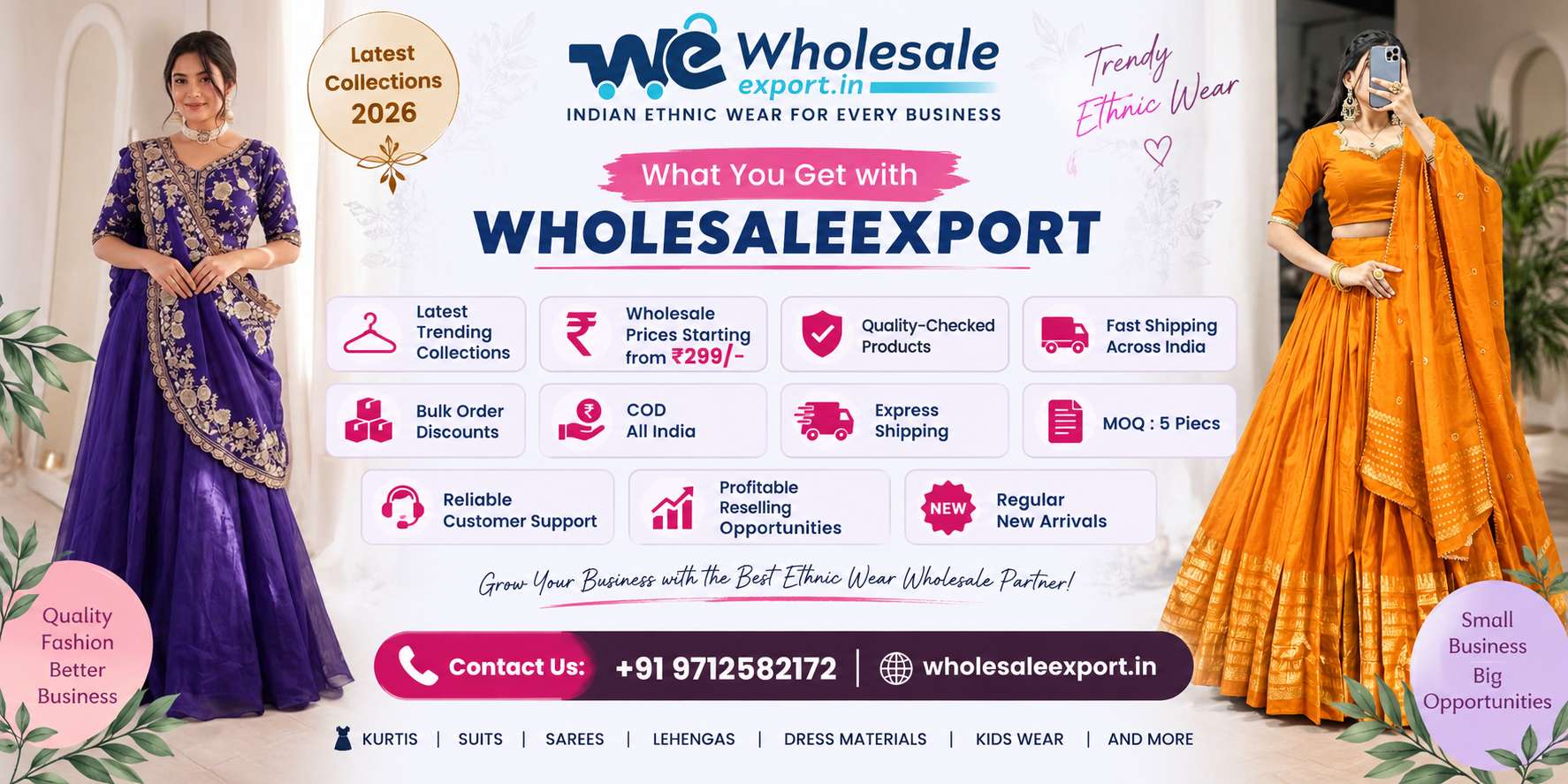
Best Wholesale Ethnic Wear Supplier for Small Businesses in 2026
Best Wholesale Ethnic Wear Supplier for Small Businesses in 2026
Starting or expanding an ethnic wear business becomes much easier when you can source fashionable products at practical wholesale rates without carrying unnecessary inventory. For home-based sellers, boutiques, resellers and growing retail stores, the right Surat supplier can provide access to fresh designs, manageable order quantities and multiple product categories from one sourcing point. Wholesaleexport.in connects buyers with Indian ethnic wear collections suitable for both domestic sales and selected international markets.
Introduction
The Indian ethnic wear business continues to create opportunities for sellers who understand their customers and maintain a fresh product range. Kurtis, kurti sets, sarees, dress materials, salwar suits, Pakistani suits, lehenga choli, co-ord sets and festive collections can serve different customer segments without forcing a retailer to depend on a single category.
For a small business, however, buying is very different from purchasing for a large chain. Capital has to be managed carefully. A seller needs enough variety to attract customers but cannot afford to lock excessive money into slow-moving stock. This is why choosing a dependable wholesale ethnic wear supplier for small businesses can influence inventory rotation, product variety and day-to-day purchasing decisions.
Surat remains an important sourcing destination because of its large textile ecosystem. Buyers searching around the surat textile market, Ring Road and Sahara Darwaza can find manufacturers, wholesalers, distributors and traders dealing in numerous categories of women’s clothing. Online wholesale sourcing has made the same ecosystem more accessible to buyers who cannot visit Surat regularly.
Wholesaleexport.in is designed for buyers looking to source Indian fashion products online while comparing new arrivals and wholesale options. The platform is particularly relevant to home-based sellers, shop owners, boutique owners, showroom owners, resellers and wholesale buyers who want to purchase stock for resale rather than shop as retail consumers.
What Small Businesses Should Look for in an Ethnic Wear Wholesaler
The lowest price should not be the only factor when selecting a supplier. A cheap product that does not match customer expectations can become expensive once unsold inventory, complaints and replacement issues are considered. Small businesses generally benefit more from balancing cost, quality, variety, availability and ordering flexibility.
Manageable Wholesale Order Quantities
Inventory control is one of the biggest concerns for a growing reseller. Large compulsory quantities may work for established wholesalers but can create unnecessary pressure for a new boutique or home-based seller. A supplier offering practical wholesale quantities gives smaller buyers an opportunity to test designs, understand local demand and reorder successful products.
This is especially useful for businesses selling through Instagram, Facebook, WhatsApp, marketplaces or their own websites. Instead of investing heavily in one style, sellers can create a broader catalogue across wholesale kurtis, suit sets, sarees, dress materials and seasonal products.
Fresh Designs and Regular New Arrivals
Fashion inventory has a limited selling window. Customers who regularly purchase ethnic wear want new colours, silhouettes, prints, embroidery and festive styles. Consequently, access to latest ethnic wear wholesale collections can be more valuable than maintaining a large quantity of outdated designs.
For the 2026 market, buyers can build assortments around everyday cotton wear, office-ready kurti sets, premium festive outfits, designer suits, wedding styles, embroidered collections, printed fabrics and modern Indo-western combinations. Product selection should reflect the actual customer base rather than simply following every new trend.
Consistent Product Quality
Product photography may generate the first inquiry, but actual fabric, stitching and finishing determine whether customers return. Small businesses often depend heavily on repeat buyers and referrals, making consistent quality particularly important.
A useful sourcing process considers fabric feel, colour presentation, stitching, finishing, embellishment quality, size availability and overall value at the relevant wholesale price point. Premium product quality does not necessarily mean every product must be expensive; it means the product should appropriately match its stated category and pricing.
Wholesale Ethnic Wear Categories Small Sellers Can Stock
A well-planned catalogue allows a reseller to serve several purchasing occasions. Instead of relying entirely on one category, businesses can combine everyday products with higher-value festive or occasion wear. This can create a healthier assortment across different customer budgets.
Kurtis and Kurti Sets Wholesale
Kurti wholesale suppliers in Surat serve one of the broadest segments of the women’s ethnic wear market. Straight kurtis, A-line styles, printed kurtis, embroidered designs, cotton kurtis, rayon styles, kurti-pant sets, three-piece sets and designer pieces can address everyday, office and occasion requirements.
For home-based sellers and online resellers, kurti sets are particularly practical because customers can purchase a coordinated outfit without selecting separate pieces. Sellers can create price bands covering affordable daily wear and more detailed premium designs.
Dress Materials and Salwar Suits
Dress material wholesale remains relevant for customers who prefer tailoring garments to their measurements and styling preferences. Cotton dress materials can serve everyday buyers, while muslin, silk-blend, embroidered, printed and designer options can target more premium demand.
Ready-to-wear and semi-stitched salwar suits give retailers another strong category. Depending on the market, buyers can consider Punjabi suits, Anarkali suits, Pakistani-inspired designs, straight suits and festive three-piece combinations.
Sarees for Everyday and Occasion Sales
A saree wholesaler in Surat can offer products across a wide price spectrum, allowing smaller businesses to build separate everyday, festive and premium selections. Printed sarees, cotton varieties, linen blends, georgette styles, organza looks, silk-inspired designs and party-wear collections can address different customer groups.
Rather than buying large quantities simply because a catalogue is attractive, retailers can consider their region, customer age group, average selling price and upcoming festivals before deciding which saree collections to stock.
Lehenga Choli and Festive Collections
Festive and wedding products can provide higher order values, especially for boutiques and showrooms serving occasion-wear customers. Wholesale lehenga choli collections can include lightweight festive designs, party-wear styles, wedding collections and premium embroidered pieces.
Demand can rise around Navratri, Diwali, wedding seasons and regional celebrations. Small sellers should therefore plan purchasing early enough to receive, photograph, promote and sell their inventory before peak demand begins.

Why Surat Is Important for Wholesale Ethnic Wear Sourcing
Surat has developed an extensive network around textile trading, processing, manufacturing, distribution and wholesale supply. For retailers, this concentration creates access to multiple fabrics, categories, designs and price points within the same sourcing ecosystem.
Ring Road is closely associated with Surat’s textile trade, while areas around Sahara Darwaza connect buyers to numerous textile markets and commercial establishments. This geographical concentration is one reason searches such as ethnic wear wholesale market in Surat, ladies garment wholesalers Surat and Surat clothing suppliers continue to attract buyers from different parts of India.
The advantage is no longer limited to buyers who physically visit the market. Digital catalogues, online ordering, WhatsApp communication and shipping networks allow businesses in other cities to source from Surat without making a purchasing trip for every collection.
Buying Wholesale Ethnic Wear Online in 2026
Online wholesale purchasing has changed how small fashion businesses manage inventory. A boutique in another state or a home-based reseller can review products remotely, discuss quantities and arrange delivery rather than travelling to a textile market for every restock.
Wholesaleexport.in provides a digital sourcing route for buyers searching for Indian ethnic wear wholesale online. Buyers can explore collections based on their customer profile and purchase products intended for resale. This approach can be particularly useful when frequent new arrivals matter more than holding very deep inventory in one design.
Compare Products by Selling Potential, Not Only Cost
Wholesale buyers should calculate more than the purchase amount. Consider expected retail price, shipping, packaging, advertising expenses, payment costs and the probability of the product selling within the intended period. A product with a slightly higher wholesale price can sometimes offer better business value if its design and quality support stronger customer demand.
Retailers should also avoid assuming that every trending product will perform equally in every city. A style popular in a metropolitan market may have different demand in a smaller city. Testing selected designs before deeper restocking can reduce this risk.
Build a Mixed Inventory Strategy
A practical small-business assortment can combine dependable repeat-selling categories with a smaller proportion of trend-driven merchandise. Everyday kurtis, cotton sets and regular suits can provide continuity, while festive pieces, designer collections and trending styles can refresh the catalogue.
This approach can help a seller maintain regular customer engagement without replacing the entire inventory every time fashion trends change. It is especially suitable for online resellers who need frequent content and product updates for social media.
Wholesale Supply for Home-Based Sellers and Resellers
Home-based fashion businesses have a different cost structure from conventional stores. Many begin through personal networks, WhatsApp groups, social media pages and repeat customers. Their advantage is lower overhead, while their challenge is building enough variety without overinvesting in stock.
A wholesale clothing supplier for resellers should therefore offer access to commercially useful collections at quantities that make sense for growing businesses. Sellers can begin with products suited to their existing audience and gradually add categories as demand develops.
For example, a reseller already selling kurtis can add coordinated sets or dress materials before expanding into more expensive festive pieces. A boutique serving wedding customers may instead prioritise premium suits, sarees and lehengas. The right purchasing strategy depends on the end customer rather than the size of the supplier’s catalogue.
Wholesale Supply for Boutiques, Shops and Showrooms
Boutique owners typically need designs that help differentiate their merchandise, while general retail shops may prioritise broader price coverage and fast-moving products. Showrooms often require a combination of visual presentation, size range and collection depth.
For these buyers, a wholesale ethnic wear supplier in Surat can become more useful when multiple categories are available through a consistent sourcing channel. Purchasing kurtis, suits, sarees, dress materials and occasion wear through coordinated sourcing can simplify inventory planning and repeat ordering.
Retailers should nevertheless keep records of which categories, sizes, colours and price points perform best. Wholesale buying becomes more effective when purchasing decisions are based on previous sales rather than intuition alone.
Wholesale Ethnic Wear for Export Buyers
Indian ethnic clothing also serves customers outside India, particularly communities and retailers looking for Indian festive, traditional and fusion fashion. For this article, three relevant international markets are USA, Australia and Nepal. Product preferences, sizing expectations, seasons, shipping costs and local retail positioning can differ across these destinations.
Export buyers should confirm product details, quantities, shipping arrangements and applicable documentation before placing substantial orders. Packaging and transit planning are particularly important because international shipping costs can materially affect the final landed cost.
Vastralife brings wholesale and export experience since 2017, along with industry knowledge developed through working with fashion products and wholesale customers. This experience supports a practical understanding of the requirements of resellers, retailers and buyers sourcing Indian clothing for different markets.
Choosing Products That Can Generate Repeat Business
The strongest wholesale relationship is not necessarily the one that produces the largest first order. For a small retailer, repeatable purchasing is more valuable. Products need to reach customers at a price they are willing to pay while leaving enough room for the seller’s operating expenses and margin.
Consider building the range around three layers: reliable daily-wear products, trend-focused mid-range collections and selective premium pieces. This gives customers options while preventing too much capital from being concentrated in expensive merchandise.
Seasonality should also influence the buying calendar. Summer cottons, festive ethnic wear, wedding collections and winter-friendly fabrics can require different purchasing periods. Planning stock before the demand window can provide enough time for product photography, social promotion and customer pre-bookings.
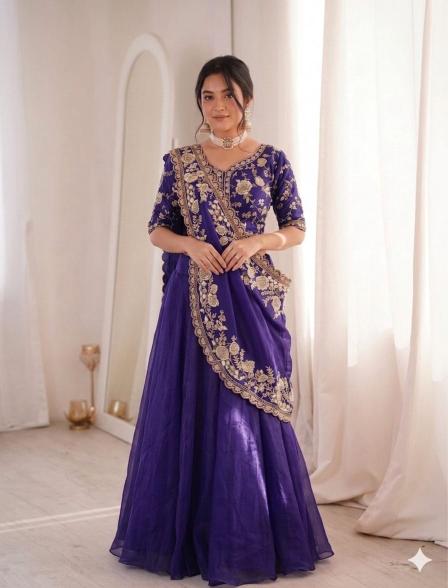
How Small Businesses Can Improve Their Wholesale Buying Decisions
Successful buying begins with understanding who will purchase the product. Instead of ordering because a design looks attractive in a catalogue, identify the target customer, expected selling price, occasion, preferred fabric and likely size requirement.
Know Your Average Customer Budget
If most customers buy within a particular retail range, the wholesale buying price must support that range after expenses. Maintaining separate entry-level, mid-range and premium options can help retailers serve a wider audience without confusing their core positioning.
Track Fast-Moving Designs
Record sales by category and, where possible, by design, size, colour and price. This gives you better evidence for the next order. Fast-selling products can be replenished when available, while slow categories can be reduced in future purchasing cycles.
Use New Arrivals to Keep Customers Engaged
Regular arrivals create a reason for customers to revisit WhatsApp catalogues, social pages or physical stores. Instead of uploading a huge collection occasionally, smaller sellers can often benefit from showing new merchandise consistently.
Wholesaleexport.in supports this type of sourcing approach by bringing together wholesale fashion options for businesses looking for new Indian ethnic wear collections. For a growing seller, access to fresh merchandise can help maintain a more active sales cycle.
Internal Linking for Related Wholesale Collections
Businesses that want to expand their occasion-wear selection can explore the wholesale lehenga market in Surat collection to compare styles suitable for festive, wedding and party demand.
Retailers serving family shoppers can also explore kids wear wholesale products as an additional category alongside women’s ethnic wear. Adding related categories gradually can help a small business increase its catalogue without losing focus on its main customer segment.
Why Supplier Reliability Matters Beyond Wholesale Price
Small businesses frequently work with limited working capital, so each purchase has a direct impact on cash flow. Supplier selection should therefore consider communication, product accuracy, quality expectations, dispatch processes and future availability as well as price.
A retailer may save a small amount on one purchase but lose significantly more if the merchandise does not suit the target customer. Sustainable sourcing focuses on total business value rather than simply finding the lowest quote.
Wholesaleexport.in is positioned for wholesale buyers seeking Indian fashion products from the Surat sourcing ecosystem. The objective for buyers should be to identify collections that match their customer demand, order at commercially sensible quantities and build inventory that can rotate consistently.
Customer FAQs
1. Where can small businesses buy ethnic wear wholesale from Surat?
Small businesses can source through Surat-based wholesale markets as well as online wholesale platforms such as Wholesaleexport.in. Online sourcing can be useful for buyers who want to view new collections and arrange orders without travelling to Surat for every purchase.
2. What ethnic wear products can a reseller consider for 2026?
Depending on customer demand, resellers can consider kurtis, kurti-pant sets, three-piece sets, sarees, dress materials, salwar suits, Pakistani suits, Anarkali styles, co-ord sets, lehenga choli and other festive collections. A mixed assortment can serve everyday and occasion-wear customers.
3. Is wholesale ethnic wear suitable for home-based sellers?
Yes. Home-based sellers can build a business around curated wholesale inventory and sell through WhatsApp, Instagram, Facebook, personal networks or their own online store. Starting with controlled quantities can help them understand demand before increasing inventory.
4. Can Indian ethnic wear be supplied to international buyers?
International wholesale and export orders can be relevant for markets such as the USA, Australia and Nepal. Buyers should confirm current shipping, product, quantity, payment and documentation requirements for their destination before ordering.
5. How should I choose the best wholesale ethnic wear supplier for my business?
Compare product variety, actual quality, wholesale price, ordering requirements, communication, dispatch options and suitability for your target customers. The best sourcing arrangement for a small business is one that supports sustainable inventory rotation rather than encouraging unnecessary stock.
Start Sourcing Ethnic Wear for Your Business
If you are a home-based seller, reseller, boutique owner, shop owner, showroom owner or wholesale buyer, Wholesaleexport.in gives you a practical route to explore Indian fashion collections for resale. Choose merchandise according to your customer profile, selling season and budget, and build your inventory gradually around products that show genuine demand.
What you can explore with Wholesaleexport.in:
- Latest Collections for regularly refreshing your product catalogue
- Wholesale Pricing for business and resale purchasing
- Trendy Ethnic Wear across multiple fashion categories
- Fast Shipping options for timely stock movement
- COD Support where applicable under current order terms
- Bulk Order Deals for larger wholesale requirements
- Quality Products Starting From ₹299 across applicable collections
From everyday ethnic fashion to festive and occasion-based collections, the goal is to help businesses source products that fit their customers rather than simply accumulate inventory. With Vastralife’s wholesale and export experience since 2017, industry expertise and focus on premium product quality, buyers can explore wholesale opportunities backed by practical experience in the Indian clothing trade.
Contact: +91 9712582172
Website: wholesaleexport.in
Explore the latest wholesale collections, compare suitable products and plan your next stock purchase according to your market, customer demand and business budget.
Building a Profitable Ethnic Wear Inventory for Small Businesses
Once a seller has identified a dependable sourcing channel, the next priority is building inventory that can generate regular sales without unnecessarily blocking working capital. This is particularly important for home-based sellers and small boutiques because their buying capacity may be lower than that of established wholesalers or large showrooms.
A practical approach is to divide purchasing between evergreen merchandise and trend-driven collections. Everyday kurtis, cotton suits, dress materials and regular kurti sets can form the dependable portion of the catalogue. Designer suits, festive sarees, lehenga choli, embroidered outfits and trending silhouettes can then be introduced according to season and customer demand.
Working with a wholesale ethnic wear supplier for small businesses becomes valuable when the seller can regularly refresh stock instead of depending on one large purchase. Frequent buying in controlled quantities also allows businesses to respond faster when particular colours, fabrics or styles begin selling strongly.
Plan Inventory According to Customer Type
A boutique selling premium fashion should not build the same assortment as a home-based reseller serving customers who primarily want affordable daily wear. Likewise, a showroom in a wedding-shopping market may require substantially more festive merchandise than a seller focused on office wear.
Before placing an order, retailers can classify customers according to average budget, preferred product category, age group, occasion and style preference. This simple process makes wholesale purchasing more focused and can reduce the amount of slow-moving stock.
Keep Enough Variety Without Overbuying
Variety is important in fashion retail, but variety does not necessarily mean buying deep quantities of every design. Small businesses can often create a more attractive catalogue by selecting several commercially relevant styles in controlled quantities and increasing quantities only after identifying stronger sellers.
This approach is particularly useful during changing fashion cycles in 2026. Social media can make a style popular quickly, but customer interest can also shift rapidly. Maintaining purchasing flexibility can therefore be more useful than carrying excessive stock based on one temporary trend.
Seasonal Wholesale Buying Opportunities
Indian ethnic wear demand changes significantly throughout the year. Retailers that plan their buying calendar in advance can prepare collections before customers begin actively shopping. Seasonal planning is therefore an important part of working with an Indian ethnic wear wholesale supplier.
Festive Season Stock
Navratri, Durga Puja, Dussehra, Diwali and other festive periods can create demand for brighter colours, decorative work, designer suits, sarees, lehengas and coordinated ethnic sets. Buyers serving these markets should begin sourcing early enough to allow time for dispatch, photography, promotion and customer bookings.
Festival demand is also geographically different. A design performing strongly in Gujarat may not necessarily have the same demand in another state. Retailers should combine trend awareness with actual knowledge of their local customers.
Wedding and Occasion Wear
Wedding periods create opportunities beyond bridal products. Customers may need outfits for engagement ceremonies, mehendi, sangeet, family functions, receptions and other celebrations. Boutiques can therefore create occasion-based collections using lehenga choli, designer sarees, Anarkali suits, embroidered suit sets and premium ethnic wear.
Wholesale buyers should compare workmanship, fabric, finishing and expected retail positioning rather than evaluating wedding merchandise purely by price. A visually premium product can justify a different selling range when its overall presentation supports the value.
Everyday and Office Ethnic Wear
Festive products may create seasonal peaks, but everyday clothing can provide regular sales throughout the year. Cotton kurtis, simple kurti-pant combinations, printed sets, comfortable salwar suits and practical dress materials can help sellers maintain a steady product mix between major festive periods.
This balance between everyday and occasion merchandise can make inventory planning more sustainable for small retailers.
How Online Resellers Can Sell Wholesale Ethnic Wear More Effectively
Buying the right merchandise is only one part of the business. Online resellers also need to present products clearly and consistently. Good product images, understandable descriptions, accurate pricing and quick customer communication can substantially influence conversion.
Use Product-Focused Content
Instead of posting only a catalogue number and price, sellers can explain the fabric, set components, available sizes, styling, occasion and important product features. Customers purchasing clothing online cannot physically touch the product, so useful information can reduce uncertainty.
Short videos and reels can also show movement, detailing and the complete outfit more effectively than a single photograph. Sellers using WhatsApp can organize collections according to categories so customers do not have to browse hundreds of unrelated images.
Create Different Price Segments
A small business does not necessarily need to compete only on the cheapest price. Customers often buy according to perceived value. Maintaining affordable, mid-range and premium collections can allow sellers to address different budgets while protecting their positioning.
The wholesale purchase price should be calculated together with shipping, packaging, marketing, payment costs and other operating expenses before deciding the final retail price. This gives the reseller a more realistic view of the potential margin.
Encourage Repeat Orders Through New Collections
Fashion customers frequently return when they know a seller regularly introduces new products. New-arrival messages, weekly catalogue updates, festival previews and limited-stock announcements can help keep existing customers engaged.
Rather than continuously spending money to acquire completely new customers, sellers can also focus on maintaining relationships with previous buyers. Repeat customers who already understand the product quality and service can become an important part of a growing retail business.
Wholesale Opportunities Beyond India
Indian ethnic wear has demand beyond the domestic market, particularly among boutiques, community retailers and online businesses serving customers interested in Indian fashion. Buyers in the USA, Australia and Nepal can source different categories according to their local customer requirements.
For international orders, wholesale buyers should consider the complete landed cost rather than only the product rate. Shipping weight, packaging, customs requirements and destination-related charges can affect final profitability. Product selection should therefore balance customer demand with shipping economics.
Export-oriented retailers may also benefit from concentrating on distinctive Indian products that provide stronger differentiation in their local markets. Designer ethnic sets, festive wear, sarees, lehengas and traditional collections can offer a different proposition from standard western apparel available locally.
Vastralife’s wholesale and export experience since 2017 contributes practical industry knowledge for buyers sourcing Indian clothing. Experience with wholesale fashion categories can be particularly useful when businesses need a combination of product variety, premium product quality and repeat sourcing.
How to Evaluate a Wholesale Order Before Confirming It
Before committing funds to an order, buyers can perform a simple commercial check. Consider whether the collection matches existing customers, whether the expected retail price is realistic, how quickly the stock is likely to move and whether the order leaves enough working capital for the next purchasing cycle.
Check the Product Mix
An order containing only one type of product may create unnecessary concentration. Where appropriate, retailers can combine dependable products with selected new designs. However, variety should still remain relevant to the store’s core customer.
Calculate the Real Cost
The listed wholesale price is only the starting point of a retailer’s calculation. Shipping, packaging, advertising and other applicable expenses should be included when estimating profitability. International buyers should additionally consider destination-related costs.
Confirm Product Details
Before placing a substantial wholesale order, confirm relevant information such as fabric, size availability, set contents, colour options and quantity requirements. Clear communication before purchasing can reduce misunderstandings later.
Plan Reordering Before Stock Runs Out
Fast-moving fashion products can sell out at supplier level as well as retailer level. If a collection is performing strongly, waiting until the final piece has sold before checking availability can create a gap. Monitoring stock and reordering at an appropriate stage can help maintain continuity where the same design remains available.
Surat Sourcing Advantage for Growing Retailers
The combination of textile manufacturing, processing, wholesale markets and distribution networks makes Surat an important sourcing location for Indian fashion businesses. The broader surat textile market ecosystem around Ring Road and Sahara Darwaza connects buyers with numerous categories and price ranges.
For small businesses outside Surat, online sourcing reduces the need to physically travel for every purchasing cycle. Buyers can review collections remotely and arrange stock according to their sales requirements. This can save travel time while allowing more frequent catalogue updates.
At the same time, online buyers should follow the same purchasing discipline they would use in a physical market. Product relevance, quality, quantities, pricing and customer demand should remain the basis of the buying decision.
Internal Linking Section
Retailers planning to strengthen their festive and wedding inventory can browse the wholesale lehenga collection for additional designs and wholesale sourcing options.
Businesses looking to diversify beyond women’s fashion can also explore kids wear wholesale collections and gradually introduce a second category according to customer demand.
Customer FAQs
1. Can a small business buy ethnic wear directly from a Surat wholesaler?
Yes. Home-based sellers, boutiques, resellers, shop owners and other wholesale buyers can source ethnic wear from Surat suppliers. The appropriate quantity and ordering terms depend on the selected collection, so buyers should confirm current product details before ordering.
2. Which ethnic wear categories are suitable for a new reseller?
Kurtis, kurti sets, dress materials, salwar suits and selected sarees can provide practical starting categories because they cover multiple everyday and occasion requirements. Festive products such as designer suits and lehenga choli can then be added according to the seller’s customer demand.
3. How can I reduce the risk of unsold wholesale stock?
Start with controlled quantities, track which categories sell fastest and reorder based on actual customer response. Avoid buying excessive quantities simply because a product is trending. Maintaining a mixture of regular sellers and carefully selected new styles can help manage inventory risk.
4. Does Wholesaleexport.in supply products for reselling?
Wholesaleexport.in is focused on wholesale sourcing for businesses such as resellers, boutiques, shops, showrooms and wholesale buyers. Buyers can explore multiple Indian fashion categories and select products according to their resale market.
5. Can overseas wholesale buyers source Indian ethnic wear?
Indian ethnic wear can be sourced for international markets, subject to current order, payment, shipping and destination requirements. Buyers in markets such as the USA, Australia and Nepal should calculate shipping and other applicable costs when planning their orders.
6. What should I check before choosing a wholesale ethnic wear supplier?
Consider collection variety, product quality, wholesale price, ordering requirements, communication, dispatch arrangements and how well the merchandise matches your customers. Supplier selection should support repeat business rather than simply provide the lowest initial quote.
7. Why is Surat popular for ethnic wear wholesale sourcing?
Surat has a large textile manufacturing, processing, trading and wholesale ecosystem. Buyers can access numerous clothing categories through suppliers connected with the city’s textile markets, including commercial areas around Ring Road and Sahara Darwaza.
Start Your Next Wholesale Order with Wholesaleexport.in
Whether you operate from home, manage a boutique, run a retail shop, own a showroom or sell clothing online, your sourcing decisions directly influence the variety and value you can offer customers. Wholesaleexport.in provides access to Indian wholesale fashion for businesses looking to source from the Surat textile ecosystem and build their inventory according to real customer demand.
Explore Latest Collections, competitive Wholesale Pricing, Trendy Ethnic Wear, Fast Shipping, applicable COD Support, Bulk Order Deals and Quality Products Starting From ₹299. Product availability, pricing and applicable ordering terms should be confirmed for the selected collection when placing an order.
With Vastralife’s wholesale and export experience since 2017, industry expertise and focus on premium product quality, businesses can explore collections for everyday retail, festive demand, boutique customers and wholesale requirements.
Contact Number: +91 9712582172
Website: wholesaleexport.in
Choose products according to your customers, maintain a healthy inventory cycle and keep introducing fresh collections as your business grows. The right wholesale strategy is not about buying the maximum quantity; it is about purchasing the right products at the right time for customers who are ready to buy them.