


Best Kurti Collection for Retail Shops: Wholesale Buying & Trend Guide 2026
Best Kurti Collection for Retail Shops: Wholesale Buying & Trend Guide 2026
Kurtis remain one of the most adaptable categories in women's ethnic fashion because they work across everyday dressing, office wear, festive occasions, college fashion and family functions. For retailers, however, a successful kurti department needs more than a large number of designs. The right mix of fabrics, silhouettes, sizes, colours, price points and seasonal styles can help stores improve inventory rotation while giving customers genuine variety.
Introduction
Women's fashion is changing quickly in 2026, but kurtis continue to maintain a strong position because they combine Indian styling with practical everyday wear. Customers now expect more variety than the conventional straight kurti. They are exploring kurti-pant sets, three-piece suits, printed cotton styles, Anarkali silhouettes, embroidered kurtis, short kurtis, co-ord sets and contemporary Indo-western designs.
For Shop Owners, Boutique Owners, Showroom Owners, Home-Based Sellers, Resellers and professional Wholesale Buyers, building the Best Kurti Collection for Retail Shops means understanding these different customer requirements rather than stocking one popular catalogue in excessive quantities.
A retailer should consider fabric, fit, size availability, colour demand, local climate, customer age group and average selling price. When these factors are balanced correctly, kurtis can become a dependable year-round category instead of inventory that sells only during a particular festival.
Why Kurtis Are Important for Women's Fashion Retail
Kurtis appeal to an unusually broad customer base. College students may prefer short and contemporary silhouettes, working women often look for comfortable cotton or office-wear styles, while festive customers may choose embroidered three-piece sets and richer fabrics.
This diversity gives retailers multiple opportunities within one product category. Instead of depending on a single customer profile, a store can develop several smaller kurti sections according to use, price and occasion.
Year-Round Customer Demand
Unlike highly seasonal products, many kurti categories can sell throughout the year. Cotton kurtis, printed sets, office-wear kurtis and comfortable everyday designs can generate regular demand, while embroidered and festive collections can be introduced around weddings and celebrations.
Retailers can therefore use basic styles for continuity and seasonal designs to create freshness. This combination can produce healthier inventory movement than relying entirely on fashion-led pieces.
Wide Range of Price Points
The kurti market serves both value-conscious and premium customers. Simple printed kurtis can occupy an accessible segment, while coordinated three-piece sets, handwork styles and designer silhouettes can command higher retail prices.
This makes kurti wholesale particularly useful for multi-price stores. Retailers can create entry, mid-range and premium sections so customers can shop according to their budgets without leaving the category.
Easy to Sell Online and Offline
Kurtis work well in physical retail, but they are also highly suitable for Instagram, WhatsApp, websites and reseller networks. Product photographs can clearly show the silhouette, print and styling, while short videos can demonstrate fabric movement and the complete set.
For Home-Based Sellers, this visual advantage reduces the need for a conventional showroom. A well-organized digital catalogue with accurate measurements can support sales through personal networks and social platforms.
Best Kurti Styles Retail Shops Should Stock in 2026
The strongest women kurti collection is usually a balanced assortment rather than one design family. Different silhouettes appeal to different age groups and occasions, so retailers should divide purchasing budgets accordingly.
Kurti Pant Sets
Kurti-pant sets continue to be commercially useful because customers receive a coordinated outfit without needing to match separate bottoms. Straight-cut kurtis with trousers, cigarette pants or relaxed pants can work for office wear, casual outings and family gatherings.
Retailers should maintain a combination of printed and embroidered options. Simple sets can target everyday customers, while richer versions can serve festive and semi-formal occasions.
Three-Piece Kurti Sets
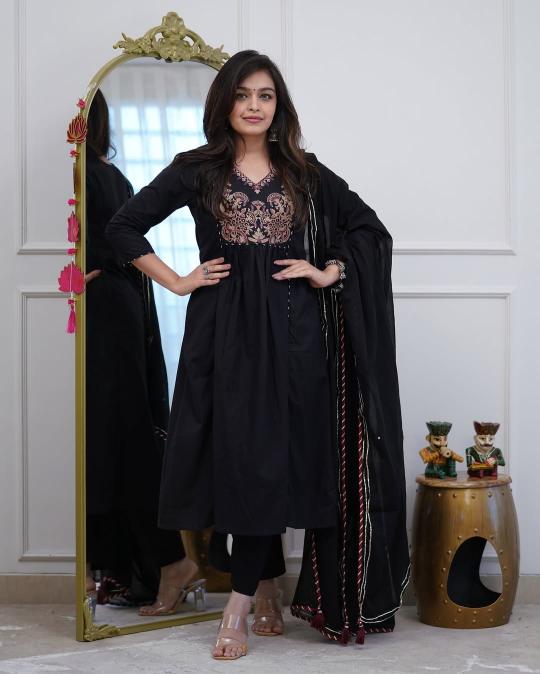
Three-piece combinations with kurti, bottom and dupatta can provide a complete ethnic look and generally support higher perceived value. Cotton dupattas work well for casual collections, while organza, chiffon, printed and embellished dupattas can elevate festive products.
For Boutique Owners, distinctive dupattas can become an important selling feature. Customers often compare complete looks rather than evaluating the kurti alone.
Jaipuri Printed Kurtis
Jaipuri kurtis wholesale collections can be valuable for retailers looking for colourful prints and traditional Indian styling. Floral prints, block-inspired patterns, ethnic motifs and coordinated sets can attract customers seeking comfortable yet visually interesting outfits.
Jaipuri-inspired styles can be especially suitable for summer collections, casual dressing, travel wear and everyday fashion. Retailers should consider breathable fabrics and commercially popular colours when selecting inventory.
Cotton Kurtis for Daily Wear
Cotton kurtis wholesale remains an important search and buying category because comfort is a major customer priority. Cotton and cotton-feel products can perform well in warm climates and for customers who need practical daily clothing.
Office workers, teachers, students and homemakers often prefer comfortable fabrics that are easy to style repeatedly. Retailers can maintain solids, stripes, floral prints, traditional prints and subtle embroidery within this segment.
Short Kurtis for Younger Customers
Short kurtis can be paired with jeans, trousers, palazzos and skirts, making them attractive to college students and younger customers. Prints, embroidery, mirror-inspired details and contemporary necklines can help this category stand apart from standard long kurtis.
Because youth fashion changes rapidly, Shop Owners should initially purchase smaller quantities of trend-led designs and restock according to actual demand.
Anarkali Kurtis and Flared Sets
Anarkali and flared silhouettes remain relevant for festive and occasion dressing. They create a more elaborate appearance and can be offered with pants, churidars or dupattas depending on the design.
Deep festive shades such as wine, maroon, emerald green, navy, purple and rust can work alongside pastel pink, peach, lavender and mint for customers seeking softer styling.
Trending Kurti Fabrics for Retailers
Design attracts attention, but fabric often determines whether customers are satisfied after wearing the product. Retailers should therefore build their wholesale kurti collection around fabrics appropriate for the season, occasion and price category.
Cotton and Cotton Blends
Cotton-based collections are useful for everyday wear because of their comfortable feel and broad customer appeal. Printed cotton sets can be especially valuable during warmer months.
Buyers should still confirm exact fabric specifications because commercial catalogues can include cotton, cotton blends and cotton-feel fabrics at different rates.
Rayon and Comfortable Flowing Fabrics
Rayon and similar flowing fabrics can create comfortable silhouettes while supporting attractive prints and flared designs. These materials are commonly used across everyday and semi-casual kurti categories.
When evaluating wholesale products, buyers should check fabric weight, opacity, stitching and finishing rather than judging only from model photographs.
Chanderi and Festive Fabrics
Chanderi-style fabrics, silk blends, jacquard textures and other richer materials can support festive kurti sets. Their visual appeal can justify higher retail positioning when the overall garment is well finished.
Boutique Owners can use these fabrics for limited premium edits rather than stocking large quantities of identical pieces.
How to Select the Right Wholesale Kurti Price Range
The correct wholesale price depends on the customers a retailer serves. A neighbourhood store, premium boutique and online reseller may all require different purchasing strategies.
Instead of asking only, "What is the cheapest kurti?", Wholesale Buyers should consider what retail price their customers regularly accept and then work backward to determine a sustainable purchase cost.
Entry-Level Collections
Entry-level products can include simple printed kurtis, everyday styles and selected basic sets. These are useful for price-sensitive customers and can help generate regular store traffic.
Volume can be important in this segment, but quality should still meet reasonable customer expectations. Weak stitching or poor fabric can damage repeat business even when the initial price is low.
Mid-Range Collections
The middle segment can include better prints, coordinated bottoms, stylish silhouettes, light embroidery and three-piece combinations. This range can become the core inventory for many Shop Owners because it balances design and affordability.
Retailers should monitor which mid-range price points produce the strongest conversion and adjust future purchasing accordingly.
Premium Kurti Collections
Premium collections may include designer cuts, detailed embroidery, handwork-inspired designs, quality dupattas, richer fabrics and distinctive styling. Boutique and Showroom Owners can use these products for wedding, festive and occasion-wear customers.
Premium products should look genuinely different from standard inventory. Customers paying a higher rate generally expect stronger fabric, finishing and overall presentation.
Surat Textile Market for Kurti Wholesale Sourcing
Surat has developed into one of India's major textile trading and manufacturing centres, supporting sarees, kurtis, suits, dress materials, lehengas and numerous women's fashion categories. This broad ecosystem makes the city useful for retailers who need regular inventory updates.
The surat textile market includes major commercial activity around ring road and sahara darwaza, areas familiar to traders sourcing garments and fabrics for different parts of India.
For Shop Owners located outside Gujarat, online wholesale sourcing can reduce the need for frequent physical market visits. Catalogues, product images, videos and transport networks make it possible to evaluate and purchase products remotely.
Benefits of Multi-Category Sourcing from Surat
A retailer rarely sells only kurtis throughout the year. Customers may also ask for sarees, Pakistani suits, co-ord sets, gowns, dress materials, tops and festive collections.
Wholesaleexport.in supports this multi-category buying requirement by providing access to changing ethnic wear collections. A retailer can consequently plan inventory according to seasonal demand rather than maintaining separate sourcing channels for every category.
Choosing the Best Kurti Collection for Different Retail Businesses
There is no universal inventory mix that suits every seller. The Best Kurti Collection for Retail Shops depends on store location, customer profile, selling platform and available working capital.
For Home-Based Sellers
Home-Based Sellers should prioritize variety with controlled quantities. Instead of investing heavily in one catalogue, they can test printed kurtis, kurti sets and festive designs through WhatsApp or Instagram and identify which products receive actual orders.
Digital sellers should also pay close attention to size charts. Customers purchasing remotely need accurate bust, waist, hip and garment-length information where applicable.
For Shop Owners
Shop Owners generally need a dependable mix of daily-wear and occasion products. Cotton kurtis, printed sets and affordable styles can form the base inventory, while embroidered sets and premium collections can increase average selling value.
Maintaining several price levels allows sales staff to respond quickly when customers specify their budgets.
For Boutique Owners
Boutiques can focus more strongly on curation. Limited designs, distinctive prints, better finishing and unusual colour combinations can help create a more exclusive identity.
Instead of competing with mass retailers purely on price, boutiques can compete through selection, styling and personalized service.
For Showroom Owners
Showrooms generally need greater depth across sizes, colours and price levels. They can create separate sections for daily wear, office wear, Jaipuri styles, kurti sets, festive outfits and premium designer collections.
Sales records should guide replenishment. Designs that repeatedly sell in particular sizes and colours deserve deeper inventory than styles receiving attention but few completed purchases.
Size Planning for a Profitable Kurti Business
Size availability can directly affect sales. An attractive design is commercially useless if the retailer repeatedly lacks the sizes customers request.
Study Your Local Size Demand
Instead of purchasing identical quantities in every size, track previous sales. Some markets may show stronger demand for M, L and XL, while other stores may have substantial requirements for XXL and plus sizes.
Size-inclusive collections can also broaden a retailer's potential customer base. Wholesale Buyers should check which sizes are actually available before advertising a catalogue.
Maintain Clear Size Charts for Online Sales
Online Resellers should avoid depending only on generic size labels. Whenever the supplier provides measurements, share them clearly so customers can make more informed selections.
Accurate sizing information can reduce avoidable exchanges and improve customer confidence.
Kurti Colours Retailers Should Consider in 2026
Colour demand changes by season and customer profile. A strong collection should combine dependable shades with controlled experiments in trend-led colours.
Black, navy, maroon, bottle green, red, mustard and royal blue can provide a reliable foundation. Pastel pink, lavender, peach, sage, mint, beige and powder blue can add contemporary freshness. Earthy rust, olive and brown-inspired shades can also work well with traditional prints.
Festive Colour Selection
Rich colours paired with embroidery, zari-inspired details and attractive dupattas can create strong festive merchandise. Retailers can plan these collections ahead of Diwali, Navratri, Durga Puja, weddings and other celebrations.
Everyday and Office-Wear Colours
Office and daily-wear customers may respond better to wearable combinations, smaller prints and colours that can be styled repeatedly. Indigo, teal, beige, grey, soft green and muted pink can complement classic black and navy.
Retailers wanting to strengthen their ethnic wear assortment can explore Jaipuri kurtis wholesale collections for printed and traditional-inspired styles. Businesses that also serve saree customers can broaden their inventory through wholesale sarees India collections without depending on a single product category.
Co-Ord Sets and Kaftan Styles as Modern Kurti Alternatives
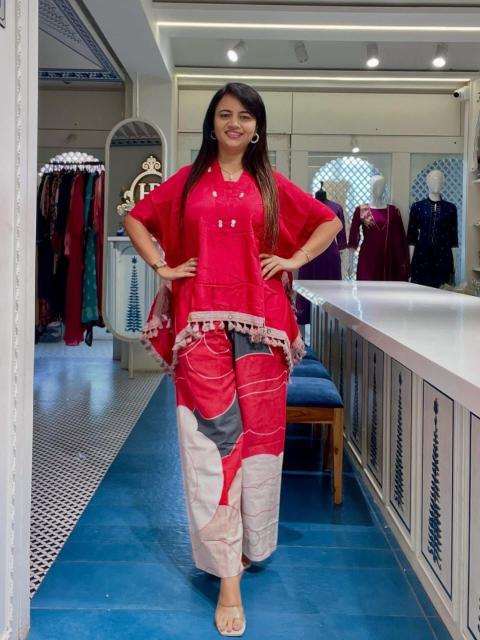
Traditional kurtis remain a core retail category, but customers in 2026 are increasingly mixing ethnic and contemporary fashion. This has created space for co-ord sets, kaftan-style outfits, relaxed kurti sets and Indo-western combinations within the same women's wear department.
For retailers, these categories are useful because they can attract customers who may not be actively looking for a conventional kurti. A coordinated outfit offers a ready-to-wear appearance and can often support a higher perceived value than a single garment.
Why Co-Ord Sets Are Useful for Retail Shops
Co-ord sets reduce styling decisions for the customer because the top and bottom are already coordinated. Printed cotton sets can serve casual buyers, while embroidered or premium-fabric combinations can be positioned for outings, travel, small functions and festive occasions.
Shop Owners can display co-ord sets beside kurtis rather than treating them as an entirely separate department. This encourages customers to compare silhouettes and can increase the chance of finding an outfit that matches their personal style.
Kaftan-Inspired Styles for Comfortable Fashion
Kaftan-inspired outfits provide a relaxed silhouette and can appeal to customers prioritizing comfort. Depending on fabric and embellishment, they can range from casual wear to party and resort-inspired fashion.
Retailers should test this category in controlled quantities, particularly if their existing customers mainly purchase traditional kurtis. Actual sales data can then determine whether the segment deserves deeper inventory.
How to Plan Kurti Inventory According to Seasons
Seasonal planning can significantly improve inventory rotation. Instead of purchasing the same fabric and design mix throughout the year, retailers should adjust their collections according to weather, festivals, weddings and local customer behaviour.
Summer Kurti Collection
During warmer months, customers generally appreciate breathable fabrics, lighter colours and comfortable silhouettes. Cotton kurtis, printed sets, Jaipuri-inspired styles, short kurtis and relaxed three-piece combinations can become useful inventory.
Floral prints, block-inspired patterns, pastel colours, indigo combinations and lightweight dupattas can create a summer-friendly presentation.
Monsoon Collection
For monsoon periods, practical fabrics and manageable silhouettes can be more useful than excessively heavy outfits. Retailers can emphasize easy-to-style kurti-pant combinations, medium-length kurtis and darker prints that work well for everyday dressing.
Festive and Wedding Collections
Festive periods provide an opportunity to increase the proportion of embroidery, zari-inspired detailing, decorative dupattas, Anarkali silhouettes and premium three-piece sets.
Rich shades such as wine, maroon, emerald, navy, royal blue, purple and rust can complement festive merchandising. Selected pastel colours can be added for daytime functions and younger customers.
Winter Kurti Collection
Depending on the target market, winter assortments can introduce deeper colours, fuller sleeves, layered styling and slightly richer fabrics. Retailers serving northern Indian or international customers should consider climate when selecting stock.
Kurti Wholesale Opportunities in India, Nepal and Canada
Women's Indian ethnic wear has demand beyond a single domestic market. For this guide, India, Nepal and Canada provide three different examples of how retailers can adapt kurti collections according to customer location.
India
India provides one of the broadest customer bases for kurtis because styles vary considerably by region, season and occasion. Daily-wear cotton kurtis can coexist with festive three-piece sets, designer outfits and contemporary co-ords.
Retailers should avoid assuming that one nationwide trend will perform equally in every location. Local sales history remains one of the strongest indicators for future inventory planning.
Nepal
Nepal offers opportunities for Indian ethnic fashion across casual, festive and wedding categories. Kurti sets, Anarkali styles, printed collections and occasion wear can be selected according to local demand and upcoming celebrations.
For cross-border export or wholesale supply, buyers should confirm current shipping, customs, taxes and import requirements before calculating their final landed price.
Canada
South Asian communities in Canada create demand for Indian fashion around weddings, Diwali, cultural functions, religious gatherings and family events. Boutiques can carry a mixture of practical everyday kurtis and premium festive sets.
Canadian Wholesale Buyers should consider international freight, customs requirements, local taxes where applicable and domestic delivery costs when setting retail prices. A curated collection can sometimes be more profitable than excessive inventory because international stock carries additional landed costs.
How Retailers Can Improve Kurti Profit Margins
A profitable kurti business is not created simply by buying at the lowest possible wholesale rate. True profitability depends on purchase cost, inventory turnover, shipping, marketing expenses, discounting, returns and the amount of stock that remains unsold.
Measure Inventory Turnover
Track how quickly each catalogue or design sells. A product purchased at a slightly higher wholesale price but sold within two weeks can be commercially healthier than a cheaper product that remains in inventory for six months.
Retailers should identify their fastest-moving fabrics, sizes, colours and price points and allocate more purchasing capital toward those segments.
Buy Variety Before Depth
When testing new designs, variety can be more valuable than purchasing large quantities of one style. Customers enjoy choice, while the retailer gains information about which products deserve repeat orders.
Once demand is established, deeper quantities can be purchased with greater confidence.
Calculate the Complete Cost
Product cost is only the beginning. Retailers should include transportation, packaging, applicable taxes, payment charges, marketing expenses and local delivery when calculating the real landed cost.
This helps determine a sustainable retail price and prevents excessive discounting from quietly eliminating the expected profit.
Online Marketing Strategies for Kurti Retailers
A strong product collection needs equally strong presentation. Customers shopping through Instagram, WhatsApp or websites often make their first decision based on photographs and videos before checking detailed specifications.
Use Model and Product Images Together
Model photographs help customers visualize the complete outfit, while individual product images show fabric, print and embroidery more clearly. Whenever possible, retailers should provide both.
For three-piece sets, show the kurti, bottom and dupatta individually as well as together. This communicates value more effectively than a single front-view photograph.
Create Short Product Videos
Short videos can show fabric movement, garment length, dupatta detailing and the complete silhouette. They are particularly useful for WhatsApp Status, Instagram Reels and Facebook content.
A simple video can include the collection name, available sizes, fabric, key design feature and ordering information without overwhelming viewers with excessive text.
Sell According to Occasion
Instead of describing every catalogue only as a "new kurti collection," retailers can create customer-focused themes such as office-wear kurtis, college styles, festive kurti sets, wedding guest outfits, summer cotton collections and comfortable travel wear.
This approach makes marketing more useful because it connects the product with a customer's actual requirement.
Quality Checks Before Buying Kurtis in Bulk
Bulk purchasing magnifies both good and bad decisions. A minor quality problem across one piece may be manageable, but the same issue across an entire catalogue can create customer complaints and damage margins.
Check Fabric Quality
Confirm fabric composition and examine the feel, thickness and overall appearance according to the product specifications. Buyers should not rely solely on edited catalogue photographs.
Inspect Stitching and Finishing
Review seams, necklines, sleeves, side openings, hems and decorative work. For sets, also check bottoms and dupattas where applicable.
Good finishing can increase perceived retail value even when the garment itself belongs to a competitive price segment.
Verify Measurements and Size Sets
Confirm available sizes before advertising products. If a collection is offered from M to XXL or in an extended size range, retailers should obtain the corresponding size information rather than assuming measurements are identical across brands.
Understand Wholesale Terms
Before placing a bulk order, clarify MOQ, payment conditions, dispatch timeline, shipping charges and the applicable process for genuine product defects. Clear wholesale terms help both buyer and supplier work efficiently.
Manufacturing and Wholesale Sourcing Through Surat
Surat's textile ecosystem combines fabric processing, garment manufacturing, wholesale trading, catalogue creation, packaging and logistics. This infrastructure helps retailers access frequently changing women's fashion collections.
The surat textile market, including major commercial zones around ring road and sahara darwaza, remains important for businesses sourcing ethnic and fusion wear for markets across India and overseas.
However, modern sourcing no longer requires every retailer to visit Surat for every purchase. Digital catalogues and online wholesale platforms can make regular replenishment more practical, particularly for businesses located far from Gujarat.
Internal Linking and Multi-Category Retail Strategy
A strong retail shop should give customers logical alternatives rather than relying on one fashion category. Kurtis can form a dependable foundation, while sarees, co-ord sets, Pakistani suits, dress materials, gowns and other women's ethnic wear can expand the overall customer opportunity.
The related wholesale categories linked earlier in this guide can support this broader assortment strategy. The objective is not to stock every available product but to create a collection that reflects the needs of the store's actual customers.
For example, a retailer with strong kurti sales may gradually introduce matching festive categories. A saree-focused store can add selected kurti sets to attract younger customers. This kind of measured expansion is generally more manageable than investing heavily in several unfamiliar categories at once.
Why Wholesale Experience Matters
Fashion inventory changes continuously. Reliable sourcing requires understanding fabrics, seasonal cycles, customer budgets, sizing, regional preferences and logistics rather than simply forwarding catalogues.
Vastralife brings wholesale and export experience since 2017, supported by practical textile industry expertise and a focus on premium product quality. This experience helps in understanding the different requirements of Home-Based Sellers, Shop Owners, Boutique Owners, Showroom Owners, Resellers and larger Wholesale Buyers.
Wholesaleexport.in brings this wholesale approach online, giving buyers access to changing women's ethnic wear collections. For retailers planning the Best Kurti Collection for Retail Shops, regular access to fresh merchandise can help maintain customer interest without depending entirely on physical sourcing visits.
Customer FAQs
1. Which kurti styles should a retail shop stock in 2026?
A balanced collection can include cotton kurtis, Jaipuri printed styles, kurti-pant sets, three-piece kurti sets, Anarkali designs, short kurtis, festive embroidered sets and selected co-ord styles. The final mix should reflect the retailer's local customer profile.
2. What is a good wholesale price range for kurtis?
There is no single ideal wholesale price. Rates vary according to fabric, stitching, print, embroidery, number of pieces in the set, brand, finishing and quantity. Retailers should choose products according to their target retail price and required margin.
3. Are Jaipuri kurtis good for retail shops?
Yes. Jaipuri-inspired prints can be useful for casual, summer and everyday collections. Floral, ethnic and block-inspired patterns can appeal to customers looking for colourful Indian styling combined with comfortable silhouettes.
4. Can Home-Based Sellers purchase kurtis wholesale?
Yes. Home-Based Sellers can start with controlled quantities and sell through WhatsApp, Instagram, Facebook and personal networks. They should confirm the current MOQ, size availability, payment terms and shipping charges before ordering.
5. Which kurti sizes should retailers keep?
The best size ratio depends on actual customer demand. Retailers should track sales across M, L, XL, XXL and extended sizes where available and adjust future purchasing accordingly. Keeping accurate size charts is especially important for online sales.
6. Can kurtis be supplied for export markets?
Yes, subject to the supplier's shipping arrangements and destination requirements. International buyers should calculate freight, customs, applicable taxes and local delivery before deciding their final retail pricing.
7. Why is Surat important for kurti wholesale sourcing?
The surat textile market is connected to a broad textile manufacturing and trading ecosystem. Buyers can source multiple women's fashion categories through the city, making it useful for businesses that need regular product variety.
8. How can a retailer avoid slow-moving kurti stock?
Start new designs in controlled quantities, track actual sales, maintain several price levels and avoid purchasing excessive quantities only to receive a lower unit rate. Repeat fast-moving designs and reduce purchasing in categories that consistently remain unsold.
Explore the Latest Kurti and Ethnic Wear Collections
Wholesaleexport.in is designed for businesses looking to refresh their women's fashion inventory with changing wholesale collections. Retailers can explore products according to their customer profile, budget and seasonal requirements.
Whether your focus is daily wear, Jaipuri styles, three-piece sets, festive outfits or contemporary co-ords, the goal should be to create a commercially balanced assortment rather than simply accumulating more stock.
A thoughtful buying strategy combines wearable designs, suitable sizes, competitive pricing and enough freshness to encourage existing customers to return regularly.
Build Your Retail Collection with Wholesaleexport.in
Upgrade your store with Latest Collections, competitive Wholesale Pricing and Trendy Ethnic Wear selected for modern retail requirements. From Home-Based Sellers and Resellers to boutiques, shops and established showrooms, buyers can explore options for different budgets and customer segments.
Wholesaleexport.in offers access to Fast Shipping, applicable COD Support, attractive Bulk Order Deals and Quality Products Starting From ₹299. Current product availability, MOQ, rates and applicable ordering conditions should be confirmed at the time of purchase.
Contact Number: +91 9712582172
Website: wholesaleexport.in
The Best Kurti Collection for Retail Shops is ultimately the collection that sells consistently to your customers. Combine evergreen daily-wear products with carefully selected new trends, maintain the sizes your buyers actually need, control inventory depth and review sales data before every repeat purchase. With disciplined sourcing, fresh 2026 designs and a dependable wholesale network, kurtis can remain one of the strongest and most versatile categories in a women's ethnic fashion business.