


Best Ethnic Wear to Stock Before the Wedding Season in 2026
Best Ethnic Wear to Stock Before the Wedding Season in 2026
Wedding season can create one of the strongest selling periods for women’s ethnic fashion, but good sales begin with the right inventory decisions. Shop owners, boutique owners, resellers and online sellers need a collection that covers different functions, budgets and customer preferences without putting too much working capital into slow-moving designs. A carefully planned mix of wearable styles and statement pieces can help retailers serve everything from smaller family functions to major wedding celebrations.
Introduction
Indian weddings rarely involve just one occasion. Engagements, mehendi, haldi, sangeet, wedding ceremonies, receptions and family gatherings can create demand for several different outfits from the same customer. This makes the wedding market especially valuable for retailers who stock a balanced selection rather than depending on a single product category.
For the 2026 wedding season, retailers should think beyond simply buying expensive festive clothing. The stronger strategy is to build an assortment across different price points and usage occasions. A customer may want a premium lehenga for one event but prefer a comfortable kurti set, Anarkali suit or saree for another.
That creates opportunities for home-based sellers, boutique owners, showroom owners and wholesale buyers to increase the average number of products sold per customer. The key is choosing wedding season ethnic wear that looks special enough for celebrations while remaining commercially practical for the target market.
Why Wedding Season Inventory Should Be Planned Early
Waiting until wedding demand reaches its peak can restrict both product selection and restocking options. Popular colours, sizes and catalogs may move quickly once retailers across India begin purchasing for the same season.
Planning earlier gives buyers time to compare designs, evaluate wholesale price ranges, test selected products and reorder styles that receive a strong customer response. It also provides time for photography, catalog sharing, social-media promotion and showroom merchandising before shoppers begin making their final purchases.
Retailers sourcing from the Surat textile market benefit from access to a large ecosystem of wholesalers, suppliers and manufacturing businesses. Areas around Ring Road and Sahara Darwaza are closely associated with Surat's textile trade, making the city an important sourcing centre for ethnic fashion.
Build the Collection in Phases
Instead of spending the complete wedding-season budget in one order, retailers can divide purchasing into stages. The first stage can establish core inventory. The next stage can respond to early enquiries and sales, while later purchases can concentrate on products already proving successful.
This approach also leaves room for new arrivals. Fashion preferences can shift during the season, and fresh catalogs may become available after the first buying cycle. Keeping some purchasing capacity available allows retailers to respond instead of being locked into only their earliest selections.
Keep Reordering Time in Mind
A bestselling product has limited value if a retailer discovers too late that replenishment is impossible. Before committing heavily to a category, ask about ready-stock availability, typical dispatch schedules and whether repeat stock is likely to be available.
Online sourcing through Wholesaleexport.in can help retailers review multiple categories without depending entirely on repeated physical market visits. This is particularly useful for buyers operating outside Surat or sellers managing their business primarily through online channels.
Kurti Sets Should Form a Strong Part of Wedding Season Stock
One of the most practical categories for wedding-season inventory is the wholesale kurti set. Kurti sets can work across several age groups and occasions, and they generally require a smaller customer commitment than heavily embellished bridal-style clothing.
For wedding-related sales, look beyond very basic everyday kurtis. Three-piece sets with a kurti, bottom and dupatta can create a more complete festive appearance. Embroidery, zari accents, attractive prints, jacquard details, lace work and richer fabrics can help differentiate wedding-season stock from routine daily wear.
Three-Piece Kurti Sets for Family Functions
A coordinated three-piece outfit is convenient for customers because the complete look is already assembled. These styles can work particularly well for engagement gatherings, mehendi functions, family dinners and pre-wedding celebrations.
For retailers, three-piece sets also make merchandising straightforward. Customers can immediately understand the finished look without needing to match separate bottoms and dupattas.
Stock Different Price Levels
Not every wedding guest wants premium occasion wear. Some customers attend several weddings in one season and want attractive outfits at accessible prices. Others are willing to spend more for embroidery, fabric quality and detailing.
A retailer can therefore maintain entry, middle and premium ranges rather than assuming every wedding-season customer has the same budget. This is particularly useful for resellers who serve a broad customer base through WhatsApp, Instagram or local communities.
Anarkali Suits Remain Important for Occasion-Based Buying
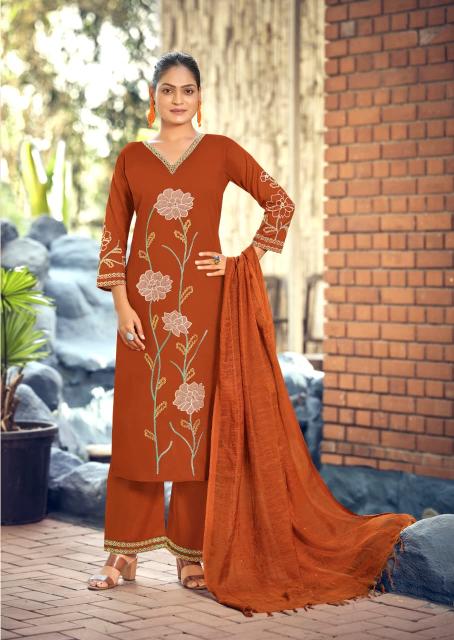
Anarkali silhouettes have a natural association with celebrations because their flare creates a dressier appearance without requiring customers to move directly into lehenga pricing. For boutiques and ethnic-wear stores, Anarkali suits wholesale can provide a useful bridge between regular kurti sets and heavier occasion wear.
Floor-length and moderately flared Anarkalis can be considered depending on the customer profile. Embroidered yokes, statement dupattas, sequins, zari, foil detailing and elegant borders can increase festive appeal.
Retailers should still consider wearability. An outfit may look impressive in a catalog but become difficult to sell if the fabric, weight or styling does not match the preferences of local customers.
Choose Colours Customers Can Wear Beyond One Function
Wedding collections naturally allow stronger colours, but versatility still matters. Maroon, wine, bottle green, navy, purple, mustard, rust and jewel tones can work well in festive wardrobes, while softer pastels can appeal to customers attending daytime ceremonies.
Instead of filling the entire inventory with one trending shade, maintain colour diversity. Customers shopping together often want different colours even when they like the same silhouette.
Lehenga Choli for High-Impact Wedding Collections
A wedding-season assortment can feel incomplete without selected lehenga choli wholesale options. Lehengas attract customers looking for a more pronounced festive look and can also help boutiques and showrooms create stronger visual merchandising.
However, lehenga buying should be planned differently from lower-priced fast-moving products. Higher ticket values can block more working capital, so retailers should match quantity to their customer profile rather than simply purchasing a large range.
Keep Lightweight and Premium Lehengas
Not every buyer wants a bridal-style heavy lehenga. Lightweight designs can be useful for wedding guests, younger customers, bridesmaids and pre-wedding events. These products can offer a festive appearance while remaining easier to wear and often more accessible in price.
Premium embroidered or designer-inspired lehengas can then form the upper end of the assortment. Boutiques can use selected statement pieces to attract attention while maintaining a larger volume of commercially accessible products.
Think About Complete-Look Value
Customers frequently judge a lehenga as a complete outfit rather than only by the skirt. The blouse design, dupatta, embroidery placement and overall colour coordination matter. Retailers should therefore inspect the complete set when evaluating a wholesale catalog.
Sarees Can Cover Multiple Wedding Customer Segments
Sarees remain an important wedding and occasion category because they can serve customers across different age groups, regions and budgets. Depending on the target audience, retailers can consider organza sarees, silk-look styles, embroidered sarees, jacquard sarees, designer sarees, party-wear sarees and ready-to-wear options.
A major advantage of wholesale sarees for wedding season is their broad usage. The right designs can continue selling for festivals, parties and family functions even after a specific wedding period ends.
Ready-to-Wear Sarees Can Add a Modern Selling Angle
Customers who like the appearance of a saree but are less comfortable with traditional draping may prefer ready-to-wear styles. This category can be particularly interesting for younger shoppers and customers seeking convenience.
For online sellers, demonstrating how quickly the product can be worn can also create useful short-form video content. A clear product demonstration can communicate value more effectively than static catalog images alone.
Sharara, Gharara and Palazzo Sets Add Variety
Wedding inventory should not consist only of kurtis, sarees and lehengas. Sharara sets, gharara styles and festive palazzo sets can help retailers offer a wider selection without making the assortment feel repetitive.
These silhouettes can work well for mehendi, sangeet and smaller functions where customers want something more festive than everyday ethnic wear but do not necessarily want a heavy lehenga.
Retailers should evaluate the complete proportion of the garment, bottom flare, kurti length and dupatta quality. The success of these styles often depends on how well the three elements work together.
Match Wedding Stock to Your Actual Customer
The best ethnic wear to stock before the wedding season is not identical for every retailer. A premium boutique in a metropolitan market can require a different assortment from a home-based reseller serving budget-focused customers.
Start with actual business data. Review which categories, sizes, colours and price points sold previously. If your business is new, begin with controlled quantities across multiple categories and allow real customer response to guide the next purchase.
Home-Based Sellers
Home-based sellers generally benefit from inventory that is easy to show digitally and accessible enough to generate repeat purchases. Kurti sets, suits, selected sarees and lightweight festive outfits can provide useful variety without requiring an extremely large opening investment.
Boutique Owners
Boutiques may want a more curated selection with distinctive embroidery, fabrics and silhouettes. Smaller quantities across more designs can sometimes make the collection feel exclusive while reducing duplication.
Showroom and Shop Owners
Physical stores can benefit from broader category coverage because customers can compare multiple products during one visit. The assortment may include value products, mid-range fast movers and selected premium outfits.
Wholesale buyers can also explore branded kurtis when building a more varied women’s ethnic collection. The objective is to create enough choice for customers without losing control of inventory turnover.
Businesses expanding into family or multi-category fashion can separately review mens wear where it matches their customer demand, while keeping the primary wedding inventory focused on categories that have already demonstrated sales potential.
Dress Materials and Unstitched Suits for Flexible Wedding Shopping
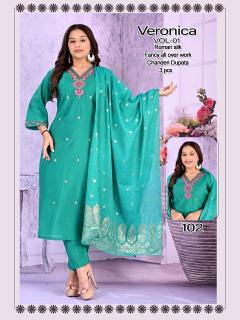
Ready-made clothing is convenient, but wholesale dress materials remain commercially useful because many customers prefer choosing their own stitching, fit and finishing. This is especially relevant during the wedding season when customers may want customized necklines, sleeve patterns, lengths or coordinated family outfits.
Retailers can consider embroidered dress materials, festive printed suits, jacquard combinations, Pakistani-inspired designs and premium dupatta sets. The strongest options are generally those where the fabric, dupatta and overall presentation justify the final retail price.
Unstitched products can also reduce some size-related inventory pressure. Instead of maintaining several ready-made sizes of the same design, a seller can offer a fabric set that the customer gets stitched according to individual measurements. For boutiques that already provide tailoring services, this can create an additional revenue opportunity.
Do Not Ignore Plus-Size Ethnic Wear During Wedding Season
One inventory mistake is purchasing attractive wedding clothing without maintaining sufficient size diversity. Customers looking for extended sizes want the same current colours, embroidery and festive silhouettes available in standard sizes rather than a separate collection of basic designs.
Retailers should analyse their own sales records to understand demand for XL, XXL and larger sizes. Where demand exists, plus-size ethnic wear wholesale can become an important part of the wedding-season assortment.
Fit becomes particularly important in this segment. Check bust measurements, hip measurements, garment length, sleeve comfort and bottom sizing rather than depending entirely on a generic size label. Clear measurement information can also reduce confusion for online customers.
Use Size Data from Previous Orders
If you have been selling for several months, your own order history provides better guidance than assumptions. Identify which sizes repeatedly sell first and which remain in stock. Increase buying depth where actual demand supports it.
For new sellers, a balanced opening assortment is safer than purchasing heavily in one size. Once enough orders have been completed, future purchases can be adjusted according to genuine sales data.
Build Wedding Inventory Around Functions, Not Just Product Names
A useful way to merchandise wedding season ethnic wear is to think about the event the customer is attending. Shoppers often enter a store saying they need an outfit for mehendi, sangeet or reception rather than asking for a specific garment category.
Mehendi Collection
For mehendi functions, consider lively colours, comfortable silhouettes, sharara sets, kurti sets, lightweight lehengas and outfits that allow easy movement. Greens remain naturally associated with mehendi, but retailers do not need to restrict the collection to one colour.
Haldi Collection
Yellow, mustard, ivory and complementary festive shades can work well for haldi-focused merchandising. Buyers often seek outfits that photograph well but remain practical for a daytime function.
Sangeet Collection
Sangeet demand can support more decorative clothing, including sequins, embroidered Anarkalis, lehengas, sharara sets and contemporary fusion styles. Comfort should still matter because customers may wear the outfit for several hours and dance during the event.
Wedding Ceremony Collection
The main ceremony can support richer fabrics, more elaborate embroidery and premium sarees, suits and lehengas. Keep several price levels so wedding guests and close family members can both find appropriate options.
Reception Collection
Reception styles can include sophisticated sarees, darker evening shades, embellished suits, elegant Anarkalis and contemporary festive silhouettes. A separate reception display can help customers quickly narrow their choices.
How Much Wedding Season Inventory Should Retailers Buy?
There is no universal quantity because purchasing capacity varies widely between a home-based reseller and a large showroom. The more useful question is how much of each category your business can realistically sell before the fashion cycle changes.
A practical buying plan can divide the budget into core products, experimental trends and reorder capital. Core products are categories already known to sell. Experimental inventory introduces fresh designs in controlled quantities. Reorder capital remains available for products that begin moving quickly.
This approach can reduce the risk of using the entire working-capital budget before customers have shown what they actually want.
Go Deeper on Proven Products
If particular kurti sets, suits or sarees repeatedly generate orders, carrying greater depth may be reasonable. Retailers should still confirm current stock availability and avoid assuming that last season's bestseller will automatically perform identically in 2026.
Go Wider on New Fashion
For unfamiliar styles, consider testing more designs with smaller quantities rather than buying many pieces of one design. Customer response can then determine which products deserve replenishment.
Why Surat Is Important for Wedding Ethnic Wear Sourcing
Surat has a large textile ecosystem covering fabrics, processing, trading, wholesale distribution and garment manufacturing. For fashion retailers, this concentration creates access to multiple categories and frequent catalog launches.
The Surat textile market ecosystem around areas such as Ring Road and Sahara Darwaza is widely associated with textile sourcing. Buyers can find products across different price bands, from regular resale merchandise to more elaborate festive collections.
For businesses unable to visit Surat repeatedly, online wholesale sourcing can make procurement more convenient. Wholesaleexport.in provides an online route for buyers exploring products for resale while allowing them to review collections remotely.
This combination of Surat sourcing and digital access can be useful for retailers who need frequent new arrivals throughout a wedding season instead of making only one large seasonal purchase.
Wedding Ethnic Wear for Export Buyers
Indian ethnic fashion is also purchased by boutiques, resellers and community-focused businesses outside India. Wedding demand among Indian and South Asian communities can create opportunities for ethnic wear export, but international buyers need to plan earlier because transportation and customs can extend the sourcing cycle.
For example, wholesale buyers serving customers in Nepal, Australia and Malaysia should calculate their order schedule backward from the local selling period. Product selection, order confirmation, dispatch, international transport, customs where applicable and local delivery all need to happen before the customer shopping window peaks.
Export buyers should confirm current shipping timelines before advertising guaranteed delivery dates. A product that arrives after the customer's wedding date has little commercial value even if the product itself is excellent.
Choose Products for the Destination Market
Do not assume the same assortment will perform equally in every country. Climate, local wedding traditions, customer spending levels, sizing preferences and the size of the Indian diaspora can influence demand.
International resellers can start with controlled quantities, track actual orders and gradually increase purchasing in the categories that receive stronger local response.
What Retailers Should Check Before Confirming a Wholesale Order
Product photographs are important, but professional buying requires more than selecting the most attractive catalog. Before confirming an order, retailers should understand what they are purchasing and whether it matches their customers.
- Check fabric details and garment construction.
- Confirm whether the product is stitched, semi-stitched or unstitched.
- Review available sizes and actual measurements where relevant.
- Confirm the current wholesale price.
- Understand minimum-order requirements.
- Ask whether the displayed design is ready stock.
- Check the complete set contents, including bottom and dupatta where applicable.
- Confirm dispatch and shipping terms.
- Review available colours and size ratios.
- For export purchases, confirm the applicable international delivery process.
These checks are particularly valuable during peak wedding periods because fast-moving stock can change quickly. Accurate purchasing information makes it easier to communicate honestly with customers and plan promotions around products that are genuinely available.
Use Social Media to Test Wedding Collection Demand
Retailers no longer need to wait until customers physically visit a shop to understand what attracts attention. WhatsApp, Instagram, Facebook and short-form video can provide early signals about styles generating enquiries.
Share selected new arrivals and monitor actual customer behaviour. Saves, views and likes can be useful indicators, but paid orders and serious enquiries are stronger purchasing signals.
Create Function-Based Content
Instead of posting only “New Arrival,” create content around customer intent. Examples include “Mehendi Outfit Collection,” “Wedding Guest Looks,” “Sangeet Kurti Sets,” “Reception Sarees” or “Wedding Season Styles Under Your Target Budget.” This helps shoppers connect products with their immediate requirements.
Reorder from Sales, Not Just Views
A reel receiving strong reach does not automatically mean the product deserves a large reorder. Track conversions. If customers are repeatedly paying for a particular design, colour or category, that is a more meaningful inventory signal.
Vastralife's Wholesale and Export Experience
Vastralife has been working in wholesale and export since 2017, building industry experience around fashion sourcing and the requirements of resellers, boutiques, shops and wholesale buyers. That experience supports an understanding of the importance of product quality, regular collections and practical wholesale buying.
For wedding-season sourcing, premium product quality matters because the end customer expects festive clothing to look good not only in photographs but also when worn. Fabric feel, embroidery placement, stitching, colour combinations and finishing all contribute to perceived retail value.
Wholesaleexport.in brings this wholesale-oriented approach online for businesses looking for products they can evaluate for resale. Buyers can explore current collections and select merchandise according to their own market rather than following a one-size-fits-all inventory formula.
Internal Linking Section
When building a wedding collection, retailers should move between relevant categories and compare products rather than purchasing every design from a single segment. A varied assortment can serve different functions, budgets and age groups while reducing dependence on one fashion trend.
Use category pages to compare current designs, wholesale pricing and available styles, then shortlist merchandise according to your existing customer demand. The goal is to create a connected wedding assortment in which kurtis, suits, sarees, lehengas and complementary ethnic categories serve different purchasing occasions.
Customer FAQs
1. What is the best ethnic wear to stock before wedding season?
A balanced collection can include three-piece kurti sets, Anarkali suits, lehenga choli, sarees, dress materials, sharara sets, gharara styles and selected premium occasion wear. The ideal mix depends on your customers, price range and previous sales.
2. When should retailers start buying wedding-season clothing?
Retailers should begin planning sufficiently before their local wedding demand starts, allowing time for product selection, delivery, merchandising and promotion. Instead of purchasing everything at once, phased buying can help businesses react to actual customer demand.
3. Which wholesale ethnic wear is suitable for home-based sellers?
Home-based sellers can consider visually attractive but commercially accessible categories such as kurti sets, suits, lightweight festive outfits and selected sarees. Products that are easy to display through WhatsApp and social media can be especially practical.
4. Should boutiques stock heavy or lightweight wedding wear?
Many boutiques benefit from both. Lightweight festive products can generate broader sales, while selected premium pieces can serve customers looking for statement outfits. Quantities should reflect the boutique's actual customer profile.
5. Are three-piece kurti sets suitable for wedding-season resale?
Yes. A kurti, bottom and dupatta combination gives customers a complete outfit and can work for engagements, family functions, mehendi celebrations and other wedding-related events depending on the design and fabric.
6. Should retailers stock plus sizes for the wedding season?
If your customer data shows demand, extended sizes should be included in the buying plan. Retailers should focus on fashionable designs and accurate garment measurements rather than treating plus-size clothing as a separate basic category.
7. Can overseas boutiques order wedding ethnic wear from India?
Wholesale and export purchasing is possible for international business buyers, subject to the supplier's current shipping and order terms. Overseas retailers should account for additional delivery and customs time when planning seasonal inventory.
8. How can I reduce unsold wedding-season inventory?
Purchase in phases, use previous sales data, test new trends in controlled quantities, maintain reorder capital and choose some products that remain suitable for festivals and parties after the main wedding period.
Stock Your 2026 Wedding Collection with Wholesaleexport.in
The strongest wedding collection is not necessarily the largest one. It is the collection that gives customers enough choice while keeping the retailer's inventory fresh and working capital productive. Combine proven categories with carefully selected new trends, offer different price points and monitor sales throughout the season.
At Wholesaleexport.in, business buyers can explore Latest Collections, Wholesale Pricing, Trendy Ethnic Wear, Fast Shipping, COD Support, Bulk Order Deals and Quality Products Starting From ₹299. Current prices, stock availability, minimum quantities, COD eligibility and shipping terms should be confirmed at the time of ordering.
Whether you are a home-based seller, boutique owner, shop owner, showroom owner, reseller or wholesale buyer, build your 2026 wedding inventory around products your customers can actually wear, afford and confidently purchase.
Contact Us: +91 9712582172
Website: wholesaleexport.in
Explore the latest wholesale collections, shortlist the right wedding-season styles and plan replenishment around real sales so your store stays ready from the first pre-wedding function through the final reception.