


Best Ethnic Wear Products for a New Boutique in 2026
Best Ethnic Wear Products for a New Boutique in 2026
Starting a boutique becomes much easier when the first inventory is selected around products customers actually want to wear and buy repeatedly. Instead of filling shelves with too many similar designs, new boutique owners can build a balanced collection of everyday styles, festive outfits, premium sarees and modern ethnic fashion. The right product mix helps control investment, creates more selling opportunities and gives customers a reason to return for fresh designs.
Introduction
The Indian ethnic wear business continues to offer attractive opportunities for boutique owners, resellers, showroom owners and home-based sellers. Customers today do not shop only for weddings or festivals. They purchase ethnic and Indo-western clothing for office wear, family functions, college, casual outings, gifting, religious occasions and everyday use. This creates year-round demand across several product categories.
For a new boutique, however, buying attractive products is only one part of the business. The collection must also match the target customer's budget, local preferences and expected price range. Inventory that looks beautiful but moves slowly can lock up working capital. A carefully planned assortment of fast-moving products gives a boutique greater flexibility to test demand before increasing quantities.
Buyers searching for the best ethnic wear products for a new boutique should therefore focus on variety rather than simply purchasing large quantities of one category. Sarees, kurtis, dress materials, kurti sets, co-ord sets and selected festive styles can together create a stronger opening inventory.
Wholesaleexport.in supports buyers looking to source Indian ethnic wear from the Surat market and related manufacturing networks. Backed by Vastralife's wholesale and export experience since 2017, the focus is on practical wholesale sourcing, premium product quality and collections suitable for different levels of retail businesses.
What Should a New Boutique Stock First?
A boutique's first purchase should be built around customers rather than personal preference. A store targeting working women may require more comfortable kurtis, cotton suits and lightweight sarees, while a boutique serving wedding shoppers may need designer sarees, embroidered suits, festive kurti sets and premium dress materials.
A balanced opening inventory can combine affordable products that generate regular sales with higher-value pieces that improve the average order value. This is especially useful for new businesses because daily-wear products can create repeat traffic while festive and occasion wear provide better margins during important buying seasons.
Start with Multiple Price Segments
A common mistake among new boutique owners is purchasing almost everything within one price range. Instead, divide the collection into entry-level, mid-range and premium options. This allows customers with different budgets to shop from the same boutique.
For example, affordable kurtis and basic dress materials can attract value-conscious shoppers, while embroidered suits, designer sarees and festive collections can serve customers willing to spend more. Wholesale sourcing also allows retailers to maintain better selling margins compared with buying products from secondary retail channels.
Keep Your Initial Inventory Flexible
When launching a boutique in 2026, flexibility is particularly important because fashion preferences can change quickly through Instagram, short-form videos and influencer-led trends. Instead of investing heavily in one design, new sellers can begin with several designs in controlled quantities and reorder styles that receive stronger customer response.
1. Kurtis – A Strong Everyday Category for New Boutiques
Kurtis remain one of the most practical categories for a new women's ethnic wear business because they appeal to customers across age groups. Short kurtis, straight kurtis, A-line designs, printed kurtis, embroidered kurtis and office-wear styles can all serve different customer segments.
For home-based sellers and online resellers, kurtis are also convenient to photograph, share and sell through WhatsApp, Instagram and social commerce channels. Buyers can create collections according to fabric, pattern, size and selling price rather than carrying only one type of design.
Short Tops and Modern Kurtis
Short ethnic tops and contemporary kurtis can help a boutique attract younger buyers who prefer styling ethnic designs with jeans, trousers and palazzos. These products bridge the gap between traditional and casual fashion, making them useful for college wear, travel and everyday outings.
When purchasing from kurti wholesale suppliers, boutique owners should check fabric quality, stitching, size consistency, finishing and design variation. A visually attractive product may generate the first sale, but dependable quality is what helps generate repeat business.
Kurti Sets for Higher Order Value
Two-piece and three-piece kurti sets are another strong category. Customers receive a coordinated outfit without having to separately match a bottom or dupatta. Cotton sets can work for everyday demand, while embroidered and festive sets can target celebrations and functions.
For retailers, a kurti set can also produce a higher billing value than a single kurti. Stocking both categories allows customers to choose according to occasion and budget.
2. Dress Materials – A Flexible Choice for Different Markets
Wholesale dress materials remain valuable for boutiques serving customers who prefer customized stitching. Unlike ready-made garments, an unstitched suit allows the buyer to choose her own neckline, sleeve length, fitting and overall styling.
Cotton dress materials are suitable for regular wear, while jacquard, embroidered, silk-blend, printed and festive suit materials can serve occasion-based demand. Boutique owners can also work with local tailors to offer stitching services and create an additional revenue opportunity.
The surat textile market is widely associated with women's fashion sourcing, and commercial areas around ring road and sahara darwaza connect buyers with a large textile trading ecosystem. For buyers unable to visit Surat frequently, online wholesale platforms make product discovery and ordering more practical.
Cotton Dress Materials for Repeat Sales
Comfort-oriented products are important because they are not dependent only on wedding seasons. Cotton and cotton-blend suit materials can appeal to office-going women, homemakers and customers looking for breathable daily clothing.
Keep several colour families and prints instead of purchasing only heavily decorated designs. Floral prints, geometric patterns, traditional motifs, soft colours and darker everyday shades can create useful assortment depth.
Festive Dress Materials for Better Margins
Festival and wedding periods give boutiques an opportunity to introduce richer fabrics, decorative dupattas, embroidery and premium-looking suit materials. These designs can command a higher retail value when their fabric, presentation and finishing support the price.
Wholesaleexport.in can be used by shop owners, boutique owners and resellers looking for collections across different price brackets without restricting their business to a single product category.
3. Sarees – An Essential Category for an Indian Ethnic Boutique
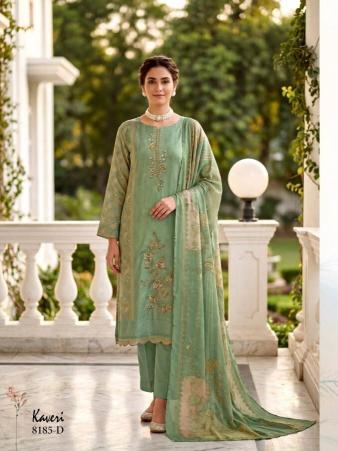
A women's ethnic wear boutique can benefit from carrying a carefully selected saree range. Sarees have demand across weddings, festivals, office events, religious occasions, family functions and gifting. The important point for a new boutique is not to stock every possible variety but to choose sarees suitable for its actual customer profile.
Useful categories can include cotton sarees, silk-look sarees, Banarasi styles, printed sarees, georgette sarees, festive sarees and lightweight designer options. The assortment should include both practical pieces and visually strong designs that can be promoted through social media.
Daily and Lightweight Sarees
Lightweight sarees can serve customers looking for comfortable drapes for regular use, office functions and smaller celebrations. These products are often easier for new sellers to demonstrate through reels and catalogue photographs because buyers can quickly understand their colour and overall appearance.
Wedding and Festive Sarees
Premium sarees can become an important profit category around Navratri, Diwali, wedding seasons and regional festivals. Rich borders, woven patterns, zari-inspired detailing and statement pallus create the premium appearance many occasion-wear customers seek.
New boutiques should test festive collections in moderate quantities before increasing stock. Tracking enquiries, customer saves, WhatsApp responses and actual sales gives better buying guidance than selecting products only according to personal taste.
4. Co-Ord Sets and Indo-Western Styles for Younger Buyers
Traditional products should not be the only focus of a modern boutique. Co-ord sets and Indo-western clothing can expand the customer base to younger shoppers looking for outfits suitable for casual outings, travel, work and social gatherings.
Printed co-ords, ethnic co-ord sets, tunic-and-pant combinations and relaxed silhouettes can be placed alongside kurtis. This creates a broader shopping experience while keeping the store connected with Indian fashion.
For an online boutique, these styles can also perform well in short videos because customers can immediately see the complete coordinated look. Sellers should pay attention to size availability, fabric fall, stitching and repeat availability when selecting a wholesale ethnic wear supplier.
5. Kids Ethnic Wear Can Expand Your Customer Basket
A boutique primarily selling women's clothing can selectively introduce kids ethnic wear, especially around festivals and weddings. Parents who are already purchasing sarees or suits may prefer buying children's outfits from the same seller if suitable designs are available.
Girls' festive dresses, lehenga styles, ethnic sets and celebration wear can therefore become a complementary category rather than requiring a completely separate store concept. This is especially useful for boutiques located in family-oriented residential markets.
The goal should be controlled diversification. Start with a small kids ethnic wear wholesale assortment, measure demand and expand only when customers respond positively.
How to Build a Profitable Boutique Inventory Mix
The strongest opening stock usually contains a combination of fast-moving basics and attention-grabbing premium products. If every product is expensive, customer conversion can become difficult. If everything is inexpensive, the boutique may struggle to create a premium identity or improve average billing.
A practical inventory can therefore combine affordable kurtis, cotton suits and everyday sarees with selected designer kurti sets, premium dress materials and festive sarees. The exact ratio should depend on location, target age group, local income level and whether sales are primarily offline or online.
Buy Depth Only After Testing Demand
New boutique owners often feel that more stock automatically means more sales. In reality, variety is usually more valuable during the testing stage. A customer who sees twenty different designs may have a better chance of finding something suitable than a customer who sees large quantities of only four designs.
Once a particular category starts selling consistently, the boutique can increase purchasing depth. This keeps working capital available for new arrivals and reduces the risk of slow-moving inventory.
Calculate Selling Price Before Buying
Do not evaluate a wholesale product only by its purchase rate. Calculate shipping, packaging, payment charges, marketing expenses, local taxes where applicable and the expected retail margin. International buyers should additionally consider freight, customs and local import requirements.
This calculation helps determine whether the final selling price will remain attractive to the target customer.
For boutique owners sourcing from Surat, exploring wholesale dress materials Surat collections can help broaden the unstitched category while maintaining access to multiple styles.
Businesses planning to diversify beyond women's fashion can separately review kids wear wholesale options and test them during festival and wedding seasons.
Why Surat Is Important for Boutique Wholesale Buying
Surat has developed a major ecosystem around textile trading, processing, designing and manufacturing. The city's network includes sarees, dress materials, kurtis, suits, lehengas and numerous other women's fashion categories.
Areas associated with the surat textile market, including commercial clusters near ring road and sahara darwaza, attract buyers from different parts of India. Access to multiple suppliers and frequently changing collections makes Surat particularly relevant for retailers who depend on regular new arrivals.
Online wholesale sourcing has extended this access beyond buyers who can physically travel to Gujarat. Boutique owners can now evaluate product catalogues remotely, communicate with suppliers and arrange dispatch according to their business requirements.
Wholesaleexport.in connects this sourcing approach with online ordering opportunities for resellers, boutiques and wholesale buyers seeking Indian ethnic fashion.
Buying Ethnic Wear for International Boutique Markets
Indian ethnic clothing also has a customer base outside India, particularly among Indian communities and shoppers interested in South Asian fashion. For this reason, boutique buyers operating internationally may build their collections differently from domestic retailers.
For example, buyers in the USA may focus more heavily on wedding outfits, festive sarees, party-wear suits and premium kurti sets because ethnic clothing is frequently purchased for specific cultural occasions. A reseller in Australia may combine celebration wear with comfortable modern ethnic outfits, while businesses serving New Zealand can test curated festive collections alongside year-round styles.
International buyers should discuss packing, shipment method, approximate delivery expectations and relevant export requirements before confirming large orders. Product selection should also account for local seasons and the dates of major Indian festivals because international inventory normally needs additional transit time.
What to Check Before Selecting an Ethnic Wear Wholesaler
Product Quality and Presentation
Fabric quality, colour appearance, stitching and finishing directly influence customer satisfaction. Boutique buyers should also check whether catalogue photographs reasonably represent the actual merchandise. Reliable presentation becomes even more important when the retailer sells products online without customers physically touching the fabric before purchase.
Fresh Collection Availability
Fashion retailers need new products regularly. Customers who follow a boutique on WhatsApp or Instagram expect to see fresh designs instead of the same catalogue repeatedly. A wholesale partner with regular arrivals can therefore help sellers maintain customer engagement.
Wholesale Pricing and Margin Potential
Competitive ethnic wear wholesale price is important, but the cheapest merchandise is not necessarily the most profitable. Quality, design, customer demand and retail positioning all influence the final margin. A slightly higher-quality product may generate better repeat business and fewer customer complaints.
Shipping and Order Support
Fast dispatch and clear communication matter for both physical boutiques and online resellers. Sellers frequently promote products before holding large quantities, which makes reliable order processing particularly valuable.
Vastralife's Wholesale and Export Experience Since 2017
Vastralife has been working in wholesale and export since 2017, building industry experience around Indian textile products and the practical requirements of retailers, resellers and boutique businesses. That experience supports product selection with an understanding of what wholesale buyers need beyond catalogue photographs alone.
Premium product quality, market-relevant collections and practical wholesale support are particularly important for businesses that want to build long-term customer relationships. Whether a buyer operates a home business, boutique, shop or larger showroom, dependable sourcing can reduce the complexity involved in finding new products repeatedly.
Wholesaleexport.in brings this experience into an online wholesale environment where buyers can explore different ethnic wear categories for their target market.
Inventory Strategy for Home-Based Sellers and Resellers
Home-based sellers do not necessarily need a large showroom or heavy inventory to begin. A smaller collection supported by digital catalogues can be marketed through WhatsApp Business, Instagram, Facebook and existing customer networks.
Start by understanding what your audience asks for most frequently. If most enquiries are for kurtis below a particular budget, increase that segment. If customers repeatedly request festive sarees, introduce more designs before the relevant season. Let actual enquiries guide purchasing decisions.
Online resellers can also use a mix of ready stock and catalogue-based selling to avoid investing all available capital at once. However, product availability should always be confirmed before promising delivery to customers.
Inventory Strategy for Shop and Showroom Owners
Physical stores need stronger visual assortment because customers expect to browse alternatives. Display products should therefore represent different fabrics, colours, occasions and budgets.
A showroom can divide its merchandise into clear groups such as daily wear, office wear, festive wear, wedding collection and premium collection. This simplifies customer selection and makes upselling easier.
For 2026, stores can also combine conventional ethnic wear with newer silhouettes rather than treating them as separate markets. A shopper entering for a kurti may purchase a co-ord set, while a saree buyer may also be interested in a festive suit. Cross-category presentation can improve the total order value.
Internal Linking Section – Explore More Wholesale Categories
Building a profitable boutique requires continuous category expansion based on customer response. Rather than adding unrelated merchandise, introduce complementary products that match the same customer profile. A saree-focused boutique can add dress materials and festive suits, while a kurti-focused seller can introduce kurti sets, co-ords and selected occasion wear.
Wholesaleexport.in can support this approach by allowing buyers to explore multiple ethnic wear categories while planning inventory around budget, season and customer demand.
Customer FAQs
1. What are the best ethnic wear products for a new boutique?
A practical starting mix includes kurtis, kurti sets, sarees, dress materials, co-ord sets and selected festive products. The exact assortment should depend on your customers' age group, budget, location and preferred styles.
2. How much inventory should a new boutique purchase?
There is no single quantity suitable for every business. New sellers can begin with broader design variety and controlled quantities, monitor actual sales and then reorder categories that perform well. This reduces unnecessary inventory risk.
3. Can I start an ethnic wear business from home?
Yes. Home-Based Sellers and Resellers can begin by building a customer network through WhatsApp, Instagram and other digital channels. Starting with manageable stock and gradually reinvesting profits can make the business easier to scale.
4. Can international boutiques order Indian ethnic wear wholesale?
Yes, international wholesale and export enquiries can be handled depending on destination and order requirements. Buyers should confirm shipping, documentation, payment and applicable import conditions for their country before placing an order.
5. Where can boutique owners source wholesale ethnic wear from Surat?
Surat is a major sourcing destination with textile businesses around Ring Road, Sahara Darwaza and other commercial areas. Online buyers can also explore collections through Wholesaleexport.in without depending entirely on physical market visits.
Start Building Your Boutique Collection Today
A successful boutique is built through smart buying, regular product testing and consistent customer service. Begin with products your target customers can realistically purchase, maintain enough variety to keep the collection interesting and expand successful categories according to actual demand.
Explore Latest Collections, competitive Wholesale Pricing and Trendy Ethnic Wear for your boutique or reselling business. Wholesaleexport.in offers access to multiple fashion categories with Fast Shipping, COD Support where applicable, Bulk Order Deals and Quality Products Starting From ₹299.
Whether you are a Home-Based Seller, Shop Owner, Boutique Owner, Showroom Owner, Reseller or Wholesale Buyer, build your inventory around products that suit your customers and create opportunities for repeat sales.
Contact: +91 9712582172
Website: wholesaleexport.in
Explore the latest wholesale ethnic wear collections and start building a stronger boutique inventory for 2026.
How to Choose Fast-Moving Ethnic Wear for Your Boutique
After creating the basic product mix, the next step is identifying merchandise that has a realistic chance of selling quickly. A new boutique should not judge a collection only by how attractive it looks in a catalogue. The better approach is to consider customer age, local fashion preferences, season, occasion, expected retail price and how easily the product can be promoted online.
Fast-moving inventory generally combines wearable designs with attractive pricing. For example, everyday kurtis and cotton dress materials can generate regular orders, while designer sarees, festive suits and premium kurti sets can increase billing during weddings and festivals. Maintaining both segments gives a boutique multiple opportunities throughout the year.
Use Customer Enquiries as Buying Data
Every enquiry provides useful information. If customers repeatedly ask for cotton kurtis, plus sizes, lightweight sarees or three-piece suit sets, those enquiries should influence the next wholesale purchase. Similarly, products receiving strong WhatsApp responses or Instagram enquiries but few completed orders may indicate that the selling price needs adjustment.
Instead of guessing what will sell, maintain a simple record of enquiries, completed orders and frequently requested designs. Over time, this gives boutique owners a much clearer understanding of their most profitable categories.
Follow Seasonal Demand Without Overbuying
Indian ethnic wear demand changes significantly around wedding seasons, Navratri, Diwali, Eid, Raksha Bandhan and other celebrations. Boutique owners can prepare special collections before these periods, but purchasing too much seasonal stock can create problems once the occasion passes.
A safer strategy is to introduce new festive collections in batches. If the first designs sell quickly, replenish the category while demand remains active. This allows the boutique to respond to trends without keeping unnecessary stock for months.
Best Product Combination for a New Boutique in 2026
There is no universal inventory formula, but new retailers can build their first collection around a combination of high-frequency and occasion-driven products. The best ethnic wear products for a new boutique are ultimately those that match the buying behaviour of its customers while leaving enough margin for marketing and operating expenses.
A strong 2026 assortment may include everyday kurtis, cotton and printed dress materials, ready-to-wear kurti sets, lightweight sarees, premium festive sarees and modern co-ord sets. Selected lehenga styles and children's ethnic wear can then be introduced according to local demand.
Everyday Collection
The everyday section should focus on products customers can purchase without waiting for a special occasion. Cotton kurtis, printed kurtis, comfortable kurti sets, casual sarees and cotton suit materials fit naturally into this category. Affordable products can also encourage repeat purchases because customers may buy multiple designs throughout the year.
Festive and Wedding Collection
Festive merchandise gives a boutique the opportunity to display more detailed designs and higher-value products. Embroidered suits, Banarasi-style sarees, designer sarees, festive kurti sets and selected lehenga cholis can create a stronger occasion-wear section.
Photogenic products are particularly useful for online promotion. A striking saree or embroidered outfit can attract attention on Instagram even when the customer eventually purchases another item from the same collection.
Modern Ethnic Collection
Co-ord sets, short kurtis, tunics and Indo-western outfits can make a traditional boutique relevant to younger customers. These styles can be combined with jeans, trousers, palazzos and contemporary accessories, creating additional styling possibilities for buyers.
How New Boutique Owners Can Improve Profit Margins
Profitability is not simply the difference between wholesale and retail price. Successful retailers understand the complete cost of selling each product. Packaging, courier charges, advertising, payment fees, returns and operating expenses can all affect the final margin.
Before purchasing inventory, calculate a realistic selling price for each category. If a product must be priced much higher than similar merchandise available to your target customer, it may become difficult to sell even if the design is attractive.
Purchase Directly from Strong Wholesale Networks
Reducing unnecessary layers in the sourcing chain can improve purchasing economics. Surat's textile ecosystem provides access to traders, wholesalers and manufacturing networks dealing in numerous ethnic wear categories. This is one reason buyers from different parts of India regularly source merchandise from the city.
For businesses that cannot regularly travel to the surat textile market, online wholesale sourcing can reduce the time involved in physically visiting multiple markets around ring road and sahara darwaza.
Do Not Compete Only on Low Price
Customers may compare prices, but successful boutiques usually create value through product selection, service, trust and presentation. Selling only the cheapest products can make it difficult to develop a distinctive boutique identity.
Instead, create multiple price points. Keep affordable products for volume sales, mid-range products for regular boutique shoppers and selected premium merchandise for customers seeking something special.
Online Selling Strategy for Boutique Owners and Resellers
A physical store is no longer the only way to build an ethnic wear business. Home-Based Sellers and boutique owners can combine offline sales with WhatsApp, Instagram, Facebook and other digital channels. The same inventory can therefore reach customers beyond the immediate neighbourhood.
Product photographs should clearly show colour, design, fabric appearance and important details. When possible, add short videos showing the complete outfit, border, embroidery, dupatta or fabric movement. Clear product presentation can reduce unnecessary questions and improve customer confidence.
WhatsApp Selling
WhatsApp can be particularly useful for repeat customers. Sellers can create customer groups or broadcast lists for new arrivals while avoiding excessive messaging. Collections can be separated by category so customers receive products relevant to their interests.
Always provide essential information such as product type, available size, wholesale or retail price as applicable, dispatch expectations and ordering method. A structured buying experience appears more professional than sending catalogue photographs without details.
Instagram and Social Media Selling
Instagram gives boutique owners an opportunity to present products through reels, stories, posts and customer styling content. Instead of uploading only catalogue images, show how a product looks when worn, explain its fabric and suggest occasions where customers can use it.
Regular content also helps new customers discover the boutique before they are ready to purchase. When fresh collections arrive, sellers can combine promotional posts with useful styling and product-selection content rather than making every post purely sales-focused.
Wholesale Sourcing for India and Export Markets
Domestic boutique owners generally prioritise quick replenishment and competitive shipping, while international businesses must plan inventory further in advance. Buyers sourcing Indian ethnic wear for the USA, Australia and New Zealand should consider festival dates, wedding seasons, international shipping time and local customer preferences before confirming bulk orders.
For export orders, buyers should confirm product availability, quantity, packing requirements, shipping arrangements and destination-specific import requirements. Larger orders benefit from organised purchasing because multiple categories can often be planned together instead of arranging frequent small international shipments.
Vastralife's wholesale and export experience since 2017 brings practical textile-industry understanding to this process. The focus on premium product quality and evolving collections is particularly useful for retailers who want to build repeat purchasing relationships rather than continually searching for new suppliers.
How to Reduce Dead Stock in a New Boutique
Dead stock is one of the biggest challenges for a new fashion business. Money invested in unsold merchandise cannot be used for fresh designs, advertising or fast-moving replacements. Inventory control should therefore begin from the first purchase.
Order Variety Before Quantity
During the early stage, test several designs instead of buying excessive quantities of one style. Once sales data shows that a particular category performs consistently, increase quantities in that segment.
Refresh Displays Frequently
Products can appear new again when displayed differently. Change mannequins, create colour combinations and feature older products alongside newly arrived pieces. Online sellers can similarly create fresh photographs or styling videos instead of repeatedly sharing the same catalogue image.
Create Strategic Offers
Slow-moving products can sometimes be converted into cash through combination offers, seasonal promotions or customer-specific recommendations. Discounts should be planned carefully rather than reducing prices randomly, because uncontrolled discounting can damage margins.
Why Regular New Arrivals Matter for Boutique Growth
Customers often return to a boutique because they expect something different from their previous visit. Regular new arrivals create excitement and give sellers fresh content for social media and WhatsApp marketing.
This does not mean replacing the entire inventory every week. Even a limited number of carefully selected new designs can keep the collection active. A boutique can maintain reliable basics while continuously rotating fashion-driven products.
Wholesaleexport.in provides buyers with access to changing wholesale collections across women's ethnic wear categories, helping resellers and retailers explore products according to their market requirements.
Customer FAQs
1. Which ethnic wear products should I buy first for a new boutique?
Start with a balanced assortment of kurtis, kurti sets, dress materials, sarees and selected co-ord sets. Add festive sarees, lehenga cholis and premium suits according to your target customers. Instead of investing heavily in one category, test multiple designs and increase stock based on actual sales.
2. Can I start a boutique with a small budget?
Yes. A smaller business can begin with limited ready stock and carefully selected collections. Home-Based Sellers can also use digital catalogues and social selling to reach customers without immediately investing in a large showroom. Working capital should be preserved for reordering products that prove successful.
3. Where can I buy ethnic wear at wholesale prices?
Surat is one of India's important textile sourcing centres, with a large network of wholesalers and suppliers. Buyers can source through physical textile markets or use platforms such as Wholesaleexport.in to explore collections remotely and place orders according to available wholesale terms.
4. What ethnic wear sells well during wedding and festival seasons?
Designer sarees, Banarasi-inspired sarees, embroidered suits, premium dress materials, festive kurti sets and lehenga cholis can attract stronger demand around weddings and festivals. The best selection will depend on regional preferences and the budget range of your customers.
5. Can I purchase wholesale ethnic wear for an overseas boutique?
International boutique owners can source Indian ethnic wear for overseas markets, subject to supplier availability, shipping arrangements and destination requirements. Buyers should plan international orders early enough to receive merchandise before important festivals and wedding seasons.
6. How do I decide the retail price of wholesale clothing?
Consider the purchase cost along with shipping, packaging, taxes where applicable, advertising expenses, payment fees and your required profit margin. Compare the resulting selling price with similar products in your target market before committing to large quantities.
7. How often should a boutique add new collections?
There is no fixed schedule, but customers respond well when they see regular fresh arrivals. Instead of waiting to replace the complete inventory, add smaller batches frequently and reorder fast-moving products based on demand.
Internal Linking Section
A boutique can grow more efficiently when related categories are introduced around existing customer demand. Sellers doing well with sarees can gradually add dress materials and festive suits, while businesses generating strong kurti sales can expand into kurti sets, short tops and co-ord sets. The objective is to increase customer choice without purchasing unrelated stock simply to make the catalogue larger.
When selecting additional categories, compare design variety, wholesale price, expected selling margin, minimum order requirements and availability of repeat stock. A planned expansion strategy helps the boutique remain fresh without putting unnecessary pressure on working capital.
Build Your Ethnic Wear Boutique with Wholesaleexport.in
Finding the best ethnic wear products for a new boutique is ultimately about balancing fashion, customer demand, quality and profitable purchasing. Start with products that suit your market, observe what customers actually buy and continuously improve the collection using real sales data.
Wholesaleexport.in helps Home-Based Sellers, Shop Owners, Boutique Owners, Showroom Owners, Resellers and Wholesale Buyers explore Indian ethnic wear sourcing opportunities backed by industry experience. With Vastralife's wholesale and export experience since 2017, buyers can focus on building a long-term retail business around changing fashion requirements and premium product quality.
Explore Latest Collections, competitive Wholesale Pricing, Trendy Ethnic Wear, Fast Shipping, COD Support where applicable, attractive Bulk Order Deals and Quality Products Starting From ₹299.
Whether you are opening your first boutique, expanding an existing showroom or building an online reselling business in 2026, begin with a carefully selected collection and scale according to genuine customer demand.
Contact Number: +91 9712582172
Website: wholesaleexport.in
Start sourcing your next boutique collection today and turn fresh ethnic wear designs into repeat customers and stronger business growth.