


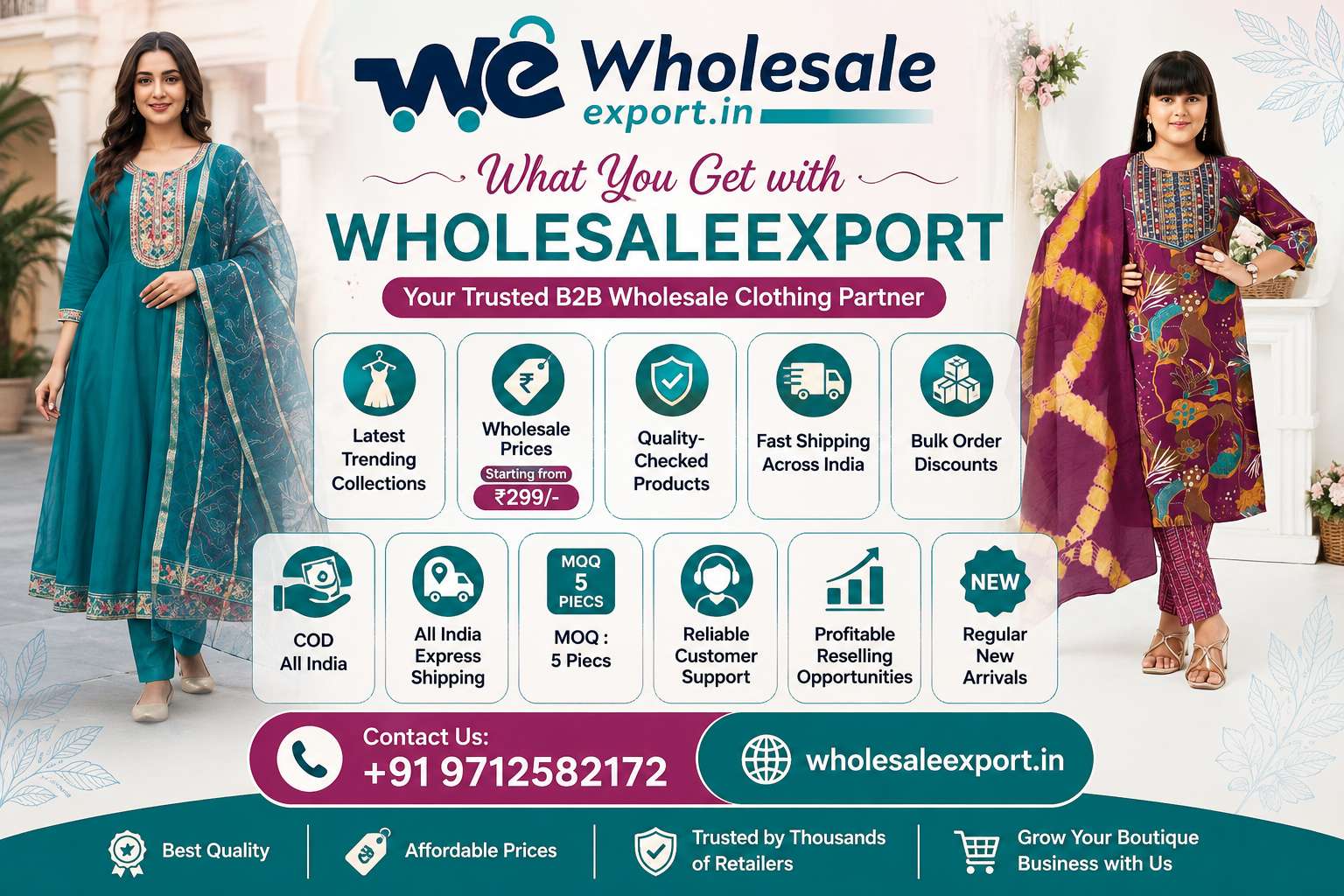
Best B2B Wholesale Clothing Platform for Boutique Owners in India 2026
Best B2B Wholesale Clothing Platform for Boutique Owners in India 2026
Running a successful boutique today requires much more than finding attractive garments. Retailers need fresh designs, dependable suppliers, manageable purchasing options, clear product information and a sourcing process that allows them to react quickly when customer preferences change. Digital wholesale sourcing is making this easier by connecting boutique businesses with collections from major Indian textile hubs without requiring a physical market visit for every purchase.
Introduction
The boutique clothing market has changed significantly in recent years. Customers discover fashion through Instagram, WhatsApp, short videos, influencers and online stores, which means trends can move from discovery to purchase remarkably quickly. A Boutique Owner who waits several weeks to update inventory may lose customers to sellers introducing fresh collections more frequently.
This changing environment has increased the importance of finding the best B2B wholesale clothing platform for boutique owners. A useful platform should do more than display products. It should help retailers discover relevant collections, understand wholesale price positioning, explore multiple categories and source according to the scale of their business.
For buyers in 2026, online wholesale sourcing can complement traditional market purchasing. Instead of travelling repeatedly to different textile cities, retailers can explore catalogs digitally, shortlist products and communicate with suppliers before committing their buying budget.
This model is useful not only for established Boutique Owners but also for Home-Based Sellers, Shop Owners, Showroom Owners, Resellers and professional Wholesale Buyers looking for a more flexible way to source women’s and kids’ fashion.
What Makes a Good B2B Wholesale Clothing Platform?
A wholesale platform should be evaluated from a business perspective rather than purely by the number of products displayed. A huge catalog is useful only when buyers can identify commercially relevant products and understand what they are purchasing.
The best platforms combine product variety with clear information, competitive wholesale pricing, regular new arrivals and support for different buyer requirements.
1. Wide Product Selection
Boutiques rarely depend on a single garment category throughout the year. Customer demand changes according to season, festivals, weddings and local fashion preferences.
A strong B2B clothing marketplace should therefore offer access to multiple categories such as kurtis, kurti sets, sarees, salwar suits, dress materials, Anarkali suits, co-ord sets, gowns, lehenga cholis and kids wear.
This variety allows boutique buyers to create a balanced inventory without searching for a completely different sourcing channel every time they want to introduce another category.
2. Regular New Collections
Fashion inventory cannot remain static. Customers who follow a boutique online expect to see something new when they return to its page or WhatsApp catalog.
Regular collections allow sellers to maintain this sense of freshness. Instead of buying enormous quantities of one catalog, boutiques can rotate products according to actual demand.
3. Clear Wholesale Price Information
Retail profitability starts with purchasing. Boutique Owners need enough margin to cover product cost, shipping, packaging, marketing, store expenses and other operating costs while still maintaining a commercially realistic selling price.
A useful online wholesale clothing platform should therefore make it easier for buyers to understand the applicable wholesale pricing and purchasing conditions before finalizing an order.
4. Product Quality and Reliable Information
Catalog photography can attract attention, but repeat business depends on the actual garment. Fabric, stitching, fitting, finishing and overall presentation influence customer satisfaction.
Wholesale buyers should look for suppliers that focus on premium product quality and provide accurate product specifications instead of encouraging purchases based only on attractive images.
Why Boutique Owners Are Moving Toward Online B2B Sourcing
Traditional wholesale market visits remain valuable, especially for buyers who want to inspect many products physically. However, regular sourcing trips require travel, accommodation, transportation and considerable time.
Online B2B sourcing gives retailers another option. Buyers can browse products from their store or home, compare collections and make purchasing decisions without travelling for every inventory refresh.
This is particularly useful for boutiques located far from major textile hubs and for international retailers who cannot regularly visit India.
Faster Product Discovery
Digital catalogs make it possible to review multiple styles quickly. A boutique can compare kurti sets, sarees, festive collections and kids wear within the same sourcing session.
This improves buying efficiency and allows retailers to spend more time on customer service, marketing and sales.
Better Inventory Flexibility
Fashion retailers need to balance variety with inventory risk. Purchasing too much of an untested design can block working capital, while purchasing too little variety can make a store appear repetitive.
A flexible wholesale clothing website in India can help boutiques discover different categories and plan smaller test purchases where applicable before increasing quantities in proven designs.
Why Surat Matters for Online Wholesale Clothing
Surat remains one of India’s most important textile and apparel sourcing centers. Its extensive network includes fabric producers, processors, garment businesses, catalog brands, wholesalers and traders serving markets throughout India and overseas.
The surat textile market ecosystem is particularly important for women’s fashion. Buyers can find sarees, dress materials, kurtis, salwar suits, gowns, lehengas and numerous other product categories across different price segments.
Commercial areas around ring road contain a dense concentration of textile markets, while sahara darwaza is another familiar reference point associated with Surat’s textile trade.
For boutique businesses, online sourcing can make this ecosystem more accessible. A retailer does not necessarily need to travel to Surat every time new stock is required.
Manufacturing and Wholesale Network
Surat’s strength comes from more than wholesale trading. The city is connected with a substantial textile manufacturing, processing and distribution network.
This ecosystem supports rapid introduction of new designs and allows buyers to explore products across everyday, festive and premium fashion segments.
Useful for Small and Large Buyers
A Home-Based Seller may require a carefully selected assortment, while a Showroom Owner may need greater inventory depth. Surat’s broad sourcing network supports both models through different suppliers and product structures.
The important step is finding a wholesale partner whose MOQ, pricing, product categories and service match the buyer’s actual business requirements.
Best Categories for Boutique Owners to Source in 2026
Successful boutiques usually build their identity through a thoughtful product mix. Rather than stocking every available design, they select categories that complement one another and suit their customers.
Wholesale Kurtis and Kurti Sets
Wholesale kurtis continue to be a practical boutique category because they can cover daily wear, office wear, casual styling and festive fashion depending on design and fabric.
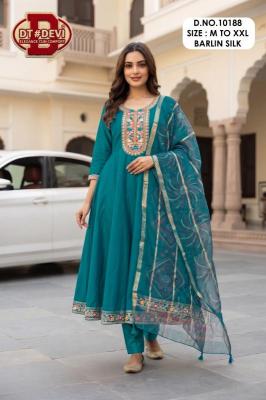
Kurti-pant and kurti-pant-dupatta sets add the convenience of coordinated styling. These products can be especially attractive to customers who want a complete outfit without separately matching different garments.
Wholesale Sarees
Wholesale sarees give boutiques access to a broad customer base. Printed and lighter styles can serve regular purchasing, while embellished and designer sarees can target festive and wedding customers.
A well-curated saree section can include multiple price levels so customers can shop according to both occasion and budget.
Kids Wear Wholesale
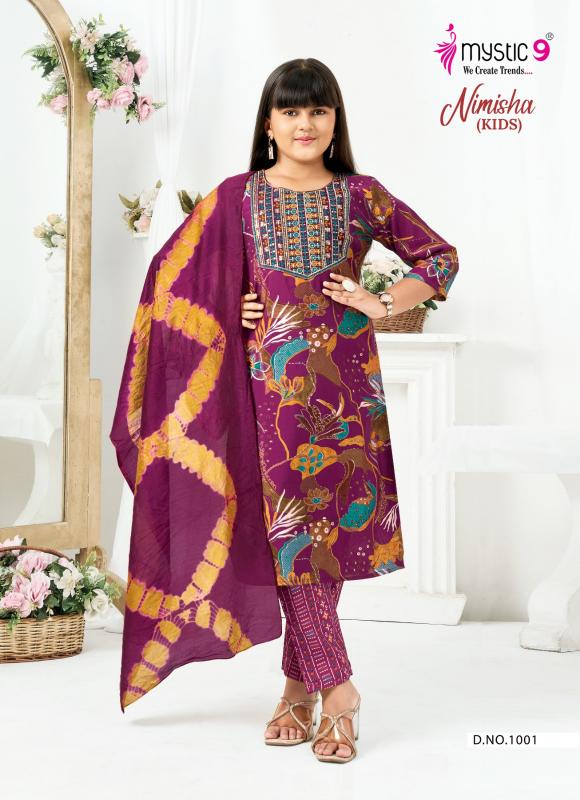
Kids’ fashion can help boutiques diversify beyond women’s apparel. Festive kids wear, ethnic sets and occasion-oriented clothing can create cross-selling opportunities for stores already serving families.
For example, a customer purchasing a festive outfit for herself may also be interested in clothing for children for the same celebration. This makes kids wear wholesale a commercially interesting complementary category.
How Wholesaleexport.in Fits the Boutique Sourcing Model
Wholesaleexport.in is designed for businesses searching for wholesale fashion collections through a digital sourcing channel. Rather than limiting buyers to one clothing segment, the platform can support product discovery across different women’s and kids’ fashion categories.
This makes it relevant to Boutique Owners who need regular variety as well as Resellers and Shop Owners building broader catalogs.
When considering the best B2B wholesale clothing platform for boutique owners, product availability is only one part of the decision. Retailers also need commercially useful pricing, quality-focused sourcing and an understanding of how wholesale businesses operate.
Suitable for Growing Businesses
A new boutique may begin with a limited buying budget and gradually expand according to customer response. Online sourcing allows such businesses to discover products without immediately carrying the overhead associated with large-scale market purchasing.
Established stores can use the same platform differently, sourcing new categories, identifying seasonal collections and supplementing existing inventory.
Useful for Resellers and Home-Based Businesses
Resellers often depend heavily on product freshness. Their customers see catalogs digitally, which means new products can quickly generate inquiries when presented to the right audience.
Home-Based Sellers can also benefit from online wholesale access because they can operate without maintaining a conventional retail storefront.
Vastralife’s Wholesale and Export Experience Since 2017
Industry experience becomes valuable when fashion businesses need to understand products beyond surface-level trends. Vastralife has wholesale and export experience since 2017, supported by practical knowledge of textile sourcing and women’s fashion categories.
This industry expertise helps in understanding the different priorities of retail buyers. A Boutique Owner may prioritize unique styles and frequent new arrivals. A Showroom Owner may require wider product depth. A reseller may focus on visually attractive designs that can be promoted efficiently online.
Wholesale Buyers may evaluate price, quantities and repeat availability more closely, while export customers additionally need organized communication around products and shipping.
Across these different requirements, premium product quality remains important. Retailers ultimately build their own reputation on the products they supply to their customers, making quality-focused sourcing a key part of sustainable wholesale relationships.
How Boutique Owners Should Compare Wholesale Platforms
Choosing a wholesale platform should be treated like choosing a business partner. Instead of judging a website by the number of products shown on its homepage, retailers should evaluate how well it supports their actual sourcing workflow.
Compare Product Relevance
A catalog containing thousands of unrelated products is not automatically useful. Boutique buyers should look for collections aligned with their customers’ age group, fashion preferences, budget and occasions.
If most of your customers purchase ethnic wear, prioritize a platform with depth in sarees, kurtis, suits and occasion wear. If your audience includes families, kids’ collections can become an important additional category.
Compare MOQ Requirements
MOQ can influence cash flow significantly. Ask whether products must be purchased as complete catalogs, whether sizes can be mixed and what minimum purchase requirements apply.
Smaller retailers may benefit from more flexible quantities, while larger buyers may prefer bulk purchasing for stronger economics on proven designs.
Compare New Arrival Frequency
A fashion platform that rarely changes its assortment may become less useful to a boutique over time. Regular New Arrivals provide retailers with opportunities to refresh their own marketing and encourage repeat customer visits.
Compare Support and Communication
Wholesale transactions often involve questions before an order can be finalized. Reliable Customer Support can help clarify product specifications, availability and commercial conditions.
This becomes particularly important for buyers placing orders remotely rather than visiting the wholesale market personally.
Building a Profitable Boutique Inventory
The best inventory is not necessarily the largest inventory. Profitable boutiques learn which categories deserve deeper stock and which should be purchased cautiously until customer demand is proven.
One useful strategy is to divide the assortment into core products, trending products and premium occasion products.
Core Products
These are styles that consistently generate sales. Depending on the boutique, they may include kurtis, kurti sets, sarees or everyday ethnic wear. Core products provide stability and can justify repeat purchasing.
Trending Products
These are newer silhouettes, colors or prints that customers are currently discovering. Co-ord sets, contemporary kurti styles and new seasonal designs may fall into this category.
Buy these thoughtfully until actual sales demonstrate that deeper inventory is justified.
Premium Occasion Products
Designer sarees, lehengas, Anarkali suits and premium festive clothing can increase average transaction value but may move more slowly than everyday garments. Boutique Owners should select these designs carefully according to local wedding and festival demand.
Serving Boutique Customers in India and Overseas
Digital wholesale sourcing is useful not only for retailers in India. Indian ethnic fashion also has customers across international markets, particularly among South Asian communities.
For this guide, USA, Singapore and New Zealand represent three different overseas markets where boutiques serving Indian and South Asian customers may consider sourcing Indian fashion.
USA
Indian fashion boutiques in the USA can build collections around weddings, festivals, family functions and cultural events. A mix of premium occasion wear and practical ethnic clothing can help serve customers across different budgets.
Singapore
Singapore’s multicultural market creates opportunities for ethnic and festive fashion. Retailers should focus on wearable collections appropriate to local climate and customer preferences while maintaining selected premium styles for celebrations.
New Zealand
Boutiques serving South Asian communities in New Zealand can use Indian wholesale sourcing to access designs that may not be widely available through local supply channels. Shipping and landed cost should be calculated carefully before establishing the final retail price.
Why Digital Wholesale Sourcing Can Improve Buying Decisions
A digital platform gives buyers the opportunity to browse before committing to a market trip or large order. This makes comparison easier and can help retailers develop a more structured purchasing plan.
Instead of buying impulsively from whichever supplier is visited first, a boutique can review several categories, establish a budget and decide how much capital should be allocated to everyday, trending and festive products.
This disciplined approach can improve inventory turnover and reduce the risk of holding too many similar designs.
Retailers using Wholesaleexport.in can explore collections according to their own business model, whether they are building an initial assortment or refreshing an established store.
How to Calculate the Right Buying Price
The wholesale purchase price is only the starting point of a boutique’s cost calculation. Retailers should include shipping, applicable taxes, packaging, advertising, payment costs and other legitimate operating expenses when estimating the actual cost of selling a product.
International buyers should additionally consider freight, customs requirements and destination-related expenses.
Once the total cost is understood, the retailer can set a selling price that provides a realistic margin while remaining suitable for the target customer.
Using this approach helps businesses evaluate products commercially rather than buying only because the wholesale rate appears attractive.
Boutique Owners interested in expanding their family-fashion inventory can explore kids wear wholesale collections as a complementary category. Retailers looking for a traditional premium segment can also consider Banarasi saree collections when planning festive and occasion-focused inventory.
Preparing Your Boutique for Long-Term Growth
The best B2B wholesale clothing platform for boutique owners should ultimately help a retailer make better purchasing decisions, not simply encourage more purchasing. Sustainable growth comes from understanding what sells, controlling inventory and developing reliable sourcing relationships.
Keep records of the categories, sizes, colors and price points that perform well. Use customer inquiries as additional buying data. If customers repeatedly request a particular style, that information should influence the next sourcing cycle.
As these records become stronger, a boutique can gradually move from instinct-based purchasing toward a more predictable inventory strategy.
How to Choose Products That Actually Sell in a Boutique
Finding attractive garments is relatively easy; selecting products that consistently generate sales requires more discipline. Boutique Owners should evaluate every collection from the customer’s perspective rather than purchasing only according to personal taste.
Start by reviewing previous sales. Identify which fabrics, sizes, colors, silhouettes and price ranges have performed consistently. If customers frequently request comfortable kurti sets, for example, allocate more buying budget to that category while testing newer fashion styles in controlled quantities.
Seasonality matters as well. Lightweight everyday garments can perform differently from wedding and festive collections. A well-planned boutique keeps enough core products for regular demand while introducing seasonal fashion at the right time.
Listen to Customer Questions
Customer inquiries are valuable buying data. If several customers ask whether a design is available in larger sizes, another color or a lower price range, those conversations can guide future sourcing.
Online sellers can collect similar information from WhatsApp replies, Instagram messages, product saves and repeated requests. Instead of guessing what customers want, use these signals to shape your next wholesale purchase.
Why Kids Wear Can Be a Smart Boutique Expansion Category
Boutiques that primarily sell women’s fashion can consider adding selected kids wear rather than immediately opening a completely separate department. Children’s ethnic and festive clothing can complement an existing family-oriented customer base.
Festivals, weddings, birthdays and family functions often create simultaneous purchasing requirements for adults and children. When the boutique can provide options for both, it creates additional cross-selling opportunities.
Start with a Curated Kids Collection
A retailer does not necessarily need hundreds of children’s garments to test this category. Begin with selected styles according to the age groups and occasions most relevant to existing customers.
Track which age ranges receive stronger demand and expand accordingly. The same data-driven approach used for women’s apparel can help reduce unnecessary inventory in kids wear.
Using Social Media to Sell Wholesale-Sourced Boutique Fashion
Buying the right product is only half of the retail process. Boutique Owners also need to present those products effectively. Instagram, Facebook, WhatsApp and short-form video platforms can help independent retailers reach customers beyond their immediate neighborhood.
Product photographs should clearly show the garment, while descriptions should communicate verified information such as fabric, sizes, number of pieces and relevant design details. Avoid exaggerating specifications simply to make a product sound more premium.
Create Content Around Customer Needs
Instead of posting only catalog images, boutiques can create styling ideas, new-arrival videos, festive recommendations, size guidance and occasion-based collections.
For example, a seller might create separate content around “Office Wear Kurti Sets,” “Wedding Guest Looks,” “Festive Kids Wear” or “Boutique Sarees Under a Selected Budget.” Such positioning makes it easier for customers to understand why they should consider a product.
Use New Arrivals to Encourage Repeat Engagement
Regular product updates provide a natural reason to communicate with existing customers. A boutique can announce weekly arrivals through WhatsApp Status, Instagram Stories or customer groups without repeatedly promoting the same inventory.
This is where access to a reliable B2B clothing marketplace becomes commercially useful. Regular sourcing can support regular marketing.
Wholesale Buying Mistakes Boutique Owners Should Avoid
Even experienced retailers can lose money through poor inventory decisions. The objective should not be to purchase the maximum quantity possible but to purchase products that can realistically move through the business.
Buying Too Much of an Untested Design
A catalog may look impressive, but customer response is never guaranteed. When possible, test new styles before committing significant capital to them.
Choosing Products Only Because They Are Cheap
The lowest price does not automatically produce the best profit. A slightly more expensive garment with better presentation, finishing or customer appeal may sell more easily and support a healthier retail margin.
Ignoring Size Requirements
Retailers should maintain records of their strongest-selling sizes. Buying attractive designs without the sizes customers actually require can result in missed sales and slow-moving inventory.
Ignoring Product Information
Do not assume fabric, embroidery technique or garment construction from photographs. Confirm important specifications with the supplier before marketing the item to customers.
Purchasing Without a Seasonal Plan
Fashion buying should consider upcoming festivals, weddings and weather conditions. A product purchased too late may have a much shorter selling window even when the design itself is attractive.
How a B2B Platform Helps Resellers Scale
Resellers often begin with a small customer network and expand gradually. Their biggest requirements are usually product variety, fresh catalogs and the ability to source according to actual sales.
A useful online wholesale clothing platform can reduce the time spent searching across unrelated suppliers. Resellers can concentrate more of their effort on customer acquisition, follow-ups and marketing.
As order volume grows, successful products can receive more attention while slow-moving categories can be reduced. This creates a more structured path from small-scale reselling toward a larger fashion business.
Build a Recognizable Product Identity
Resellers should avoid becoming a random catalog forwarding service. Customers are more likely to remember a seller who consistently offers a particular style or value proposition.
That identity could focus on affordable ethnic wear, boutique kurtis, festive fashion, premium sarees, kids wear or a carefully selected mix. Wholesale sourcing should support this identity rather than dilute it.
How Shop Owners Can Combine Offline and Online Sourcing
Physical Shop Owners do not need to choose between traditional wholesale markets and online B2B platforms. Both sourcing methods can work together.
A retailer may visit the surat textile market periodically to understand market movement, meet suppliers and physically inspect collections. Between visits, online sourcing can help maintain regular new arrivals and respond to immediate stock requirements.
This hybrid approach can reduce unnecessary travel while preserving the advantages of traditional market relationships.
Retailers familiar with ring road and sahara darwaza can also use digital sourcing to review products before planning their next Surat buying trip.
How Showroom Owners Can Use B2B Platforms Differently
Showroom Owners typically require greater inventory depth than smaller boutiques. For them, a digital platform can function as a product-discovery and supplementary sourcing channel.
New designs can be reviewed online before larger purchasing decisions are made. Showrooms can also use digital sourcing to identify categories that are missing from their existing assortment.
Combine Depth with Freshness
High-volume products may require deeper stock, but a showroom still needs new fashion to keep displays interesting. The strongest inventory model often combines proven designs in quantity with smaller selections of fresh arrivals.
This creates dependable stock without allowing the store to appear repetitive.
Wholesale Sourcing for International Boutique Owners
The advantages of a digital wholesale clothing website in India extend beyond domestic buyers. International Boutique Owners can explore Indian collections without travelling to the country for every purchase.
Retailers in the USA, Singapore and New Zealand, for example, may serve South Asian communities looking for Indian clothing for festivals, weddings, cultural functions and everyday wear.
International buyers should calculate the complete landed cost, including applicable freight, customs and destination charges, rather than evaluating profitability from the garment price alone.
Choose Collections for the Destination Market
A design selling strongly in India may not automatically perform equally well in another country. International boutiques should consider climate, local customer demographics, size demand, event calendars and expected retail price.
Thoughtful selection can produce better results than simply importing whichever catalog is currently trending.
Importance of Quality in Building Repeat Boutique Customers
A boutique may attract a first-time customer through design, advertising or competitive pricing, but product experience influences whether that customer returns.
Fabric feel, stitching, fitting and finishing all contribute to perceived value. This is why premium product quality should remain part of the sourcing decision even when the business competes in affordable price segments.
Quality does not necessarily mean every garment must be expensive. It means the product should provide an appropriate level of material, workmanship and presentation for its positioning.
Protect Your Boutique’s Reputation
Customers purchase from the retailer, not from the wholesaler behind the scenes. If a product disappoints them, it is the boutique’s reputation that is affected first.
Reliable sourcing should therefore be treated as part of customer service rather than only as a purchasing activity.
Internal Linking
A structured sourcing process becomes easier when buyers explore complementary product categories rather than viewing every catalog in isolation. Boutique Owners can compare kids wear, kurtis, sarees, suits and occasion collections to create a balanced inventory across different customer needs.
Wholesaleexport.in allows buyers to move between relevant categories and identify products suited to daily wear, festive demand, family shopping and premium boutique positioning. This can make purchasing more deliberate and help retailers allocate their buying budget according to actual business priorities.
Customer FAQs
1. What is a B2B wholesale clothing platform?
A B2B wholesale clothing platform connects clothing suppliers with business buyers such as boutiques, shops, showrooms, resellers and wholesale traders. Products are intended for commercial purchasing and resale rather than ordinary individual retail shopping.
2. What should boutique owners look for in a wholesale platform?
Look for relevant product variety, regular new arrivals, transparent product information, commercially workable pricing, suitable MOQ conditions, quality-focused sourcing and reliable customer support.
3. Can a home-based seller buy wholesale clothing online?
Yes. Online sourcing can be particularly useful for Home-Based Sellers because they can explore products remotely and build inventory according to their available budget and customer demand.
4. Which clothing categories are useful for boutique owners?
Kurtis, kurti sets, sarees, salwar suits, dress materials, co-ord sets, Anarkali suits, lehenga cholis, gowns and selected kids wear are among the categories boutiques can consider according to their target audience.
5. Is Surat good for wholesale clothing?
Yes. Surat has a large textile, garment, manufacturing and wholesale ecosystem. Its textile markets are widely used by buyers sourcing women’s apparel across multiple price segments.
6. Can boutique owners purchase products for export?
International purchasing is possible when the supplier supports the destination and relevant shipping requirements. Buyers should confirm freight, documentation, customs and destination-country import requirements before placing commercial orders.
7. How can I reduce unsold boutique inventory?
Track sales by category, design, size, color and price range. Test unfamiliar styles in controlled quantities where possible and increase purchasing only when customer demand becomes clearer.
8. Is buying directly from manufacturing units always cheaper?
Direct manufacturing can offer attractive economics for suitable quantities, but manufacturers may require larger minimum orders. Multi-brand wholesalers can sometimes provide greater assortment flexibility. The right option depends on your business size and product requirements.
9. How often should a boutique introduce new collections?
There is no universal schedule. The ideal frequency depends on customer demand and inventory turnover, but consistent new arrivals can help encourage repeat visits and provide fresh content for digital marketing.
10. Is Wholesaleexport.in suitable for boutique sourcing?
Wholesaleexport.in is positioned for business buyers looking to discover wholesale fashion collections online, including Boutique Owners, Resellers, Shop Owners, Showroom Owners, Home-Based Sellers and other Wholesale Buyers.
Why Industry Experience Matters When Choosing a Wholesale Partner
Fashion sourcing involves more than knowing which designs currently look attractive. Long-term industry experience helps a supplier understand product cycles, buyer requirements, market changes and the practical challenges retailers face.
Vastralife’s wholesale and export experience since 2017 contributes industry expertise to this sourcing approach. Understanding textile products, retailer requirements and different business models helps create a more practical relationship between wholesale sourcing and retail selling.
This matters because the needs of a Home-Based Seller are different from those of a large Showroom Owner. A good sourcing ecosystem should recognize those differences rather than treating every wholesale customer identically.
Start Sourcing for Your Boutique with Wholesaleexport.in
If you are searching for the best B2B wholesale clothing platform for boutique owners, focus on a sourcing partner that can support both your current inventory requirements and your future growth.
Wholesaleexport.in gives fashion businesses an opportunity to explore Latest Collections, compare Wholesale Pricing and discover Trendy Ethnic Wear suitable for different customer segments.
Buyers can inquire about Fast Shipping, applicable COD Support for eligible domestic orders, Bulk Order Deals and Quality Products Starting From ₹299, subject to product availability and applicable order terms.
Whether you operate a boutique, retail shop, showroom, online reselling business or home-based fashion store, choosing collections according to real customer demand can help you use your buying budget more effectively.
Contact Number: +91 9712582172
Website: wholesaleexport.in
Conclusion
The boutique business in 2026 rewards retailers who can combine strong product selection with faster inventory decisions. Digital wholesale sourcing gives businesses access to new collections without requiring repeated physical market visits, while established textile centers such as Surat continue to provide the manufacturing and trading ecosystem behind much of India’s fashion supply.
The right B2B platform should help retailers discover commercially useful products rather than simply overwhelm them with catalogs. Product variety, appropriate pricing, reliable information, manageable sourcing options and consistent quality all contribute to a healthier retail business.
For Boutique Owners, Home-Based Sellers, Shop Owners, Showroom Owners, Resellers and Wholesale Buyers, the strongest strategy is to understand customers first and purchase accordingly. Track what sells, test new trends carefully, maintain regular new arrivals and develop dependable supplier relationships.
When wholesale sourcing and customer demand work together, a boutique can move beyond random purchasing and build a collection with a clear identity, stronger inventory turnover and better long-term growth potential.