


Banarasi Dress Material Wholesale Suppliers: Latest Collection & Buying Guide 2026
Banarasi Dress Material Wholesale Suppliers: Latest Collection & Buying Guide 2026
Banarasi-inspired dress materials bring together traditional Indian aesthetics and the flexibility of custom stitching, making them an attractive category for women's ethnic wear businesses. Rich woven patterns, elegant motifs, festive colour combinations and coordinated dupattas give retailers the opportunity to serve customers who want traditional styling while retaining the freedom to stitch an outfit according to their preferred fit and design.
Introduction
The demand for Banarasi Dress Material Wholesale Suppliers continues to create opportunities for retailers, boutiques, resellers and wholesale buyers looking for distinctive ethnic wear. Unlike ready-made outfits, dress materials allow customers to personalise the neckline, sleeves, fitting and overall silhouette while still enjoying the visual richness associated with Banarasi-inspired designs.
This flexibility makes the category relevant across different customer groups. Some shoppers prefer traditional salwar suits with richly designed dupattas, while others convert dress materials into straight suits, contemporary kurta sets or festive outfits. For retailers, one product category can therefore serve several styling preferences.
Surat plays an important role in wholesale sourcing because of its extensive textile ecosystem. The Surat textile market connects fabric processing, designing, weaving, trading, garment manufacturing and wholesale distribution. Commercial areas around Ring Road and Sahara Darwaza remain important references for buyers exploring women's ethnic wear and dress material collections.
Wholesaleexport.in provides another route for buyers who cannot regularly travel to Surat. Home-based sellers, shop owners, boutique owners, showroom owners, resellers and established wholesale buyers can explore changing collections and plan purchases according to their customers, budget and selling model.
What Makes Banarasi Dress Materials Different?
Banarasi-inspired textiles are recognised for their traditional visual character. Depending on the collection, designs may feature woven floral motifs, buti patterns, ornamental borders, jacquard-style detailing, zari-inspired effects and richly coordinated dupattas.
Wholesale buyers should understand that the term Banarasi can be used across different commercial fabric constructions and design interpretations. Product specifications should therefore be checked individually rather than assuming that every catalogue uses identical yarns, weaving techniques or fabric composition.
Traditional Look with Flexible Stitching
One of the strongest commercial advantages of Banarasi dress material wholesale collections is customisation. Customers purchasing unstitched material can decide how they want the final outfit to look.
A younger customer may choose a contemporary straight-cut suit, while another customer may prefer a traditional salwar or churidar combination. Boutique customers can add personalised necklines, sleeves and finishing according to individual preferences.
This flexibility is especially valuable for retailers serving customers who prefer customised measurements rather than standard ready-made sizes.
Festive Appeal Without Depending on One Silhouette
Ready-made fashion can become strongly associated with a particular cut or trend. Dress materials offer more freedom because the same fabric can be stitched differently depending on current preferences.
Banarasi-inspired designs can therefore work well for festive shopping, weddings, family functions, religious celebrations and gifting. Retailers can maintain both subtle and richer designs to cover multiple customer budgets.
Why Banarasi Dress Materials Remain Relevant in 2026
Ethnic fashion in 2026 is increasingly influenced by the combination of tradition and personal styling. Customers may discover fashion through social media, but many still want garments that feel individual rather than completely standardised.
Unstitched dress materials fit naturally into this preference. Customers can select a fabric they like and work with their preferred tailor or boutique to create a personalised outfit.
Growing Interest in Traditional Textile Aesthetics
Indian textile traditions continue to influence contemporary fashion. Traditional motifs, woven textures and decorative borders are frequently adapted into modern suits and fusion outfits.
For retailers, Banarasi suit material wholesale collections provide a way to participate in this demand without restricting customers to one ready-made silhouette.
Suitable for Multiple Age Groups
The category can appeal to a broad customer base when the collection is selected carefully. Mature customers may prefer traditional combinations with rich borders, while younger buyers may choose softer colours, smaller motifs or designs that can be stitched into cleaner silhouettes.
A retailer does not need to assume that Banarasi styling belongs only to heavy festive fashion. Lighter interpretations can also be positioned for semi-formal occasions and elegant traditional wear.
Strong Gifting Potential
Dress materials can also work as gifts because the recipient retains control over the final fitting. Attractive packaging and coordinated fabrics can increase the perceived value of the product during festivals, weddings and family occasions.
Why Surat Is Important for Dress Material Wholesale Sourcing
Surat has developed into one of India's most important textile trading and production ecosystems. Its strength is not limited to a single fabric or garment category. Buyers can explore dress materials, sarees, kurtis, salwar suits and numerous other women's wear products through the city's extensive supply network.
For businesses searching for dress material wholesalers in Surat, this concentration provides an opportunity to compare multiple designs and price segments while sourcing complementary products during the same buying cycle.
Surat Textile Market and Wholesale Variety
The Surat textile market supports buyers ranging from small resellers to established wholesalers. Different collections can serve budget-focused retail stores, boutiques, regional distributors and businesses looking for premium ethnic wear.
The city's strong connection between fabric supply, processing and wholesale trading also helps the market respond to changing demand. New colours, prints, woven patterns and combinations can enter wholesale channels regularly.
Ring Road Wholesale Market
Ring Road is closely associated with Surat's textile trade and is surrounded by numerous textile market complexes. Buyers visiting Surat often explore this broader commercial belt while comparing products and suppliers.
For retailers, the advantage is choice. Rather than depending on one catalogue, buyers can evaluate several product types and build an assortment suited to their own market.
Sahara Darwaza Textile Sourcing
Sahara Darwaza is another familiar reference within Surat's textile trading landscape. The surrounding market ecosystem gives buyers access to numerous wholesale categories and helps make Surat an important sourcing destination for businesses from different parts of India.
Online sourcing now extends these opportunities to buyers who cannot travel frequently. Wholesaleexport.in helps businesses explore wholesale women's wear collections while remaining connected with Surat's broader textile supply environment.
Popular Banarasi Dress Material Styles for Wholesale Buyers
A successful wholesale assortment should not contain only one type of Banarasi-inspired design. Customers have different budgets and occasions, so retailers benefit from creating a varied collection.
Banarasi Jacquard Dress Materials
Jacquard-style patterns can create texture and visual richness directly within the fabric. Depending on the design, these materials may feature floral elements, traditional motifs or geometric patterns.
Banarasi jacquard dress material can appeal to customers who appreciate woven-looking details and want an outfit with a richer appearance than basic printed fabric.
Banarasi Dress Materials with Dupatta
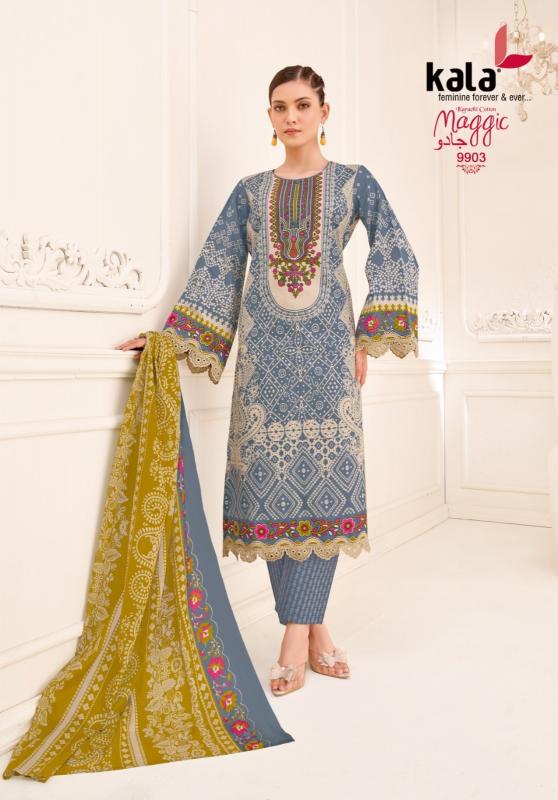
The dupatta can become the visual highlight of a dress material set. A relatively understated top and bottom can be paired with a richly designed Banarasi-inspired dupatta to create an elegant complete combination.
This approach is commercially useful because customers can achieve a festive appearance without requiring heavy decoration across the entire outfit.
Banarasi Silk-Inspired Suit Materials
Silk-inspired finishes can add richness and make dress materials more suitable for celebrations and special occasions. Wholesale buyers should check the exact fabric composition and specifications of each collection rather than relying only on product naming.
The retail positioning should match the actual material, finish and overall quality of the set.
Floral and Buti Pattern Collections
Small buti patterns and traditional floral motifs can create an elegant appearance without making the fabric excessively elaborate. These designs may be easier for retailers to sell across several age groups because they combine traditional styling with versatility.
Festive Banarasi Dress Materials
Festive collections can include richer colour combinations, prominent borders and more elaborate woven effects. Maroon, wine, bottle green, royal blue, mustard and other traditional shades can work well, while pastel tones can provide a softer contemporary alternative.
Retailers should select colours according to actual customer demand rather than assuming every festive shade will perform equally well in every region.
How Retailers Should Select Banarasi Dress Materials
Wholesale buying should begin with an understanding of the final customer. An attractive catalogue can catch attention, but commercial success depends on whether the product matches the retailer's local market.
Identify Your Main Customer Segment
A boutique customer may look for distinctive fabrics and be willing to invest in custom stitching, while a price-sensitive retail customer may prioritise affordability. Home-based sellers may need products with strong catalogue presentation because customers often make decisions from photographs.
Understanding these differences allows buyers to select Banarasi Dress Material Wholesale Suppliers and collections more intelligently.
Create Multiple Price Ranges
A balanced retail assortment can include affordable, mid-range and premium options. This allows sales staff to respond when customers ask for alternatives within a specific budget.
Wholesale price should always be compared with fabric quality, design, dupatta, finishing and expected retail potential. Purchasing the cheapest available product is not necessarily the best strategy if it does not meet customer expectations.
Select Designs with Stitching Potential
Retailers should consider how the material will look after stitching. Placement of motifs, borders and decorative elements can influence the final garment design.
Boutique owners may find this particularly useful because they can guide customers on neckline, sleeve and kurta-length options based on the fabric pattern.
Quality Factors to Check Before Buying Wholesale
Quality becomes especially important when selling dress materials because customers often inspect the fabric closely before deciding how much additional money to spend on stitching.
Fabric Construction and Finish
Buyers should understand the actual fabric composition, texture, weight and finish. Product descriptions should be communicated accurately to customers, particularly when different fabric blends or silk-inspired materials are involved.
Weaving and Motif Consistency
Decorative patterns should appear consistent throughout the material. Buyers should check the overall presentation, border placement and whether the design provides sufficient usable fabric for the intended garment.
Dupatta Quality
In many dress material sets, the dupatta contributes significantly to the perceived value. Its design, border, colour coordination and overall finishing should therefore be considered carefully.
Colour Coordination
The top, bottom and dupatta should create a visually balanced combination. Contrasting sets can be attractive, but the colours should still work together when the complete outfit is stitched.
Wholesale Buying Strategy for Shops, Boutiques and Resellers
Inventory planning should balance variety with working capital. Buying too many pieces of one design can become risky if customer response is weaker than expected.
Start with Variety
New retailers and home-based sellers can test different colours, designs and price segments before increasing quantities. Customer inquiries and confirmed orders will gradually reveal which products deserve deeper inventory.
Use Sales Data for Repeat Orders
Retailers should record which patterns, colours and price ranges generate the strongest sales. This information can make future purchasing more accurate and reduce dependence on personal assumptions.
Refresh Inventory Regularly
Customers appreciate seeing new products. Regular additions to a dress material collection can encourage repeat visits to physical stores as well as continued engagement through WhatsApp and social media.
Wholesaleexport.in can be useful for businesses that want to explore changing women's ethnic wear collections without depending entirely on occasional physical visits to the wholesale market.
Banarasi Dress Material Opportunities for Home-Based Sellers
Home-based sellers can market dress materials without operating a large retail showroom. Digital catalogues, WhatsApp groups, social media and personal customer networks provide practical channels for presenting new designs.
Dress materials can be especially suitable for sellers whose customers prefer customised stitching. Instead of maintaining complicated ready-made size inventories, the seller can focus on fabric designs, colours and price ranges.
Provide Accurate Product Information
Online customers should know what the set contains and receive accurate information regarding the fabrics and relevant measurements. Clear communication creates confidence and reduces misunderstandings.
Show Design Details Clearly
Full product photographs are useful, but close-up images of borders, woven motifs and dupatta detailing can help customers appreciate the design more accurately.
How Boutiques Can Use Banarasi Dress Materials
Boutiques have an additional opportunity because they can combine fabric sourcing with customised design services. A carefully selected material can become a distinctive outfit when paired with the right cut, lining and finishing.
Boutique owners can guide customers toward straight kurtas, A-line silhouettes, traditional salwar combinations or contemporary designs according to the pattern and placement of the fabric.
Vastralife's wholesale and export experience since 2017 contributes practical industry expertise to the sourcing approach associated with Wholesaleexport.in. Understanding retail requirements, changing trends and the importance of premium product quality helps support buyers looking for commercially relevant women's wear collections.
Banarasi Dress Material Export Opportunities
Indian ethnic wear also serves customers outside the domestic market. Dress materials can appeal to overseas shoppers who value Indian textile aesthetics while preferring outfits stitched according to their own measurements.
For wholesale buyers in Singapore, Canada and New Zealand, collection selection should consider local customer preferences, shipping economics and expected retail price. International buyers should also calculate their complete landed cost rather than considering the garment or fabric rate alone.
Plan International Inventory Carefully
A new export buyer can begin with a varied assortment to understand which colours and designs generate stronger demand. Once successful patterns emerge, future orders can be adjusted accordingly.
This reduces the risk of committing too much capital to one style before the destination market has been properly tested.
Consider Shipping and Order Value Together
International freight can influence the final cost per product. Buyers should evaluate order quantities, shipment weight and product value together when planning an export dress material order from India.
Preparing for the Next Stage of Wholesale Growth
As a retail business grows, purchasing decisions should become increasingly data-driven. Instead of buying only according to what looks attractive in a catalogue, businesses can track fast-moving designs, customer budgets, preferred colours and seasonal demand.
The Banarasi Dress Material Wholesale Suppliers category can provide opportunities for home-based sellers, boutiques, shops and showrooms when inventory is selected according to real customer needs. Traditional aesthetics, flexible stitching and multiple price segments make the category adaptable to different retail models.
The next stage of this guide will cover related wholesale categories, the two required internal links, international and domestic selling strategies, common buying mistakes, customer FAQs and a practical CTA for buyers ready to explore new collections for 2026.
Internal Linking: Explore Related Wholesale Categories
Retailers who want to expand beyond Banarasi-inspired collections can explore wholesale dress materials in Surat to compare additional fabrics, patterns, colour combinations and price segments. Maintaining complementary dress material varieties can help a shop serve customers looking for daily wear, festive wear and premium ethnic outfits within the same business.
Businesses developing a broader apparel inventory can also explore men's wear wholesale collections. Diversification can be useful for established retailers that already have regular customer traffic and want to increase the number of product categories available under one roof.
Category expansion should always be planned carefully. Adding more products is beneficial when they match existing customer demand and available working capital. Retailers should avoid investing in unrelated categories simply to make their inventory appear larger.
How to Sell Banarasi Dress Materials More Effectively
Successful wholesale purchasing is only the first step. Once products reach a retail shop, boutique or reseller, presentation and communication influence how quickly the inventory moves. Banarasi-inspired dress materials often contain details that customers need to see clearly before understanding their complete value.
Display the Complete Three-Piece Combination
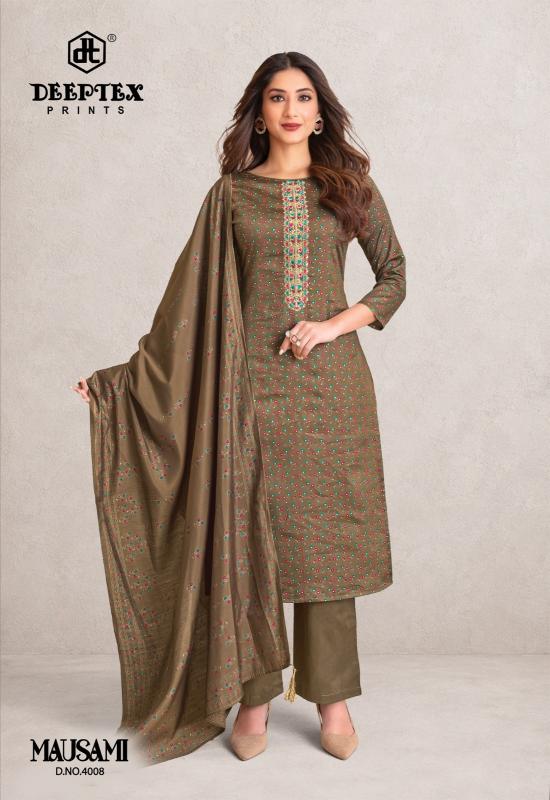
If a dress material includes fabric for the top, bottom and dupatta, show the complete combination rather than displaying only the main fabric. The dupatta may be one of the strongest visual features of the set, particularly when it contains woven motifs, decorative borders or contrasting colours.
Physical retailers can arrange the fabrics so customers immediately understand the complete outfit. Online sellers can use multiple photographs or short videos to demonstrate each component separately.
Explain Stitching Possibilities
Customers sometimes hesitate to purchase unstitched material because they cannot visualise the finished garment. Retailers and boutique owners can improve conversion by suggesting suitable silhouettes based on the fabric design.
A material with a prominent border might work beautifully for a straight kurta, while another design may suit an A-line silhouette or traditional salwar suit. Helping customers imagine the finished outfit adds value beyond simply selling fabric.
Organise Collections by Price and Occasion
Separating everyday, semi-formal and festive collections can simplify the shopping experience. Customers looking for a wedding outfit should be able to identify premium options quickly, while buyers searching for reasonably priced traditional wear should have a dedicated selection.
The same approach works online. Sellers can create separate WhatsApp albums or digital catalogue sections according to price range and occasion.
Digital Selling Strategy for Home-Based Sellers and Resellers
Digital selling allows entrepreneurs to reach customers without investing immediately in a large physical store. For home-based sellers and resellers, Banarasi dress materials can be a practical category because there is no need to maintain the same complicated size distribution required for ready-made garments.
Use Detailed Catalogue Images
Customers should be able to see the colour combination, motifs, border and dupatta clearly. If multiple images are available, show the full set first and then provide close-up views of important details.
Short videos can also help demonstrate fabric fall, shine and overall presentation more effectively than a single photograph.
Write Clear Product Descriptions
A useful description should tell customers what they need to make a purchasing decision. Mention the set contents, relevant fabric details, available colours and other important specifications supplied with the product.
Avoid exaggerated claims that cannot be verified. Accurate product communication builds trust and can contribute to repeat business.
Promote Regular New Arrivals
Customers who purchase ethnic wear may not buy every week, but regular new-arrival updates keep a seller visible. When a festival, wedding or family event approaches, customers are more likely to remember businesses whose collections they have been seeing consistently.
Wholesaleexport.in can support this type of inventory planning by giving buyers access to changing wholesale categories suited to different retail segments.
Seasonal Demand for Banarasi Dress Materials
Traditional ethnic wear often receives increased attention around festivals and wedding seasons, but retailers should avoid treating Banarasi-inspired products as purely seasonal merchandise. The right designs can also sell for gifting, family functions, religious occasions and semi-formal events throughout the year.
Festive Season Planning
Retailers should prepare festive inventory early enough to market it before peak shopping begins. Waiting until customer demand reaches its highest point can limit design availability and create unnecessary pressure on dispatch schedules.
Rich colours, statement dupattas and traditional motifs can form the core festive assortment, while lighter designs can provide options for customers who prefer subtle styling.
Wedding and Family Function Demand
Wedding-related shopping is not limited to bridal garments. Family members and guests often need multiple outfits for different functions. Banarasi-inspired dress materials can provide an elegant option for customers who want a personalised fit and traditional presentation.
Gifting Opportunities
Retailers can also position selected dress materials as gifting products. Attractive combinations with good presentation can be suitable for festivals, weddings and family occasions, particularly for customers who prefer giving fabric rather than a ready-made garment in a fixed size.
How Showroom Owners Can Build a Broader Dress Material Department
Showroom owners generally need greater inventory depth than small resellers. Instead of maintaining one large undifferentiated dress material section, products can be organised by fabric, styling, occasion and price.
A Banarasi-inspired section can sit alongside printed suits, embroidered dress materials, cotton collections, festive materials and other popular women's wear categories. This makes navigation easier for customers and helps sales staff understand which products to recommend.
Maintain a Good-Better-Premium Structure
Retailers can create three broad value levels. The affordable range can focus on commercially attractive designs at accessible prices. Mid-range products can offer richer combinations and detailing, while premium products can emphasise fabric quality, distinctive motifs and elaborate dupattas.
This structure gives customers choices without forcing them into a single price segment.
Monitor Sell-Through Instead of Only Stock Quantity
Having a large inventory does not automatically mean having a successful inventory. Retailers should measure how quickly each category sells and how much capital remains tied up in older products.
Fast-moving designs can be replenished when possible, while consistently slow-moving styles should influence future buying decisions.
Common Mistakes When Buying Dress Materials Wholesale
Wholesale buyers can improve profitability by avoiding purchasing habits that create unnecessary stock or customer dissatisfaction.
Buying Only According to Catalogue Appearance
Professional photography can make a product attractive, but buyers should also understand fabric specifications, set contents and actual commercial positioning. A photograph alone should not determine a large wholesale purchase.
Purchasing Too Many Similar Designs
Several catalogues may contain different design numbers while offering very similar colour palettes or motifs. Buying too many comparable products can reduce the sense of variety customers see in a store.
Ignoring Local Price Sensitivity
A premium collection may sell well in one market and move slowly in another. Buyers should understand the retail price levels their customers are comfortable paying before selecting quantities.
Focusing Only on Low Wholesale Price
The cheapest product does not necessarily create the highest profit. If quality is inconsistent or the design lacks customer appeal, inventory may remain unsold. The right purchasing decision considers product quality, demand, selling price and expected turnover together.
Overstocking Before Testing Demand
New sellers should be especially careful about purchasing large quantities of an unfamiliar design. Testing multiple styles in controlled quantities can provide valuable sales information before additional capital is committed.
Why Supplier Reliability Matters for Long-Term Business
Retail businesses benefit when sourcing becomes predictable. A reliable wholesale relationship is not only about receiving a competitive price; it also involves clear product information, communication, appropriate packaging and dependable dispatch.
When retailers regularly receive products that match their expectations, they can market collections with greater confidence. This is particularly important for resellers who may have already accepted customer orders before receiving the merchandise themselves.
Businesses researching Banarasi Dress Material Wholesale Suppliers should therefore consider the complete buying experience rather than comparing suppliers solely on per-piece rates.
Wholesale and Export Opportunities in 2026
The combination of traditional textile aesthetics and digital commerce creates opportunities for Indian wholesalers to serve businesses across multiple markets in 2026. Retailers no longer need to depend entirely on physical buying trips to discover changing collections.
For international buyers in Singapore, Canada and New Zealand, Indian dress materials can provide a distinctive product category for customers interested in traditional and contemporary South Asian fashion.
Export planning should nevertheless remain commercial. Buyers need to understand shipping costs, destination demand, customer budgets and expected inventory turnover. A carefully selected smaller assortment can sometimes provide better results than a large shipment built without market data.
Why Choose Wholesaleexport.in for Dress Material Wholesale?
Wholesaleexport.in is designed for businesses searching for women's ethnic wear sourcing opportunities connected with Surat's extensive textile ecosystem. The platform can serve shop owners, boutique owners, showroom owners, home-based sellers, resellers and wholesale buyers looking to explore new collections for their customers.
The sourcing approach is supported by Vastralife's wholesale and export experience since 2017. Years of industry involvement provide practical understanding of retailer requirements, product selection, changing fashion demand and the importance of consistent service.
Premium product quality remains important because the retailer's own reputation ultimately depends on the merchandise delivered to customers. Attractive pricing can generate interest, but dependable quality and appropriate product selection help create repeat business.
For buyers exploring the Banarasi Dress Material Wholesale Suppliers category, Wholesaleexport.in offers a practical way to discover women's wear collections while benefiting from access to Surat's established textile sourcing environment.
Customer FAQs
1. Where can I buy Banarasi dress materials wholesale?
Wholesale buyers can explore suppliers through Surat's textile trading ecosystem, including commercial markets around Ring Road and Sahara Darwaza. Buyers who cannot visit Surat regularly can also explore online wholesale collections through Wholesaleexport.in according to current product availability.
2. What is the wholesale price of Banarasi dress material?
The wholesale price depends on fabric composition, weaving or design details, dupatta quality, set combination, brand and order quantity. Simple commercial designs and richer premium collections can therefore fall into different price segments.
3. Are Banarasi dress materials suitable for retail shops?
Yes. They can be useful for stores serving customers who prefer customised stitching, traditional textile aesthetics and festive ethnic wear. Retailers should select designs according to local customer demand and budget.
4. Can home-based sellers buy dress materials wholesale?
Yes. Dress materials can be practical for home-based selling because sellers do not need to manage the same size inventory as ready-made clothing. Products can be promoted through WhatsApp, social media and digital catalogues.
5. Are Banarasi dress materials suitable for boutiques?
Yes. Boutique owners can combine distinctive fabrics with customised stitching services to create personalised outfits. Fabric selection should consider motif placement, borders, dupatta design and the final silhouette the customer wants.
6. Can Banarasi dress materials be ordered in bulk from Surat?
Wholesale buyers can source dress material collections through Surat's textile ecosystem. Before placing a bulk order, buyers should confirm current availability, catalogue quantity, product specifications, wholesale rates and dispatch conditions.
7. Can dress materials be exported internationally?
Dress materials can be considered for international wholesale businesses subject to shipping arrangements and destination requirements. Buyers should calculate the complete landed cost and select products appropriate for their local customer base.
8. What should I check before buying Banarasi dress materials?
Check fabric composition, texture, motif consistency, colour combination, border placement, dupatta quality, set contents and overall finishing. Wholesale price should be considered together with these quality factors.
9. Why is Surat popular for dress material wholesale?
Surat has an extensive textile ecosystem involving fabric production, processing, trading, design, manufacturing and distribution. This gives wholesale buyers access to numerous women's ethnic wear categories across different price ranges.
10. How can I make a dress material business more profitable?
Track fast-moving designs, understand customer budgets, avoid excessive stock, calculate complete business costs and refresh inventory regularly. Profitability depends not only on margin per piece but also on how efficiently inventory converts back into cash.
Start Your Wholesale Dress Material Order Today
Whether you are starting a home-based reselling business or purchasing inventory for an established boutique, shop or showroom, choose products according to genuine customer demand. Compare fabric quality, designs, price points and potential retail value before deciding quantities.
- Latest Collections – Explore fresh and regularly updated women's ethnic wear designs.
- Wholesale Pricing – Business-focused pricing for retailers, boutiques and resellers.
- Trendy Ethnic Wear – Discover traditional and contemporary collections for different customer segments.
- Fast Shipping – Convenient dispatch support for wholesale purchases.
- COD Support – Available on eligible orders according to applicable terms.
- Bulk Order Deals – Wholesale opportunities for businesses purchasing larger quantities.
- Quality Products Starting From ₹299 – Explore value-focused products across available wholesale categories.
Contact Number: +91 9712582172
Website: wholesaleexport.in
Banarasi-inspired dress materials combine the beauty of traditional Indian textile styling with the practical advantage of customised stitching. For retailers, the category can serve festive shoppers, boutique customers, gift buyers and customers who simply prefer an outfit made to their own measurements. By selecting dependable products, maintaining sensible inventory levels and using Surat's strong manufacturing and wholesale ecosystem effectively, businesses can build a dress material collection designed for sustainable sales throughout 2026 and beyond.