


Baluchari Saree Wholesale Guide: Designs, Price & Buying Tips for 2026
Baluchari Saree Wholesale Guide: Designs, Price & Buying Tips for 2026
Baluchari sarees bring together textile heritage, detailed weaving and an unmistakably artistic character. Known especially for elaborate pallus and narrative-inspired motifs, these sarees can add depth to a retailer's traditional and premium ethnic wear assortment. For boutiques, showrooms, resellers and online businesses, understanding fabric varieties, design preferences, sourcing options and customer expectations is essential before investing in this distinctive saree category.
Introduction
The Indian saree market in 2026 is shaped by two seemingly different customer preferences. Shoppers want fresh colours and contemporary styling, but they also increasingly appreciate products that carry cultural identity and traditional craftsmanship. Baluchari sarees fit naturally into this intersection because their appeal extends beyond simple fabric or colour.
A well-planned Baluchari Saree Wholesale Guide should therefore cover more than the latest catalogue. Professional buyers need to understand what distinguishes Baluchari-inspired designs, how fabric and weaving affect price, which products suit different retail audiences, how to evaluate suppliers, and how to create an inventory that can generate sustainable sales.
This information is particularly useful for Home-Based Sellers, Shop Owners, Boutique Owners, Showroom Owners, Resellers and Wholesale Buyers. Each operates at a different scale, but all share the same fundamental requirement: attractive merchandise that matches the expectations and spending capacity of their customers.
What Makes Baluchari Sarees Distinctive?
Baluchari sarees have a celebrated association with Bengal's textile heritage. Their identity is closely connected with intricate woven designs, decorative pallus and storytelling motifs. Traditional examples can feature scenes and figures inspired by mythology, culture and artistic narratives, creating a saree that feels almost like wearable textile art.
In today's commercial wholesale environment, buyers may find traditional handwoven Baluchari sarees alongside silk variations and commercially produced Baluchari-inspired designs. These products can belong to very different quality and price segments. Buyers should therefore verify exact product specifications rather than assuming that every saree sold under a similar category name has identical construction.
Detailed Pallu Designs
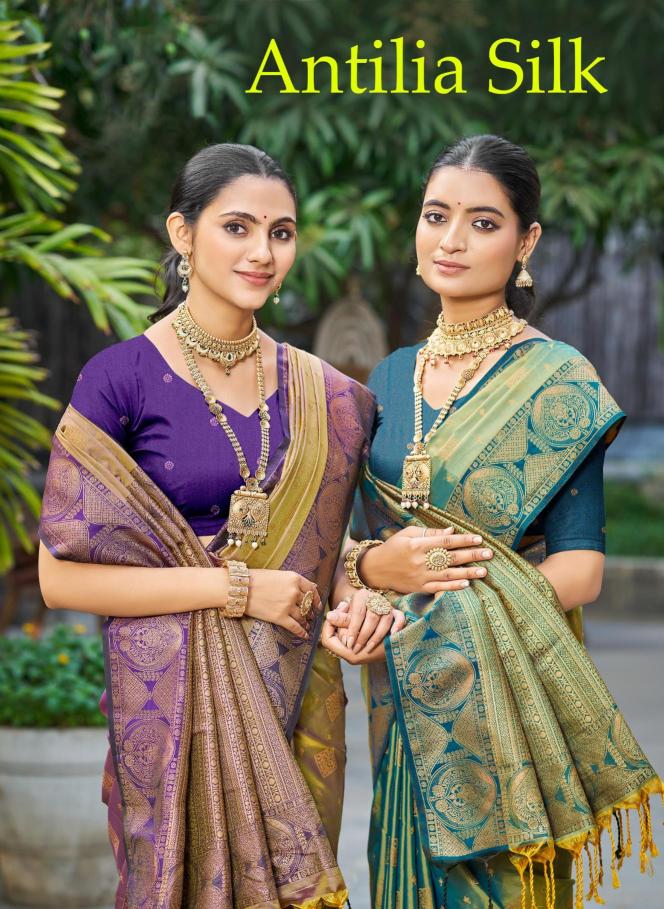
The pallu is often the visual highlight of a Baluchari-style saree. Instead of depending mainly on stones, sequins or surface embellishments, much of the beauty can come from woven detailing and carefully arranged motifs.
This creates an important selling advantage. When displayed correctly, the pallu can become the focal point of product photographs, showroom displays and social media videos. Boutique Owners can use this visual richness to differentiate their collection from more common fashion sarees.
Traditional Motifs with Artistic Character
Traditional motifs are another reason Baluchari sarees remain recognizable. Depending on the design, buyers may encounter figurative elements, floral patterns, ornamental borders and narrative-inspired motifs.
Retailers should show close-up photographs of these details whenever selling online. Customers purchasing a premium-looking traditional saree often want to understand what makes its design special before committing to the purchase.
Rich Colours for Festive and Occasion Wear
Deep red, maroon, royal blue, purple, bottle green, magenta, mustard and other rich shades can work beautifully with intricate woven detailing. These colours make Baluchari-inspired sarees especially relevant for weddings, festivals, cultural functions, family celebrations and traditional gifting.
Contemporary collections can also introduce wine, teal, beige, cream, pastel pink and muted tones for shoppers seeking a softer aesthetic. A balanced wholesale assortment should include both dependable traditional shades and selected newer colours.
Baluchari Saree Wholesale Market in 2026
The wholesale saree business has become increasingly digital. Retailers can now discover products through websites, WhatsApp catalogues, video calls, social media and online wholesale platforms rather than depending exclusively on physical sourcing trips.
This has created opportunities for businesses in smaller cities as well as international buyers. However, easier access also means stronger competition. Customers can compare numerous designs and sellers within minutes, so product selection and presentation have become more important.
A successful Baluchari saree wholesale strategy in 2026 should therefore combine traditional design appeal with reliable product information, professional imagery, sensible pricing and efficient inventory management.
Demand from Boutique Owners
Boutiques generally benefit from distinctive products rather than excessive quantities of similar designs. Baluchari-inspired sarees can work well because their detailed pallus and woven motifs give retailers a stronger product story.
A Boutique Owner can create curated collections around wedding wear, heritage-inspired sarees, festive silk looks, traditional gifting or premium occasion wear. Such merchandising can increase perceived value compared with displaying products only by catalogue number.
Demand from Shop and Showroom Owners
Shop Owners and Showroom Owners usually need greater variety. Their customers may range from budget-conscious shoppers to buyers seeking premium sarees for weddings and important functions.
For this reason, they can combine Baluchari styles with soft silk sarees, Banarasi designs, organza, georgette, printed sarees, designer sarees and daily-wear categories. A broader assortment allows the business to serve multiple customer needs throughout the year.
Opportunity for Resellers
Resellers can market sarees through WhatsApp, Instagram, Facebook and personal customer networks without maintaining a traditional retail store. Baluchari-inspired designs are particularly suitable for visual selling because detailed pallus, contrasting borders and woven motifs can generate attention in photographs and videos.
However, online sellers should avoid relying only on catalogue images. Accurate fabric descriptions, colour information, blouse details and care instructions help build customer confidence and reduce unnecessary misunderstandings.
Understanding Baluchari Saree Wholesale Price
There is no single universal Baluchari saree wholesale price. The cost can vary significantly depending on fabric composition, handloom or commercial production, weaving complexity, yarn, motif detailing, pallu work, border design, finishing and order quantity.
Traditional handwoven premium sarees naturally need to be evaluated differently from mass-market Baluchari-inspired fashion products. Wholesale Buyers should compare equivalent products instead of selecting a supplier solely because one catalogue appears cheaper.
Fabric Quality
Fabric composition is among the most important factors influencing price. Buyers should clarify whether they are purchasing a particular silk construction, a blend or a commercially produced silk-look product.
Accurate specifications are particularly important for online sellers because customers cannot physically examine the saree before ordering. Product descriptions should match what is actually being supplied.
Weaving and Motif Complexity
Detailed woven designs generally require more work than simple patterns. The complexity of the pallu, border and body motifs can therefore influence the product's wholesale and retail positioning.
For boutiques, intricate designs may justify a premium retail segment. For price-sensitive markets, simpler Baluchari-inspired motifs can offer an attractive traditional appearance at a more accessible rate.
Order Quantity and Commercial Value
Bulk quantities can sometimes provide better commercial terms, but buying more merely to reduce the unit price can create excess inventory. The objective should be profitable stock rotation rather than the lowest possible purchase rate.
New Resellers can begin with controlled quantities across multiple colours and designs. Once actual sales patterns become visible, deeper purchasing can focus on proven styles.
How to Select Baluchari Sarees for Different Customers
One of the biggest wholesale buying mistakes is assuming every customer wants the same type of saree. A successful collection should reflect the budgets, age groups, occasions and styling preferences of the retailer's actual audience.
Traditional Wedding Buyers
Wedding customers often respond well to rich shades, detailed pallus, zari accents and traditional motifs. Maroon, red, bottle green, royal blue and deep purple can provide a strong starting point for this segment.
Retailers can merchandise these products alongside wedding jewellery, blouse ideas and complementary ethnic wear to create a complete occasion-shopping experience.
Festive Customers
Festive buyers may prefer sarees that feel special without becoming extremely heavy. Medium-rich designs, elegant borders and visually detailed pallus can work well for Diwali, Durga Puja, family celebrations, religious functions and cultural events.
Retailers should plan festive inventory sufficiently early so products can be photographed, promoted and sold before peak demand begins.
Younger Traditional-Wear Customers
Younger customers may appreciate the heritage aesthetic but prefer cleaner styling or contemporary colours. Wine, teal, pastel pink, cream, muted green and elegant neutral combinations can make traditional designs feel more adaptable.
Styling also matters. Showing the saree with a modern blouse, tasteful jewellery and clean photography can significantly change how younger shoppers perceive the product.
Surat Textile Market for Wholesale Saree Sourcing
Baluchari heritage is closely associated with Bengal, while Surat has a different role as one of India's major commercial textile sourcing and manufacturing centres. For professional retailers, understanding this distinction is useful. Traditional textile origin and modern wholesale distribution do not always need to be the same place.
The extensive surat textile market connects buyers with numerous saree and women's ethnic wear categories. Commercial areas around ring road and sahara darwaza are widely recognized by traders sourcing products for stores, boutiques, online businesses and distribution networks.
Surat's advantage lies in its ecosystem. Beyond product sourcing, buyers can benefit from textile trading, processing, packaging, catalogue development, logistics and nationwide transportation networks.
Why Multi-Category Buyers Prefer Large Textile Hubs
Most ethnic wear businesses do not survive on one saree category alone. Customer demand changes according to festivals, weddings, seasons, fashion trends and regional preferences.
A retailer may need Baluchari-inspired sarees today, georgette or soft silk designs next month, and kurtis or festive suits for another selling season. Large sourcing networks make it easier to build this kind of diversified inventory.
Wholesaleexport.in follows a multi-category wholesale approach, allowing buyers to explore sarees and other ethnic wear collections for different customer segments rather than depending on a single product type.
Choosing a Reliable Baluchari Saree Wholesale Supplier
Good sourcing involves more than finding attractive photographs. Wholesale Buyers should evaluate the consistency of products, clarity of specifications, supplier communication, dispatch handling, pricing and applicable quality policies.
Ask for Complete Product Information
Before ordering, confirm the fabric, saree details, blouse piece, pallu, border, colour options and relevant care information. If the product is commercially inspired by Baluchari styling rather than a traditional handwoven saree, that distinction should remain clear.
Transparency helps Shop Owners and Resellers communicate confidently with their own customers.
Review Images and Videos Carefully
For remote wholesale purchasing, photographs should show more than the folded saree. Ask to see the complete body, pallu, border and blouse piece where possible.
A short product video can provide additional information about drape, texture, shine and colour. This is particularly useful when evaluating premium-looking sarees before placing a larger order.
Look for Industry Experience
Experience in textile wholesale can help suppliers understand seasonal demand, changing designs, customer expectations and logistics. Vastralife brings wholesale and export experience since 2017, supported by practical industry expertise in women's ethnic wear.
The focus on premium product quality and broad product sourcing can be useful for Home-Based Sellers, retailers and larger Wholesale Buyers seeking a consistent supply relationship rather than one-time catalogue purchases.
Building a Profitable Baluchari Saree Inventory
Retail profit depends on more than the margin printed on an individual product. Inventory turnover, shipping, packaging, marketing expenses, discounts and unsold stock all influence the real performance of a collection.
Use a Good-Better-Best Inventory Structure
Divide your collection into accessible, mid-range and premium segments. Entry-level Baluchari-inspired designs can serve customers who want traditional styling within a controlled budget, while more detailed products can be reserved for premium shoppers.
This structure gives sales teams more options when customers specify a budget and helps online sellers present a broader range of products.
Balance Evergreen and Trend-Led Designs
Traditional red, maroon, green, blue and purple designs can form the evergreen foundation of the collection. Contemporary colours and newer motifs can then be introduced selectively.
This reduces the risk of building an entire inventory around a short-lived trend while still keeping the catalogue visually fresh for 2026.
Track What Actually Sells
Customer enquiries are useful, but completed orders provide better purchasing data. Retailers should track which colours, designs and price bands produce actual sales.
Over time, this information makes repeat buying more accurate and can reduce working capital trapped in slow-moving inventory.
Retailers looking to broaden their saree assortment can explore fancy sarees wholesale options alongside heritage-inspired collections. Businesses developing a wider family fashion assortment can also consider kids wear wholesale collections according to their customer profile.
Baluchari Sarees for India and International Markets
The appeal of Indian traditional sarees extends well beyond local retail markets. Cultural events, weddings, festivals and growing interest in Indian ethnic fashion create opportunities for sellers serving customers in India and overseas. For this Baluchari Saree Wholesale Guide, three markets worth considering are India, USA and Australia.
Each market requires a different buying approach. Retailers should consider customer demographics, preferred price range, climate, local events, shipping expenses and the overall landed cost before deciding how much inventory to purchase.
India: Strong Demand Across Festive and Wedding Seasons
India remains a diverse saree market where buying preferences can vary considerably between regions. Traditional Baluchari designs can attract customers looking for culturally rich wedding and festive wear, while commercially produced Baluchari-inspired sarees can serve a broader range of budgets.
Retailers can merchandise these sarees for weddings, Durga Puja, Diwali, family functions, cultural celebrations and gifting. A combination of premium and accessible products allows stores to serve different customer segments without depending on one price level.
USA: Opportunity Through Indian Communities
The USA has a large South Asian customer base with demand for Indian ethnic fashion around weddings, Diwali, Durga Puja, cultural programs, religious functions and community celebrations. Baluchari-inspired sarees can provide boutiques with a distinctive alternative to more commonly available styles.
For USA-focused export, buyers should calculate freight, customs requirements, packaging and local delivery costs before setting retail prices. A smaller, carefully curated premium collection may be commercially more practical than carrying excessive quantities of similar designs.
Australia: Curated Traditional Fashion Potential
Indian communities across Australia create opportunities for sarees during weddings, festivals and cultural gatherings. Boutique Owners and Resellers can position Baluchari designs as artistic traditional wear and use detailed product storytelling to distinguish them from regular fashion sarees.
International sellers should prioritize accurate product specifications and professional photography because many purchases will begin online. Showing close-up weaving details can help customers understand why a particular saree belongs in a premium collection.
.jpeg)
How Online Sellers Can Market Baluchari Sarees
Digital selling has made wholesale fashion accessible to businesses of almost every size. A Home-Based Seller can now reach customers through WhatsApp and Instagram, while established Showroom Owners can combine their physical stores with websites, social media and direct online enquiries.
The challenge is that customers cannot touch or inspect the saree through a screen. Product presentation must therefore communicate as much information as possible.
Show the Pallu Clearly
Because the pallu is one of the most distinctive elements of a Baluchari saree, it deserves dedicated photographs and video coverage. A folded product image alone may hide the most valuable part of the design.
Use a complete draped photograph along with a flat or open view of the pallu. Close-ups of individual motifs can make social media posts more engaging while helping buyers appreciate the design.
Use Accurate Fabric Descriptions
Customers searching for Baluchari silk sarees may assume a particular fabric quality. Sellers should clearly state the actual material and product specifications provided by the supplier.
If a product is a commercially manufactured Baluchari-inspired saree, describe it accordingly. Transparent information protects customer trust and helps create sustainable repeat business.
Tell the Design Story
Baluchari-inspired sarees offer retailers an opportunity to go beyond generic captions such as "new collection available." Content can explain the pallu, woven motifs, colour combination, traditional inspiration and occasions for which the saree can be styled.
This informational approach can also improve SEO and AIO visibility because it answers questions potential customers are actually asking rather than simply repeating transactional keywords.
Wholesale Buying Strategies for Better Profitability
Profitability begins with disciplined purchasing. The lowest wholesale rate is not necessarily the best commercial deal if the products remain unsold for months. Retailers should evaluate inventory according to customer demand and expected stock rotation.
Start with Controlled Quantities
New Resellers can begin with multiple designs in smaller quantities instead of purchasing a large number of identical pieces. This provides more variety while allowing sellers to identify which products attract real orders.
Once a colour or design demonstrates consistent demand, deeper purchasing becomes less risky.
Calculate Complete Landed Price
The wholesale invoice is only part of your actual cost. Transportation, applicable GST, packaging, payment charges, international freight for export orders and local delivery should be considered before determining the retail price.
Knowing the complete landed cost also makes it easier to decide how much discount can be offered without damaging profit margins.
Avoid Competing Only on Price
Price matters, but premium ethnic wear customers also value design, trust, presentation, product information and service. Sellers who compete only by reducing rates can eventually make their margins unsustainable.
Instead, create value through careful curation, reliable customer support, accurate descriptions and products that are not easily available through every local seller.
Seasonal Planning for Baluchari Saree Wholesale Buyers
Traditional saree demand often rises around festivals and wedding seasons, but successful retailers prepare inventory before customers begin shopping. Waiting until peak demand can reduce the time available for photography, marketing and repeat ordering.
Wedding Season
For wedding periods, emphasize rich colours, intricate pallus, premium-looking silk textures and decorative borders. Customers may purchase these sarees for family functions, wedding ceremonies, receptions and gifting.
Durga Puja and Festive Demand
Baluchari heritage gives the category particular relevance for shoppers interested in Bengali-inspired traditional fashion. Red, maroon, cream, green and rich festive combinations can be useful around Durga Puja and related celebrations.
Festive marketing should begin sufficiently early to allow customers to browse, compare and place orders without last-minute shipping pressure.
Year-Round Occasion Wear
Not every design needs to depend on a festival. Elegant Baluchari-inspired sarees can be marketed for anniversaries, religious functions, family celebrations, cultural events and premium gifting throughout the year.
This is why Wholesale Buyers should include some timeless designs in addition to seasonal inventory.
Quality Checks Before Placing a Bulk Saree Order
Quality inspection becomes increasingly important as order volume grows. Retailers should know what they are purchasing and what customers will receive.
Check the Body and Weaving
Look for visible weaving inconsistencies, damaged sections, unwanted marks or other issues that affect presentation. Fabric quality should correspond with the specifications supplied for the product.
Review Border and Pallu Finishing
Since these elements contribute significantly to the saree's appearance, examine border alignment, pallu details and finishing carefully. Premium-looking designs require clean presentation to justify their retail positioning.
Confirm Blouse Piece Information
Customers commonly ask whether the saree includes a blouse piece and whether it is matching or contrasting. Confirming these details before publishing the product avoids unnecessary confusion.
Understand Wholesale Terms
Wholesale Buyers should clarify MOQ, payment requirements, shipping costs, dispatch timelines and applicable defect policies before finalizing an order. This is particularly important for international export shipments where returns or replacements may be more complicated.
Role of Surat in Modern Ethnic Wear Distribution
Surat's significance in Indian textiles extends beyond individual products. Its large manufacturing and trading ecosystem supports businesses sourcing sarees, kurtis, suits, lehengas, dress materials and numerous other categories.
The surat textile market, including major commercial activity around ring road and sahara darwaza, connects buyers from different parts of India with a large wholesale supply network.
For multi-category businesses, this creates an advantage. A retailer can develop traditional saree collections while simultaneously sourcing lighter sarees and other trendy ethnic wear according to seasonal requirements.
Internal Linking and Related Wholesale Categories
Baluchari-inspired sarees can become an important premium category, but a balanced ethnic wear business should maintain several product groups. Different customers visit a store with different budgets, occasions and fashion preferences.
Retailers can build complementary inventory around silk sarees, fancy sarees, lightweight festive sarees, designer sarees, kurtis, suits, lehengas and family fashion. The two related categories linked earlier in this guide provide examples of how a business can expand beyond a single traditional saree segment.
The objective of internal category planning is not simply to increase the number of products. It is to give customers logical alternatives. Someone who does not select a premium Baluchari-style saree may still purchase another festive saree or an entirely different ethnic wear product.
Why Experience Matters in Wholesale and Export
Wholesale fashion involves continuous changes in customer taste, catalogue availability, seasonal demand, logistics and digital selling. Industry experience can therefore contribute to better product selection and buyer support.
Vastralife has worked in wholesale and export since 2017, bringing practical industry expertise to ethnic wear sourcing. Its focus on premium product quality and broad product selection is designed to serve different types of retailers rather than only one sales channel.
Wholesaleexport.in extends this approach to buyers seeking online access to wholesale ethnic fashion. Home-Based Sellers can explore products for social selling, while Shop Owners, Boutique Owners, Showroom Owners and professional Wholesale Buyers can use broader collections for regular inventory planning.
Customer FAQs
1. What is a Baluchari saree known for?
Baluchari sarees are particularly recognized for elaborate woven pallus and artistic motifs. Traditional designs can feature narrative and culturally inspired imagery, giving the saree a distinctive textile-art character.
2. What is the Baluchari saree wholesale price in 2026?
The wholesale price depends on fabric, weaving method, yarn, motif complexity, pallu design, border detailing, finishing and quantity. Traditional handwoven products and commercially manufactured Baluchari-inspired sarees can belong to very different price segments, so current product specifications should always be checked.
3. Are Baluchari sarees suitable for Boutique Owners?
Yes. Their artistic appearance makes them particularly useful for boutiques offering premium traditional and occasion wear. Boutique Owners can curate designs according to colour, pallu work, customer budget and seasonal demand.
4. Can Home-Based Sellers start with a small Baluchari collection?
Yes. Home-Based Sellers can begin with selected designs and use WhatsApp, Instagram and direct customer networks to test demand. Current MOQ and ordering conditions should be confirmed with the supplier before purchasing.
5. Can Baluchari-style sarees be exported?
Yes, international supply can be considered depending on the destination, supplier terms and shipping arrangements. Buyers in countries such as the USA and Australia should calculate freight, customs requirements and other applicable costs when determining the landed price.
6. Why is Surat useful for wholesale saree buyers?
The surat textile market offers access to a large textile trading and manufacturing ecosystem. Commercial areas around ring road and sahara darwaza are familiar sourcing locations for buyers looking for sarees and broader women's ethnic wear categories.
7. Which colours work well for Baluchari-inspired sarees?
Maroon, red, royal blue, bottle green, purple and mustard can provide traditional appeal. Wine, teal, cream, beige, pastel pink and other softer shades can add contemporary variety. The best mix depends on the retailer's customer base.
8. How can Resellers improve Baluchari saree sales online?
Use complete product photographs, detailed pallu images, close-ups of motifs, short videos and accurate fabric descriptions. Occasion-based content and styling ideas can also make the product more relatable to customers.
Explore Wholesaleexport.in for Your Next Inventory Purchase
Wholesaleexport.in provides a wholesale-focused platform for businesses seeking sarees and broader women's ethnic wear. Buyers can explore changing collections according to their customer profile, selling season and inventory budget.
For retailers following this Baluchari Saree Wholesale Guide, the most important purchasing principle is balance. Select products that offer attractive designs and suitable quality, but also consider customer budgets, stock rotation and the complete landed cost.
Instead of buying solely because a catalogue looks attractive, think about where the product fits within your store. Is it a premium wedding saree, a festive design, a boutique piece or an accessible traditional option? Clear positioning makes both purchasing and selling easier.
Start Your Wholesale Order Today
Refresh your business with Latest Collections, competitive Wholesale Pricing and Trendy Ethnic Wear for boutiques, shops, showrooms, Home-Based Sellers, Resellers and Wholesale Buyers.
Wholesaleexport.in offers access to changing wholesale collections with Fast Shipping, applicable COD Support, attractive Bulk Order Deals and Quality Products Starting From ₹299. Availability, current rates, MOQ and ordering conditions can be confirmed before purchase.
Contact Number: +91 9712582172
Website: wholesaleexport.in
A successful Baluchari saree business combines heritage-inspired design with modern retail discipline. Understand your customers, verify product specifications, calculate your real costs and maintain a healthy balance between traditional bestsellers and fresh 2026 designs. With thoughtful sourcing and dependable wholesale support, Baluchari-inspired sarees can become a distinctive and profitable addition to a wider ethnic wear collection.