


Bagru Print Dress Material Wholesale: Traditional Styles, Buying Guide & Trends 2026
Bagru Print Dress Material Wholesale: Traditional Styles, Buying Guide & Trends 2026
Indian textile traditions continue to influence modern ethnic fashion, and handcrafted-inspired prints have found a strong place in everyday retail collections. Buyers today want fabrics that feel culturally rooted yet remain comfortable, wearable and commercially practical. For boutique owners, resellers, shop owners and wholesale buyers, this creates an opportunity to build collections around distinctive prints that customers can easily wear for casual, office, festive and semi-formal occasions.
Introduction
Bagru print dress material represents a style inspired by one of Rajasthan's well-known textile printing traditions. Recognised for earthy shades, floral patterns, geometric motifs and traditional Indian design language, Bagru-style fabrics offer a visual identity that differs from ordinary mass-market printed materials. This makes the category particularly interesting for retailers looking to add traditional character to their ethnic wear inventory.
In 2026, customers are increasingly mixing traditional aesthetics with contemporary styling. Instead of purchasing ethnic outfits only for festivals, many women prefer comfortable printed suits for office wear, family gatherings, travel, casual outings and everyday use. This broader usage makes Bagru print dress material wholesale relevant for home-based sellers, boutiques, multi-brand stores, ethnic wear showrooms and online resellers.
For a wholesale buyer, however, attractive prints are only one part of the buying decision. Fabric quality, colour combinations, finishing, dupatta coordination, wholesale price, minimum order quantity, repeat availability and supplier reliability can all influence profitability. Understanding these factors before placing an order can help retailers build a better-balanced collection rather than simply purchasing whichever designs look attractive in a catalogue.
What Makes Bagru Print Dress Material Different?
Bagru is associated with Rajasthan's traditional textile-printing heritage. Contemporary commercial collections may use different production and printing techniques, so buyers should always confirm the actual fabric, printing method and product specifications with the supplier instead of assuming that every Bagru-inspired design is produced through the same handcrafted process.
From a fashion perspective, the appeal lies in its recognisable visual vocabulary. Floral butis, repetitive motifs, traditional borders, geometric arrangements and nature-inspired elements can create an understated ethnic appearance. Colours frequently associated with this style include indigo, maroon, rust, mustard, beige, black, red, brown and other earthy shades, although modern manufacturers also experiment with brighter and softer palettes.
Traditional Character with Everyday Wearability
One reason traditional print dress material continues to sell is its versatility. A customer can stitch the same material into a straight suit, regular salwar suit, kurta-pant combination, A-line kurta or other preferred silhouette. This flexibility is especially valuable in markets where customers prefer customised fitting instead of ready-made sizing.
For retailers, unstitched dress material also reduces some size-related inventory complications. Rather than maintaining several sizes of the same design, sellers can offer fabric sets that customers tailor according to individual measurements and styling preferences.
Patterns That Create Strong Visual Merchandising
Printed textiles perform well both offline and online when their motifs are clearly visible. Detailed product photographs can highlight the kurta pattern, bottom fabric and dupatta, while physical retailers can display coordinated sets together. Distinctive prints also make it easier for resellers to create catalogue posts, WhatsApp updates, social-media reels and seasonal promotional content.
For home-based sellers, this visual appeal can be particularly useful because many purchasing decisions begin with photographs and videos. A well-presented printed dress material wholesale collection can therefore support both physical retail and digital selling.
Popular Fabrics for Bagru Style Dress Materials
The base fabric plays a major role in comfort, appearance and final selling price. Buyers should evaluate the material according to their target customers rather than selecting purely on design. Climate, season, local demand and expected retail price should all influence the buying mix.
Cotton Dress Material
Cotton dress material wholesale remains important for retailers serving customers who prioritise comfort and everyday usability. Cotton-based printed suits can work particularly well during warmer months and in regions where breathable ethnic wear is preferred for regular use.
Before buying in bulk, check fabric feel, opacity, colour consistency and approximate dimensions. Buyers should also understand whether the product is pure cotton, a cotton blend or another cotton-look fabric because these distinctions affect customer expectations and pricing.
Chanderi and Cotton Blend Options
Retailers seeking a slightly dressier appearance can explore fabrics that provide additional texture or sheen. Chanderi-style and blended materials can help bridge the gap between everyday suits and occasion-oriented ethnic wear. They can be paired with printed or coordinated dupattas to create a more premium presentation.
These collections may appeal to boutique customers who want traditional styling without moving into heavily embroidered festive clothing. The final buying decision should still be based on actual fabric specifications, finishing and supplier information.
Seasonal Fabric Selection
A balanced retailer does not necessarily stock the same fabric throughout the year. Lightweight materials may receive stronger demand in summer, while richer textures and darker colour palettes can become more attractive during festive and cooler seasons. Planning inventory around these shifts can help maintain freshness without unnecessarily increasing stock depth.
Why Retailers Are Adding Traditional Printed Suits in 2026
The ethnic wear market is no longer limited to heavily embellished products. Many consumers now look for outfits that combine Indian styling with practical comfort. This creates room for printed dress materials across multiple price segments and customer profiles.
For a shop owner, the category can complement ready-made kurtis, sarees, salwar suits and festive collections. Boutique owners can use the fabrics for customised outfits, while resellers can present them as affordable ethnic options through digital catalogues. Showroom owners may create separate sections for everyday traditional prints, premium prints and seasonal collections.
Wholesaleexport.in focuses on helping buyers explore multiple ethnic wear categories from a wholesale perspective. With Vastralife's wholesale and export experience since 2017, the business combines industry knowledge with an emphasis on product selection, quality and practical sourcing for retailers.
Demand Beyond Major Metro Cities
Traditional prints have relevance across India because they are not restricted to one occasion or one age group. Customers in large cities may style them as contemporary kurta sets, while buyers in tier-two and tier-three markets may prefer classic salwar suit combinations. This flexibility allows retailers to adapt the same category to different local customer preferences.
International demand also gives Indian wholesalers another market opportunity. Ethnic wear businesses serving customers in Nepal, Australia and USA can include traditional printed dress materials alongside sarees, kurtis and occasion wear. Export buyers should confirm shipping, documentation, product specifications and applicable commercial terms before ordering.
How to Choose Bagru Print Dress Material for Wholesale Buying
Successful wholesale buying is less about choosing the maximum number of designs and more about choosing the right assortment. A retailer should consider customer profile, expected price range, season, colour preferences and previous sales before deciding how much inventory to purchase.
Start with a Balanced Colour Mix
Avoid filling the entire collection with one colour family simply because it looks fashionable. Traditional shades such as maroon, indigo, mustard and rust can be mixed with lighter neutrals and contemporary colours. A varied palette gives customers more choice and makes a catalogue look more complete.
Retailers can also study their own historical sales. If customers consistently purchase darker shades, inventory can be weighted accordingly. If the business caters to younger customers, adding fresher colour combinations and modern motif placements may help broaden the collection.
Check the Complete Suit Combination
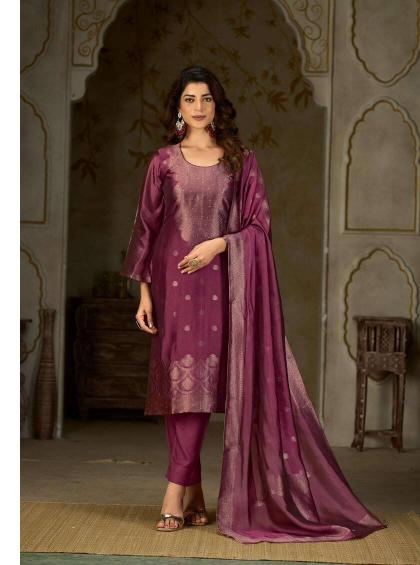
Customers generally evaluate a dress material as a complete outfit rather than looking only at the kurta fabric. The bottom and dupatta should therefore complement the primary print. Before purchasing Bagru print dress material wholesale, check whether the set includes all stated components and whether the colour coordination is commercially appealing.
A beautiful top fabric paired with an unsuitable dupatta can reduce perceived value. Conversely, a thoughtfully coordinated dupatta can make a relatively simple printed suit appear significantly more premium.
Evaluate Quality Before Comparing Only Price
Wholesale price matters, but the cheapest catalogue is not automatically the most profitable. Fabric feel, print clarity, finishing, colour consistency, packaging and overall presentation influence customer satisfaction. Retailers should compare products within similar quality levels instead of judging suppliers exclusively on the lowest quoted rate.
This becomes even more important for online resellers because returns, complaints and dissatisfied repeat customers can cost more than a small difference in purchasing price. Wholesaleexport.in aims to provide buyers with access to quality-focused ethnic wear selections while keeping commercial wholesale requirements in mind.
Surat as a Sourcing Hub for Dress Material Buyers
Surat has developed into a major textile sourcing centre with extensive networks of manufacturers, wholesalers, traders and distributors. Buyers searching for Surat dress material wholesale can encounter an enormous variety of fabrics, prints, embroidery styles and price segments.
Commercial textile areas around the surat textile market, ring road and sahara darwaza connect buyers with a broad garment and fabric ecosystem. The advantage of such a large market is choice, but that same scale makes supplier selection important. Buyers need to compare product quality, commercial terms, dispatch capability and consistency rather than purchasing solely because a supplier operates in Surat.
Manufacturing and Wholesale Supply
Understanding the supply chain can help retailers make better purchasing decisions. Some businesses work closely with manufacturing units, while others aggregate catalogues from different brands or suppliers. Both models can have advantages depending on whether the buyer prioritises variety, volume, pricing or repeat availability.
For large orders, ask whether a design can be replenished and how frequently collections change. Fast-moving textile catalogues can sell through quickly, particularly during festive periods. Retailers who depend on repeat availability should clarify this before promoting a specific catalogue heavily to customers.
Planning Your Wholesale Inventory for Better Profitability
Inventory planning can make a larger difference to profitability than simply negotiating a slightly lower purchase price. Home-based sellers and smaller boutiques should usually focus on variety before depth, while established shops with predictable demand may be able to purchase larger quantities of proven designs.
A practical assortment can combine affordable daily-wear fabrics, mid-range printed sets and a smaller selection of premium products. This gives customers several buying options while preventing the retailer from becoming dependent on one price segment.
Know Your Customer's Expected Price Range
Before buying, calculate backwards from your realistic retail selling price. Consider purchase cost, freight, packaging, payment charges, local expenses and the margin required to operate profitably. For export orders, additional logistics and documentation costs may also need to be considered.
The right wholesale price is therefore not simply the lowest number quoted by a supplier. It is the landed cost at which the product can still deliver the quality and margin expected by your customer base.
Mix Evergreen and Trend-Driven Designs
Evergreen traditional prints provide stability, while trend-driven designs create freshness. A retailer preparing a 2026 ethnic wear collection can combine both. Classic floral and geometric motifs can sit alongside updated colour combinations, contemporary dupattas and modern styling.
This approach can reduce the risk of an entire inventory becoming dated if a short-term fashion trend slows down. It also gives regular customers a reason to revisit the store because newness can be introduced without abandoning established best-selling styles.
Digital Selling Opportunities for Home-Based Sellers and Resellers
Digital commerce has made wholesale sourcing relevant even for sellers who do not operate a traditional showroom. WhatsApp catalogues, social media pages, short-form videos and online storefronts allow small businesses to present ethnic wear to customers without carrying the overhead of a large physical shop.
When promoting Bagru print dress material, use clear product images and provide accurate information about fabric, set contents, available colours and price. Avoid relying only on heavily edited images because customers need a realistic understanding of the product they are ordering.
Video can be particularly useful for showing fabric fall, dupatta design and the scale of the print. Retailers can also group products according to everyday wear, office wear, festive wear or premium traditional collections, making the buying experience easier for customers.
Build Repeat Business Instead of One-Time Sales
Repeat customers are valuable in ethnic wear because collections change regularly. Maintaining clear communication about new arrivals, stock availability and dispatch can help resellers build trust. Rather than sending every catalogue to every customer, segmenting buyers according to their interests can make promotions more relevant.
A customer who usually purchases cotton suits may respond better to breathable printed collections, while another who prefers premium fabrics can be shown richer dress materials. Better segmentation can improve conversion without overwhelming customers with unnecessary messages.
Wholesale and Export Opportunities
Indian ethnic wear has a customer base beyond the domestic market, creating opportunities for boutiques and distributors serving overseas Indian and South Asian communities. Traditional prints can be especially attractive because they communicate a recognisable Indian aesthetic while remaining suitable for everyday styling.
For export buying, businesses should consider more than product selection. Packaging, shipping method, destination regulations, delivery timelines and payment arrangements can affect the final landed cost. Buyers placing larger international orders should confirm all commercial details before payment and dispatch.
Wholesaleexport.in can support businesses exploring Indian ethnic wear sourcing across product categories. Buyers interested in broader collections can explore wholesale dress materials for different customer segments and price points.
Retailers who want to diversify beyond suits can also explore categories such as wholesale lehenga market Surat options to build a wider festive and occasion-wear assortment.
How Bagru Inspired Prints Fit into a Complete Ethnic Wear Store
A strong ethnic wear business rarely depends on a single category. Printed dress materials can act as an everyday and mid-range foundation while sarees, kurtis, ready-made suits and festive products cover additional customer requirements. The exact mix depends on the retailer's location and target audience.
For boutique owners, traditional prints can also support custom stitching services. Customers may purchase material and choose their own neckline, sleeves, trouser style and fit. This personalisation can differentiate boutiques from standard ready-made retailers.
Showroom owners can merchandise traditional printed collections by colour story or occasion. Home-based sellers can create smaller curated selections rather than displaying hundreds of similar products. Wholesale buyers supplying other retailers can focus on designs that offer broader regional appeal and repeat-order potential.
Why Experience and Supplier Reliability Matter
Fashion inventory moves quickly, and wholesale buyers need more than attractive catalogue photographs. Accurate communication, quality awareness and dependable dispatch are important parts of a long-term sourcing relationship.
Vastralife brings wholesale and export experience since 2017, along with industry knowledge developed through working with ethnic wear products and wholesale customers. The focus on premium product quality and practical wholesale sourcing helps retailers evaluate collections from a business perspective rather than treating every new catalogue as an automatic purchase.
Wholesaleexport.in extends this approach to buyers searching for accessible online wholesale sourcing. Whether the customer is a new home-based reseller or an established wholesale buyer, the objective is to make product discovery and ordering more convenient while offering regularly updated ethnic wear choices.
Internal Linking and Related Wholesale Categories
Retailers can strengthen their product assortment by building complementary categories rather than purchasing unrelated stock. Traditional printed dress materials can be paired with cotton suits, designer dress materials, kurtis, festive outfits and selected sarees. A customer entering for one category may then discover another product suitable for a different occasion.
For SEO and customer navigation, related-category connections are also useful because they help visitors move naturally through relevant product ranges. Instead of creating isolated pages, a wholesale website can connect informational buying guides with commercially relevant product categories.
Customer FAQs
1. What is Bagru print dress material?
Bagru print dress material generally refers to suit fabrics featuring designs associated with the traditional Bagru printing aesthetic of Rajasthan, such as floral, geometric and nature-inspired motifs. Because modern commercial production methods vary, buyers should check the exact fabric and printing specifications supplied with each product.
2. Is Bagru print suitable for everyday wear?
Yes, many printed cotton and lightweight dress materials are well suited to everyday, office and casual wear. Suitability depends on the actual fabric, print and construction selected, so customers should choose according to season and intended use.
3. Who can buy dress materials at wholesale prices?
Home-based sellers, resellers, boutique owners, shop owners, showroom owners and other wholesale buyers can source dress materials for resale. Order quantity and commercial conditions can vary according to the collection and supplier.
4. Can Indian dress materials be supplied for international markets?
Wholesale and export sourcing can serve international buyers, subject to destination, shipping availability, order value and applicable commercial conditions. Businesses purchasing for Nepal, Australia, USA and other markets should confirm shipping and export requirements before ordering.
5. How should retailers choose a profitable wholesale dress material collection?
Focus on the target customer's preferred price range, fabric quality, colour mix, design variety, landed cost and expected retail margin. It is usually more effective to purchase a commercially balanced assortment than to select stock purely according to personal taste.
6. Where can retailers source dress materials from Surat?
Surat has a large network of textile markets, wholesalers and suppliers, particularly around major textile trading areas. Online wholesale platforms can also make it easier for outstation buyers to discover collections without visiting every supplier physically.
7. What should I check before placing a bulk order?
Confirm fabric details, set contents, colours, quantity, wholesale rate, availability, shipping charges, payment terms and expected dispatch timeline. For larger orders, clear written confirmation of commercial details can reduce misunderstandings.
Source Your Next Ethnic Wear Collection with Wholesaleexport.in
If you are building your next retail, boutique, showroom or reselling collection, Wholesaleexport.in gives you access to regularly updated ethnic wear choices with a wholesale-focused buying approach. Explore products suited to everyday customers, traditional fashion buyers and businesses looking for fresh stock throughout the season.
What You Get with Wholesaleexport.in:
- Latest Collections with regularly updated ethnic wear options
- Wholesale Pricing for business buyers and resellers
- Trendy Ethnic Wear across popular Indian fashion categories
- Fast Shipping for convenient order fulfilment
- COD Support subject to applicable order terms and availability
- Bulk Order Deals for eligible wholesale purchases
- Quality Products Starting From ₹299
Whether you are starting a home-based clothing business, expanding a boutique, refreshing a retail shop or sourcing in larger wholesale quantities, choosing the right combination of quality, price and design can create stronger long-term selling opportunities.
Contact: +91 9712582172
Website: wholesaleexport.in
Explore the latest collections, compare suitable wholesale options and build a product mix that matches your customers rather than simply following every short-term trend. With thoughtful sourcing and consistent new arrivals, traditional printed dress materials can remain a versatile part of a profitable ethnic wear business in 2026 and beyond.
How to Build a Profitable Bagru Print Dress Material Collection
A profitable collection should balance traditional appeal with actual customer demand. Retailers should avoid purchasing too many similar designs simply because a particular print looks attractive. Instead, divide the inventory into different colour families, fabric types, price ranges and usage occasions. This gives customers more reasons to explore the collection and reduces dependence on a single design trend.
For example, everyday customers may prefer lightweight cotton-based materials with simple motifs, while boutique customers may look for richer fabrics, distinctive dupattas and more detailed traditional prints. A showroom can maintain both segments, while a home-based seller may begin with a smaller assortment and increase quantities according to actual customer response.
Buy Variety Before Increasing Quantity
For new resellers, variety can often be more useful than excessive depth in one catalogue. Instead of holding a large quantity of the same design, consider testing different colour combinations and patterns. Once a particular style begins generating repeat enquiries, the business can increase purchasing volume when stock is available.
This strategy is especially useful with Bagru print dress material wholesale because customers often choose according to colour and motif preference. Two buyers looking for the same type of traditional suit may still select completely different prints.
Keep Multiple Price Segments
Not every customer entering an ethnic wear store has the same budget. Maintaining entry-level, mid-range and premium products allows a retailer to serve a wider audience. The final retail price should consider wholesale cost, shipping, packaging, operating expenses and the margin required by the seller.
In 2026, buyers should focus on value rather than only the lowest purchasing price. Better fabric, stronger presentation and attractive colour coordination can sometimes justify a higher retail value and improve customer satisfaction.
Wholesale Dress Material Sourcing from Surat
Surat remains an important sourcing destination for Indian textiles because of its extensive network of manufacturers, wholesalers, brands, traders and garment suppliers. Buyers searching for traditional printed suits can access collections across numerous fabrics, patterns and price segments.
The commercial ecosystem around the surat textile market, Ring Road and Sahara Darwaza makes Surat relevant for shop owners and wholesale buyers across India. However, a large marketplace also means buyers need to compare suppliers carefully. Product quality, communication, stock availability, dispatch efficiency and consistency can matter just as much as the quoted wholesale rate.
Retailers looking for a wider selection can explore wholesale dress materials to complement traditional printed collections. Businesses that also sell festive clothing can explore the wholesale lehenga market Surat category when planning a broader ethnic wear assortment.
Manufacturing Connections and Product Variety
Surat's textile ecosystem covers different stages of sourcing and manufacturing. For retailers, this creates access to regular new arrivals across printed fabrics, embroidery, designer suits, dress materials, sarees and other women's ethnic wear categories.
Wholesaleexport.in helps buyers discover products without requiring every customer to visit individual markets physically. This can be particularly useful for outstation shop owners, online resellers and international buyers who need catalogue-based sourcing and dispatch support.
Bagru Print Dress Material for Online Resellers
Online reselling has created opportunities for entrepreneurs who may not operate a physical store. A home-based seller can promote selected ethnic wear through WhatsApp, Instagram, Facebook or an independent online store and build a customer base gradually.
Bagru print dress material is visually suitable for this model because customers can quickly understand the overall look from good product photography. Sellers should display the kurta fabric, bottom and dupatta clearly and provide accurate fabric and product information.
Use Product Videos Along with Images
Images show colour and pattern, but videos can communicate fabric fall, texture and detailing more effectively. Retailers can create short videos showing the complete set, close-up print details and dupatta design. This can help customers make more informed buying decisions.
For online sellers, transparent product descriptions are equally important. Clearly state what the customer receives rather than relying on assumptions from photographs.
Create Occasion-Based Collections
Instead of presenting every dress material in one large catalogue, sellers can organise products according to customer needs. Examples include everyday cotton suits, office-wear prints, festive dress materials, traditional collections and premium occasion wear.
This makes navigation easier and helps customers find suitable products faster. A reseller can also create seasonal WhatsApp catalogues or social-media collections instead of repeatedly promoting the entire inventory.
Export Potential for Traditional Indian Dress Materials
Indian ethnic fashion has a customer base beyond India, particularly among communities that continue to wear traditional clothing for festivals, family functions and cultural occasions. This creates export opportunities for wholesalers and retailers serving international ethnic wear markets.
Traditional printed suits can be considered for markets such as Nepal, Australia and USA, where retailers may serve Indian and South Asian communities. Product selection for international markets should consider climate, local preferences, customer purchasing power and shipping costs.
Plan International Orders According to Landed Cost
International buyers should calculate more than the product's basic wholesale price. Freight, packaging, payment charges, import requirements and other destination-specific expenses can affect the final landed cost.
Before confirming an export order, buyers should verify product quantities, fabric specifications, dispatch arrangements and applicable shipping terms. Accurate planning is especially important for businesses that need to maintain a particular retail margin after international logistics expenses.
Choose Collections with Broad Customer Appeal
For an overseas boutique, a balanced assortment may work better than purchasing too deeply into one style. Traditional prints, contemporary suits, festive designs and everyday ethnic wear can serve different customer occasions throughout the year.
Vastralife's wholesale and export experience since 2017 provides industry understanding of different wholesale customer requirements. Wholesaleexport.in builds on that experience by offering access to changing ethnic wear collections for retailers, resellers and wholesale buyers.
Inventory Planning for Festivals and Seasonal Demand
Ethnic wear demand can increase around festivals, weddings and regional celebrations. Retailers should therefore plan purchases ahead of peak periods instead of waiting until customer demand has already started. Popular designs can move quickly, and repeat availability is not guaranteed for every catalogue.
Traditional printed dress materials can provide a useful bridge between everyday and festive inventory. Customers who do not want heavy embroidery may still prefer distinctive prints and coordinated dupattas for smaller functions, family gatherings or festive daytime wear.
Do Not Depend Only on Festival Sales
One advantage of printed dress material is that it can continue selling outside the festive season. Cotton and comfortable traditional designs can remain relevant for everyday wear, office use and casual occasions. This makes the category potentially more flexible than highly occasion-specific inventory.
For retailers, maintaining this balance can reduce seasonal dependency. Festive collections may create stronger short-term demand, while everyday products can support regular sales throughout the year.
Quality Checks Before Placing a Wholesale Order
Before purchasing any dress material in bulk, buyers should understand exactly what they are ordering. Catalogue photographs are useful for selection, but commercial decisions should also consider fabric and product specifications.
Check Fabric and Set Components
Confirm the fabric type of the top, bottom and dupatta. Also check whether the material is unstitched, semi-stitched or ready-made, depending on the catalogue. Measurements and product inclusions should be understood before the retailer starts advertising the item.
Review Print and Colour Presentation
Traditional printed products depend heavily on visual appeal. Check whether the motifs are clearly presented and whether the complete colour combination looks commercially attractive. Digital screens can also display colours differently, so minor variations should be considered when communicating with end customers.
Understand Stock Availability
Fashion inventory can change rapidly. If a retailer plans to advertise a catalogue heavily, it is useful to understand current availability before accepting multiple customer orders. Fast-selling products may become unavailable once the available production or stock is sold.
Who Should Buy Bagru Style Dress Materials Wholesale?
The category can suit several types of fashion businesses. Boutique owners can use traditional fabrics for customised outfits, while shop owners can add them to daily-wear and semi-festive sections. Showroom owners can combine them with ready-made suits and sarees, and resellers can promote selected catalogues digitally.
Home-based sellers can start with controlled quantities and test customer response before increasing investment. Larger wholesale buyers can create broader assortments for distribution to retailers in different cities.
The key is matching the product to the actual customer base. A collection that performs strongly for one retailer may not necessarily produce identical results for another because local tastes, pricing and customer demographics differ.
How to Improve Retail Margins Without Compromising Quality
Retail profitability is not created solely by purchasing at the lowest possible price. Product selection, presentation, inventory turnover and repeat customers all influence the final result.
A retailer can improve performance by purchasing designs suited to known customer demand, avoiding excessive dead stock, creating clear product presentations and maintaining sensible margins. Premium product quality can also support repeat business because satisfied customers are more likely to return for future collections.
Bundle Complementary Categories
A customer buying traditional dress material may also be interested in sarees, kurtis or festive outfits. Maintaining complementary categories can increase opportunities for additional sales without forcing unrelated products onto the customer.
Refresh Inventory Regularly
Fashion customers appreciate newness. Regular smaller updates can sometimes be more effective than purchasing a very large collection and selling the same designs for months. New arrivals also give retailers fresh content for social media and customer groups.
Internal Linking and Collection Discovery
A complete wholesale fashion store should make it easy for buyers to move between related product categories. Someone searching for traditional dress materials may later require festive suits, sarees, lehengas or other ethnic products. Connecting relevant collections improves product discovery and makes wholesale sourcing more convenient.
Wholesaleexport.in is designed to help home-based sellers, retailers, boutiques, showroom owners and wholesale buyers explore changing ethnic fashion requirements from one sourcing platform. Product availability and commercial conditions can vary by collection, so buyers should confirm current details while ordering.
Customer FAQs
1. What is Bagru print dress material?
Bagru print dress material generally refers to suit material featuring patterns and colour aesthetics inspired by Rajasthan's Bagru textile tradition. Modern commercial products can use different fabrics and printing processes, so buyers should check the exact specifications of each catalogue.
2. Is Bagru print suitable for daily wear?
Many lightweight and cotton-based traditional printed dress materials can be suitable for everyday, office and casual wear. The final suitability depends on the actual fabric and construction of the selected product.
3. Can resellers purchase dress materials wholesale online?
Yes. Online wholesale sourcing allows resellers, boutiques and shop owners to explore catalogues remotely and place orders according to the supplier's applicable minimum quantity and commercial terms.
4. Is wholesale supply available outside India?
Export orders can be possible depending on the destination, product availability, quantity and shipping arrangements. International buyers should confirm the applicable shipping and commercial terms before placing an order.
5. How should a new retailer select designs?
Begin with a balanced mix of colours, motifs and price segments rather than buying too much of one design. Track customer enquiries and actual sales, then increase quantities in styles that perform consistently.
6. What should I check before buying dress materials in bulk?
Confirm fabric details, set components, available designs, quantities, wholesale price, shipping cost, payment conditions and dispatch expectations. This makes the buying process clearer and reduces avoidable misunderstandings.
7. Why source ethnic wear from Surat?
Surat has a large textile ecosystem covering manufacturing, wholesale trading, fabrics and ready-to-sell fashion categories. Its scale provides buyers with access to a broad variety of products and price segments.
Shop Wholesale Ethnic Wear with Wholesaleexport.in
Whether you are a home-based seller building your first collection or an established retailer planning larger purchases, Wholesaleexport.in can help you explore regularly updated ethnic wear options for different customer segments.
What You Get with Wholesaleexport.in:
- Latest Collections for regularly changing fashion demand
- Wholesale Pricing for retailers and resellers
- Trendy Ethnic Wear across popular categories
- Fast Shipping for efficient order fulfilment
- COD Support subject to applicable order conditions
- Bulk Order Deals for eligible wholesale requirements
- Quality Products Starting From ₹299
From traditional printed dress materials to changing ethnic fashion collections, the goal is to help wholesale buyers find products that fit their customer profile, selling price and business model. With Vastralife's wholesale and export experience since 2017, buyers can explore sourcing backed by practical textile-industry knowledge and a focus on premium product quality.
Contact Number: +91 9712582172
Website: wholesaleexport.in
Explore the latest collections, plan your inventory carefully and choose products according to real customer demand. A thoughtfully selected Bagru print dress material wholesale range can give retailers a strong combination of traditional appeal, everyday wearability and commercial potential throughout 2026.