


Abstract Print Dress Material Wholesale in India – Latest Designs & Trends 2026
Abstract Print Dress Material Wholesale in India – Latest Designs & Trends 2026
Modern customers are increasingly looking for ethnic wear that feels traditional enough for everyday Indian wardrobes while still carrying a fresh, contemporary personality. Abstract patterns fit naturally into this space. From artistic brush-style motifs and geometric compositions to digital colour blends and unconventional florals, these designs give retailers an opportunity to offer something noticeably different from regular printed suits.
Introduction
The Indian dress material market has always evolved with changing colours, fabrics, printing technologies and customer preferences. While floral, bandhani, paisley and traditional motifs continue to have a dependable market, abstract print dress material has developed into an important contemporary category for retailers who want variety in their collections.
One major advantage of abstract designs is their flexibility. The same broad category can include subtle office-wear patterns, colourful casual styles, elegant festive combinations and premium-looking digital prints. This makes the category relevant for shop owners, boutique owners, showroom owners, home-based sellers, resellers and wholesale buyers serving different customer groups.
For a retailer, however, buying successful stock is not simply about selecting an attractive photograph. Fabric quality, colour combination, printing clarity, matching bottom and dupatta, wholesale price, design variety and the final retail market all influence how quickly a collection can move.
Wholesaleexport.in brings these requirements together for buyers looking to source women's ethnic wear from India. With access to Surat's textile ecosystem and Vastralife's wholesale and export experience since 2017, the focus is on combining product variety, industry knowledge and premium product quality for modern wholesale requirements.
Why Abstract Print Dress Material Is Relevant in 2026
Fashion buyers in 2026 are dealing with customers who discover styles through multiple channels. A customer may notice a colour combination on Instagram, compare similar designs through online marketplaces and then visit a local boutique or clothing store to purchase the final outfit. This faster discovery cycle encourages retailers to keep their collections visually fresh.
That is where an abstract print dress material collection can become useful. Abstract patterns do not depend on one rigid motif. Designers can work with irregular shapes, flowing lines, artistic textures, colour blocks, geometric influences and digitally created compositions. As a result, suppliers can develop frequent variations without making every collection look identical.
A Contemporary Alternative to Conventional Prints
Traditional prints remain commercially important, but retailers also need products that give customers a reason to look at the newest arrivals. Abstract prints can provide that differentiation without moving completely away from familiar Indian suit formats.
A customer can still purchase an unstitched three-piece suit consisting of top fabric, bottom fabric and dupatta, but the visual treatment feels more contemporary. This combination of a familiar product format with modern surface design can work particularly well for younger buyers and customers who prefer understated fusion styling.
Useful Across Different Age Groups
Abstract does not automatically mean extremely bright or experimental. Mature customers may prefer restrained beige, blue, maroon or earthy combinations, while younger customers may respond to contrasting colours, asymmetric patterns and stronger digital effects.
This range gives retailers an opportunity to build a balanced wholesale dress material assortment rather than targeting only one age group.
Popular Abstract Print Styles for Wholesale Buyers
The phrase abstract print covers several different visual directions. Understanding these variations can help buyers select stock more intelligently instead of purchasing too many similar designs.
Digital Abstract Prints
Digital printing has expanded the possibilities available to textile designers. Detailed colour transitions, artistic compositions and complex patterns can be reproduced with considerable visual clarity. A digital print dress material can therefore offer a distinctive look without relying entirely on embroidery or heavy embellishment.
For retailers, this can be commercially useful because the visual impact comes primarily from the print. Depending on fabric, finishing and brand, such collections can cover affordable as well as premium price segments.
Geometric and Contemporary Patterns
Lines, blocks, circles, irregular grids and layered geometric elements are particularly suitable for customers who prefer clean contemporary fashion. These designs can work for casual wear, office wear and semi-formal styling.
Retailers operating in urban markets can combine geometric pieces with softer printed designs so customers see sufficient variety within the same collection.
Abstract Floral Designs
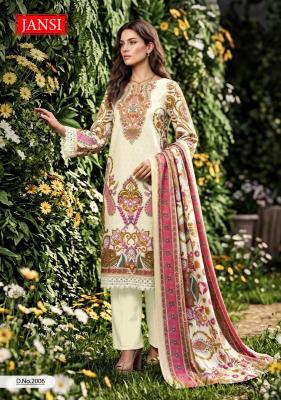
Floral patterns remain familiar to Indian consumers, but abstract interpretation can make them feel newer. Oversized petals, blurred flowers, artistic brush effects and unconventional colour placement create a bridge between classic floral fashion and modern design.
For a new reseller who is unsure about highly experimental designs, abstract floral dress material can be a practical category to test because customers can immediately understand the floral inspiration while still seeing something different.
Brushstroke and Watercolour Inspired Prints
Watercolour effects and free-flowing brush patterns can create a soft, premium appearance. These designs often look attractive in product photographs and videos, which can be useful for WhatsApp sellers, Instagram resellers and online boutiques.
Colour coordination is especially important in this segment. The top, bottom and dupatta should complement one another instead of competing visually.
Fabric Selection Matters as Much as the Print
A beautiful print can attract the first enquiry, but fabric quality often determines customer satisfaction. Wholesale buyers should therefore evaluate the base material rather than purchasing solely on the basis of catalogue photography.
Depending on the season and collection, printed dress materials may be developed using cotton-based fabrics, rayon, muslin, silk blends, viscose, crepe and other textile constructions. Each fabric creates a different fall, texture, comfort level and final price.
Cotton and Cotton-Based Options
Cotton dress material wholesale remains important for markets where comfort and daily usability influence purchasing decisions. Breathable fabrics can be especially relevant during warmer months and for customers who regularly wear salwar suits for work or everyday activities.
Abstract patterns can make an otherwise simple cotton suit appear more contemporary, allowing retailers to create a stronger everyday-wear section without depending entirely on conventional motifs.
Muslin and Premium-Feel Fabrics
Muslin and similar lightweight fabrics are often selected when buyers want an elegant fall and refined appearance. Sophisticated digital printing can complement these fabrics well, particularly for boutique-oriented collections.
Before purchasing in quantity, buyers should understand the actual fabric specifications, available colours, set quantity and whether the product is suitable for their intended retail price bracket.
Silk and Festive Interpretations
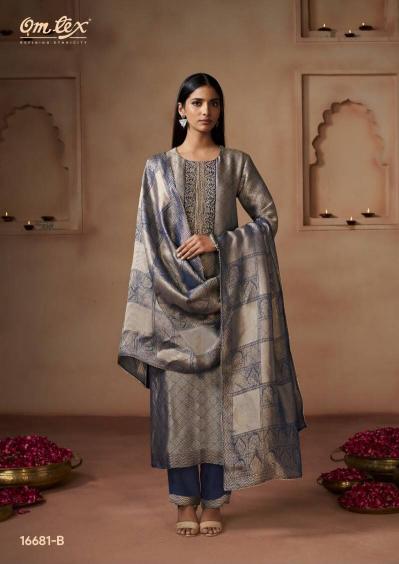
Abstract design is not restricted to casual fashion. Silk and silk-blend bases can give printed patterns a richer appearance, particularly when combined with attractive dupattas, woven elements or subtle decorative detailing.
These styles allow stores to include contemporary pieces alongside more traditional festive suits, sarees and ethnic collections.
How Retailers Should Select a Wholesale Collection
Good wholesale buying is largely about assortment management. Ordering every attractive catalogue can lock too much capital into inventory, while ordering too little variety can make a shop look repetitive. The objective should be to create a collection that offers enough choice without unnecessary duplication.
Start with Your Customer Profile
A boutique serving premium customers will usually require a different product mix from a home-based reseller selling through WhatsApp. Similarly, a showroom in a metropolitan area may see different colour preferences from a shop serving a smaller regional market.
Before purchasing abstract print dress material wholesale, buyers should consider typical customer age, average selling price, preferred fabric, common occasions and the speed at which new designs normally move.
Build Variety in Colour Rather Than Quantity Alone
Buying twenty pieces does not automatically create useful variety if most pieces share the same colour family and print scale. A more thoughtful assortment could combine pastel designs, dark shades, bright seasonal colours, neutral office-wear combinations and a few statement pieces.
This approach can make even a relatively controlled opening order appear broader to customers.
Consider the Complete Suit Presentation
For three-piece dress materials, customers evaluate the complete combination. A well-designed top fabric can lose appeal if the bottom or dupatta appears poorly coordinated.
Retailers should therefore examine the overall set: top design, bottom colour, dupatta pattern, fabric length, finishing and expected stitched appearance. These details become particularly important when selling remotely because the buyer often makes a decision from photos and videos.
Surat as a Major Sourcing Market for Dress Materials
Surat has long been closely associated with India's textile trade and continues to serve buyers searching for women's ethnic wear across multiple price and design segments. The broader surat textile market ecosystem includes manufacturers, wholesalers, traders, brands and distributors handling products such as dress materials, kurtis, sarees, salwar suits and other fashion categories.
Commercial textile areas around Ring Road and Sahara Darwaza are familiar sourcing references for buyers visiting Surat. The scale of the market allows retailers to compare designs, fabrics, brands and pricing across a wide selection.
At the same time, physical travel is no longer necessary for every purchase. Digital catalogues, product videos and online wholesale platforms allow buyers across India to evaluate collections remotely. Wholesaleexport.in is designed around this changing buying behaviour, helping retailers access product options without depending entirely on repeated physical sourcing trips.
Manufacturing and Wholesale Networks
Surat's strength comes not only from finished-product trading but also from the surrounding manufacturing, textile processing, printing and distribution network. This ecosystem helps create regular product development and new catalogue launches.
For wholesale buyers, the practical advantage is access to multiple styles within women's ethnic wear. A retailer can source everyday printed materials and then expand into festive suits, Pakistani styles, sarees, kurtis or other categories as customer demand grows.
Wholesale Price and Retail Margin Planning
Wholesale purchasing should never be based on the lowest price alone. A cheaper product that receives poor customer response can become more expensive for the business than a slightly higher-priced design that sells quickly.
The real calculation should include wholesale price, product quality, transportation, packaging, payment costs where applicable, expected selling price and stock rotation. Home-based sellers should also account for courier expenses when selling individual orders.
For 2026, buyers should maintain different price levels rather than placing their entire budget into one segment. Entry-level products can generate regular enquiries, mid-range collections can serve mainstream customers and selected premium pieces can increase average billing value.
Opportunities for Resellers, Boutiques and Export Buyers
The appeal of printed Indian ethnic wear is not limited to domestic retail. Businesses serving overseas Indian and South Asian communities also look for contemporary salwar suit and dress material collections. Markets such as Nepal, Australia and Malaysia can therefore form part of a broader export strategy, subject to local customer demand, shipping economics and import requirements.
For exporters, careful product selection becomes even more important because replacement cycles are slower than domestic replenishment. Buyers should focus on designs that suit their customer base and confirm fabric, quantity and dispatch details before placing larger orders.
Vastralife's wholesale and export experience since 2017 provides practical industry exposure to the requirements of retailers, resellers and international wholesale customers. That experience supports Wholesaleexport.in's focus on product selection, dependable communication and premium-quality wholesale sourcing.
How to Sell Abstract Print Dress Material Online
Online selling has changed the way dress material wholesalers and retailers reach customers. A home-based seller no longer needs a large showroom to begin selling ethnic wear. With good product photographs, short videos, accurate descriptions and consistent customer communication, sellers can build demand through WhatsApp, Instagram, Facebook and their own online store.
For abstract print dress material, visual presentation is particularly important. Since the main attraction is the print, customers should be able to see the colour combination, pattern scale, fabric texture and dupatta clearly. Instead of sharing only one catalogue image, sellers can use close-up photographs and short videos whenever available.
Use Clear Product Information
A product post should answer the customer's basic questions without requiring several messages. Mention the fabric, available designs, set quantity, approximate price range where appropriate, top and bottom details, dupatta type and dispatch information. Transparent information can make online wholesale purchasing easier for both new and experienced buyers.
For resellers, creating separate content for daily wear, office wear, festive wear and premium collections can also improve product discovery. Customers looking for a simple everyday suit may respond differently from someone searching for a premium outfit for an occasion.
Use Videos to Show Fabric and Fall
Static catalogue images are useful, but short videos can provide additional confidence. Showing the actual fabric movement, print clarity and complete combination helps customers understand the product more realistically.
This is particularly valuable for boutique owners and wholesale buyers placing larger orders remotely. Product videos can also be reused for WhatsApp Status, Instagram Reels, Facebook posts and other social channels.
Internal Links for Related Wholesale Collections
Retailers building a wider ethnic-wear inventory can explore wholesale dress materials in Surat to compare additional fabrics, prints and catalogue options suitable for different customer segments.
Stores preparing a broader festive assortment can also explore the wholesale lehenga market in Surat when they want to complement dress materials with occasion-oriented ethnic wear.
Inventory Planning for Shop Owners and Resellers
One of the most common wholesale buying mistakes is treating inventory size as the primary measure of a strong collection. A successful retailer does not necessarily need the largest stock. The objective is to have the right products available at the right time and at price points customers are comfortable purchasing.
Test New Designs Before Scaling
When introducing a new print direction, buyers can begin with a manageable assortment and monitor customer response. Observe which colours receive enquiries, which designs sell first and whether customers prefer subtle or bold abstract patterns.
Once a particular style begins generating repeat demand, replenishment can be planned accordingly. This approach is especially useful for home-based sellers and newer boutiques that need to protect working capital.
Balance Fast-Moving and Experimental Products
A practical inventory should contain dependable commercial designs alongside a smaller percentage of experimental fashion. Everyday printed suits can provide regular sales while distinctive abstract patterns can make a store's collection look fresh.
The exact balance depends on the retailer's audience. A fashion-focused boutique may carry more experimental pieces, whereas a neighbourhood clothing shop may give greater space to comfortable, easy-to-sell designs.
Track Repeat Demand
Retailers should maintain a simple record of best-selling colours, fabrics, sizes where stitched garments are involved, average price ranges and seasonal demand. Even basic sales data can improve the next wholesale purchase.
If blue and pastel printed suits consistently move faster than other shades, the next order can include additional variations without simply repeating identical designs. This creates continuity while keeping the display fresh.
Seasonal Demand for Printed Dress Materials
Dress materials can sell throughout the year, but fabric and colour preferences often change with weather, festivals and local buying cycles. Retailers should therefore treat seasonal planning as part of their sourcing strategy.
Summer Collections
During warmer periods, customers commonly look for comfortable fabrics, lighter colours and wearable prints. Cotton and lightweight materials can become particularly relevant. Pastels, blues, greens, soft pinks and balanced multicolour abstract patterns can be included depending on regional preferences.
Festive Collections
Festive demand allows retailers to introduce richer colours and more elaborate combinations. Abstract prints can be paired with decorative borders, elegant dupattas, embroidery, zari-inspired detailing or premium fabric bases to create a more occasion-oriented appearance.
Shop owners should order festive merchandise early enough to display and promote it before peak purchasing begins. Waiting until the festival itself can reduce the selling window.
Wedding and Occasion Season
Although heavily embellished suits often dominate wedding shopping, not every customer wants a heavy outfit. Many customers need elegant clothing for smaller functions, family gatherings and pre-wedding occasions. Premium printed suits can fill this middle space between everyday clothing and heavily embellished festive wear.
What Wholesale Buyers Should Check Before Ordering
Whether purchasing from the surat textile market physically or ordering online, buyers should verify the commercial details of a collection before committing significant inventory.
Start by confirming the fabric description and whether the product is unstitched, semi-stitched or ready-made. Check how many designs or colours come in the catalogue, the minimum order requirement and whether individual designs can be selected.
Buyers should also confirm current stock availability because popular catalogues can move quickly. A catalogue image circulating online does not necessarily mean every design remains available at the time of ordering.
Compare Value, Not Just Price
When two products have different prices, compare their fabric, print quality, finishing, dupatta, presentation and likely retail appeal. The lowest purchase price is not automatically the most profitable choice.
A product purchased at a slightly higher cost may produce better margins if customers perceive stronger quality and are willing to pay an appropriate retail price. Conversely, expensive inventory without sufficient local demand can slow cash rotation.
Check Product Quality
Quality consistency matters particularly for resellers because they are building their own reputation with end customers. Print alignment, colour appearance, fabric feel and finishing should match the category being sold.
Working with an experienced wholesale supplier can make product selection easier, particularly for businesses purchasing remotely from cities outside Surat.
Why Product Variety Matters for Multi-Category Sellers
A retailer who attracts a customer with an abstract print dress material may eventually sell additional ethnic-wear products to the same customer. This is why product variety can increase the long-term value of each customer relationship.
For example, a boutique can maintain everyday dress materials alongside Pakistani suits, kurti sets, sarees and festive products. A customer may purchase an affordable printed suit today and return later for a premium occasion outfit.
Wholesaleexport.in supports this type of sourcing approach by helping buyers discover multiple women's fashion categories rather than relying on a single product segment.
Abstract Print Dress Material for Different Business Models
For Home-Based Sellers
Home-based sellers can begin with controlled inventory and use catalogue-based promotion to understand demand. WhatsApp groups, status updates and social media can be used to showcase new arrivals regularly.
The key is to avoid purchasing excessive stock before understanding which price range and designs work with the seller's customer network.
For Boutique Owners
Boutiques can focus more strongly on curated selections. Instead of displaying too many similar products, they can choose unusual colour combinations, premium fabrics and distinctive prints that support a more selective brand identity.
Abstract designs are particularly useful here because they provide room for styling and custom stitching. A good boutique can demonstrate how the same unstitched fabric can become a straight suit, contemporary kurta or other personalised silhouette.
For Shop and Showroom Owners
Physical stores generally need a wider price ladder. Affordable daily-wear products can bring regular footfall, while mid-range and premium pieces improve selection and billing opportunities.
Showroom owners can display abstract collections according to colour families or usage occasions so customers can compare options easily.
For Wholesale Buyers
Larger wholesale buyers need to evaluate whether a design can work across their downstream retailer network. Commercial colours, repeatable fabrics and dependable manufacturing or supply capability become particularly important when quantities increase.
Wholesale buyers should also communicate expected volumes in advance when planning large or recurring orders.
Export Potential for Contemporary Indian Dress Materials
Indian ethnic fashion has customers well beyond India. Retailers serving South Asian communities overseas may require a combination of traditional products and modern designs. Contemporary prints can help create that balance.
For markets such as Australia, Malaysia and Nepal, buyers should select collections according to their actual customer profile rather than assuming the same assortment will perform equally in every location. Climate, local festivals, community preferences, selling price and shipping expenses can all influence product selection.
For an export order, packaging, quantity planning and dispatch schedules should also be considered. International buyers generally benefit from planning purchases ahead of their intended selling season so transportation time does not reduce their retail window.
Why Experience Matters in Wholesale Fashion
Fashion wholesale changes quickly. Colours, silhouettes and prints that perform well in one season may need adjustment in the next. Experience helps suppliers understand the difference between temporary visual trends and products with broader commercial demand.
Vastralife has been working with wholesale and export customers since 2017, developing industry experience across women's ethnic-wear categories. This background supports the sourcing approach behind Wholesaleexport.in, with attention to current designs, product quality and the practical requirements of business buyers.
Surat's established textile ecosystem around areas such as Ring Road and Sahara Darwaza also provides access to a broad network of textile businesses, suppliers and manufacturing resources. For retailers, this combination of industry access and digital sourcing can simplify the process of finding new merchandise.
Customer FAQs
1. What is abstract print dress material?
Abstract print dress material uses non-traditional artistic patterns such as geometric shapes, brush effects, irregular motifs, digital compositions and creatively interpreted floral designs. It is generally sold as fabric that customers can stitch according to their preferred style.
2. Is abstract print dress material suitable for retail stores?
Yes. It can be suitable for boutiques, ethnic-wear shops, showrooms, online sellers and resellers because abstract designs are available across everyday, office, casual and premium segments. Retailers should select fabrics and colours according to their local customer demand.
3. Where can I buy wholesale dress materials from Surat?
Surat has a large textile wholesale ecosystem, particularly around major textile trading areas. Buyers who prefer online sourcing can also explore Wholesaleexport.in for current collections and wholesale purchasing options.
4. Can resellers start with a smaller assortment?
Yes. Starting with a controlled selection can help new resellers understand customer preferences before increasing inventory. The exact minimum quantity depends on the product or catalogue selected, so buyers should confirm the current MOQ before ordering.
5. Are wholesale collections available for international buyers?
Export requirements can be discussed for overseas wholesale buyers. Product quantity, destination, transportation method and applicable documentation should be confirmed for each order before dispatch.
6. Which fabrics are commonly used for printed dress materials?
Collections may include cotton, rayon, muslin, viscose, silk blends, crepe and other fabrics depending on the manufacturer and catalogue. Buyers should check the exact fabric specification for the product they intend to purchase.
7. How should a retailer decide the right wholesale price range?
Start with the price range your existing customers regularly purchase. Calculate the complete landed cost and maintain enough margin for normal business expenses. A balanced collection can include affordable, mid-range and selected premium products rather than concentrating all inventory at one price point.
Build Your Next Wholesale Collection with Wholesaleexport.in
If you are a boutique owner, shop owner, showroom owner, reseller, home-based seller or wholesale buyer searching for new women's ethnic-wear collections, Wholesaleexport.in can help you explore products suited to different customer segments and budgets.
Discover Latest Collections, competitive Wholesale Pricing, Trendy Ethnic Wear and regularly updated products for your retail or reselling business. Buyers can also enquire about Fast Shipping, available COD Support, Bulk Order Deals and current ordering options.
Quality Products Starting From ₹299 across selected available collections and categories. Product prices, availability and minimum quantities may vary by catalogue, so confirm current details while ordering.
Contact: +91 9712582172
Website: wholesaleexport.in
Whether you are building your first online reselling collection or regularly sourcing for an established showroom, the objective remains the same: select attractive products at workable wholesale prices, maintain dependable quality and keep introducing fresh merchandise that gives customers a reason to return.
With modern patterns, versatile fabrics and broad styling possibilities, abstract print dress material can be a useful addition to a 2026 ethnic-wear inventory. Thoughtful sourcing, balanced stock planning and consistent presentation can turn a fashionable print category into a commercially valuable part of a retail collection.